

KnowThePepper
What Does a Mulato Pepper Taste Like? Chocolate, Smoke, and Gentle Heat
The mulato pepper sits at 2,500-3,000 SHU - roughly the same heat as a jalapeño, but that number undersells what makes it interesting. Dried mulatos carry deep chocolate and smoky notes that no other dried chile quite replicates.
They are a cornerstone of traditional Mexican mole negro and add complexity wherever earthy depth matters more than raw heat.
- Species: C. annuum
- Heat tier: Medium (1K-10K SHU)
- Comparison: the same heat range as a jalapeño because their published ranges overlap
What Kind of Pepper Is Mulato Pepper?
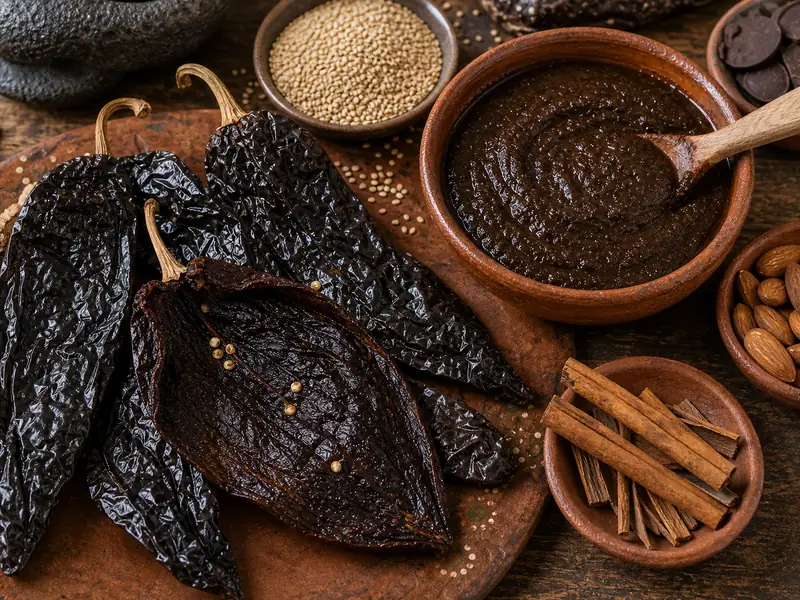
Pull a mulato out of a bag and the first thing you notice is the color: near-black, with a dark reddish-brown cast that signals the chocolatey depth inside. This is a dried pepper, always, the fresh version is called the poblano's close cousin, the chilaca, but mulatos are defined by the drying process that concentrates their flavor.
At 2,500-3,000 SHU, mulatos land in the medium heat category without much drama. The heat is gentle and slow-building, almost secondary to the flavor.
That flavor is the whole point: dried fruit, cocoa, a faint tobacco note, and smoke that reads as natural rather than sharp.
It lingers without burning.
They belong to the C. annuum species group, which also includes bell peppers and jalapeños, making them botanically unremarkable but culinarily extraordinary. The tapered shape runs 4-5 inches long, and the dried pods feel slightly pliable rather than brittle, a sign of quality.
Mulatos are one of the three chiles essential to traditional mole negro, alongside ancho and pasilla. Each contributes something different.
The mulato's job is chocolatey body and moderate heat.
Outside of mole, they work in enchilada sauces, adobos, and braising liquids for pork or lamb. Toast them briefly before rehydrating and that cocoa character intensifies noticeably.
Where Did Mulato Pepper Originate?
Mulatos trace directly to traditional Mexican pepper uses stretching back centuries. They are a dried form of a specific poblano variant, one that ripens to a darker brown-black rather than the standard red, producing distinct flavor compounds during the drying process.
The name comes from the Spanish word referencing the dark coloration, a descriptor rather than a place name.
Cultivation concentrated in Puebla and Oaxaca, where complex mole sauces became central to regional cooking. Mulatos appear in pre-Columbian cooking records indirectly through accounts of elaborate ceremonial dishes that required multiple dried chiles.
Unlike some Mexican peppers that gained international recognition early, mulatos remained largely regional until the global interest in authentic mole cooking brought them to specialty markets outside Mexico. Today they are available dried throughout North America and Europe, though fresh pods are still rarely seen outside growing regions.
What Does Mulato Pepper Taste Like, and How Hot Is It?
The Mulato Pepper delivers 2.5K–3K Scoville Heat Units, placing it in the Medium tier (1K-10K SHU). That makes it roughly the same heat range as a jalapeño because their published ranges overlap.
Flavor notes: smoky and chocolatey.
How Nutritious Is Mulato Pepper?
Dried mulatos are nutrient-dense in small quantities.
A 1-ounce serving provides roughly 90 calories, primarily from carbohydrates concentrated during drying. They are a meaningful source of vitamins A and C, though drying reduces vitamin C content compared to fresh peppers.
Mulatos supply iron, potassium, and B vitamins including B6. The capsaicin at 2,500-3,000 SHU is mild enough that it contributes anti-inflammatory properties without gastrointestinal stress for most people.
Dried peppers also contain dietary fiber, roughly 4 grams per ounce, which supports digestion. The dark color signals antioxidant compounds, including flavonoids that contribute to the chocolate flavor notes.
The drying process concentrates nutrients dramatically.
Dried Mulato Pepper provides iron, potassium, and B vitamins in a much smaller volume than fresh peppers. Vitamin C decreases with drying, but vitamin A (from carotenoids) remains high.
The 2,500-3,000 SHU capsaicin range means dried pods retain their heat, capsaicin is heat-stable and does not degrade during the drying process.
For the full science, see how capsaicin activates heat receptors.
What Is Mulato Pepper Best Used For?
The standard advice is to toast and rehydrate, but technique matters.
Dry-toast mulatos in a skillet for 30-45 seconds per side over medium heat, just until fragrant, then soak in hot water for 20 minutes. Over-toasting turns bitter fast.
Mole negro is the obvious destination, and mulatos earn their place there.
Blended with pasilla's mild earthiness and ancho, they provide the chocolate backbone that makes mole taste like something that took all day to build. Because it did.
Beyond mole, rehydrated mulatos blend into enchilada sauces with a richness that canned sauce cannot approach. They work well in slow-braised pork shoulder, especially alongside dried fruit like prunes or raisins that echo the pepper's own fruit notes.
For heat comparison, the 2,500-3,000 SHU range sits close to NuMex Big Jim's mild-to-medium range, so mulatos won't challenge heat-averse diners. The flavor, not the capsaicin, is what you're after.
Ground mulato powder functions as a finishing spice over grilled meats, roasted sweet potatoes, or even dark chocolate desserts. The cocoa notes bridge savory and sweet applications in ways most chile powders cannot.
How Should You Buy and Store Mulato Pepper?
Look for dried mulatos with a pliable, slightly flexible texture - not brittle or crumbling.
Dark brown-black color with a faint sheen indicates quality. Dusty gray appearance suggests age.
Specialty Latin grocery stores stock mulatos year-round. Online sources like Mexican pepper specialty retailers often carry higher-quality pods than generic grocery chains.
Store in an airtight container away from light and heat.
Properly stored, dried mulatos hold full flavor for 12-18 months. Refrigeration extends shelf life further without affecting texture.
Ground mulato powder loses potency faster, use within 6 months.
What Is a Good Substitute for Mulato Pepper?
Direct comparisons show where flavor, form, and preparation differ in the Ancho vs Mulato matchups.
What Does Mulato Pepper Need to Grow Well?
Growing mulatos means growing the specific poblano variant that produces dark-ripening fruit. Start seeds 8-10 weeks before last frost - the our pepper growing calendar matters here because these plants need a long warm season to develop fully.
Soil temperature for germination should stay above 70°F; 75-80°F is ideal. Transplant outdoors after nighttime temperatures reliably stay above 55°F. For anyone starting from scratch, the growing peppers from seed covers the full transplanting process.
Mulato plants grow similarly to standard poblanos, bushy, 2-3 feet tall, relatively tolerant of dry spells once established.
They prefer full sun and well-drained soil amended with compost. Consistent watering during fruit set reduces blossom drop.
The key distinction from growing standard poblanos: you want the fruit to stay on the plant until it turns dark brown-black, not harvested green.
This extended ripening period means fruit stays on the plant 90-100 days from transplant. Patience produces better flavor.
For comparison, Anaheim's cultivation requirements are nearly identical, making mulatos a straightforward substitution in any garden already growing Anaheims.
Mulato Pepper FAQ


- Cayenne Diane - Mulato Chile Pepper
- Chile Pepper Institute, New Mexico State University
Species classification: C. annuum - based on published botanical taxonomy.