
Bird's Eye Chili vs Cayenne Pepper: Which Is Hotter and Why Form Matters
Choose bird's eye chili for fresh, sharp heat in Southeast Asian sauces, pastes, soups, and stir-fries. Choose cayenne pepper for dry rubs, spice blends, smooth sauces, and measured pantry heat.

Bird's Eye Chili
HotCayenne Pepper
HotQuick Comparison
| Attribute | Bird's Eye Chili | Cayenne Pepper |
|---|---|---|
| Scoville evidence | 50K-100K SHU | 30K-50K SHU |
| Heat Tier | Hot | Hot |
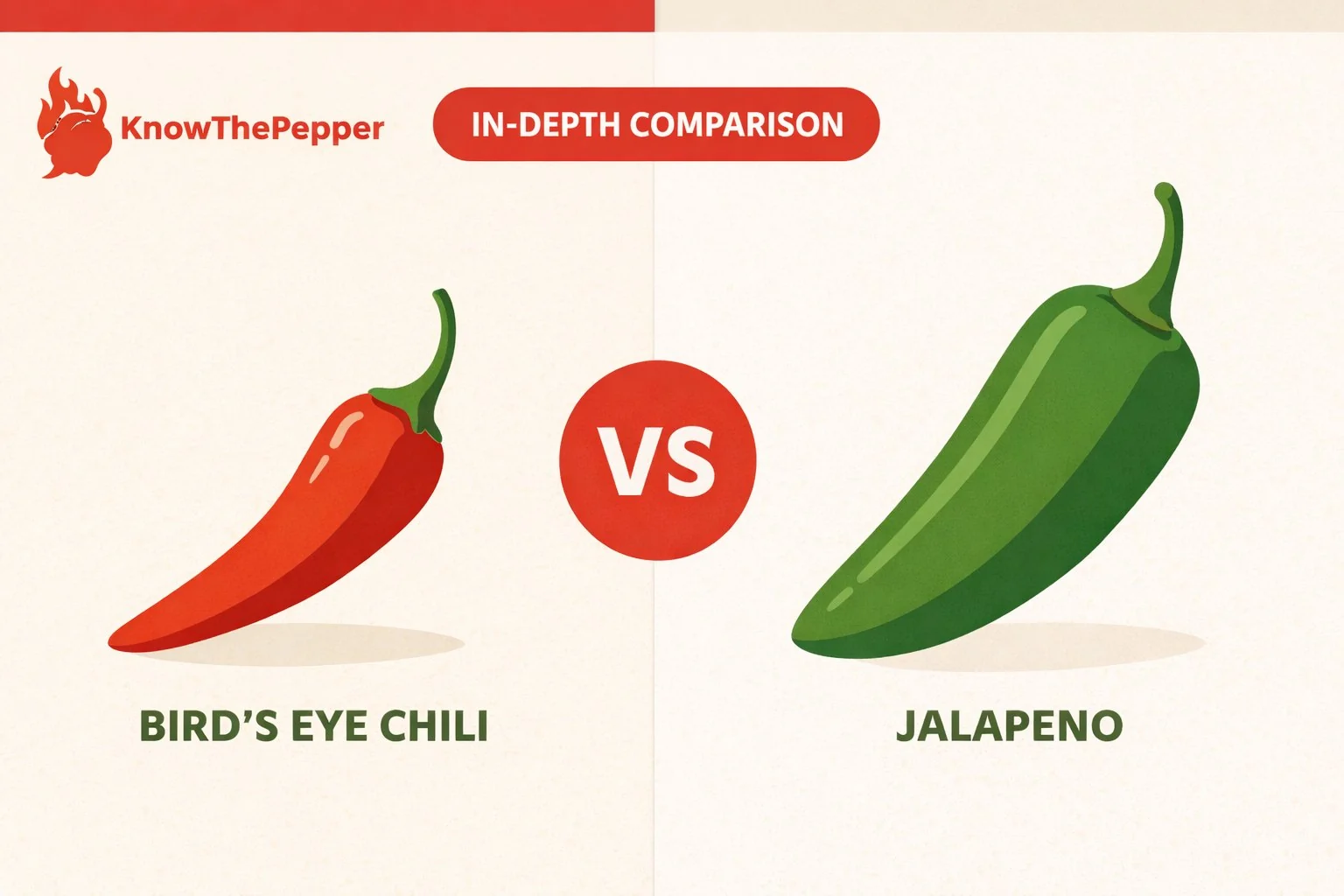
| vs Jalapeño | 13x hotter | 6x hotter |
| Flavor | sharp, peppery, bright heat | direct pepper heat with a mild earthy note; the dried powder is less aromatic than a fresh pod |
| Species | C. annuum | C. annuum |
| Origin | Mexico, Central America, or South America; now grown in South and Southeast Asia | Cayenne, French Guiana (namesake) |
How Much Hotter Is Bird's Eye Chili Than Cayenne?
Bird's eye chili is usually the hotter choice, with a reference range of 50,000-100,000 SHU compared with 30,000-50,000 SHU for cayenne. The University of Florida IFAS lists Thai pepper, also called bird's eye chili, in that higher range, while New Mexico State University's Chile Pepper Institute explains how SHU estimates capsaicinoid concentration.
The ranges touch at 50,000 SHU, so a mild bird's eye pod can resemble a strong cayenne in measured heat, while at their midpoints bird's eye is about 1.9 times hotter and deserves a smaller starting portion.
Peak-to-low comparisons widen the possible difference to about 3.3 times. That number is a boundary rather than a promise because cultivar, weather, maturity, drying, and storage all affect a specific pepper.
Form changes the experience even when SHU numbers overlap, as a fresh bird's eye pod releases heat with its juice and aroma while fine cayenne powder spreads through fat, liquid, or a dry coating to reach every bite.
The Chile Pepper Institute identifies the inner placental tissue as the main capsaicinoid site, so removing loose seeds does not remove most of the heat. Cutting a bird's eye pod exposes more of that tissue immediately, while whole pods release it more slowly.
Cayenne powder can seem slower because it needs moisture or fat to disperse, and once hydrated its small particles create an even, persistent warmth rather than the concentrated burst from a fresh chile ring.
For mixed heat tolerances, cayenne is easier to add in small measured increments. Bird's eye works better when the dish expects a few distinct pieces of chile and the cook can taste before adding another pod.
Handle both as hot peppers rather than assuming cayenne is mild, using gloves, clean utensils, and careful hand washing to reduce the chance of transferring capsaicin to the eyes or face.
Fresh And Dried Identity
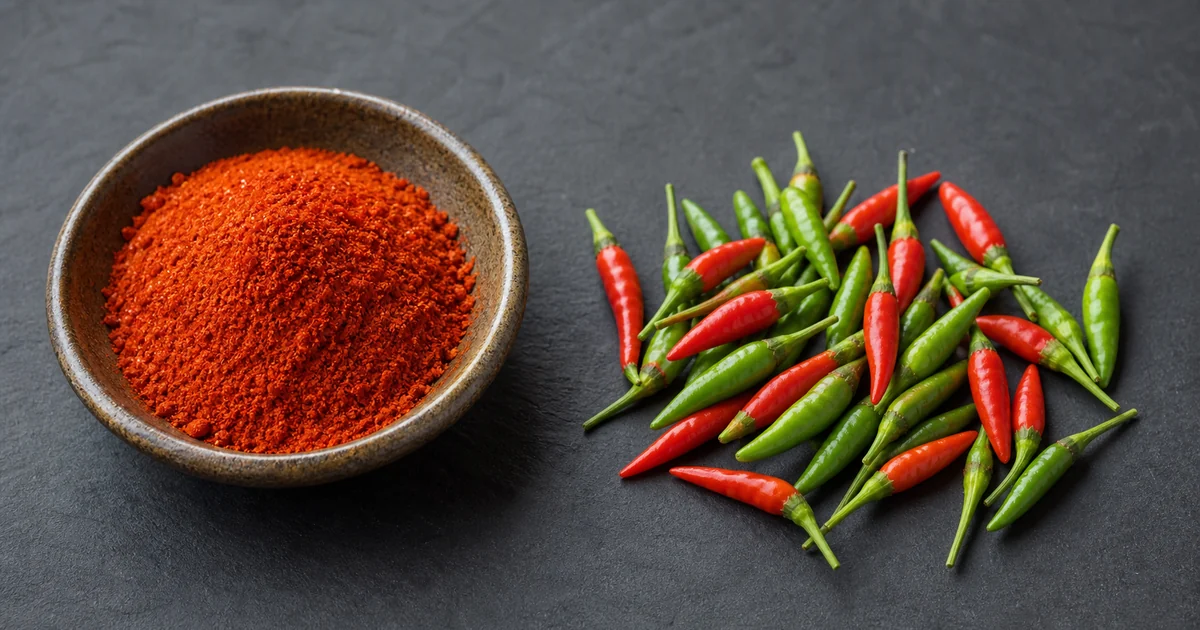
This comparison is also a question of fresh pod versus dried powder. Bird's eye is commonly sold as a tiny fresh green or red chile, while cayenne reaches many kitchens as a fine red powder even though fresh and whole dried cayenne pods also exist.
The Thai bird's eye type used here is Capsicum annuum, but UF IFAS notes that the common name can overlap with small Capsicum frutescens chiles, so a market label alone may not identify the exact botanical type.
A typical bird's eye pod is small, narrow, and tapered, often around an inch long. Its compact size makes pod count practical for a small sauce, but it makes equal-pod substitution with a much longer cayenne unreliable.
Fresh cayenne pods are long, slender, and usually red at maturity, while dried cayenne may be sold whole, crushed, or ground and each form behaves differently in a recipe.
Powder has no fresh wall texture and contributes no visible chile pieces. That makes it useful when a smooth sauce, seasoning blend, or dry rub needs heat without added moisture.
When a recipe simply says bird chile or red chile, check its cuisine and required form because a Thai dipping sauce usually expects fresh aroma while a Cajun spice blend expects dry, evenly dispersed cayenne.
How Do Bird's Eye Chili and Cayenne Taste Different?
Bird's eye brings a bright, green, peppery flavor alongside its heat, especially when sliced fresh. Its aroma is most noticeable in uncooked sauces and in dishes where the chile is added near the end.
Cayenne is comparatively neutral, earthy, and direct, which lets it strengthen a spice blend or sauce without replacing the main aroma of garlic, herbs, smoke, tomato, or vinegar.
Pailin Chongchitnant's Thai cooking guidance uses fresh Thai chiles with fish sauce, lime, garlic, and sugar because the chile is part of the condiment's aroma as well as its heat. Ground cayenne can supply burn in that mixture, but it cannot restore the crisp vegetal top note.
Drying bird's eye chiles reduces some fresh aroma and concentrates their flavor per gram, yet the dried pods retain a more identifiable chile character than the background role expected from most commercial cayenne powder.
Fresh cayenne is more flavorful than its powdered form, so the comparison changes when both peppers are fresh. Even then, cayenne's longer pod and lower typical heat make it easier to use as visible slices without turning every bite into a sharp spike.
Storage quality matters for both, so fresh bird's eye should feel firm and lack soft dark spots while cayenne powder should smell peppery rather than dusty and retain a strong red color.
Culinary Uses
Use bird's eye when fresh chile aroma helps define the dish. Thai dipping sauces, larb, green papaya salad, Vietnamese fish-sauce dressings, Indonesian sambal, and quick stir-fries all benefit from its small size and immediate heat.
Add thin slices late for the brightest flavor or pound whole pods with garlic and other paste ingredients for broader distribution, remembering that whole simmered pods extract heat more gently than finely chopped ones.
Use cayenne when the recipe needs dry, evenly distributed heat. It suits Cajun and Creole seasoning, barbecue rubs, buffalo-style sauce, bean dishes, soups, roasted vegetables, and chocolate recipes where visible chile pieces would be distracting.
Chef Paul Prudhomme's seasoning style demonstrates why cayenne works in layered dry mixtures, where it blends with paprika, black pepper, herbs, and salt to build heat without changing texture.
Both peppers can make chile oil, but the results are different. Dried bird's eye contributes visible pods and a more identifiable chile aroma, while cayenne powder creates a cloudier oil with direct heat and requires careful filtering if a clear finish matters.
Do not add fine cayenne powder to very hot dry oil because the particles can scorch quickly, so mix it with other dry ingredients, bloom it briefly over controlled heat, or stir it into a liquid sauce.
Fresh bird's eye is a poor direct replacement in a dry rub because it adds water and uneven pieces. Cayenne powder is a poor direct replacement in a raw garnish because it adds dusty texture instead of a crisp chile bite.
Can You Substitute Cayenne for Bird's Eye Chili?
Match the form and cooking job before the heat number because a replacement works only when it can enter the dish at the same stage and spread in roughly the same way.
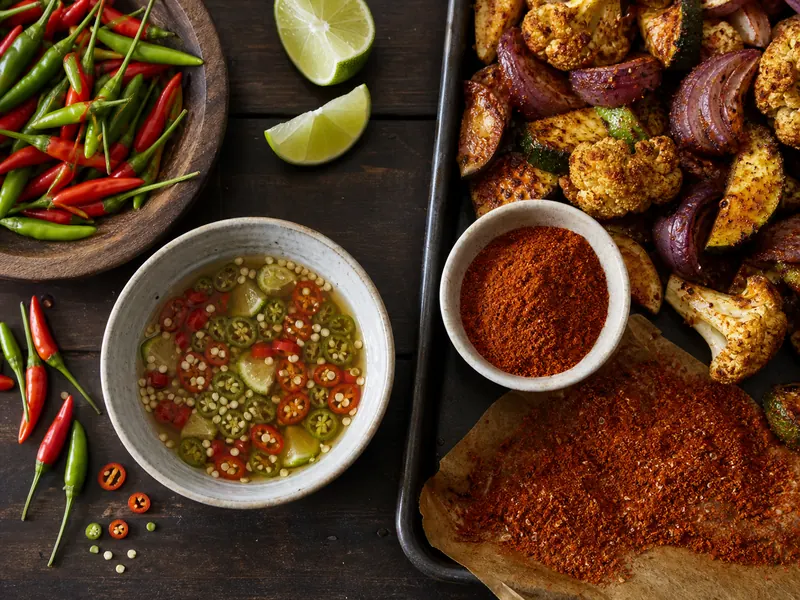
As a conservative starting point, use 1/8 teaspoon cayenne powder for one small fresh bird's eye chile in a dish serving four. Let the powder hydrate and spread, then taste before adding more because powder brands and individual pods vary.
| Original form | Replacement start | Main correction |
|---|---|---|
| 1 fresh bird's eye chile | 1/8 teaspoon cayenne powder | Add lime or fresh chile aroma separately |
| 1 teaspoon cayenne powder | 1 to 2 finely minced bird's eye chiles | Reduce other liquid slightly |
| Dried bird's eye by weight | Less cayenne powder by weight | Taste after full dispersion |
When bird's eye replaces cayenne powder, mince one pod very finely so a single serving does not receive it all, then cook the dish and add more only after the heat moves through the liquid or fat.
A fresh-to-powder swap changes more than heat. Lime zest, fresh herbs, or a small amount of fresh mild chile can restore brightness, but those additions should already fit the dish rather than being used automatically.
For a dry rub, choose another dry chile before fresh bird's eye, while for a raw Southeast Asian condiment choose another fresh small hot chile before cayenne powder.
Never use midpoint math as the final dose. It prevents a reckless one-for-one start, but tasting after the replacement disperses is what protects the finished dish.
Shopping And Storage
Buy bird's eye chiles that are firm, glossy, and free of leaking or collapsed areas, choosing green pods for a more vegetal taste or fully red pods for a riper aroma and potentially stronger heat within the natural range.
Refrigerate fresh pods dry in a breathable or loosely closed container and inspect them regularly. Freeze extras whole for cooked dishes, knowing that thawed pods soften and no longer provide the same crisp raw garnish.
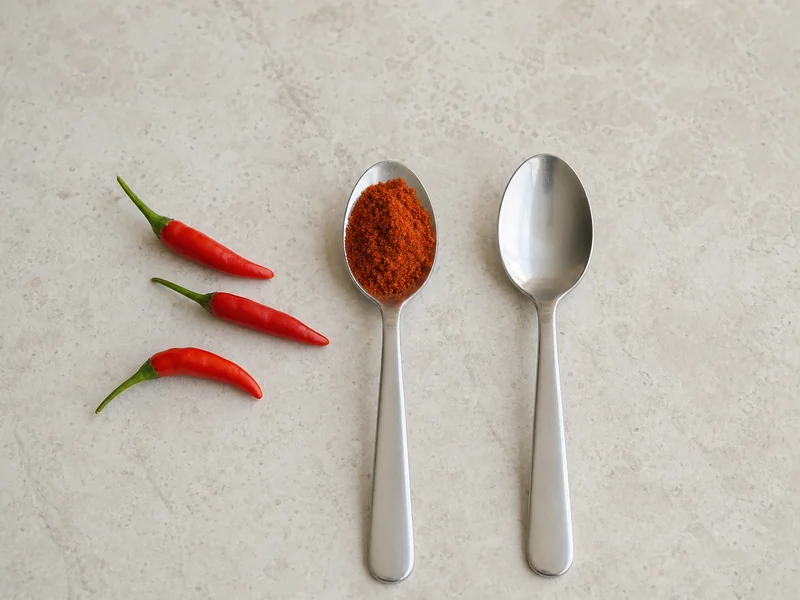
Choose cayenne powder with a clear ingredient list and a recent best-by date from a busy shop, using vivid brick-red color and a clean pepper aroma as better quality signs than an unsupported extra-hot claim.
Store ground cayenne airtight in a cool, dark cabinet away from the stove. Heat, light, air, and repeated moisture exposure flatten aroma and color even when the powder remains safe to use.
Whole dried cayenne and dried bird's eye usually retain aroma longer than powder because less surface area is exposed, so grind only what you need when fuller chile character matters.
Capsaicin residue remains active on knives, boards, and blender lids. Wash equipment with dish detergent rather than a quick water rinse, and avoid leaning over a blender or pan when hot chile vapor may rise.
Keep fresh pods, dried chiles, and ground cayenne out of reach of children and pets, and label homemade chile oil clearly. Poison Control recommends rinsing an exposed eye with room-temperature water for 15-20 minutes and seeking guidance if pain, redness, or vision problems continue.
Which Should You Use, Bird's Eye Chili or Cayenne?
Pick bird's eye for fresh Southeast Asian heat and cayenne for dry pantry heat. That decision reflects flavor, texture, and cooking method rather than SHU alone.
Bird's eye is the better choice for raw sauces, chile pastes, soups, and stir-fries where the small fresh pod should remain recognizable, with its higher typical heat allowing a few pods to season a full dish.
Cayenne is the better choice for rubs, spice blends, smooth sauces, and recipes that need repeatable spoon measurements. Its relatively neutral flavor lets the rest of the seasoning remain in charge.
When neither exact pepper is available, match fresh with fresh or dry with dry first, then begin below the expected heat and increase after tasting.
Bird's Eye Chili vs Cayenne Pepper FAQ
- UF/IFAS Gardening Solutions - Peppers Ranked by Heat
- UF/IFAS EDIS - Common Pepper Varieties in Florida
- USDA FoodData Central - Ground Cayenne Pepper