
Sriracha vs Tabasco: Garlicky Sauce That Coats, Vinegar Drops That Sharpen
Choose sriracha when food needs a smooth, clingy sauce with chile, garlic, and sweetness. Choose TABASCO Original Red when a few thin drops should add sharper pepper heat and vinegar without extra sugar or body.

Sriracha
Smooth sweet-garlic sauceTabasco Pepper
Thin aged pepper sauce- Texture: Thick enough to cling and squeeze in a ribbon vs Watery and fast-flowing through a narrow dropper
- Core flavor: Red chile with garlic, sugar, salt, and acid vs Aged red pepper, distilled vinegar, and salt
- Published heat: Huy Fong does not publish a current official SHU range vs 2,500 to 5,000 SHU from TABASCO
Sriracha vs Tabasco Pepper at a glance
| Attribute | Sriracha | Tabasco Pepper |
|---|---|---|
| Best default choice | Smooth, sweet-garlic chile sauce for coating and mixing | Thin, vinegar-forward pepper sauce for sharp measured dashes |
| Texture | Thick enough to cling and squeeze in a ribbon | Watery and fast-flowing through a narrow dropper |
| Core flavor | Red chile with garlic, sugar, salt, and acid | Aged red pepper, distilled vinegar, and salt |
| Published heat | Huy Fong does not publish a current official SHU range | 2,500 to 5,000 SHU from TABASCO |
| Best at the table | Noodles, eggs, sandwiches, rice bowls, and creamy dips | Oysters, eggs, soup, Bloody Marys, and food needing a bright acidic dash |
| Cooking risk | Sugar can brown or scorch on high heat | Extra vinegar can make a delicate sauce too sharp |
| Direct swap risk | Adds sweetness, garlic, color, and body | Removes body and adds more vinegar impact per spoonful |
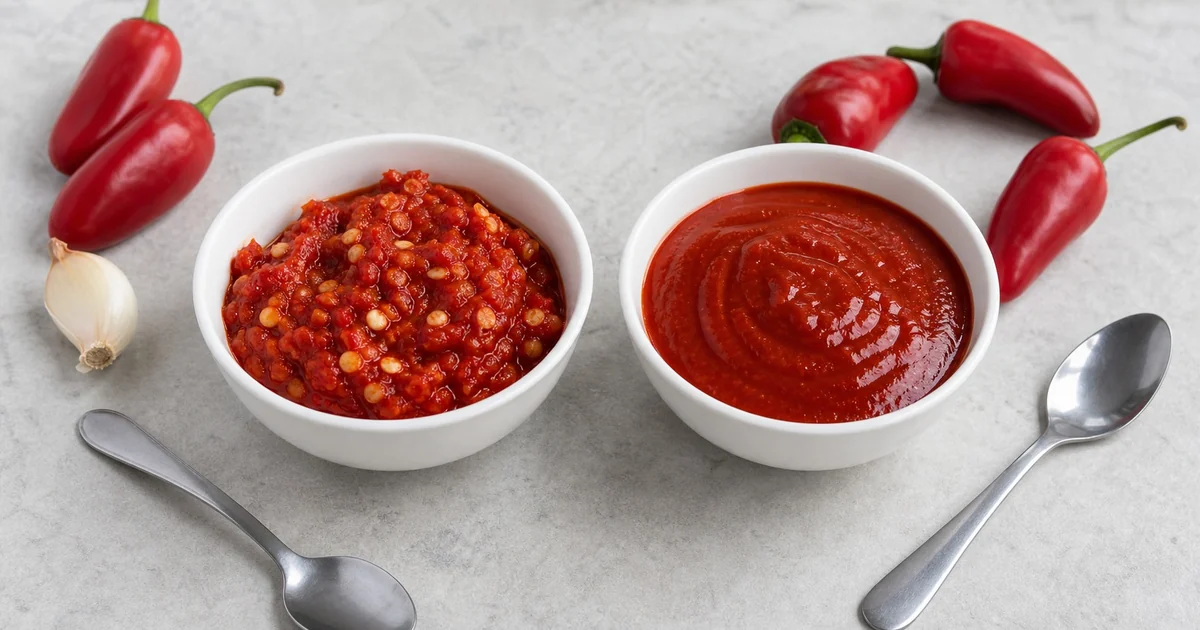
Sriracha and Tabasco Pepper side by side
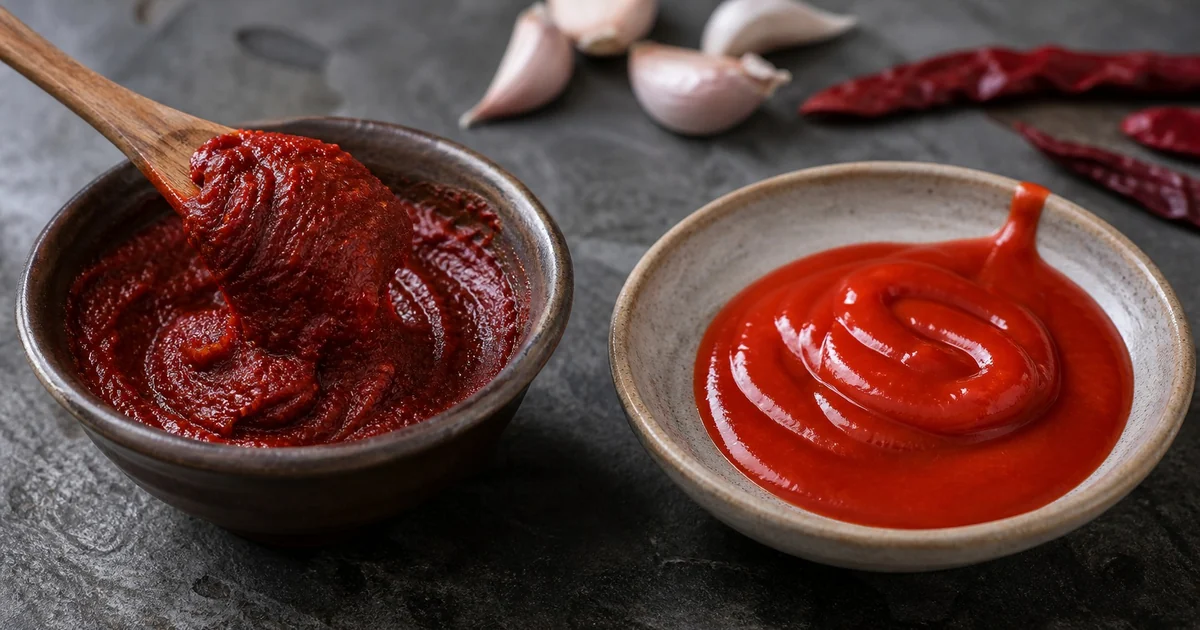
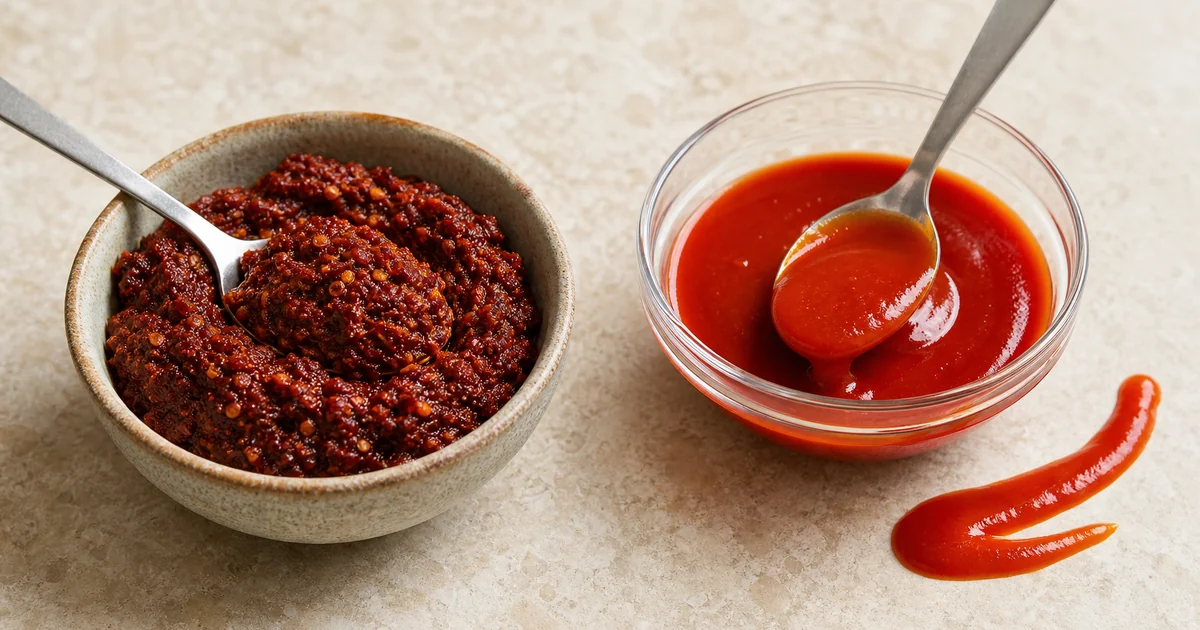
Sriracha coats food and spreads evenly through mayonnaise, glaze, noodles, and rice because pureed chile and thickeners give it body.
TABASCO Original Red delivers pepper, salt, and distilled vinegar in a thin sauce designed for small dashes rather than broad coverage.
Which Sriracha and Which Tabasco?
This comparison uses Huy Fong-style sriracha and TABASCO Original Red.
TABASCO also makes a product called TABASCO Sriracha Sauce, so a label that says both names belongs to the sriracha category and is not the thin three-ingredient sauce discussed here.
Huy Fong describes its sriracha as sun-ripened chiles pureed into a smooth paste and packaged in a squeeze bottle. Its product specification lists chile, sugar, salt, garlic, distilled vinegar, preservatives, and xanthan gum.
McIlhenny Company lists only distilled vinegar, red pepper, and salt for TABASCO Original Red. The shorter formula makes the vinegar and aged-pepper character much more exposed.
Check the full product name before comparing heat or making a swap. Green jalapeno, chipotle, cayenne garlic, buffalo-style, and TABASCO-brand sriracha sauces all behave differently from Original Red.
How Does the Bottle Change the Dose?
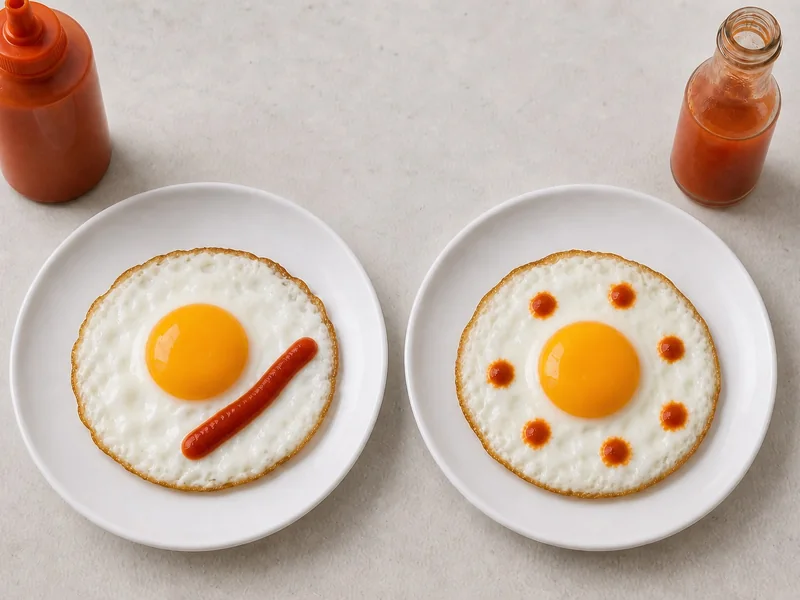
The opening changes how much sauce reaches the food before flavor enters the decision. A sriracha squeeze tip lays down a continuous ribbon, while a TABASCO Original Red bottle releases narrow drops and small splashes.
That difference makes equal-looking applications misleading. A zigzag of sriracha may contain far more sauce volume than six drops of TABASCO, even when the red marks occupy a similar area on the plate.
Measure when the sauce enters a recipe
Use a measuring spoon for marinades, dressings, glazes, and batch cooking. Counting drops is useful only when the same bottle and opening are used every time, because bottle inserts and pouring angles change the dose.
For table seasoning, add TABASCO in two or three drops, toss or stir, and taste. Add sriracha in a short ribbon, then spread it through the food before deciding whether the heat is low.
Coverage changes the eating experience
Sriracha stays where it is squeezed and gives a fuller sauce bite. TABASCO runs into cracks, broth, egg whites, and porous fried crust, so its acid and heat distribute quickly without leaving much visible body.
Choose the delivery pattern the food needs. A sandwich benefits from cling, while an oyster or bowl of soup benefits from a small liquid dose that disperses immediately.
Is Sriracha Hotter Than Tabasco?
TABASCO publishes a 2,500 to 5,000 SHU range for Original Red. Huy Fong does not publish a current official SHU number on its product page, so an exact brand-to-brand heat ratio would be unsupported.
Original Red often tastes sharper because the formula exposes pepper and vinegar without sugar or a thick puree to spread the sensation. Sriracha can feel rounder because garlic, sweetness, and sauce body share the palate.
Heat perception also changes with dose. A tablespoon of sriracha spread across noodles may deliver more total chile sauce than several drops of TABASCO, even if the latter tastes hotter at the first point of contact.
Run a controlled kitchen comparison
Mix one quarter teaspoon of each sauce into separate tablespoons of plain mayonnaise, yogurt, rice, or unsalted broth. Equal dilution shows how vinegar, sweetness, garlic, and texture change the impression of heat without turning tasting into a challenge.
Wait briefly between samples and use the same neutral base.
Direct tastes from different bottle openings compare delivery as much as sauce strength.
Do not use the pepper species alone to predict the finished sauce. TABASCO ages pepper mash and blends it with vinegar, while sriracha formulas add ingredients that change concentration and perception.
When Should You Use Sriracha or Tabasco?
Sriracha wins when the sauce needs to coat, bind, or become part of a creamy mixture.
TABASCO wins when a few drops should sharpen food without adding sweetness or thickness.
| Food or task | Choose sriracha when | Choose TABASCO Original Red when |
|---|---|---|
| Eggs | You want a visible garlicky ribbon across the surface | You want small acidic sparks through the egg |
| Pho or clear soup | You accept added body, garlic, and sweetness | You want heat and vinegar with little texture |
| Spicy mayonnaise | You need the sauce to blend without thinning the emulsion much | You want a looser, tangier mayonnaise and can dose by drops |
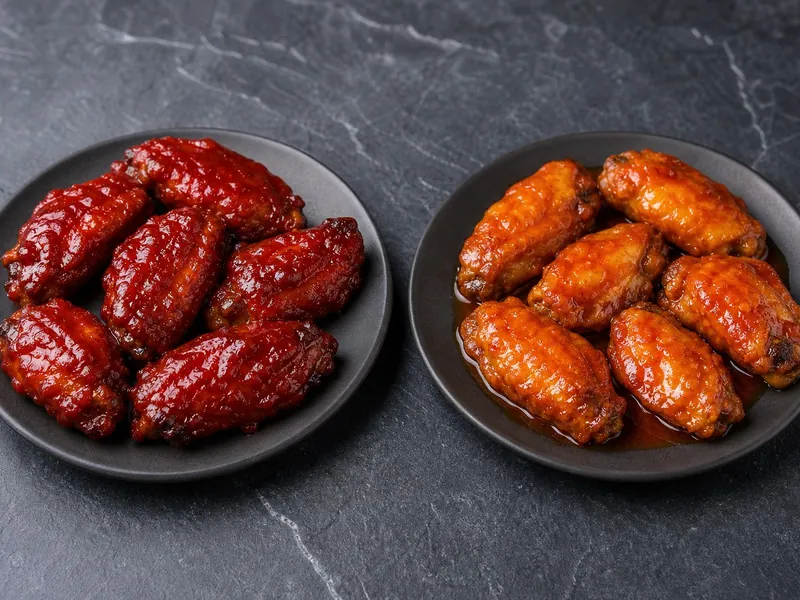
| Wings | You want a sticky sweet-garlic glaze | You are building a butter-based sharp pepper sauce |
| Bloody Mary | You want thicker chile body and garlic | You want classic liquid heat that disperses quickly |
| Fried rice | You want a finishing sauce or sweet-garlic coating | You want acidity and heat without more sugar |
For noodles, dumplings, and sandwiches
Sriracha mixes cleanly into peanut sauce, mayonnaise, and dipping sauce, then clings to noodles and bread. Its built-in garlic and sugar become part of the seasoning, so reduce other sweeteners only after tasting.
TABASCO works better as a small correction in a prepared dip than as the main body of the dip. Too much liquid can thin mayonnaise or make a soy-vinegar dipping sauce taste dominated by acid.
For seafood and broth
A few TABASCO drops can brighten oysters, chowder, gumbo, or clear soup without coating the surface. Sriracha suits fried seafood or a creamy seafood sauce where cling and garlic help.
The choice changes the dish, even when both supply red-pepper heat. Use the existing salt, acid, sweetness, and texture as the deciding context.
How Does Cooking Change Each Sauce?
Sriracha carries sugar and garlic, so a thin smear can brown quickly on a hot pan, grill, or broiler. Add it late, dilute it inside a wetter sauce, or watch a glaze closely so the surface does not become bitter.
TABASCO Original Red contains no sugar according to the manufacturer ingredient list. Its vinegar aroma can soften during cooking, but the sauce still adds acid and salt to the reduced dish.
In a stir-fry
Add sriracha after the main ingredients are nearly cooked and enough liquid is present to spread it. This keeps the garlic note brighter and lowers the chance that sugar catches on the pan.
TABASCO can enter a wet stir-fry sauce earlier, but the cook should taste after reduction. Evaporation concentrates salt and changes the balance between pepper and acid.
In a glaze or marinade
Sriracha supplies both flavor and coating power, which helps a glaze stay on chicken, tofu, or vegetables. The recipe may need less honey, brown sugar, or another thick sweet sauce.
TABASCO seasons a marinade without supplying body. Pair it with an ingredient already suited to the dish, such as oil, mustard, tomato, yogurt, or a measured sweetener, rather than increasing TABASCO until the volume matches sriracha.
Can You Substitute Tabasco for Sriracha?
Do not replace a tablespoon of sriracha with a tablespoon of TABASCO Original Red. The dish would lose chile puree and garlic while receiving a much larger vinegar dose.
When TABASCO replaces sriracha
For each tablespoon of missing sriracha, start with one teaspoon TABASCO. If the recipe needs the original body, add two teaspoons of a compatible thick base such as ketchup, red pepper puree, mayonnaise, or tomato paste diluted to sauce consistency.
Add garlic and sweetness only when they belong in the dish.
A soup may need no thick base at all, while burger sauce can accept ketchup and garlic powder.
When sriracha replaces TABASCO
Start with the same small measured amount of sriracha as the TABASCO called for, then taste. The result will be thicker, sweeter, and more garlicky, so add acid separately only if the dish remains flat.
A recipe that asks for a few drops of TABASCO does not convert neatly to a squeeze. Put sriracha on a spoon, measure a small amount, and mix it through rather than judging by the length of the ribbon.
Hold the final seasoning
Both sauces contribute salt, while sriracha also changes sugar and garlic. Finish the swap before adjusting salt, vinegar, citrus, honey, or other hot sauce in the recipe.
These are controlled starting points, not universal heat conversions.
Brand formulas, serving sizes, and the food carrying the sauce all change the final result.
Where Do Sriracha and Tabasco Come From?
Sriracha is a sauce style named for Si Racha in Thailand, although Huy Fong's California-made version became the familiar reference in many United States kitchens. Modern brands vary in sweetness, garlic, texture, and pepper choice.
TABASCO Original Red traces to McIlhenny Company's recipe on Avery Island, Louisiana, first made in 1868. The company says its pepper mash ages in white oak barrels for up to three years before the sauce is finished with distilled vinegar.
That history explains why the products solve different jobs. Sriracha behaves like a seasoned chile sauce that can coat food, while Original Red behaves like a concentrated table pepper sauce applied in dashes.
Neither tradition makes one bottle universally better. The useful question is whether the dish needs body and sweet garlic flavor or a thin, sharp pepper-and-vinegar correction.
Do Sriracha and Tabasco Need Refrigeration?
Use the current bottle label for ingredients, allergens, and storage. Sriracha formulas vary by brand, and TABASCO sells several sauces whose names and compositions differ from Original Red.
Huy Fong's product specification permits storage in a cool, dry place and says refrigeration is allowed. Another sriracha brand may print a different direction, so its package controls.
McIlhenny Company emphasizes the simple Original Red ingredient list, but the same brand's flavored sauces contain other ingredients. A gluten-free or allergen statement for Original Red does not automatically describe every bottle carrying the TABASCO name.
Keep caps and bottle openings clean because dried sauce can block the intended dose.
Discard any bottle with mold, gas, a swollen package, leakage, or an odor that is abnormal for that product.
Sriracha vs Tabasco Pepper
Reach for Sriracha when you want Smooth, sweet-garlic chile sauce for coating and mixing.
Reach for Tabasco Pepper when you want Thin, vinegar-forward pepper sauce for sharp measured dashes.
Sriracha vs Tabasco Pepper FAQ
- TABASCO Brand: Original Red Sauce ingredients, heat, and process
- Huy Fong Foods
- Huy Fong Foods: Sriracha Hot Chili Sauce Product Information
- Huy Fong Foods: Manufacturing Tour Brochure
- TABASCO Brand: Sriracha Sauce product page
-
Sourcing note: grower and seed-catalogue documentation only No university, government or research body publishes data on this cultivar. The figures on this page come from grower reports and seed-catalogue listings, which are the only documentation that exists for it.