

KnowThePepper
Fushimi Pepper: Sweet Japanese Frying Type (0 SHU)
Fushimi is a long Japanese frying pepper with 0 SHU in most harvests, so the value is sweetness and texture, not burn. We use it for quick sautees and blistered pan cooking where thin walls are an advantage.
- Species: C. annuum
- Heat tier: Mild (0-999 SHU)
What Makes Fushimi Pepper Different?
Fushimi peppers belong to the sweet pepper category - no capsaicin, no burn, just clean vegetable flavor with a subtle grassy note that develops into something almost buttery when heat hits the skin.
Originating in Kyoto, Japan, the Fushimi is a classic example of Japanese frying peppers, long, slender, and thin-walled, designed to cook fast and absorb surrounding flavors. The Capsicum annuum as a pepper species includes everything from bells to cayennes, but Fushimi sits at the gentlest end of that spectrum.
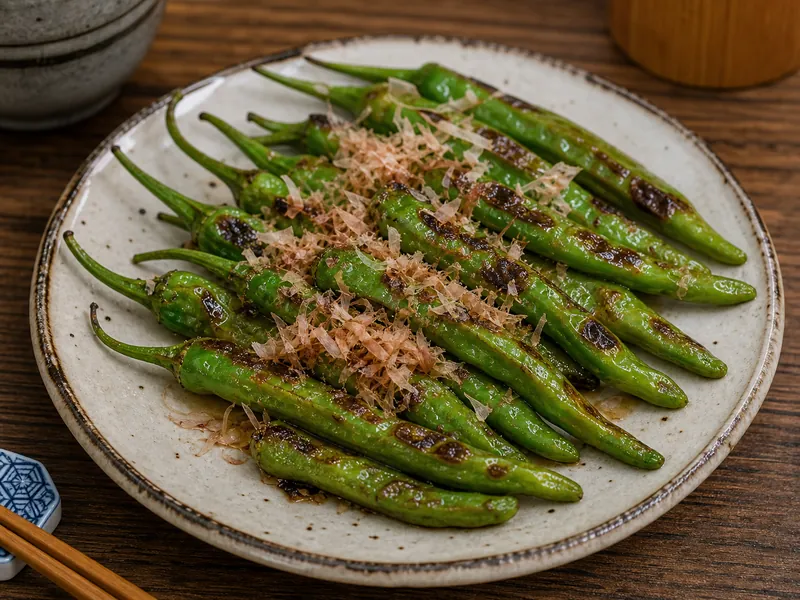
Raw, the flavor is mild and slightly vegetal. Blister them in a cast-iron pan with a little sesame oil and soy sauce, and something transforms, the skin chars at the edges, the flesh softens, and the sweetness concentrates.
That transformation is the whole point.
The pepper measures 0 SHU on the Scoville scale, putting it alongside crisp, thick-walled sweet varieties in terms of heat. But where bells are blocky and crunchy, Fushimi is elegant and delicate, closer in spirit to the heatless, habanero-shaped pepper bred for flavor without fire.
At 4-5 inches long and roughly half an inch wide, the thin walls mean you can eat them whole, seeds, skin, and all, after a quick sear. That's the traditional Kyoto approach, and it's hard to argue with.
What Is the Origin of Fushimi Pepper?
Fushimi peppers take their name from the Fushimi district of Kyoto, where they have been cultivated for centuries as part of the city's distinctive vegetable tradition. Kyoto's cuisine, known as Kyo-ryori, emphasizes seasonal vegetables with restrained flavors, and Fushimi fits that philosophy precisely.
These peppers are listed among Kyo-yasai, the traditional Kyoto vegetables recognized by the Kyoto Prefecture as heritage produce. The designation protects and promotes vegetables with documented cultivation histories in the region, and Fushimi has been on that list for good reason.
The pepper likely arrived in Japan through trade routes during the Edo period, when Japanese pepper cultivation developed its own distinct character, favoring mild, flexible varieties suited to the country's delicate flavor sensibilities. Today, Fushimi remains a summer staple at Kyoto markets and izakayas alike.
How Hot Is Fushimi Pepper? Heat and Flavor
The Fushimi Pepper delivers 0 Scoville Heat Units, placing it in the Mild tier (0-999 SHU).
What's in Fushimi Pepper? Nutrition Facts
As a sweet, thin-walled pepper with 0 SHU, Fushimi is low in calories and a reasonable source of vitamin C - typical for C. annuum varieties at the mild end of the spectrum. A 100g serving delivers roughly 20-30 calories, minimal fat, and moderate amounts of vitamin A and potassium.
The thin walls mean lower water content per gram compared to the thick-fleshed, nutrient-dense purple-skinned sweet pepper varieties, but Fushimi compensates with how easily it's eaten in quantity, a whole pan of blistered peppers disappears fast.
Antioxidant content, including capsanthin and lutein, is present even without capsaicin.
Which Dishes Suit Fushimi Pepper?
The traditional preparation is almost aggressively simple: blister whole Fushimi peppers in a hot skillet with oil, finish with soy sauce and bonito flakes, and serve immediately. The thin skin chars fast, two to three minutes per side over high heat is enough.
Because the walls are so thin, there is no need to peel or deseed. If you want cleaner presentation, the deseed peppers applies here, but most cooks skip it entirely.
The seeds are barely noticeable.
Fushimi peppers take well to tempura batter, the delicate sweetness holds its own against the crispy coating. They also work stuffed with seasoned tofu or miso paste, baked until the skin just starts to collapse.
In Western kitchens, treat them like shishito peppers (a close relative) or like a more refined version of the thick, mild sweet varieties used in roasting. They fit anywhere you want pepper flavor without heat, grain bowls, pasta, grilled fish accompaniments.
For anyone familiar with the blocky, heatless California Wonder-style sweet peppers in stuffed pepper recipes, Fushimi offers a faster-cooking, more delicate alternative worth trying at least once.
Blistering, start to finish
- Leave the peppers whole. The walls are thin enough that peeling and deseeding are wasted steps.
- Get the skillet hot before the peppers go in, with a little oil.
- Blister two to three minutes per side over high heat, until the skin chars at the edges.
- Finish with soy sauce and bonito flakes, and serve straight away.
How Do You Buy and Store Fushimi Pepper?
Fresh Fushimi peppers appear at Japanese grocery stores and farmers markets during summer and early fall. Look for firm, unblemished skin with a pale to medium green color, slight yellowing at the tip is fine.
Soft spots are not.
Refrigerate unwashed in a paper bag or loosely wrapped in a cloth inside the crisper drawer. They hold well for 5-7 days this way.
Washing before storage accelerates softening.
Fushimi doesn't freeze particularly well raw, the thin walls turn mushy. If you have a surplus, blister the whole batch, cool, and refrigerate for up to three days.
They reheat quickly in a dry pan.
Dried form: This is not a drying pepper, and the reason is the same thing that makes it good in a skillet.
The walls are thin and the flesh is sweet and watery, built to cook fast and take on the flavours around it. Air drying thin sweet flesh tends to spoil it before it dehydrates, and there is no concentrated flavour waiting at the end to justify the attempt.
Raw freezing fails for the same reason.
The thin walls turn to mush on thawing, and a mushy Fushimi has lost the one texture it was grown for.
Blistering is the preservation step that does work on a surplus. Char the whole batch, cool it, and refrigerate for up to three days.
They reheat in a dry pan in under a minute.
For anything shorter, refrigerate unwashed in a paper bag or a loose cloth wrap, where they hold five to seven days.
What Can You Use Instead of Fushimi Pepper?
No dedicated substitute guidance is published for Fushimi Pepper yet.
How Do You Start and Grow Fushimi Peppers?
Fushimi peppers follow the same general timeline as most C. annuum varieties, start seeds indoors 8-10 weeks before the last frost date, transplant after soil temperatures reach 60°F (15°C), and expect fruit in roughly 70-80 days from transplant.
The plants stay compact, typically 18-24 inches tall, which makes them manageable in containers or raised beds. Full sun is non-negotiable, six or more hours daily drives fruit production.
One thing worth noting: Fushimi is productive. A single plant can set dozens of fruits in a good season, especially if you harvest regularly.
Leaving ripe fruit on the plant signals it to slow down.
Pick frequently to keep production moving.
Compared to the slightly larger mild Italian-style peppers, Fushimi plants are tidier and easier to stake. Soil should drain well, waterlogged roots are the fastest way to lose a pepper plant.
For a complete walkthrough from seed to harvest, the indoor seed starting for peppers covers the fundamentals. Fushimi responds well to consistent moisture during fruit set, but backs off watering slightly once peppers reach full size to concentrate flavor.
Fushimi Pepper FAQ


- Capsicum annuum L. - USDA GRIN Taxonomy
- Kitazawa Seed Company
Species classification: C. annuum - based on published botanical taxonomy.