

KnowThePepper
Tangerine Dream Pepper: Orange, 0–100 SHU, and Almost Jammy When Roasted
The Tangerine Dream pepper is a C. annuum variety from the USA with virtually no heat (0-100 SHU) and a vivid orange color that makes it a standout in the kitchen. Belonging to the sweet pepper classification, it delivers bright, fruity sweetness without any burn, ideal for raw preparations, roasting, and anywhere color matters as much as flavor.
- Species: C. annuum
- Heat tier: Mild (0-999 SHU)
What Is Tangerine Dream Pepper?
At 0-100 SHU, the Tangerine Dream sits at the absolute floor of the American chile tradition - a pepper where heat is essentially a non-factor and everything rides on color, texture, and sweetness.
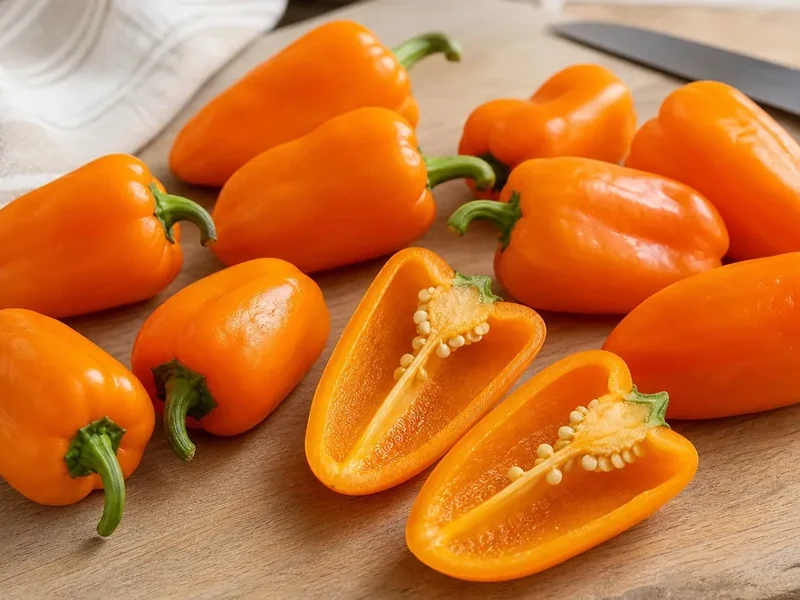
The fruit's deep orange skin is its calling card. Raw, it offers a crisp bite with a clean, mildly sweet flavor that works beautifully in salads, crudités platters, and fresh salsas.
Roasted, the sugars concentrate into something almost jammy, rich and soft with none of the sharpness you'd get from a hotter variety.
As a the Capsicum annuum pepper group cultivar, it shares botanical lineage with bell peppers, sweet Italian types, and paprika varieties. The flavor profile leans fruity and mild, making it approachable for all palates, including kids and anyone heat-sensitive.
Its vivid orange color holds well through cooking, which is why it shows up frequently in stir-fries, stuffed pepper recipes, and roasted vegetable trays where visual contrast matters. The thick-walled flesh also makes it a practical choice for stuffing, it holds its shape in the oven without collapsing.
Compared to something like the nearly-zero-heat ornamental style of Chilly Chili's kitchen-friendly applications, Tangerine Dream leans more toward cooking utility over decoration, though it certainly does both.
Where Did Tangerine Dream Pepper Originate?
The Tangerine Dream was developed in the United States as part of a broader mid-20th to early 21st century push to breed sweet pepper varieties with distinctive colors beyond the standard red and green.
American seed breeders, both commercial operations and university extension programs, spent decades selecting for thick-walled, colorful, heat-free peppers that would perform well in home gardens and commercial production alike. Tangerine Dream fits squarely in that tradition.
While its exact breeding lineage isn't publicly documented, it belongs to the same heritage as other ornamental-and-cooking mild C. annuum varieties that became popular through seed catalogs and farmers markets. The pepper's orange coloration comes from beta-carotene accumulation in the fruit wall, a trait selectively bred for visual appeal as much as flavor.
What Does Tangerine Dream Pepper Taste Like, and How Hot Is It?
The Tangerine Dream Pepper delivers 0–100 Scoville Heat Units, placing it in the Mild tier (0-999 SHU).
How Nutritious Is Tangerine Dream Pepper?
Orange sweet peppers like Tangerine Dream are nutritionally dense relative to their calorie count. A 100g serving provides roughly 30-40 calories, with significant vitamin C content, often exceeding 150% of the daily recommended value at full ripeness.
The orange color signals high beta-carotene levels, which the body converts to vitamin A. This makes Tangerine Dream more nutritionally valuable than green bell peppers at an equivalent serving size.
Other nutrients include vitamin B6, folate, and potassium. The fiber content is modest but useful, and the natural sugars responsible for the sweet flavor are balanced by low overall carbohydrate content, typically 6-7g per 100g serving.
How Do You Cook With Tangerine Dream Pepper?
The kitchen is really where Tangerine Dream earns its name. Raw slices bring a clean sweetness to grain bowls and salads, the orange color pops against greens in a way that red or yellow peppers sometimes don't.
For stuffed peppers, the thick walls are genuinely useful. Fill them with rice and cheese, ground meat, or a vegetarian grain mixture and they'll hold structure through 375-400°F oven time without turning to mush.
The practical step of deseeding peppers is especially easy here given the spacious cavity.
Roasting at high heat transforms the flavor considerably. The natural sugars caramelize, producing a softer, slightly smoky sweetness that pairs well with goat cheese, balsamic, or fresh herbs.
This roasted version works on flatbreads, in pasta, or as a bruschetta topping.
For stir-fry applications, particularly peppers in Chinese cooking - the orange color holds through high-heat cooking better than many green varieties, making it both functional and visually appealing in wok dishes.
Think of it alongside other near-zero-heat varieties: the Italian-origin sweet frying style offers a similar no-heat profile, while Gypsy Pepper brings different texture to the comparison.
How Do You Keep Tangerine Dream Pepper Fresh?
Look for Tangerine Dream peppers with firm, glossy skin and no soft spots or wrinkling. The color should be deep, uniform orange, pale or greenish patches indicate the pepper was harvested before peak ripeness and the flavor will reflect that.
At home, store unwashed in the refrigerator crisper drawer where they'll keep for 1-2 weeks. Avoid sealing them in airtight bags without ventilation, some airflow prevents moisture buildup.
For longer storage, roast and freeze: halved, seeded, and roasted peppers freeze well for 4-6 months and are ready to drop straight into sauces, soups, or pasta without thawing.
What Is a Good Substitute for Tangerine Dream Pepper?
No dedicated substitute guidance is published for Tangerine Dream Pepper yet.
What Does Tangerine Dream Pepper Need to Grow Well?
Tangerine Dream follows standard C. annuum growing protocols. Start seeds indoors 8-10 weeks before last frost, soil temperature should be 75-85°F for reliable germination, which typically takes 10-14 days.
Transplant outdoors after all frost risk has passed, spacing plants 18-24 inches apart in full sun. These plants want at least 6-8 hours of direct light daily.
Less than that and fruit production drops noticeably.
Fruits start green and transition through yellow to orange as they ripen. For peak sweetness and that characteristic tangerine color, leave them on the plant until fully orange, this usually adds 2-3 weeks beyond the green stage.
Consistent moisture matters more than heavy fertilization. Deep watering 2-3 times per week during dry spells beats frequent shallow watering.
Calcium deficiency can cause blossom end rot, so a balanced fertilizer with micronutrients helps.
For those interested in Shishito Pepper, Tangerine Dream's thicker walls mean slightly longer time to full maturity but better structural integrity for stuffing applications.
Container growing works fine in 5-gallon pots or larger, useful for gardeners without dedicated beds.
Tangerine Dream Pepper FAQ


- Chile Pepper Institute - New Mexico State University
- Capsicum - USDA GRIN Taxonomy
- Peppers - UC Small and Organic Farm Advisor, UC ANR
Species classification: C. annuum - based on published botanical taxonomy.