

KnowThePepper
Chilly Chili Pepper: Mild Color for Pots (1-1,000 SHU)
Nearly heatless at 1-1,000 SHU, Chilly Chili is a compact ornamental bred for color-heavy container displays. We use it when we want four-stage pod color on one plant without adding real heat to food.
- Species: C. annuum
- Heat tier: Medium (1K-10K SHU)
What Kind of Pepper Is Chilly Chili Pepper?
The Chilly Chili pepper occupies a rare space in the C. annuum world: it looks like a fiery ornamental but delivers almost zero heat. Developed specifically as a non-pungent ornamental, it was bred to be safe around children and pets who might be attracted to its bright, candy-colored fruits.
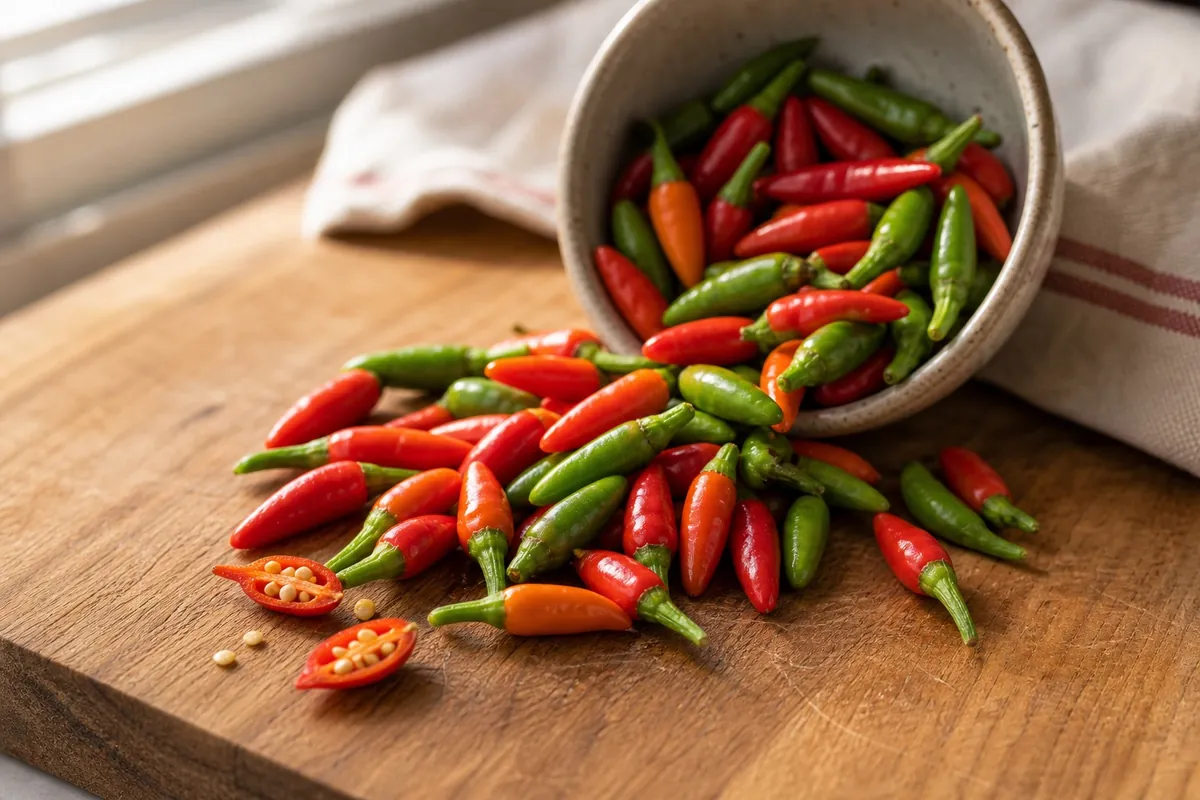
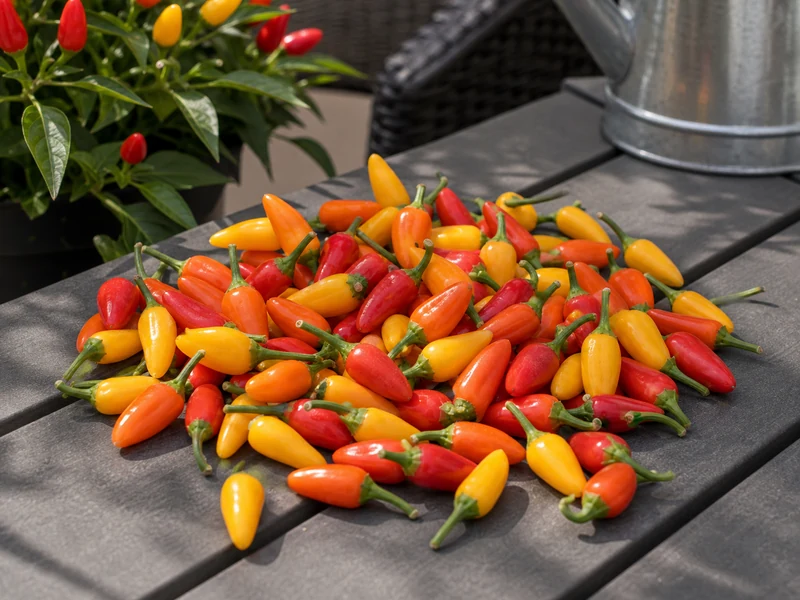
Fruits emerge green, then transition through yellow and orange before reaching a vivid red at full maturity, all stages often visible on the same plant simultaneously. That multicolor display is the primary appeal.
At 1-1,000 SHU, this pepper sits well below even the Banana Pepper, making it essentially tasteless in terms of heat.
As part of the broader American pepper culture, the Chilly Chili represents a modern, intentional breeding direction, prioritizing visual impact and safety over cooking heat. The compact plant habit, typically under 12 inches tall, makes it ideal for containers, borders, and indoor windowsill displays.
While flavor data is limited, the fruits are edible and mildly sweet when ripe. Think of them less as a cooking ingredient and more as a living garnish.
For anyone exploring the Capsicum annuum botanical family, this variety is a fascinating example of how breeders can dial capsaicin production essentially to zero while retaining all the visual drama of a hot pepper.
What Is the History of Chilly Chili Pepper?
The Chilly Chili emerged from ornamental pepper breeding programs in the United States, developed during the late 20th century as consumer interest in container gardening and child-friendly plants grew.
Ornamental peppers have a long history, small, colorful C. annuum types were cultivated across Asia and the Americas for centuries, but the Chilly Chili represents a distinctly modern American approach: engineer the heat out entirely while maximizing visual appeal.
All-America Selections (AAS) recognized the Chilly Chili with a winner designation, which significantly boosted its commercial availability. That recognition validated the breeding goal: a pepper that could sit on a kitchen counter, look spectacular, and pose no risk to curious small hands.
It remains one of the few AAS-awarded peppers selected purely for ornamental merit rather than cooking performance.
How Spicy Is Chilly Chili Pepper, and How Does It Taste?
The Chilly Chili Pepper delivers 1–1K Scoville Heat Units, placing it in the Medium tier (1K-10K SHU).
What's in Chilly Chili Pepper? Nutrition Facts
Like most C. annuum peppers, Chilly Chili fruits contain vitamin C, vitamin A (from carotenoid pigments responsible for the color transitions), and small amounts of potassium and folate. The near-absence of capsaicin means none of the metabolic effects associated with pungent peppers apply here.
Ripe red fruits carry higher antioxidant concentrations than green ones, the color shift signals carotenoid accumulation. Calorie content is negligible.
While no specific nutritional analysis exists for this variety, values align with other small C. annuum ornamentals: roughly 20-25 calories per 100g fresh weight.
What Is Chilly Chili Pepper Best Used For?
Cooking with Chilly Chili is less about heat management and more about color and presentation. The ripe red fruits carry a mild, faintly sweet pepper flavor that works as a garnish, a colorful addition to fresh salsas, or a decorative element on charcuterie boards.
Because the heat registers at 1-1,000 SHU - essentially nothing, you can use these freely in dishes for heat-sensitive guests. Chop ripe fruits into rice dishes, grain salads, or egg scrambles where you want pepper color without any fire.
They also make an interesting addition when exploring peppers in Indian cooking as a purely visual component in mild preparations.
For those interested in Korean cooking with peppers, the Chilly Chili's near-zero heat makes it a safe base for flavor layering without adding pungency. Compare its cooking role to the Sweet Italian Pepper - both prioritize flavor contribution over heat delivery.
The fruits are small, so prep is fiddly, best used whole or halved rather than diced. Pickling ripe Chilly Chili fruits is a practical way to preserve a large ornamental harvest while creating a mildly tangy condiment.
How Should You Buy and Store Chilly Chili Pepper?
Chilly Chili plants are widely available as transplants at garden centers in spring, often sold in the ornamental section rather than the vegetable garden area. Seeds are available through specialty seed retailers and online.
For harvested fruits, store at 45-50°F - standard refrigerator crisper conditions work fine. Fresh fruits hold for 1-2 weeks refrigerated.
Unlike pepperoncini with their distinctive curved form that signals pickling readiness, Chilly Chili fruits are best harvested at full red color for peak sweetness.
Dried whole fruits retain their color well for decorative use.
Dried form: Drying is a decorative route for this variety rather than a way to concentrate flavour, since there is almost no heat to concentrate.
Dried whole fruits hold their colour well, which is the whole reason to dry them. The same multi-stage ripening that makes the plant worth growing gives a mixed harvest of green, yellow, orange and red pods, and those colours survive drying better than the flavour does.
Harvest at full red before drying if the fruit is destined for the kitchen rather than a wreath.
Red is where the faint sweetness peaks, and a green pod dried is neither decorative nor useful.
For keeping fruit to eat, freezing beats drying. Whole pods freeze without blanching, hold heat and flavour for up to six months, and thaw straight into a cooked dish.
Refrigerated fresh fruit lasts one to two weeks in a paper bag, left unwashed until use.
Wet skin in storage means faster mould.
What Can Replace Chilly Chili Pepper in a Recipe?
No dedicated substitute guidance is published for Chilly Chili Pepper yet.
How Do You Grow Chilly Chili Pepper at Home?
The trickiest part of growing Chilly Chili is getting fruit set in humid conditions. Like many ornamental peppers, it can drop flowers when temperatures spike above 85°F or when humidity stays persistently high, a common frustration for summer growers in the southeastern US.
Germination is straightforward: seeds sprout in 10-14 days at soil temperatures around 80°F. Start indoors 8-10 weeks before last frost.
The compact plant habit, typically 10-12 inches at maturity, makes it one of the easier peppers to manage in containers.
A 6-8 inch pot is sufficient for a single plant.
For outdoor growing, full sun (at least 6 hours daily) produces the most fruit coloration. Compare its container suitability to the easy-going cultivation traits of the Tangerine Dream, both reward growers who prioritize color display over yield.
Fertilize with a balanced formula through vegetative growth, then switch to a lower-nitrogen mix once flowering begins to encourage fruit set over leaf production. The Chilly Chili is also worth comparing to other mild cluster peppers like the sweet, prolific fruiting of Carmen-type peppers when planning a mixed container display.
Overwintering is feasible indoors in a sunny window, plants can live 2-3 years with proper care.
Chilly Chili Pepper FAQ


- Stauffers of Kissel Hill - Hot Pepper Scoville Chart
- Chile Pepper Institute, New Mexico State University
Species classification: C. annuum - based on published botanical taxonomy.