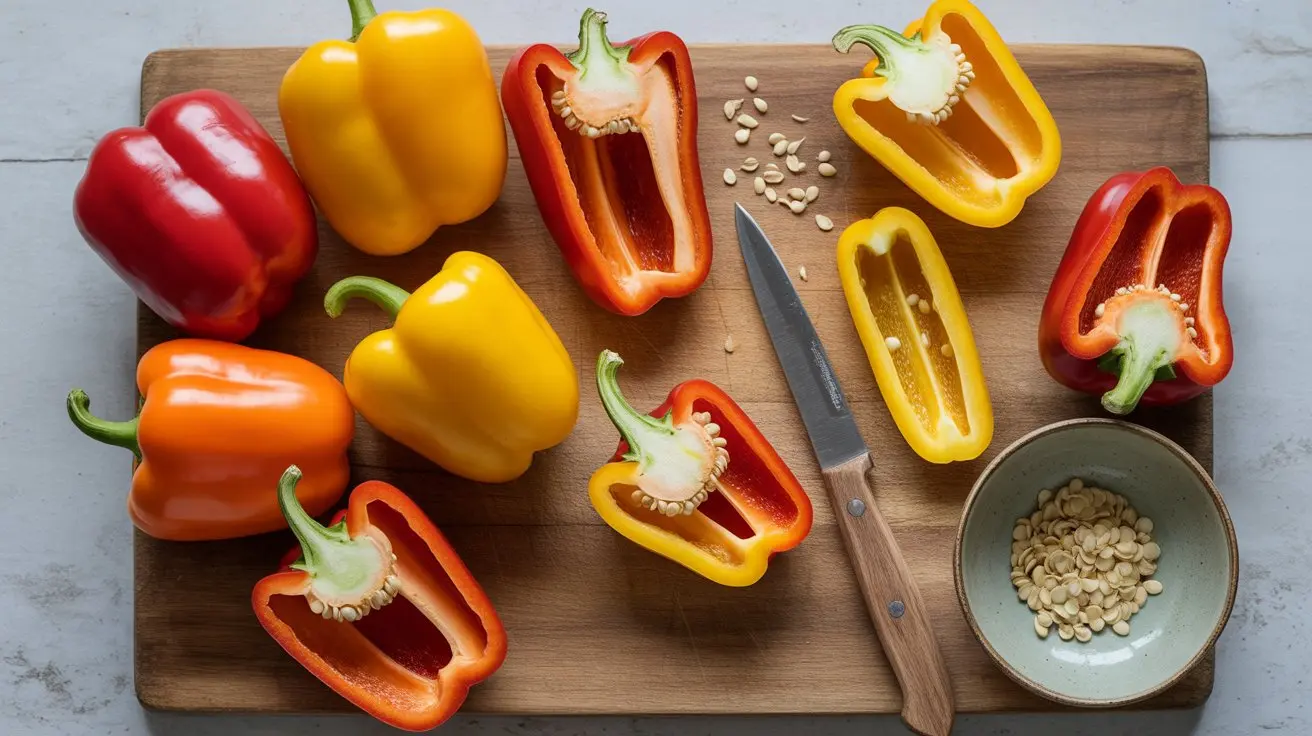
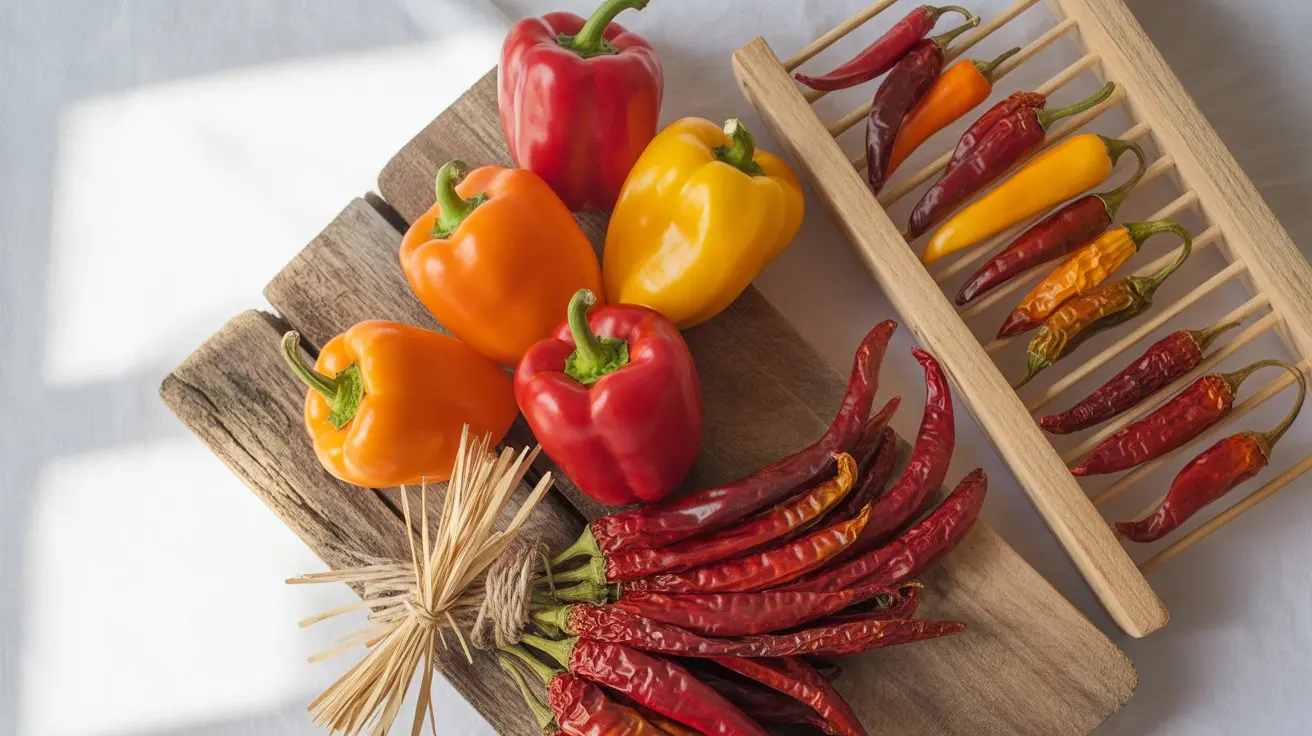
Which Korean Peppers Become Flakes, Paste, or Fresh Heat?
Korean pepper flavor centers on gochugaru, gochujang, and fresh Cheongyang-style chiles. The guide explains how dried flakes, fermented paste, and fresh peppers shape kimchi, stews, braises, and quick salads.
Why Korean Cuisine Runs on Pepper Heat
Most spice traditions build heat as an accent. Korean cooking built an entire flavor architecture around it.
Gochugaru and gochujang are not condiments you add at the table, they are foundational ingredients baked into the cuisine at every level, from fermentation to braising to raw salads.
What makes this unusual is the specific heat profile Korean cooks selected for. The peppers central to Korean cooking sit in a medium heat band for peppers that delivers warmth without overwhelming the palate, which is exactly what a fermented paste needs to balance salt, sweetness, and umami across months of aging.
The Korean Pepper: Cheongyang and Its Relatives
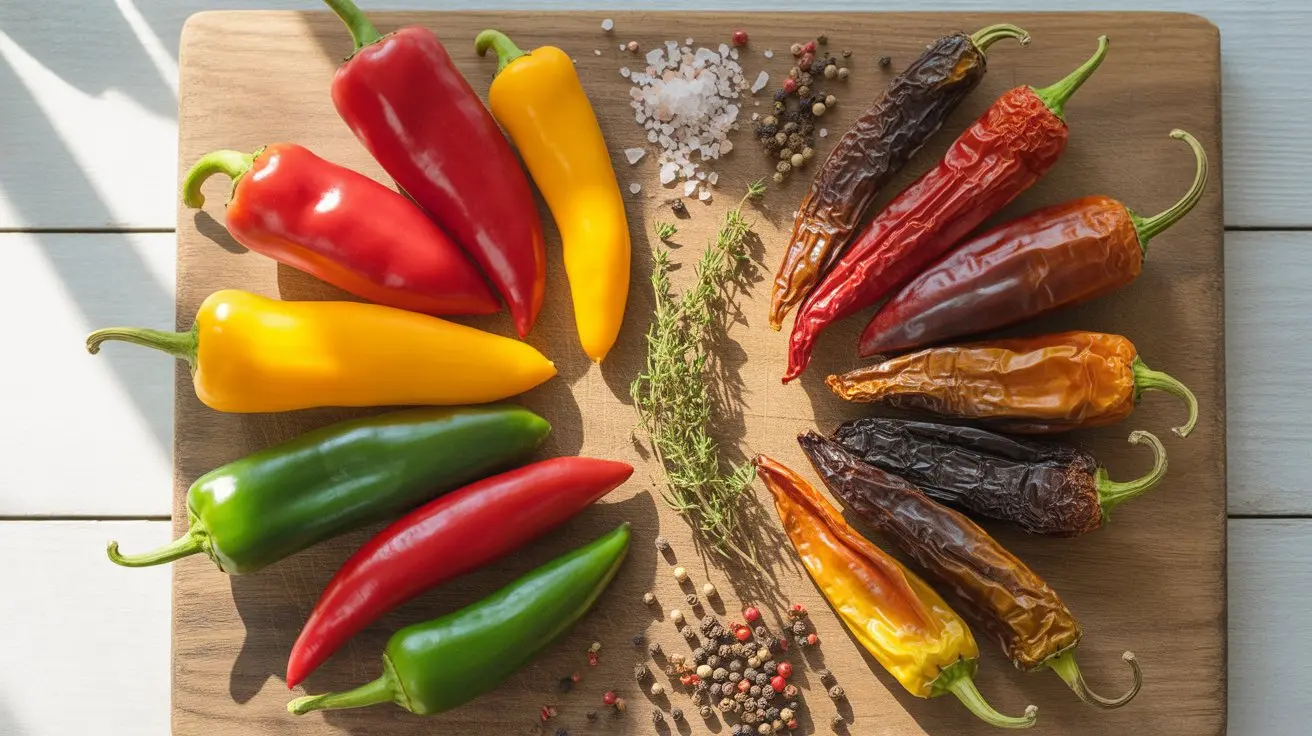
The dominant pepper in Korean cooking is the Korean red pepper (Capsicum annuum), locally called gochu. Dried and ground, it becomes gochugaru.
Fermented with glutinous rice and salt, it becomes gochujang. Fresh, it appears sliced in banchan and stews.
The Capsicum annuum covers an enormous range of cultivars, and Korean growers selected specifically for a fruity, slightly sweet heat with good drying characteristics. Peppers bred for gochugaru need thin flesh that dries evenly and a red color that deepens when ground.
The Cheongyang chili is the hot end of the Korean domestic spectrum, around 10,000 SHU, used when cooks want a sharper bite in soups or dipping sauces. Standard Korean red peppers for gochugaru typically fall between 1,500 and 10,000 SHU, depending on variety and growing conditions.
For a broader look at where Korean peppers fit within their regional context, the Korean pepper origin hub covers the cultivar history in more depth.
What Is Gochugaru?
Gochugaru is coarsely ground dried Korean red pepper, not a fine powder, not whole flakes, but something in between. The texture matters.
It disperses into kimchi paste differently than a fine powder would, coating each cabbage leaf with color and heat rather than clumping.
There are two main grinds: fine (for gochujang and marinades) and coarse (for kimchi). Using the wrong grind changes the dish in ways that are hard to compensate for, coarse gochugaru in gochujang creates a grainy paste, while fine gochugaru in kimchi produces a muddy rather than vivid red color.
Quality gochugaru is bright red, slightly oily to the touch, and smells fruity before it smells hot. Older or lower-quality batches turn brownish and lose the sweetness that distinguishes Korean heat from, say, cayenne.
Store it sealed in the freezer, the volatile compounds that carry flavor degrade faster than the capsaicin does.
What Is Gochujang Made Of?
Gochujang is one of the most complex condiments in any cuisine. It is a fermented paste combining gochugaru, glutinous rice (or barley), fermented soybean powder (meju), and salt, then aged anywhere from a few weeks to several years in traditional earthenware jars called onggi.
The fermentation transforms the pepper's heat. Raw gochugaru has a clean, direct burn.
Gochujang delivers the same capsaicin load wrapped in layers of miso-like umami, caramel sweetness from the rice sugars, and lactic acid brightness from microbial activity. The heat lands differently, slower, rounder, more persistent.
Commercial gochujang is standardized and widely available, but regional and artisanal versions vary dramatically. Sunchang County in North Jeolla Province is historically considered the benchmark, the region's climate and traditional production methods produce a paste with a depth that factory versions rarely match.
In cooking, gochujang functions as a base for bibimbap sauce, a braising liquid for dakgalbi, a marinade for bulgogi, and a finishing glaze for grilled meats. It behaves more like miso than like hot sauce, it needs heat and fat to open up fully.
Fresh Peppers in Korean Cooking
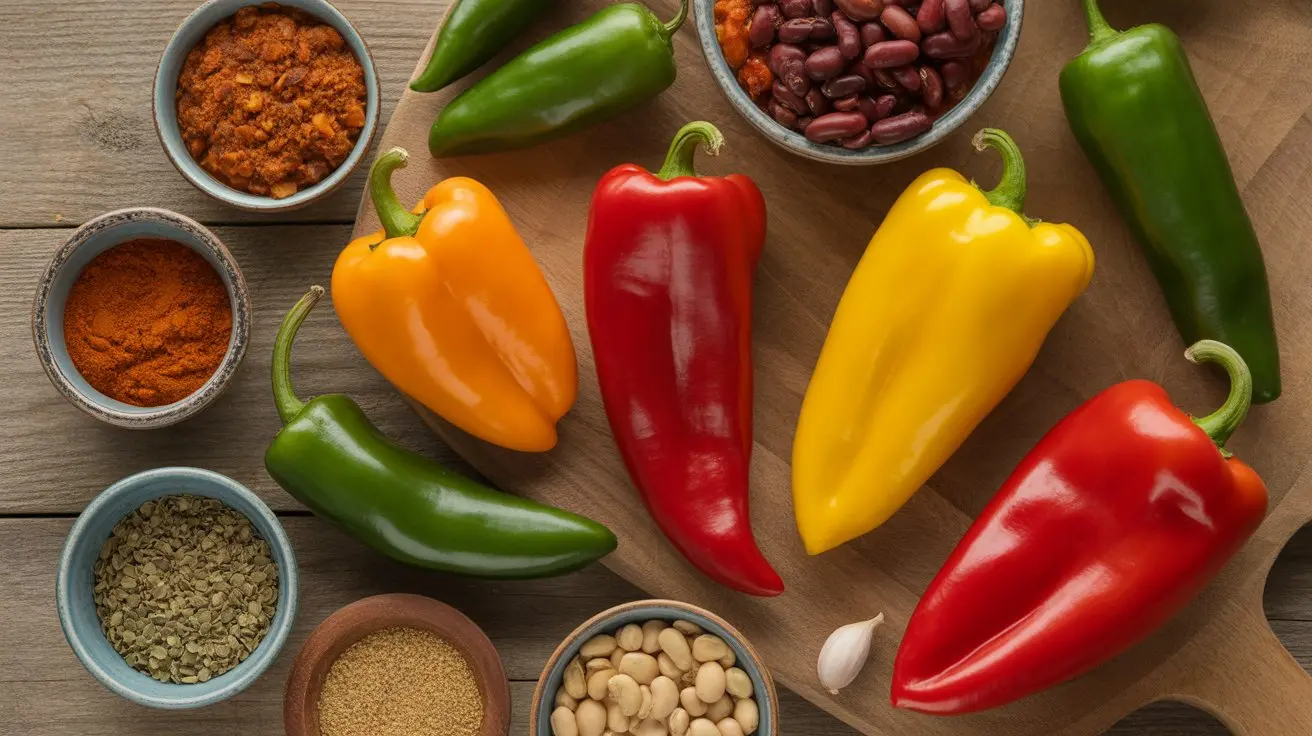
Fresh peppers appear throughout Korean cuisine in forms that often surprise people unfamiliar with the cuisine's range. Putgochu (green Korean peppers) are mild enough to eat whole as a banchan side, dipped in doenjang paste.
Honggochu (ripe red versions) are sliced into kimchi or braised dishes for color and a sharper bite.
The heat of fresh Korean peppers sits comfortably in the mild heat bracket for most cultivars, below jalapeño level, which makes them approachable as vegetables rather than strictly as seasoning. Cheongyang peppers are the exception, landing closer to a serrano in intensity.
Korean cooks also use fresh peppers stuffed (gochu jeon), pickled in soy brine (gochu jangajji), or fermented whole in kimchi alongside cabbage. The fresh pepper's crunch and brightness serve a different function than the dried or fermented forms, it provides texture and a green, grassy note that the processed versions lose.
How Korean Heat Compares to Other Asian Pepper Traditions
Korean cooking operates at a fundamentally different heat register than, say, Thai or Sichuan cuisine. Thai cooking frequently reaches for Cabe Rawit that clock in well above 50,000 SHU.
Korean cuisine rarely goes there by design, the goal is sustained warmth that builds across a meal, not immediate high-intensity burn.
Compare that to Prik Jinda, which shares some visual similarity with Korean gochu but delivers a sharper, more direct heat without the same fruity sweetness.
Indonesian cooking, for context, uses peppers like the medium-heat Lombok chili, which has a heat profile closer to Korean gochu than either Thai bird peppers or Korean Cheongyang. The comparison illustrates how much regional selection shapes not just heat level but flavor character within similar Scoville ranges.
For a technical breakdown of where these peppers land on a standardized pepper heat ranking system, the Scoville scale remains the most widely used reference, though it measures capsaicin concentration, not perceived heat in context.
Fermentation Techniques and Pepper Integration
Kimchi is the most visible fermented pepper application, but Korean fermentation culture extends far beyond it. Kkakdugi (radish kimchi), oi sobagi (stuffed cucumber kimchi), and nabak kimchi (water kimchi) all use gochugaru at different concentrations to achieve different heat levels and color intensities.
The chemistry of kimchi fermentation is worth understanding. Lactobacillus bacteria convert sugars to lactic acid, which drops pH and preserves the vegetables.
The capsaicin in gochugaru inhibits competing bacteria, acting as a selective antimicrobial that helps the right microbes dominate. This is not incidental, the pepper is doing functional work in the fermentation, not just adding flavor.
Traditional kimchi recipes specify gochugaru quantity by weight against the cabbage, typically around 2-5% by weight for standard heat levels. Adjusting this ratio is the primary lever for controlling finished kimchi heat, since the fermentation process doesn't significantly reduce capsaicin content.
Regional Variations Within Korea
Korean cuisine is not monolithic, and pepper use varies significantly by region. Gyeongsang Province (southeastern Korea) cooking tends toward more aggressive heat, more gochugaru, more gochujang, less sweetness as a counterbalance.
Jeolla Province cooking is often described as the richest and most complex, with gochujang used with more nuance alongside a wider range of fermented ingredients.
Northern Korean cuisine, influenced by colder climate and proximity to China and Russia, historically used less pepper heat overall. The spicier profile associated with Korean food globally reflects southern traditions more than the full regional spectrum.
Jeju Island, off the southern coast, has its own distinct cooking identity with lighter pepper use and more emphasis on seafood-forward flavors. These regional distinctions matter when trying to replicate specific Korean dishes, a Jeolla-style braised fish and a Gyeongsang-style braised fish can differ substantially in their gochugaru load.
What Can You Substitute for Gochugaru?
Substituting for gochugaru is genuinely difficult because no single pepper replicates its combination of heat level, color, and fruit-forward sweetness. Cayenne is hotter and lacks sweetness.
Ancho is sweeter but not hot enough and has a completely different flavor profile. Paprika plus cayenne is the most common approximation, typically a 3:1 ratio of smoked paprika to cayenne, but the result is noticeably different in kimchi and gochujang.
Substituting for gochujang is similarly imperfect. Sriracha plus miso is sometimes suggested, but sriracha's vinegar base competes with the fermented notes rather than complementing them.
Doubanjiang (Chinese fermented bean paste with chili) is closer in fermentation character but has a saltier, more savory profile without the sweetness.
The honest answer is that gochugaru and gochujang are worth sourcing properly. Both are widely available online and in Korean grocery stores, and the difference in finished dishes is significant enough that substitutions should be a last resort rather than a standard practice.
Beyond Gochugaru: Other Peppers That Appear in Korean Cooking
Korean cooking occasionally reaches outside its core pepper vocabulary, particularly in modern restaurant contexts. Habanero and other high-heat peppers appear in fusion dishes targeting heat-forward dining trends, but these are departures from tradition rather than part of the classical canon.
For reference, the heat gap between standard gochugaru and extreme peppers is vast. Naga Morich, reaches over 1 million SHU, roughly 100 times hotter than a typical Korean red pepper.
Jay's Peach Ghost Scorpion, sits even higher on the scale. These peppers exist in a completely different the super-hot band than anything traditional Korean cooking employs.
Even the 7 Pot Katie, illustrates how far removed the extreme end of the pepper spectrum is from Korean cooking tradition. Understanding this gap helps clarify why gochugaru's moderate heat is a deliberate design choice, not a limitation.
The hot SHU tier, roughly 25,000 to 70,000 SHU, is where Cheongyang peppers at their hottest begin to approach, but most Korean cooking stays well below this threshold by intention.
Cooking Techniques That Bring Out Korean Pepper Flavor
Blooming gochugaru in oil before adding other ingredients is one of the most important techniques in Korean cooking. Heat activates the fat-soluble compounds that carry color and flavor, transforming the flakes from a dry spice into a vivid red oil that coats everything it touches.
This is the base for many stews and braises.
For gochujang, the technique shifts. The paste benefits from being cooked in a small amount of oil or sesame oil at medium heat until it darkens slightly and loses its raw edge, typically 2-3 minutes of stirring.
This step rounds out the sharpness and deepens the fermented character before liquids are added.
In raw applications like bibimbap sauce, gochujang is thinned with sesame oil, rice vinegar, and a small amount of sugar or honey. The ratio of these components determines whether the sauce reads as spicy, sweet, or tangy, Korean cooks adjust this balance by taste rather than fixed recipe, which is why the same dish can vary so much between households.
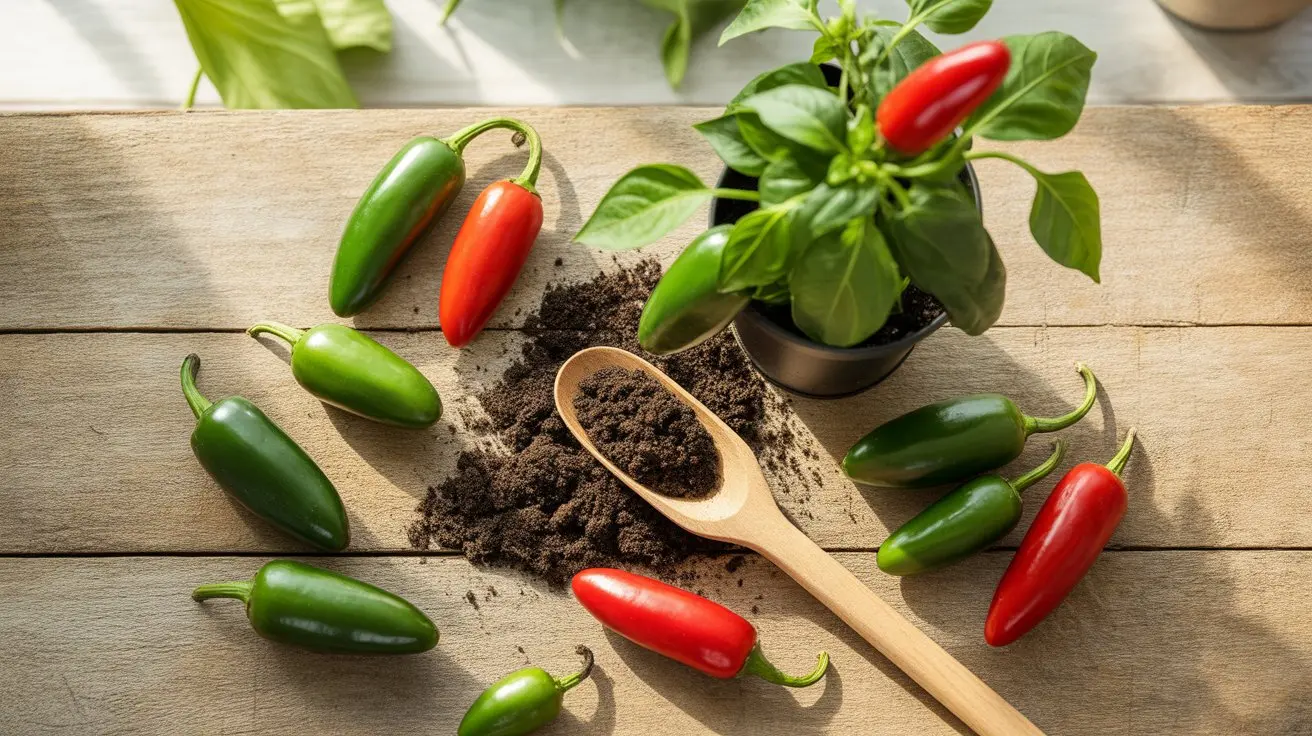
For anyone interested in growing Korean pepper varieties at home, transplanting and cultivation covers the conditions these Capsicum annuum varieties need to thrive, they prefer warm, dry summers similar to their Korean growing conditions.
Building a Korean Pepper Pantry
A functional Korean pepper pantry requires three items at minimum: gochugaru (both fine and coarse grind if possible), gochujang (one reliable commercial brand as a baseline), and fresh Korean peppers when available. From these three, the majority of Korean pepper applications are achievable.
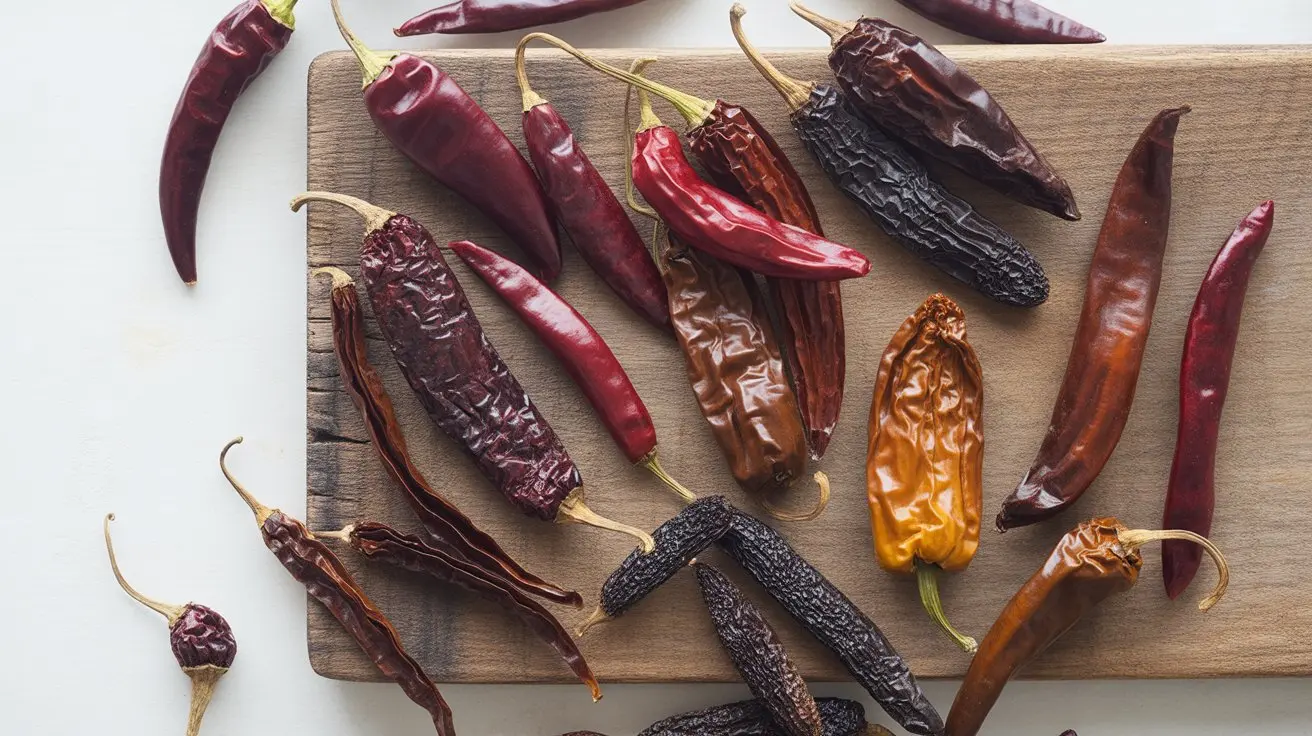
Beyond the basics, cheongyang peppers (fresh or dried) add heat when a dish needs sharpness. Dried whole gochu appears in stock-making and some braised dishes where whole pepper flavor integrates over long cooking time.
Gochu jangajji (soy-pickled peppers) is worth having as a banchan staple that requires minimal preparation.
Storage discipline matters more with Korean pepper products than with many other pantry staples. Gochugaru oxidizes and loses color and sweetness within months at room temperature.
Gochujang, once opened, should be refrigerated with a thin layer of sesame oil pressed against the surface to slow oxidation. Both products are worth buying in quantities you will use within 6-12 months.
Which Korean Peppers Become Flakes, Paste, or Fresh Heat? FAQ
- Capsicum - USDA GRIN Taxonomy
- Korean Food Promotion Institute
- Journal of Ethnic Foods
- Capsicum annuum L. - USDA GRIN Taxonomy
- Rural Development Administration Korea