

KnowThePepper
California Wonder Pepper: The Classic Thick-Walled Bell
California Wonder is a 0 SHU, open-pollinated bell introduced in 1928. Burpee records blocky, thick-walled fruit around 4 by 3.5 inches and about 75 days to maturity after transplanting.
Harvest green for firmer, grassier flesh or red for more sweetness.
- Species: Capsicum annuum
- Heat tier: Mild (0-999 SHU)
What Kind of Pepper Is California Wonder Pepper?
California Wonder is an open-pollinated, sweet bell pepper released in 1928. Burpee lists it as a thick-walled, blocky fruit about 4 by 3.5 inches, with mature plants about 18 to 24 inches tall.
Those dimensions explain its roomy cavity and four-lobed bell shape better than the vague label “classic bell.”
The cultivar registers 0 SHU. Green fruit is firm, crisp, and grassy.
Fruit left to ripen red becomes softer and sweeter.
Pick green bells once they are full-sized and firm when crunch matters, or wait for an even red color when sweetness matters more. The same plant therefore serves two different harvest decisions.
California Wonder suits gardeners who want reproducible seed and a full-size bell rather than a compact hybrid or a narrow frying pepper. Open-pollinated does not mean every saved seed will stay true: isolate the plants from other Capsicum annuum cultivars if seed purity matters.
| Harvest stage | Best qualities | Use it for |
|---|---|---|
| Green | Firm, crisp, grassy | Stuffing, salads, stir-fries |
| Red | Sweeter, softer, fully ripe | Roasting, sauces, raw strips |
Where Does California Wonder Pepper Come From?
Burpee describes California Wonder as a 1928 introduction and an open-pollinated heirloom.
That seller record supports the date and the cultivar’s long catalog life. It does not establish every lineage claim repeated by seed resellers.
The durable part of its history is physical and practical.
Its broad shoulders, four lobes, thick walls, and large cavity became a familiar American bell-pepper form. Modern hybrids may offer earlier maturity, disease packages, or more compact plants, while California Wonder remains useful for gardeners who value seed saving and a traditional full-size fruit.
How Spicy Is California Wonder Pepper, and How Does It Taste?
The California Wonder Pepper delivers 0 Scoville Heat Units, placing it in the Mild tier (0-999 SHU).
Flavor notes: sweet, crisp, and grassy.
California Wonder Pepper Nutrition Facts
USDA FoodData Central provides nutrient data for generic green and red sweet peppers, not a cultivar-specific California Wonder assay. That proxy supports describing the fresh fruit as low in calories and a source of vitamin C. Red bells also supply carotenoid pigments associated with their ripe color.
Serving size, maturity, and storage change the numbers, so generic bell-pepper values should not be presented as a laboratory result for this cultivar. Heat chemistry is irrelevant here because the canonical range is 0 SHU.
What Is California Wonder Pepper Best Used For?
California Wonder is especially useful for stuffing because the broad base sits steadily and the thick wall keeps its shape while the filling heats.
Cut fruit across the equator for shallow cups or from stem to base for longer halves. Green fruit brings a savory edge that balances rich meat, rice, or cheese fillings.
Red fruit makes vegetable and grain fillings taste sweeter.
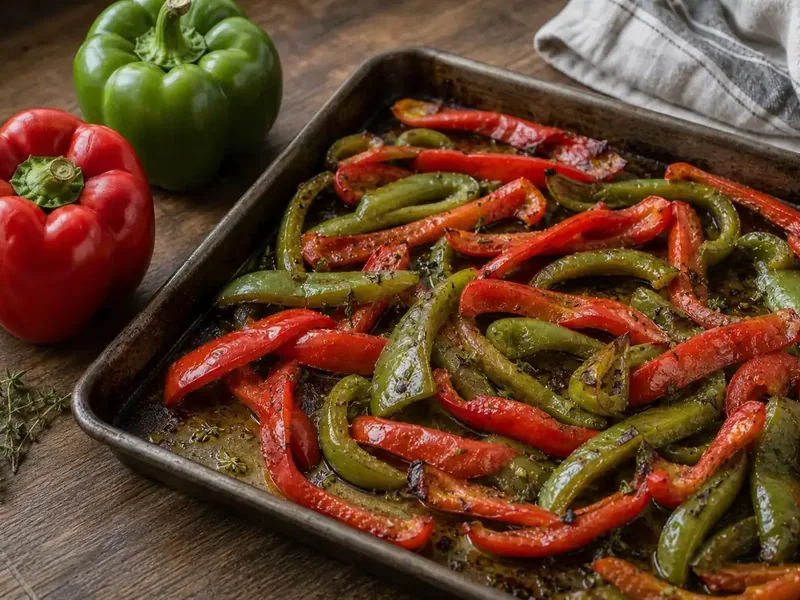
For roasting, place halved and seeded peppers skin-side up until the skin blisters, then cover briefly so the skin releases. Thick flesh leaves a substantial strip after peeling.
Raw green rings stay crisp in salads and sandwiches, while red strips work well on snack plates.
In fast cooking, slice the walls evenly so the pieces soften together. The cultivar has more body than a tapered Carmen pepper, so add it before delicate greens in a stir-fry.
Choose Habanada instead when zero heat is required but a floral aroma matters more than bell-pepper structure.
Where Can You Buy California Wonder Pepper, and How Do You Store It?
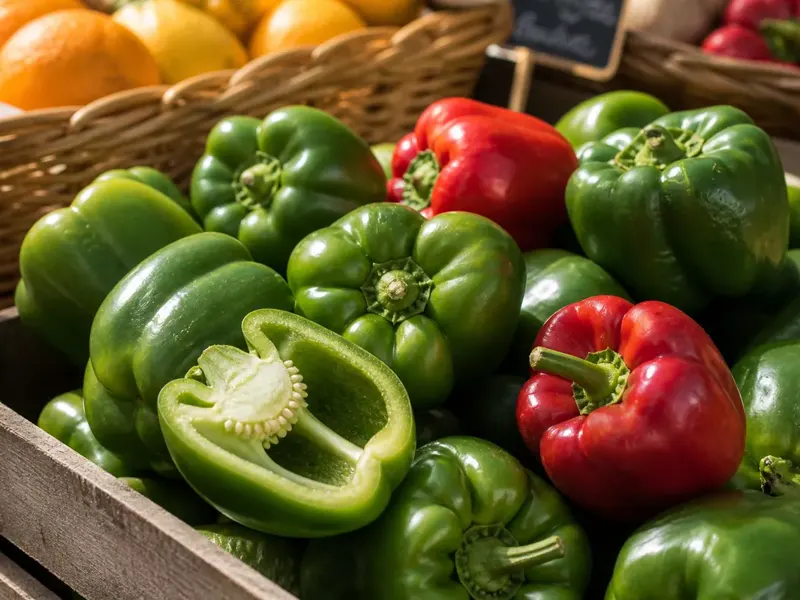
Choose fruit that feels heavy for its size, with firm walls, taut skin, and no wet, sunken, or moldy spots. Green and red California Wonder peppers are the same cultivar at different ripeness stages, so select by the flavor and texture the recipe needs rather than assuming one color is a different variety.
Refrigerate unwashed, dry peppers and use softened or wrinkled fruit first in cooked dishes. For longer storage, the National Center for Home Food Preservation says sweet peppers may be frozen raw, or blanched for cooked use: halves for 3 minutes and strips or rings for 2 minutes. Frozen peppers lose fresh crunch, so reserve them for sauces, soups, eggs, and roasted dishes.
What Can Replace California Wonder Pepper in a Recipe?
No dedicated substitute guidance is published for California Wonder Pepper yet.
How Do You Grow California Wonder Peppers?
Burpee lists 75 days to maturity. Treat that catalog number as a transplant-to-first-harvest estimate, not a countdown from sowing and not a guarantee of fully red fruit.
Cool nights, transplant stress, and a heavy fruit load can extend the wait.
Start plants warm and move them outdoors only after frost danger passes and nights have settled. Space full-size bells so leaves can dry and sunlight reaches the canopy.
Support heavily loaded branches with a small cage or stake before fruit gains weight.
Burpee’s 18-to-24-inch height is a cultivar guide, while local weather and soil fertility determine the final plant.
A container can work if it has drainage and enough soil volume to avoid rapid drying. Water deeply when the upper layer begins to dry, then let excess water drain.
Repeated swings from dry soil to saturation raise the risk of blossom-end rot even when calcium is present in the soil.
North Carolina Extension lists blossom-end rot, sunscald, thrips, mites, aphids, and several fungal or viral diseases among sweet-pepper problems. Preserve leaf cover to shade fruit, avoid wetting foliage late in the day, remove badly diseased material, and rotate away from peppers and tomatoes when soil-borne disease has been a problem.
California Wonder Pepper FAQ


- Burpee: California Wonder Sweet Pepper
- NC State Extension: Bell Pepper
- NCHFP: Freezing Bell or Sweet Peppers
Species classification: Capsicum annuum - based on published botanical taxonomy.