

KnowThePepper
Melrose Pepper: Chicago's Thin-Skinned Italian Frying Pepper at 0 SHU
Melrose is a classic sweet frying pepper at 0 SHU, valued for thin skin, soft sweetness, and fast skillet use. We rely on it when a dish needs pepper flavor and volume without capsaicin.
- Species: C. annuum
- Heat tier: Mild (0-999 SHU)
What Makes Melrose Pepper Different?
The Melrose pepper occupies a curious space in American food culture, celebrated obsessively in one city, virtually unknown everywhere else. Chicago's Italian-American community has grown and cooked this variety for generations, yet it rarely appears in seed catalogs or produce markets outside the Midwest.
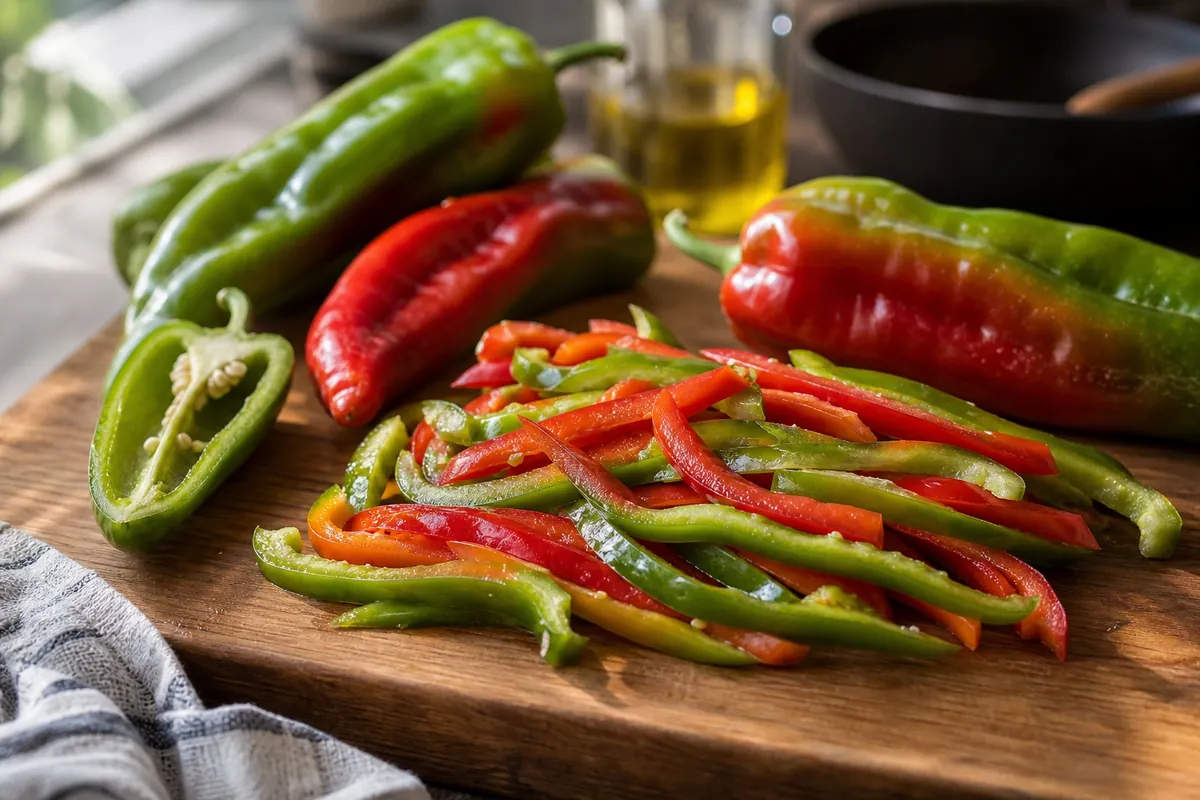
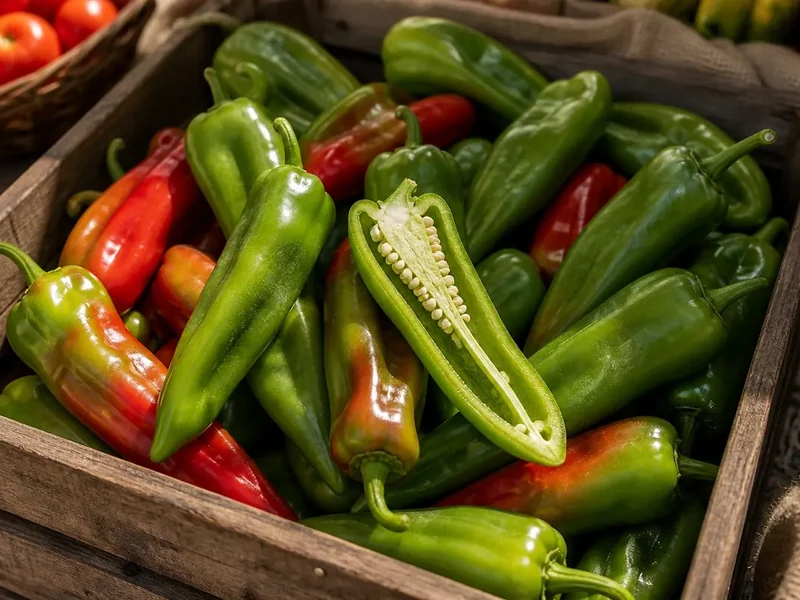
Botanically classified as Capsicum annuum, the Melrose produces elongated, tapered fruit that ripens from green to red. The walls are notably thick and meaty, which makes it exceptional for high-heat cooking methods like pan-frying or broiling.
At 0 SHU, there's zero capsaicin present, this is purely a sweet pepper in every sense.
Flavor-wise, the Melrose develops a rich, slightly earthy sweetness that deepens considerably when cooked. Raw, it's pleasant but unremarkable.
Roasted or fried in olive oil with garlic, it transforms into something genuinely special, concentrated, silky, and complex in a way that surprises people expecting ordinary sweet pepper flavor.
Size runs roughly 4-6 inches in length, narrower than a standard sweet pepper but with comparable wall thickness. The fruit hangs in clusters and plants are productive through a long growing season.
For anyone in the sweet pepper classification looking for a variety with genuine cooking character, the Melrose is worth tracking down.
What Is the Origin of Melrose Pepper?
The Melrose pepper's story is an Italian immigration story. Southern Italian immigrants settling in Chicago during the late 19th and early 20th centuries brought seeds from their home regions, likely from Calabria or Sicily, where similar frying peppers were staples.
The pepper became so embedded in Chicago's Italian neighborhoods, particularly around the Melrose Park suburb west of the city, that it took on a distinctly local identity. By mid-century, it was a fixture at Chicago's outdoor markets and church festivals, fried in olive oil and served on Italian beef sandwiches.
As a variety within the Capsicum annuum botanical family, the Melrose shares lineage with countless other sweet and mild peppers developed across the Mediterranean. What makes it distinct is this hyper-local American chapter of its history, a pepper that traveled from the Old World and put down roots so deeply in one specific city that it became inseparable from that place's food identity.
How Spicy Is Melrose Pepper, and How Does It Taste?
The Melrose Pepper delivers 0 Scoville Heat Units, placing it in the Mild tier (0-999 SHU).
Melrose Pepper Nutrition Facts
Like other sweet C. annuum peppers, the Melrose delivers solid nutritional value with minimal calories. A 100g serving of raw sweet pepper provides roughly 31 calories, 6g carbohydrates, and 2g fiber.
Vitamin C content is substantial, sweet peppers routinely provide 100-200% of daily recommended intake per serving, with red-ripe fruit containing significantly more than green. Vitamin A (as beta-carotene) increases as the fruit reddens.
The Melrose also contributes modest amounts of B6, folate, and potassium.
Because capsaicin is absent at 0 SHU, there's no thermogenic effect, but the antioxidant profile from carotenoids remains strong.
Which Dishes Suit Melrose Pepper?
Start with high heat and good olive oil, that's the Melrose's natural habitat. A cast iron pan, a generous pour of oil, whole garlic cloves, and these peppers blistered until soft and slightly charred is the foundational preparation that made this variety famous in Chicago kitchens.
The thick walls hold up beautifully to extended cooking without turning to mush. This makes the Melrose ideal for preparations where mild, roastable sweet peppers would work, but with more structural integrity.
Stuffing is another strong application, the cavity is generous enough to hold rice, cheese, or meat fillings without splitting during baking.
On Chicago's Italian beef sandwiches, fried Melrose peppers are practically mandatory for purists. The pepper's sweetness balances the salty, herb-forward beef in a way that more generic sweet peppers don't quite achieve.
For raw applications, slice thin and use in antipasto arrangements or quick-pickled in white wine vinegar. The flavor is milder raw but still pleasant.
Roasted and peeled, the flesh can be blended into sauces or layered onto flatbreads.
Anyone familiar with the thick-walled mild frying peppers common in Italian-American cooking will find the Melrose fits naturally into that repertoire.
How Should You Buy and Store Melrose Pepper?
Outside Chicago, finding fresh Melrose peppers requires some effort. Italian specialty markets, farmers markets in the Midwest, and online seed sources are your best options.
During peak season (August through October), Chicago-area farm stands often carry them.
Fresh peppers keep 1-2 weeks refrigerated in a paper bag, avoid sealed plastic, which traps moisture and accelerates softening. For longer storage, roast and freeze: blister in a hot pan, cool, peel, and pack flat in freezer bags.
Frozen roasted Melrose peppers hold well for 6 months and go directly into winter pasta dishes or sandwiches without thawing.
What Can Replace Melrose Pepper in a Recipe?
No dedicated substitute guidance is published for Melrose Pepper yet.
How Do You Start and Grow Melrose Peppers?
Melrose plants perform best in full sun with consistently warm temperatures, standard requirements for C. annuum varieties. Start seeds indoors 8-10 weeks before last frost, maintaining soil temperatures around 75-80°F for reliable germination.
Transplant outdoors after soil warms to at least 60°F. Spacing of 18-24 inches between plants gives the Melrose room to develop its characteristically bushy structure.
The plants run medium-tall and benefit from staking once fruit sets, since the clustered fruit load can tip unprepared plants.
Fertilize moderately, heavy nitrogen encourages foliage at the expense of fruit. A balanced fertilizer at transplant followed by a phosphorus-forward feed at flowering works well.
The Melrose is reasonably drought-tolerant once established but produces better with consistent moisture.
Fruit ripens from green to red over a long season. Most growers in the Chicago tradition harvest green for frying, but allowing fruit to fully redden increases sugar content noticeably.
For growers interested in a broader look at starting sweet pepper varieties, the grow peppers from seed covers soil prep and transplant timing in detail.
Days to maturity typically run 70-80 days from transplant.
Melrose Pepper FAQ


- Capsicum annuum L. - USDA GRIN Taxonomy
- Chicago History Museum
- USDA FoodData Central - Sweet Pepper
- Baker Creek Heirloom Seeds
Species classification: C. annuum - based on published botanical taxonomy.