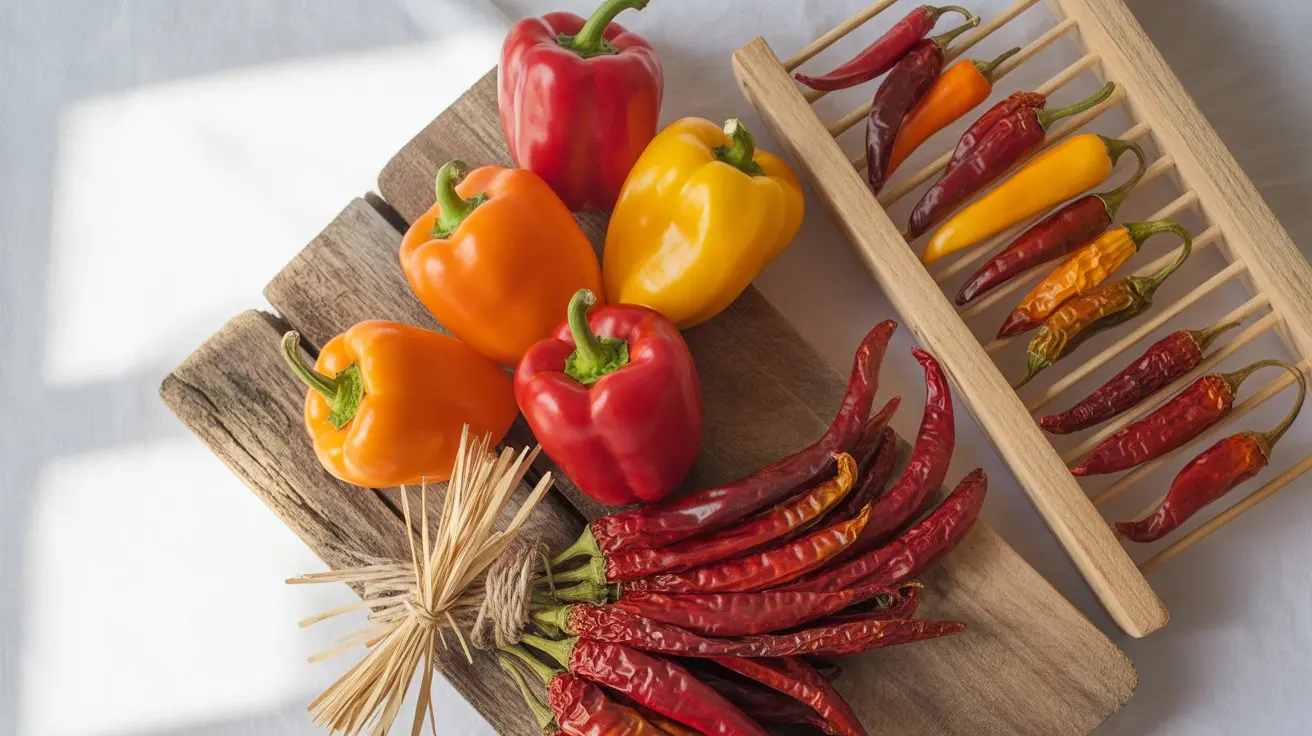
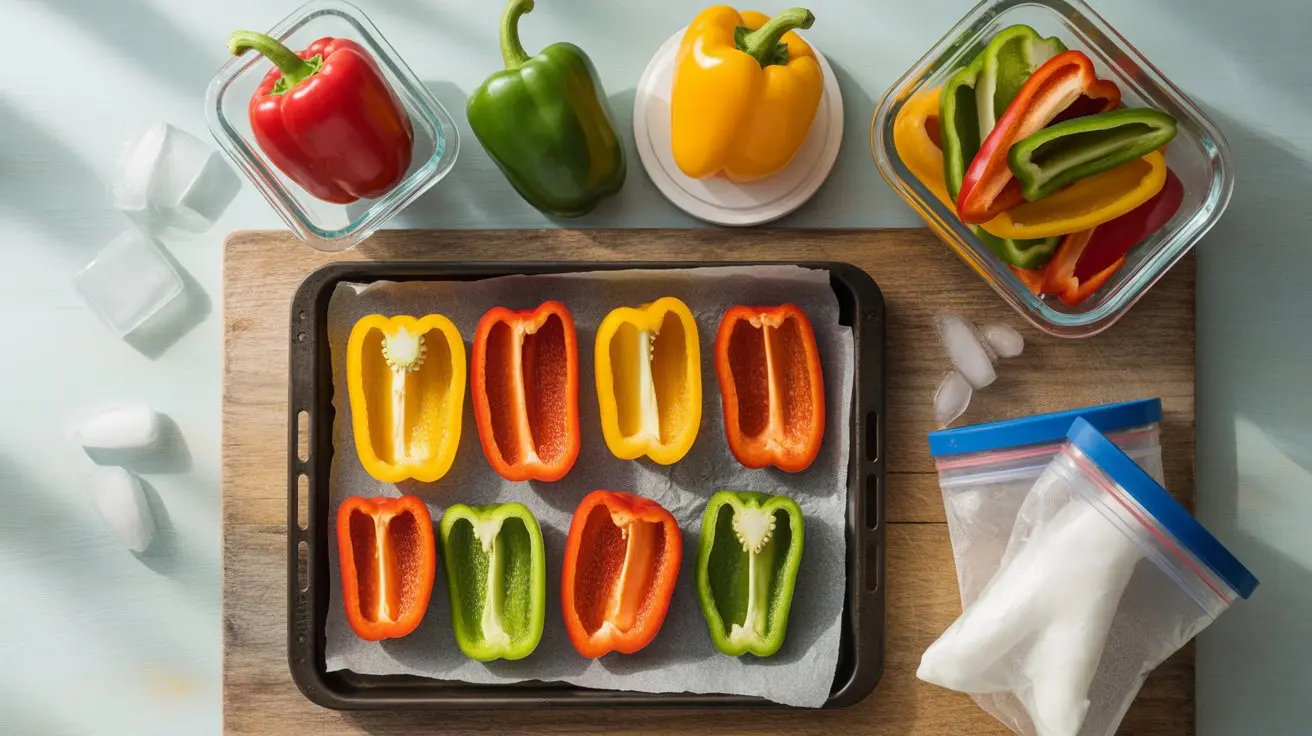
How to Deseed Peppers and Remove the Pith That Holds Most of the Heat
Deseeding peppers reduces heat because most capsaicin sits in the white pith around the seeds. The right technique depends on pepper size: bells can be cored, jalapenos can be halved, and small chiles may need a slit-and-scrape method.
Does deseeding actually reduce heat?
Not directly, and the distinction is the whole technique. UC Agriculture and Natural Resources places the highest concentration of capsaicin in the white pithy parts around the seeds, and states there is almost none of it in the seeds themselves.
Deseeding works because you cannot lift the seeds out without taking most of that pith with them.
Scrape the pith and leave the seeds and the dish still comes down. Shake the seeds out and leave the pith and it barely moves.
That is also why eating the seeds is a separate question from removing them. They are a texture decision far more than a heat one.
Texture is the second reason. Seeds turn bitter under high heat and leave a grainy edge in sauces and salsas, and for stuffed peppers the cavity has to come out regardless.
That said, skip deseeding entirely when you want full heat in a dish, when making fermented hot sauce where seeds add body, or when working with very small dried chiles where the effort outweighs the benefit.
What you need on the board
A sharp paring knife handles most of it. A dull one crushes rather than cuts, which spreads seeds and juice across the board.
For large peppers like bells or poblanos, a melon baller or sturdy spoon scrapes the seed cavity clean faster than any knife technique. A grapefruit spoon works even better, the serrated edge grabs stubborn seed clusters without tearing flesh.
Gloves matter more than most people expect. Even mild-end peppers with gentle warmth leave enough capsaicin on your skin to burn your eyes if you touch your face.
Keep a damp cloth nearby. Wiping the knife between cuts prevents seeds from hitchhiking from one pepper to the next.
How do you deseed bell peppers and large chiles?
The panel method is the fastest way through a bell or a poblano, and it leaves almost nothing on the board.
- Stand the pepper upright on the board.
- Slice straight down on all four sides, cutting just inside the core.
- Lift away the four panels of flesh.
- Bin the seed-core column whole, without scraping it.
The panels are flat, which makes them easier to dice, slice or roast evenly than a pepper opened any other way.
The alternative, cutting the top off and scooping, works fine for stuffing, but it's slower and leaves more pith behind. Use the panel method when you need the flesh for cooking, and the top-cut method when the pepper is the vessel.
For stuffed preparations, cut a clean cap about a quarter-inch below the stem, then use a spoon to scrape the interior in circular motions. Work from the bottom of the cavity upward toward the opening so seeds fall out rather than getting packed deeper.
How do you deseed jalapenos and medium chiles?
Jalapeños have a narrow cavity that resists spoon work. The most reliable method is to halve the pepper lengthwise, then use the tip of a paring knife to run a shallow cut along each side of the white rib.
The entire rib-and-seed structure lifts out as a single piece.
If you're processing a large batch, a melon baller dragged along the interior of each half removes seeds and pith in one motion. It's faster than knife work for quantities above a dozen.
Some cooks use a dedicated jalapeño corer, a cylindrical metal tool that bores through a whole pepper and pulls the core out intact. These work, but they leave more pith than halving does, and they're single-purpose tools that earn limited drawer space.
Peppers like the thick-walled, mildly sweet cherry bomb present a different challenge, because their round shape and dense flesh make the panel method impractical. For these, cut a small cap, then use a paring knife tip to loosen the seed cluster before scooping it free.
Should you deseed small chiles like bird's eye and Thai?
Deseeding small fresh chiles is genuinely tedious. The payoff depends on the application, for a sauce that gets blended and strained, just leave them whole.
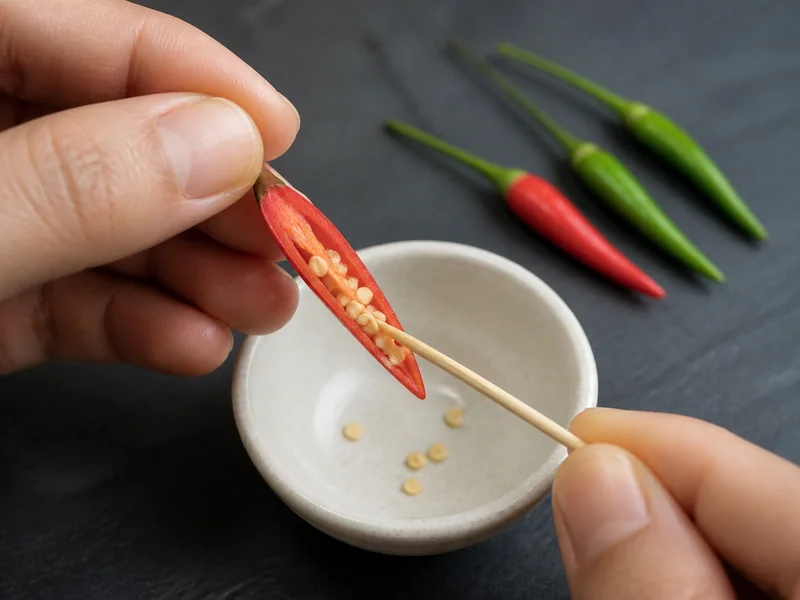
For a dish where texture matters, the work is worth it.
Split each chile lengthwise with a single cut. Use a toothpick, skewer tip, or the very tip of a paring knife to scrape the seeds toward the cut edge, then tap the chile against the cutting board to shake them loose.
Work over a bowl rather than directly on the board to contain the mess.
Varieties like the fruity, tangy Bulgarian carrot pepper are narrow enough that halving and shaking works well, the seed cavity is simple and relatively clean.
For dried small chiles, toast them first if the recipe calls for it, then tear or cut off the stem end and shake the seeds out into a bowl. Most dried chiles release seeds easily once the cap is removed.
Crush them slightly between your palms over the bowl to dislodge anything stubborn.
How do you deseed long, thin chiles?
Long chiles present a distinct geometry problem, the seed cavity runs the full length of the pepper, but the diameter stays narrow. The large, mild cowhorn pepper is a good example, reaching 8 inches long with a relatively thin wall, making spoon work awkward.
The best approach is to halve them lengthwise, then scrape seeds from tip to stem with the back of a knife blade rather than the edge end in a single firm stroke. The flat spine of the blade catches seeds without cutting into the flesh.
For varieties you want to keep whole (for pickling or stuffing), use a thin skewer or chopstick to push the seed column out from the stem end. Insert from the tip, push toward the stem, and the core often comes out relatively intact.
How do you deseed dried chiles?
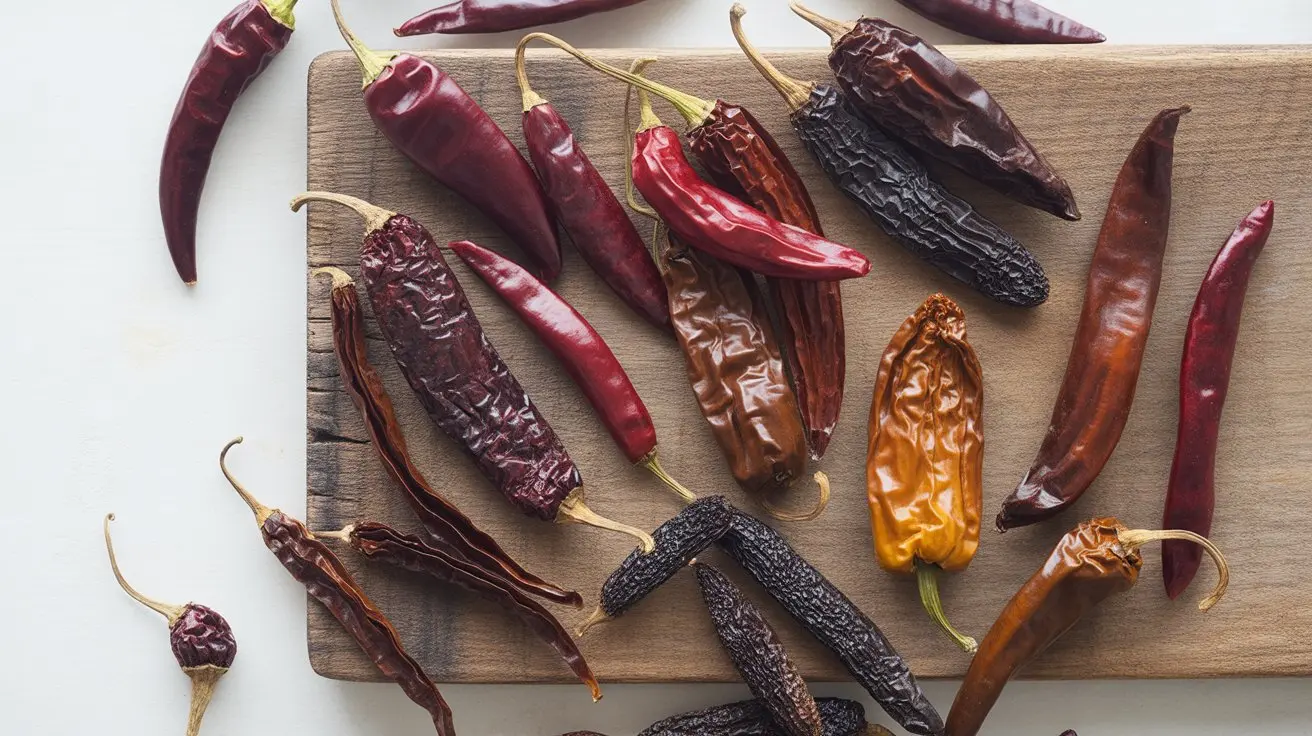
Dried chiles deserve their own technique because the flesh is brittle and the goal is usually rehydration. Tear or snip off the stem, then shake the chile over a bowl, most seeds fall free immediately.
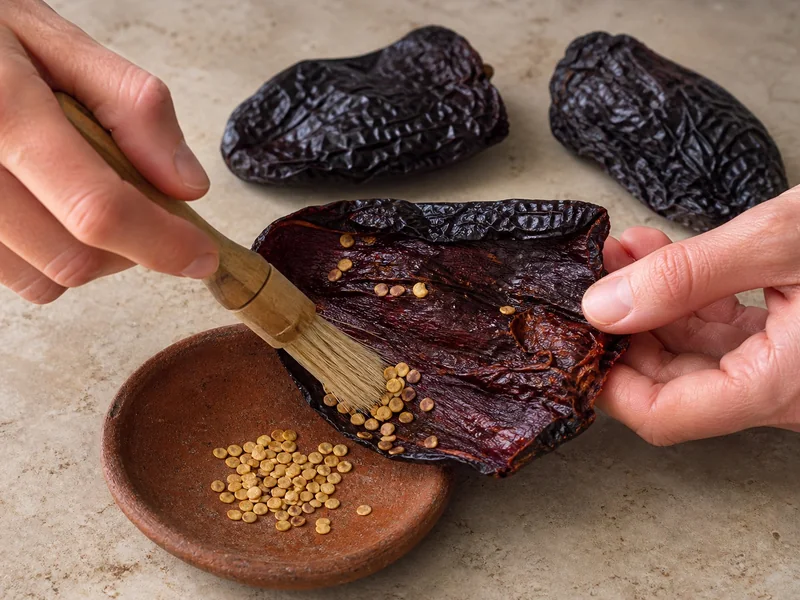
Tear the stubborn ones open along the seam rather than cutting them, then sweep the seeds out with a dry pastry brush.
The earthy, complex chilhuacle is a classic mole chile that responds well to this method, its wide body opens easily and seeds release without much effort.
Don't rinse dried chiles after deseeding unless the recipe specifically calls for it. Rinsing washes off volatile aromatic compounds that contribute to the final sauce flavor.
Toast dried chiles in a dry skillet for 30-60 seconds per side before deseeding if you want the seeds for a separate use (some cooks toast and grind them as a spice). Toasting makes the flesh more pliable and easier to open cleanly.
Keeping capsaicin off everything else
Capsaicin binds to fat, not water, understanding this receptor-level chemistry of pepper heat changes how you clean up after handling hot chiles. Rinsing your hands with water after cutting habaneros does almost nothing.
Wash with dish soap or rub hands with a small amount of cooking oil first, then wash with soap.
Keep a dedicated cutting board for hot peppers if you cook with them regularly. Capsaicin penetrates plastic cutting boards and can transfer to the next thing you cut, particularly a problem if you're chopping fruit afterward.
Work near a sink with running water available. If capsaicin gets in your eyes, flush with cool water for several minutes.
Milk works faster than water because the fat in milk dissolves capsaicin more effectively than plain water.
Varieties at the hot, anything above 50,000 units, warrant genuine caution during prep. The burn from aerosolized capsaicin when you cut these peppers can irritate your throat and eyes even without direct contact.
The same rules run through our jalapeno cutting guide, which also carries what to do when capsaicin reaches your eyes.
How do you deseed a large batch of peppers?
If you're processing more than two pounds of peppers at once, set up a proper workstation. Place a large bowl for seeds and pith on your left, your cutting board in the center, and a clean bowl or sheet pan for finished peppers on your right.
Work in one continuous motion, cutting, scraping, discarding, then reaching for the next pepper. Do not pause to clean between each one, and clear the board every 10 to 15 peppers to prevent seed buildup from complicating your cuts.
For roasting applications, you can deseed after roasting rather than before. Roasted peppers slip out of their skins easily, and the seed cavity softens enough that seeds can be rinsed away under running water.
This works particularly well for bells and poblanos.
The sweet, drop-shaped biquinho is one case where batch deseeding is rarely worth doing, the seeds are tiny and the cavity is minimal. For sauces, just blend them whole.
Which method for which pepper
Shape decides the method more than heat does, because what you are working around is the seed cavity rather than the capsaicin.
| Pepper type | Method | Tool |
|---|---|---|
| Thick-walled sweet (bell, pimento) | Panel method, or cap and scoop if stuffing | Paring knife, spoon |
| Thin-walled hot (serrano, Fresno) | Halve lengthwise and scrape | Knife tip or melon baller |
| Round (cherry bomb, peppadew) | Cap and scoop | Grapefruit spoon |
| Long and thin (cowhorn, Anaheim) | Halve and scrape with the back of the knife | Paring knife |
| Small hot (Thai, bird's eye) | Halve and pick, or skip entirely | Toothpick |
| Dried pods | Snap the stem and shake, then tear open for stragglers | Hands |
Dark-fleshed peppers are the one case where the method is fine and the lighting is not, because pith does not show against a dark interior wall. Work near a window and run a finger round the cavity after scraping.
What can you do with leftover pepper seeds?
Most pepper seeds go straight to compost, but there are worthwhile exceptions. Seeds from open-pollinated or heirloom varieties can be saved and dried for planting, our saving pepper seeds guide covers the drying and storage that decides whether they grow.
Toasted pepper seeds from dried chiles (especially anchos and pasillas) can be ground into a spice with a nutty, slightly bitter flavor. Toast in a dry skillet until fragrant, then grind in a spice grinder.
Use as a finishing spice on eggs, beans, or roasted vegetables.
Sweet pepper seeds from bells or mild, carrot-shaped fruity varieties can be sprouted or used as garden seed if they're from non-hybrid plants. Label and store in a cool, dry place in paper envelopes, not plastic, which traps moisture and promotes mold.
For anyone interested in scoville scale, saved seeds from particularly hot specimens can be grown out to compare heat levels across generations, though heat expression varies with growing conditions as much as genetics.
How to Deseed Peppers and Remove the Pith That Holds Most of the Heat FAQ
- Hot Peppers - UC Agriculture and Natural Resources
- Capsaicin: When the chili is too hot - National Capital Poison Center