
Banana Pepper vs Pepperoncini: Why Two Lookalike Jars Taste Different
Banana peppers and pepperoncinis look nearly identical in a grocery store pickle jar, and most people use the names interchangeably, but they are two distinct peppers with different heat levels, flavor profiles, and best uses. Banana peppers commonly fall around 0-500 SHU, while pepperoncinis carry 100-500 SHU of mild, tangy bite. Their overlapping heat ranges make flavor, texture, and brine the useful deciding factors.

Banana Pepper
MildPepperoncini
MildQuick Comparison
| Attribute | Banana Pepper | Pepperoncini |
|---|---|---|
| Scoville evidence | 0-500 SHU | 100-500 SHU |
| Heat Tier | Mild | Mild |
| vs Jalapeño | n/a | n/a |
| Flavor | mild, tangy, slightly sweet | tangy and mild |
| Species | C. annuum | C. annuum |
| Origin | n/a | Italy |
Is Pepperoncini Hotter Than Banana Pepper?
Published heat ranges overlap, so neither pepper wins this comparison by a useful margin. Oklahoma State University lists sweet banana pepper at 0 SHU and pepperoncini at 100-500 SHU, while North Carolina State Extension gives banana pepper a broader 0-500 SHU range.
That source difference reflects cultivar naming rather than a dependable kitchen gap. Treat both as very mild and let the product label, fresh or pickled form, and dish decide.
Pepperoncini may give a faint warmth near the inner ribs. A sweet banana pepper usually contributes little or none, but a pod sold as hot banana or Hungarian wax belongs to a hotter category and is not the same substitution.
For scale context, guajillo pepper commonly sits in the thousands of SHU. Both peppers here remain far below that level, so ratios such as five or fifty times hotter exaggerate a small sensory difference.
How Can You Tell Banana Peppers and Pepperoncini Apart?
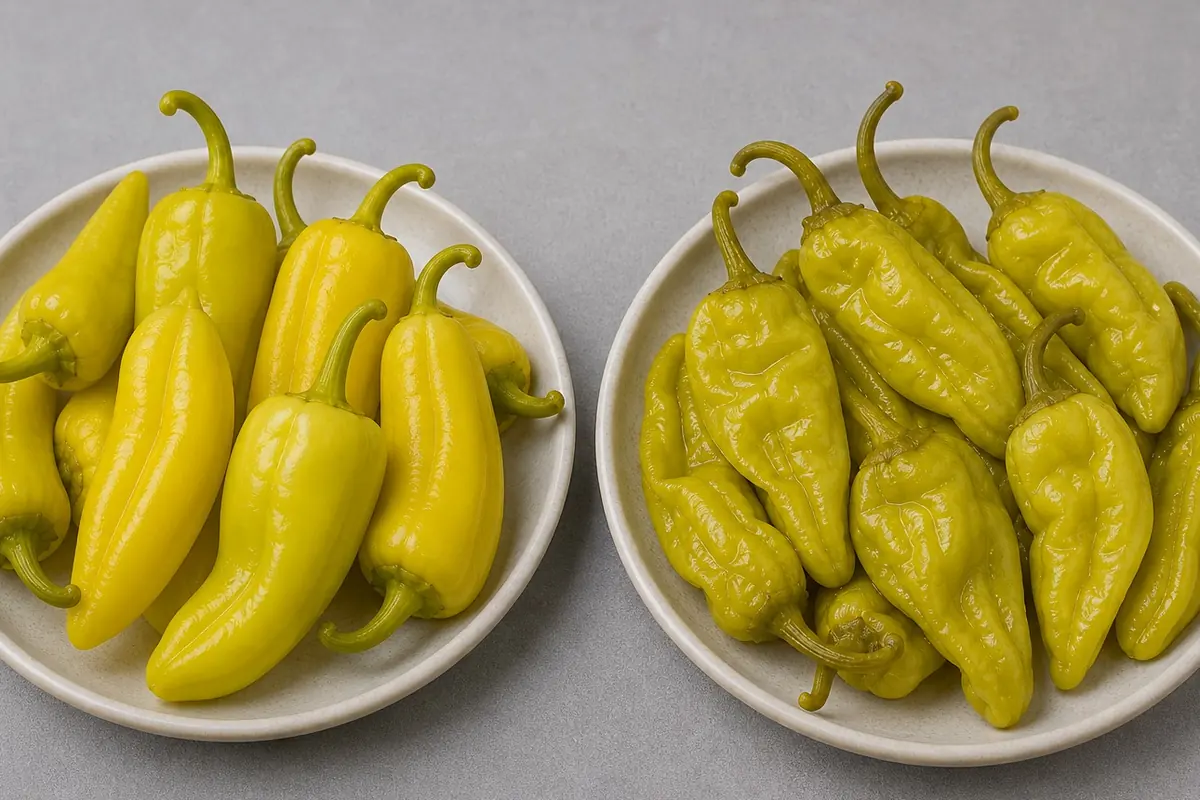
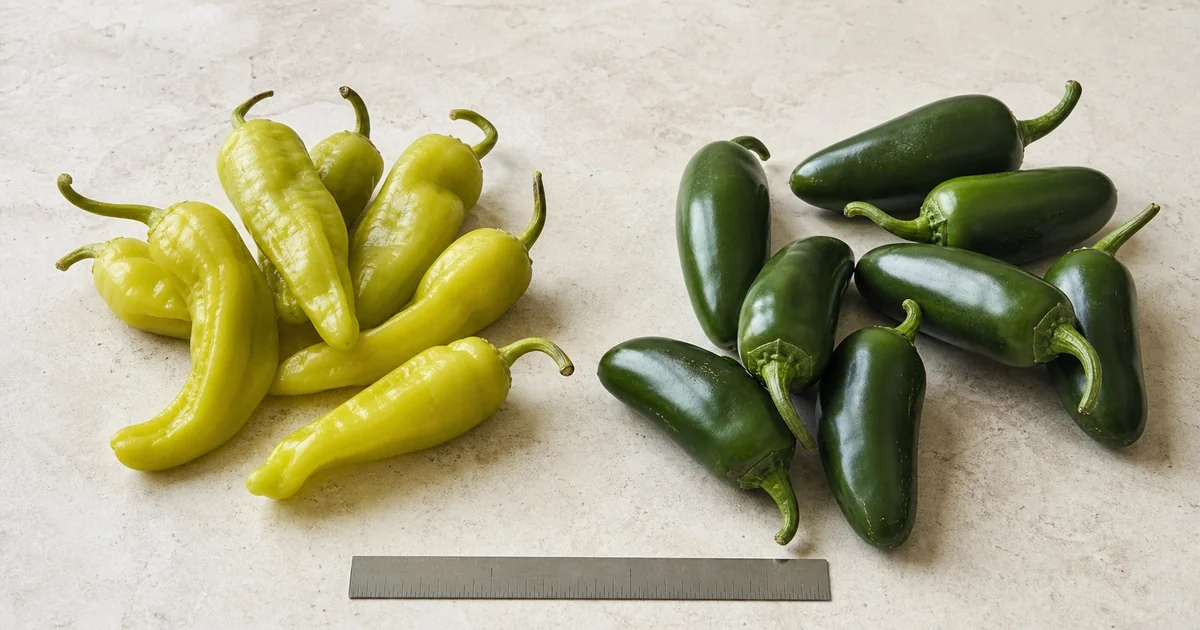
Shape and flavor separate the peppers more reliably than heat. Banana peppers are usually longer, smoother, and gently curved, with a sweet, lightly vegetal flavor.
Pepperoncini tend to be shorter and wrinkled. Their flesh tastes more tangy and mildly bitter, especially in the brined jars common in U.S. grocery stores.
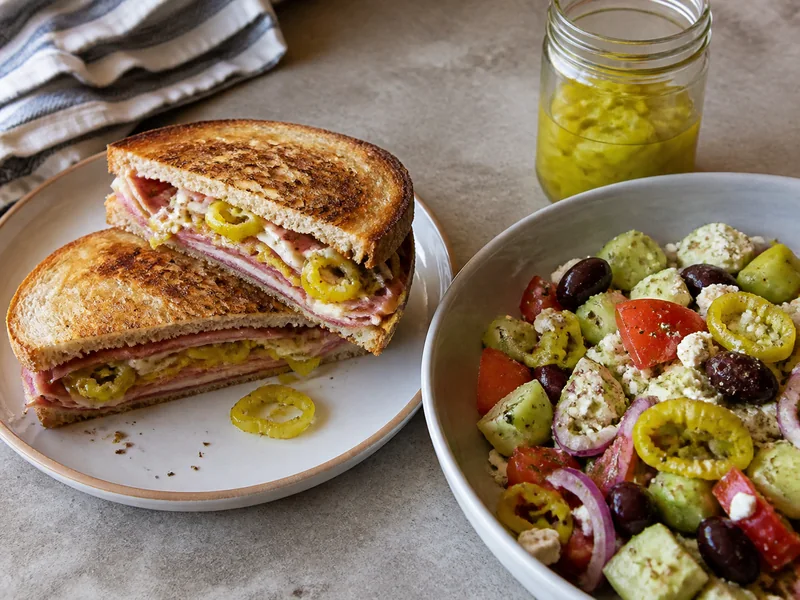
Fresh banana pepper retains a crisp ring in sandwiches or salads. Jarred pepperoncini softens sooner and contributes more acid and salt, so draining does not make the two products identical.
Roasting shifts both toward softer, sweeter flavors. Banana pepper keeps more clean sweetness, while pepperoncini retains a savory tang that fits olives, feta, cured meat, and vinaigrette.
Culinary Uses
Banana peppers shine anywhere you want mild pepper flavor with little to no heat or acidity. Fresh, they're excellent sliced into salads, stuffed with cream cheese or sausage, or layered onto sandwiches for crunch and sweetness.
Their neutral profile makes them adaptable: they won't fight other flavors. Pickled banana peppers are a standard pizza topping and a reliable sandwich addition when you want mild brightness without the sharp tang of pepperoncinis.
Stuffed banana peppers are a classic preparation: halve them, remove seeds, fill with a mixture of ricotta, herbs, and Italian sausage, then bake at 375°F until tender. The pepper's sweetness balances rich fillings beautifully.
Pepperoncinis are the workhorse of antipasto platters, Greek salads, and Italian beef sandwiches. Their brine is genuinely useful: many slow cooker pot roast recipes call for a full jar of pepperoncinis (brine included) to tenderize beef and add depth.
The acidity does real work in that context. Chopped pepperoncinis also fold well into vinaigrettes, grain salads, and olive-based spreads.
For substitution: swap banana peppers for pepperoncinis at a 1:1 ratio when you want less tang and little to no heat. Going the other direction: pepperoncinis in place of banana peppers: works at 1:1 as well, but expect a tangier, slightly more assertive result.
Neither substitution is dramatic, but it's worth knowing which direction you're moving flavor-wise.
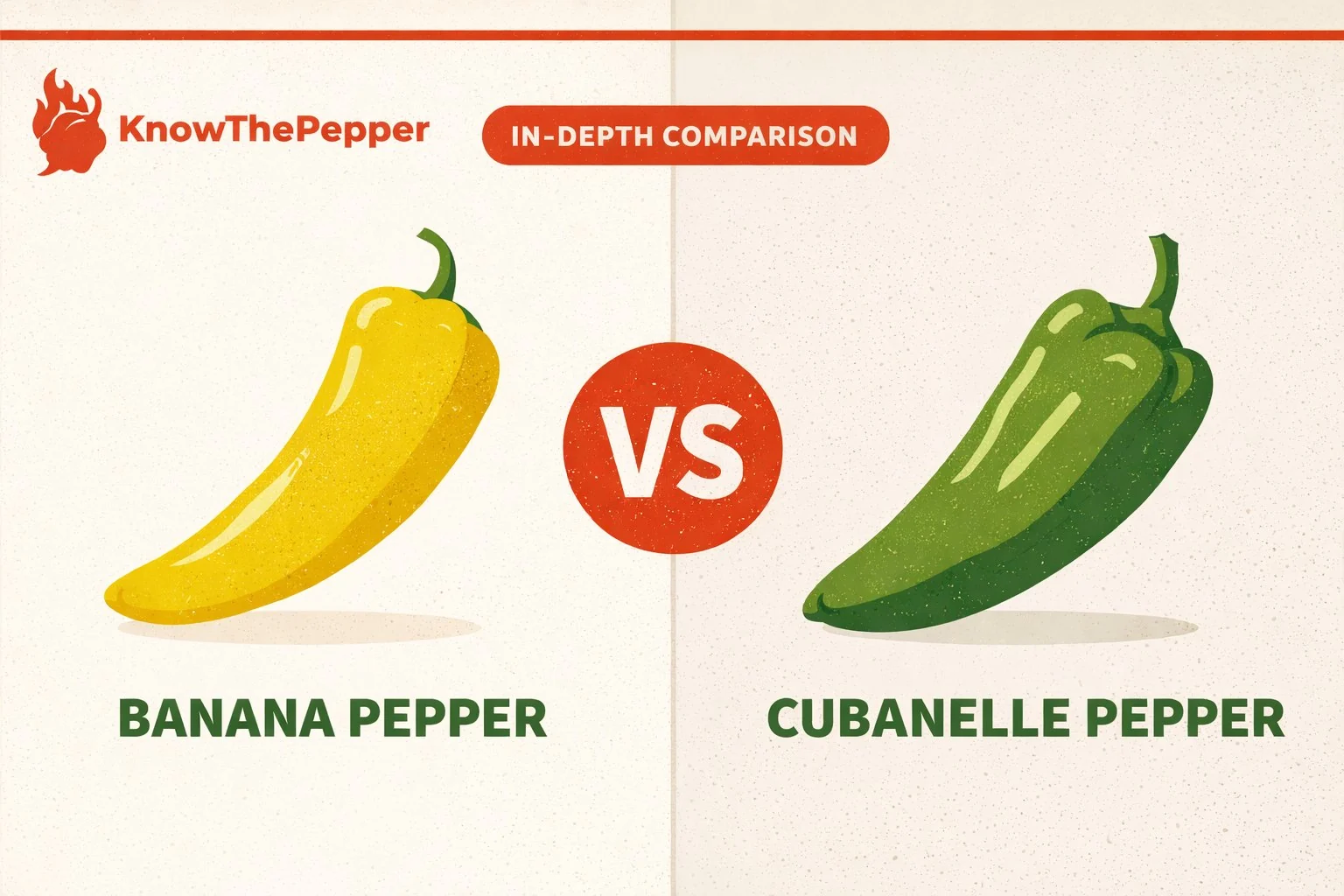
Across the sweet pepper spectrum, banana pepper and cubanelle are two peppers that often get confused in Italian-American cooking.
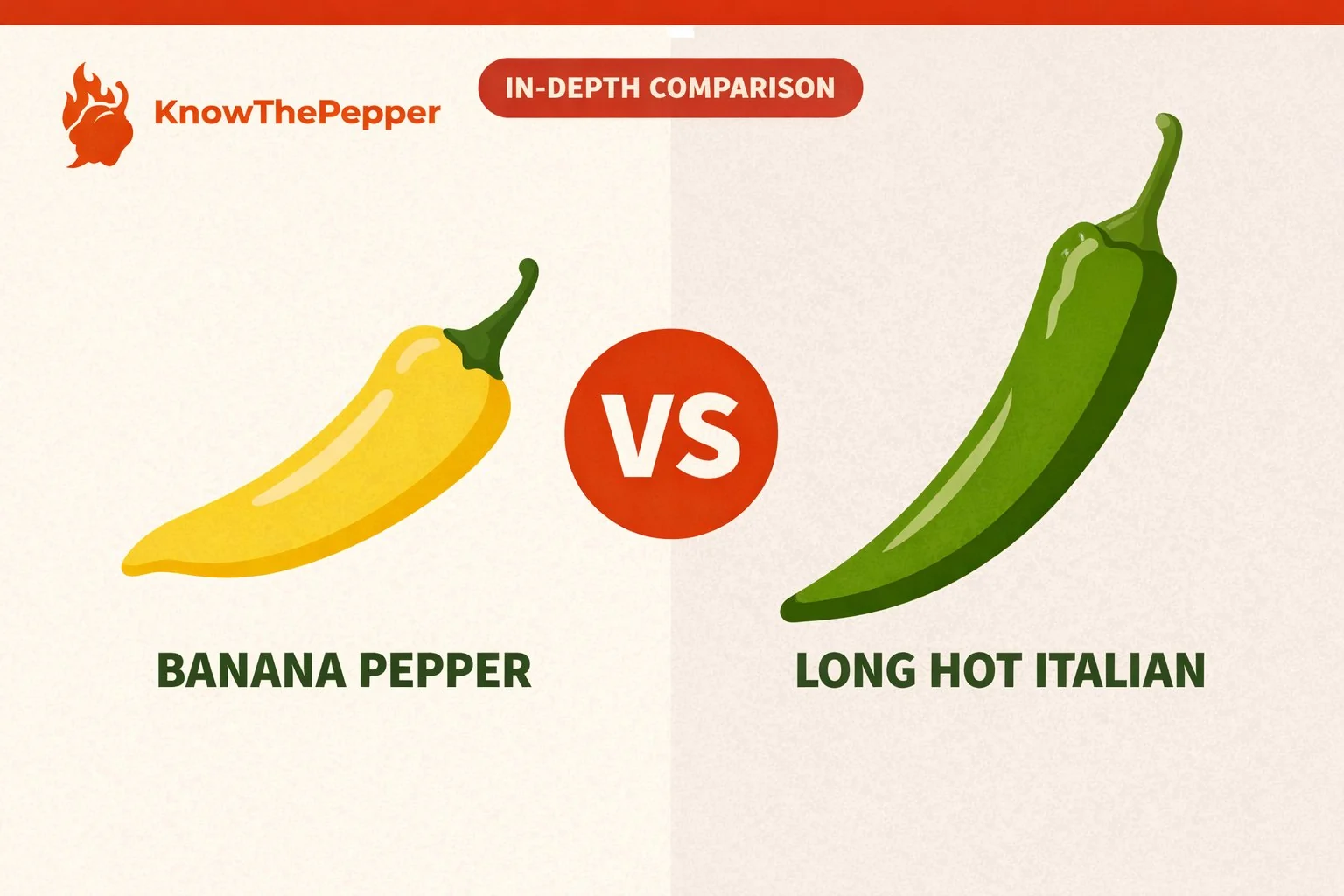
If you're working with Italian frying peppers generally, the long hot Italian is also worth a read.
Which Should You Choose, Banana Peppers or Pepperoncini?
Banana peppers are the right call when heat is off the table entirely: for kids, heat-sensitive guests, or dishes where sweetness needs to carry the flavor load. Their overlapping low heat range and clean sweetness make them genuinely versatile in both fresh and pickled applications.
Pepperoncinis are the better pick when you want complexity. That 10overlapping low heat range isn't about heat so much as character: the tang, the mild bitterness, the brine affinity.
They're the pepper that makes an Italian beef sandwich taste like an Italian beef sandwich.
For Greek salads, antipasto, or any dish where acidic brightness matters: pepperoncini. For stuffed preparations, pizza toppings, or anywhere you want mild pepper flavor without any edge: banana pepper.
The two are close enough to swap in a pinch, but knowing which one you actually want produces noticeably better results.
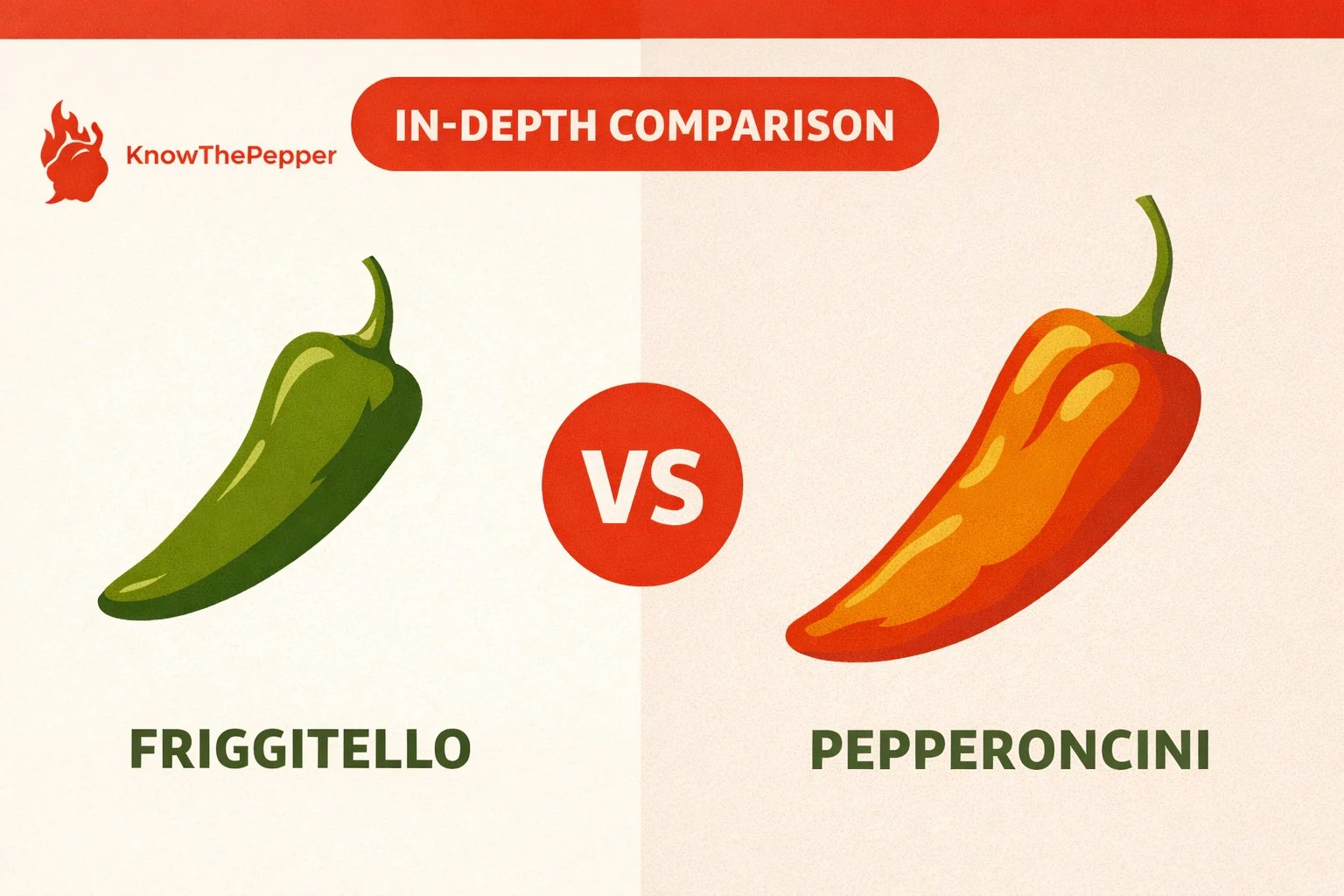
Curious how pepperoncinis compare to their closest Italian relative, The friggitello vs. pepperoncini breaks down two peppers that even Italian cooks sometimes conflate.
Decision By Recipe Type
Choose banana pepper when the dish needs visible yellow rings, gentle sweetness, and a clean pickle crunch. It is the better pepper for sub sandwiches, pizza counters, mild relish, and stuffed pepper recipes where the pod itself still matters after cooking.
Choose pepperoncini when the brine is part of the flavor. Pepperoncini usually tastes more tangy and savory, so it fits antipasto plates, chopped Italian salads, Mississippi pot roast, and jars where the liquid seasons meat or vegetables.
If the recipe says to add some of the jar liquid, pepperoncini often makes more sense than sweet banana pepper.
The swap is easiest in cold or pickled uses because both peppers sit near the same low heat band. Use 1 cup sliced banana pepper for 1 cup sliced pepperoncini when texture matters, then add a teaspoon of brine if the dish tastes too sweet.
Going the other direction, drain pepperoncini well and reduce added vinegar or salt.
For fresh cooking, banana pepper has the edge because it is often sold as a fresh pod. Pepperoncini is more often jarred in U.S. grocery stores, so it can soften faster in a hot pan.
If you are cooking sausage, onions, and peppers, fresh banana pepper keeps better shape. If you are finishing a sandwich, pepperoncini brings a sharper bite.
The practical rule is simple: choose banana pepper for mild pepper body, choose pepperoncini for briny acidity. The heat difference is small enough that flavor and form should make the decision.
Can You Substitute Banana Peppers for Pepperoncini?
Substitution limits show up most in heat-free dishes. In a cold antipasto plate, pepperoncini's brine is obvious, so banana pepper can taste too sweet unless you add a little vinegar.
On a sub sandwich, that sweetness can be useful because it balances cured meat and salty cheese.
For cooked dishes, banana pepper is safer when you need pepper shape. Pepperoncini can collapse in a pan because it is usually jarred and already softened by acid.
If you are cooking sausage and peppers, drain pepperoncini, pat it dry, and add it near the end instead of sauteing it from the start.
For pickling, do not assume the jars behave the same. Fresh banana pepper needs a full brine plan, while jarred pepperoncini already brings acid and salt.
If a recipe calls for fresh banana pepper, using jarred pepperoncini means you should reduce added vinegar and taste before salting.
For stuffing, banana pepper is the clear choice. Its pod shape and wall strength handle cheese, sausage, rice, and crumbs better.
Pepperoncini belongs more as a chopped accent or briny garnish than as the main stuffed pepper shell.
Our working ratio is 1:1 by drained volume for sandwiches and salads, 1:1 by pod count for fresh rings, and not a direct swap for stuffed peppers unless the pepperoncini are unusually large and firm.
How Do Fresh and Jarred Forms Change the Texture?
Fresh and jarred forms do not make a fair one-to-one texture comparison. U.S. grocers commonly sell banana peppers both fresh and pickled, while pepperoncini are most often found in brine.
For sandwiches, drain either pepper and blot excess brine before assembly. Banana pepper rings retain more crisp structure, while wrinkled pepperoncini season the bread more quickly with acid and salt.
On pizza, fresh or well-drained banana pepper keeps a firmer ring. Jarred pepperoncini softens faster, so add it with other salty toppings and account for its brine before seasoning the pie.
Serving Guidance
Place banana pepper rings where diners need mild crunch and pepperoncini where they need briny acidity. On sandwiches, put drained banana pepper under wet condiments to preserve texture, while pepperoncini can sit beside cheese or cured meat that benefits from its acid.
For a buffet, label the peppers by form and flavor rather than promising a heat difference. The two SHU ranges overlap, but a smooth fresh banana pod and a wrinkled pickled pepperoncini do different jobs.
Banana Pepper vs Pepperoncini FAQ
- Heat - Chile Pepper Institute, NMSU
- Pepperoncini - Capsicum annuum variety documentation
- USDA FoodData Central - Banana Peppers