

KnowThePepper
Chocolate Scotch Bonnet: A Smoky-Sweet Brown Pod, Earthier Than the Orange
The chocolate scotch bonnet is a deep brown variant of the classic Caribbean pepper, prized for its rich, smoky-sweet flavor and fierce heat. Grown primarily in Jamaica and surrounding islands, it brings a darker, earthier profile than its orange or red counterparts.
Serious gardeners seek it out for both its striking appearance and the complexity it adds to jerk marinades and Caribbean sauces.
- Species: C. chinense
- Heat tier: Extra-Hot (100K-1M SHU)
- Comparison: 13-140x hotter than a jalapeño, depending on where the jalapeño falls in its 2,500-8,000 SHU range
What Kind of Pepper Is Chocolate Scotch Bonnet?
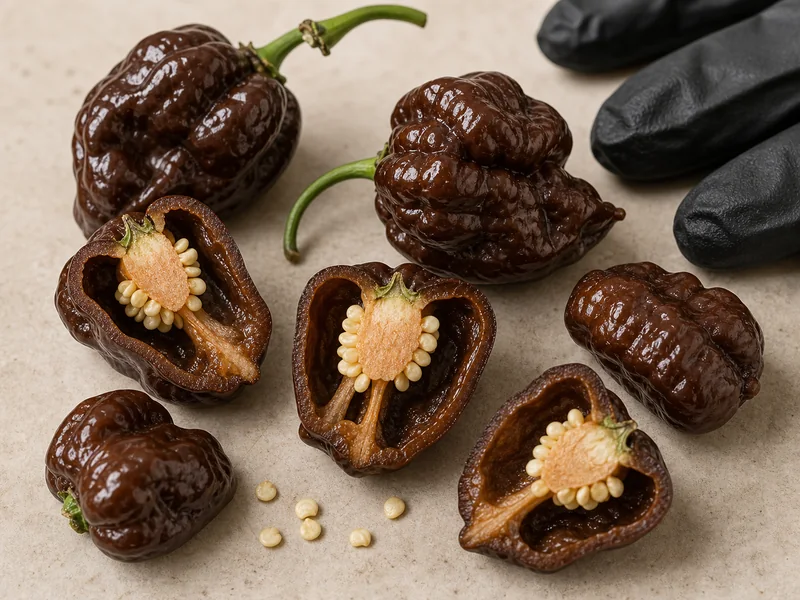
The chocolate scotch bonnet has deep mahogany skin, somewhere between dark walnut and dried tobacco leaf, and that colour signals that something different is happening here compared to the standard orange or yellow varieties most people recognize.
Botanically, this is the same Capsicum chinense species as the classic scotch bonnet, just expressing a rare color mutation that also affects flavor. The heat sits in serious territory, consistent with what you'd expect from the Chocolate Habanero, though the scotch bonnet brings a distinctly sweeter, more tropical character alongside the fire.
The fruit itself is small and squat, that signature flattened bonnet shape, roughly 1 to 1.5 inches across, with deeply lobed walls and a thin but sturdy skin. Inside, the seed cavity is packed with pale seeds surrounded by the white pith where most of the capsaicin concentrates.
Flavor-wise, the chocolate variant layers in notes that the brighter-colored types don't quite reach: a slight earthiness, hints of dark fruit, and a warmth that builds slower but lingers longer. For cooks who use scotch bonnets regularly, this version rewards attention.
It isn't just a visual novelty, the flavor difference is real enough to matter in a finished dish.
What Is the History of Chocolate Scotch Bonnet?
Scotch bonnets trace their roots to the Caribbean, where Capsicum chinense varieties were cultivated for centuries before European contact. The chocolate color variant emerged through natural genetic expression within these island populations, though it never achieved the commercial dominance of the orange or red types.
Jamaica remains the spiritual home of scotch bonnet cultivation, where the pepper is inseparable from national food identity, jerk seasoning being the most globally recognized example. The chocolate variant stayed largely within small-scale farming and home gardens, passed down through seed-saving traditions rather than commercial production.
Interest from specialty growers in North America and Europe expanded its reach significantly over the past two decades. Today, seed companies and hot pepper enthusiasts treat it as a collector's variety, something worth growing specifically for its flavor depth and visual contrast to the more common types.
Browse the broader Caribbean and global pepper tradition to understand how deeply these varieties shaped regional cuisines.
What Does Chocolate Scotch Bonnet Taste Like, and How Hot Is It?
The Chocolate Scotch Bonnet delivers 100K–350K Scoville Heat Units, placing it in the Extra-Hot tier (100K-1M SHU). That makes it roughly 13-140x hotter than a jalapeño, depending on where the jalapeño falls in its 2,500-8,000 SHU range.
How Nutritious Is Chocolate Scotch Bonnet?
Like other Capsicum chinense varieties, the chocolate scotch bonnet delivers meaningful nutritional value relative to the small quantities typically consumed. Scotch bonnets are rich in vitamin C - a single pepper can provide well over 100% of daily requirements, along with vitamin A from carotenoid compounds.
The capsaicin responsible for heat has been studied for potential metabolic and anti-inflammatory effects, though amounts consumed in cooking are modest. The mild-to-scorching pepper heat classification system helps contextualize where this pepper sits relative to everyday options like the sweet, zero-heat cooking workhorse most people keep in their refrigerator.
What Is Chocolate Scotch Bonnet Best Used For?
Pepper pot soup is where the chocolate scotch bonnet earns its reputation. That slow-cooked, deeply savory Caribbean stew absorbs the pepper's earthier notes in a way that lighter-colored scotch bonnets simply don't replicate, the darker flavor compounds integrate beautifully over long cooking times.
For jerk applications, the chocolate variant adds visual intrigue to marinades while contributing a slightly more complex heat profile. Blended with allspice, thyme, garlic, and green onion, it produces a jerk paste with more depth than the standard recipe.
Fresh salsas and Caribbean-style hot sauces benefit from the contrast too. Pair it with mango or pineapple, the tropical fruit sweetness cuts through the earthy heat in a way that feels intentional rather than accidental.
Handle with serious respect. The fiery citrus heat of the Fatalii sits in a similar intensity range, and both demand gloves during prep.
Removing seeds and pith drops the heat considerably without eliminating the flavor.
Dried chocolate scotch bonnets concentrate the earthy notes even further, making them excellent ground into spice blends or rehydrated for sauces. A single dried pepper in a pot of rice and beans adds complexity without overwhelming the dish.
How Do You Keep Chocolate Scotch Bonnet Fresh?
Fresh chocolate scotch bonnets appear occasionally at Caribbean grocery stores and farmers markets in areas with large West Indian communities. Online specialty retailers and seed-to-table growers are more reliable sources.
Look for firm, unblemished fruits with fully developed brown color, any green tinges mean under-ripeness and less developed flavor. Fresh peppers keep 1-2 weeks refrigerated in a paper bag.
For longer storage, freezing whole works well, no blanching required. Dried chocolate scotch bonnets, either whole or ground, store up to a year in an airtight container away from light.
The drying process concentrates both heat and that distinctive earthy flavor.
What Is a Good Substitute for Chocolate Scotch Bonnet?
No dedicated substitute guidance is published for Chocolate Scotch Bonnet yet.
How Do You Grow Chocolate Scotch Bonnet at Home?
Starting seeds indoors 10-12 weeks before last frost gives this pepper the long season it needs. Germination can be stubborn, soil temperatures between 80-85°F consistently produce the best results.
A heat mat under the seed tray is worth the investment.
For growers curious about how heat mat setups and transplant timing work across different pepper varieties, the step-by-step guidance on growing ghost peppers covers techniques that apply directly here, both are Capsicum chinense varieties with similar temperature requirements.
This pepper wants heat and dislikes cold roots. Transplant only after nighttime temperatures stay reliably above 55°F. Raised beds or dark-colored containers that absorb solar heat outperform in-ground planting in marginal climates.
The plants grow 2-3 feet tall with a bushy habit, producing dozens of fruits per season under good conditions. Full sun, at least 6-8 hours daily, is non-negotiable for fruit development and color expression.
For the chocolate color to fully develop, leave fruits on the plant until they've completely transitioned from green through intermediate stages to that deep brown. Harvesting early produces green peppers with less developed flavor.
Consistent watering without waterlogging encourages steady fruit set.
Calcium deficiency shows up as blossom end rot, so a balanced fertilizer matters.
Chocolate Scotch Bonnet FAQ

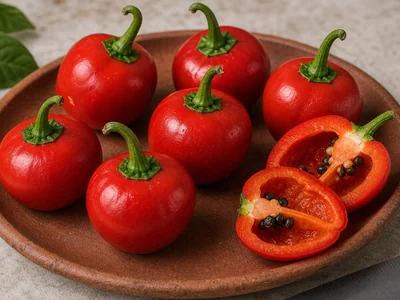


- CARDI - Genuine Caribbean Hot Pepper Seed
Species classification: C. chinense - based on published botanical taxonomy.