

KnowThePepper
Guindilla Pepper: The Tangy Basque Chile Pickled in Pintxos Bars
The guindilla pepper is a slender Spanish chile with 1,000 to 2,000 SHU and a bright, tangy flavor that sets it apart from most European peppers. Grown primarily in the Basque Country, it shows up pickled in pintxos bars and fresh in traditional stews.
The heat is gentle enough for everyday cooking, but the acidity and grassy notes keep every bite interesting.
- Species: C. annuum
- Heat tier: Medium (1K-10K SHU)
What Is Guindilla Pepper Known For?
Pick up a guindilla and the first thing you notice is the aroma, a clean, grassy brightness with a faint vinegary edge, especially if it has been pickled. On the palate, the tanginess lands before the heat, followed by a mild warmth that sits comfortably in the medium heat pepper range without ever threatening to overwhelm.
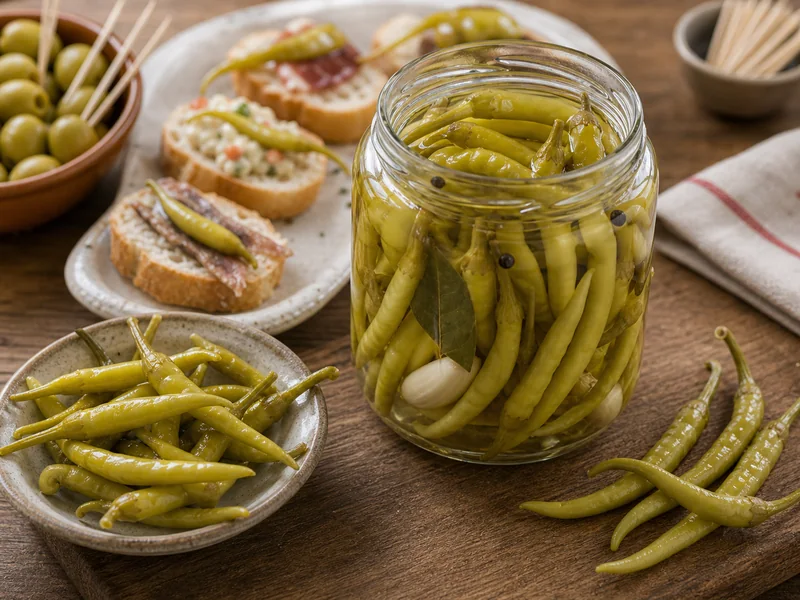
The pepper itself is elongated and slender, typically 4 to 6 inches long, tapering to a gentle point. Fresh guindillas are pale green, ripening to yellow and eventually red.
Most of the commercial harvest in Spain gets packed in vinegar brine, which amplifies that characteristic tang and preserves the crisp texture.
1,000 to 2,000 SHU puts the guindilla at roughly the same intensity as a mild tangy dried chile with earthy backbone or a fresh grassy-mild Mexican chile. The heat is real but measured, a slow, pleasant warmth rather than an aggressive burn.
Belonging to the main Capsicum annuum species line, the same species that includes bell peppers and jalapeños, the guindilla expresses the clean, slightly sweet traits common to that family while adding its own acidic personality. It is one of the defining flavors of Spanish pepper tradition and deserves more attention outside the Iberian Peninsula.
What Is the Origin of Guindilla Pepper?
The guindilla traces its roots to the Basque Country of northern Spain, where it has been cultivated for centuries as part of the region's distinct food culture. The name itself, from the Spanish guindilla, meaning "small cherry" or referring to its tapered shape, appears in Spanish food records dating back several hundred years.
Basque farmers developed pickling techniques that became inseparable from the pepper's identity. Pickled guindillas, known as piparras when sourced from the Ibarra region, earned a Protected Geographical Indication designation from the European Union, recognizing their specific terroir and traditional production methods.
The pepper spread gradually through Spanish cuisine beyond the Basque region, appearing in Andalusian tapas bars and Catalan markets. Outside Spain, it remains relatively obscure, a hidden characteristic of Basque cooking that serious chefs are increasingly importing.
What Does Guindilla Pepper Taste Like, and How Hot Is It?
The Guindilla Pepper delivers 1K–2K Scoville Heat Units, placing it in the Medium tier (1K-10K SHU).
Flavor notes: bright and tangy.
What Nutrients Does Guindilla Pepper Provide?
A 100g serving of fresh guindilla peppers provides approximately 30 to 35 calories, mostly from carbohydrates. Like other C. annuum peppers, guindillas are a solid source of vitamin C - fresh specimens can deliver 80 to 100mg per 100g, well above the daily recommended intake.
They also contain vitamin B6, potassium, and modest amounts of vitamin A from carotenoid pigments. The capsaicin content, while low at 1,000 to 2,000 SHU, still activates thermogenic responses per capsaicin.
Pickled guindillas carry added sodium from the brine, worth noting for anyone monitoring salt intake.
How Do You Use Guindilla Pepper in the Kitchen?
Guindillas shine brightest in their pickled form. The vinegar brine sharpens the natural tang and makes them ideal for pintxos, those small Basque bar snacks where a single pickled guindilla draped over an anchovy on bread is considered a complete, perfect bite.
Fresh guindillas work well in sautéed vegetable dishes, fried quickly in olive oil with garlic the way Spanish cooks handle pimientos de padrón. The heat stays mild enough that you can use them generously without worrying about overpowering other ingredients.
For homemade hot sauce, blending pickled guindillas with olive oil, garlic, and a splash of sherry vinegar produces a condiment that is more tangy than hot, excellent on grilled fish or roasted vegetables. They also work well ground into fresh chili powder blends where you want color and mild heat without smokiness.
Compared to the Aji Panca or the Pasilla Pepper, guindilla is lighter and more acidic, the kind of pepper that brightens a dish rather than deepening it.
For a substitute, pepperoncini is the closest thing on most shelves.
It is also sold pickled and also valued for tang over heat, and at 100 to 500 SHU it sits below the guindilla's 1,000 to 2,000 range rather than above it.
Expect a milder, slightly sweeter result. Keep the brine, because that is where most of the shared character lives.
Where a recipe wants the guindilla's acidity specifically, a splash of the jar brine does more than swapping in a hotter pepper would.
Reaching for a fresh chile of matching heat misses the point. The vinegar and the crisp waxy skin are doing as much work here as the capsaicin.
Where Can You Buy Guindilla Pepper, and How Do You Store It?
Pickled guindillas are the easiest form to find outside Spain, look for jars labeled piparras or guindillas en vinagre at Spanish specialty grocers or online importers. Quality jars should show pale green peppers in a clear brine with minimal additives.
Fresh guindillas appear occasionally at farmers markets in areas with Spanish immigrant communities. Store fresh peppers in the refrigerator crisper drawer for up to one week.
Once opened, jarred guindillas keep refrigerated for 3 to 4 weeks - keep them submerged in brine.
For comparison, Korean Green Pepper are similar, though guindillas are more acidic and hold texture longer in brine.
Dried form: Guindilla is a brined pepper rather than a dried one, and most of the Spanish commercial harvest goes straight into vinegar.
Drying works against everything this pepper offers. The flavour is a clean grassy brightness with a vinegary edge, and the texture is crisp.
Both are properties of a fresh pod held in brine, and neither survives dehydration.
The brine is also what amplifies the tang the pepper is bought for. Vinegar sharpens the natural acidity rather than masking it, which is why a pickled guindilla tastes more like itself than a fresh one does.
Jarred is therefore the normal form outside Spain, sold as piparras or guindillas en vinegar.
Fresh pods turn up occasionally at farmers markets in areas with Spanish communities, and they keep about a week refrigerated.
Once a jar is open, three to four weeks refrigerated is the working window, with the peppers kept under the brine throughout.
What Is a Good Substitute for Guindilla Pepper?
No dedicated substitute guidance is published for Guindilla Pepper yet.
How Do You Start and Grow Guindilla Peppers?
Guindilla plants behave like most C. annuum varieties, they want warmth, consistent moisture, and patience during germination. Start seeds indoors 8 to 10 weeks before the last frost date.
Soil temperature should reach at least 70°F for reliable germination, which typically takes 10 to 14 days.
Transplant outdoors once nighttime temperatures stay consistently above 55°F. Plants reach 24 to 36 inches tall and benefit from staking as the fruit load increases.
Full sun is non-negotiable, guindillas grown in partial shade produce fewer peppers with less pronounced flavor.
Spacing at 18 inches apart allows good airflow, which matters in humid climates where fungal issues are a concern. Water deeply but infrequently rather than with shallow daily irrigation.
The grow peppers from seed covers timing specifics for different growing zones.
For growers familiar with the Hatch Chile or the NuMex Big Jim, guindillas are comparatively low-maintenance. Harvest begins around 70 to 80 days from transplant.
Pick regularly to encourage continued production, leaving mature fruit on the plant signals it to stop flowering.
Guindilla Pepper FAQ


- The Spice Library - Chiles, Guindilla
- Guindilla Vasca - Wikipepper
- Chile Pepper Institute, New Mexico State University
Species classification: C. annuum - based on published botanical taxonomy.