

KnowThePepper
NuMex Centennial Pepper: Ornamental Mild Heat (1,000-5,000 SHU)
NuMex Centennial is an ornamental annuum with 1,000-5,000 SHU and strong multicolor pod staging on compact plants. We treat it as a display-first variety that can still supply light cooking heat.
- Species: C. annuum
- Heat tier: Medium (1K-10K SHU)
- Comparison: the same heat range as a jalapeño because their published ranges overlap
What Makes NuMex Centennial Pepper Different?
The NuMex Centennial was bred at american peppers as part of a broader push to develop ornamental peppers that didn't sacrifice edibility. The name commemorates NMSU's centennial anniversary, which gives you a rough date anchor for its development.
The useful part for growers is that the pods are genuinely practical in cooking. At 1,000-5,000 SHU, they fall squarely into the medium heat category - hotter than a bell pepper, softer than a serrano.
For reference, a typical Anaheim tops out around 2,500 SHU, so the NuMex Centennial can push twice that on the high end.
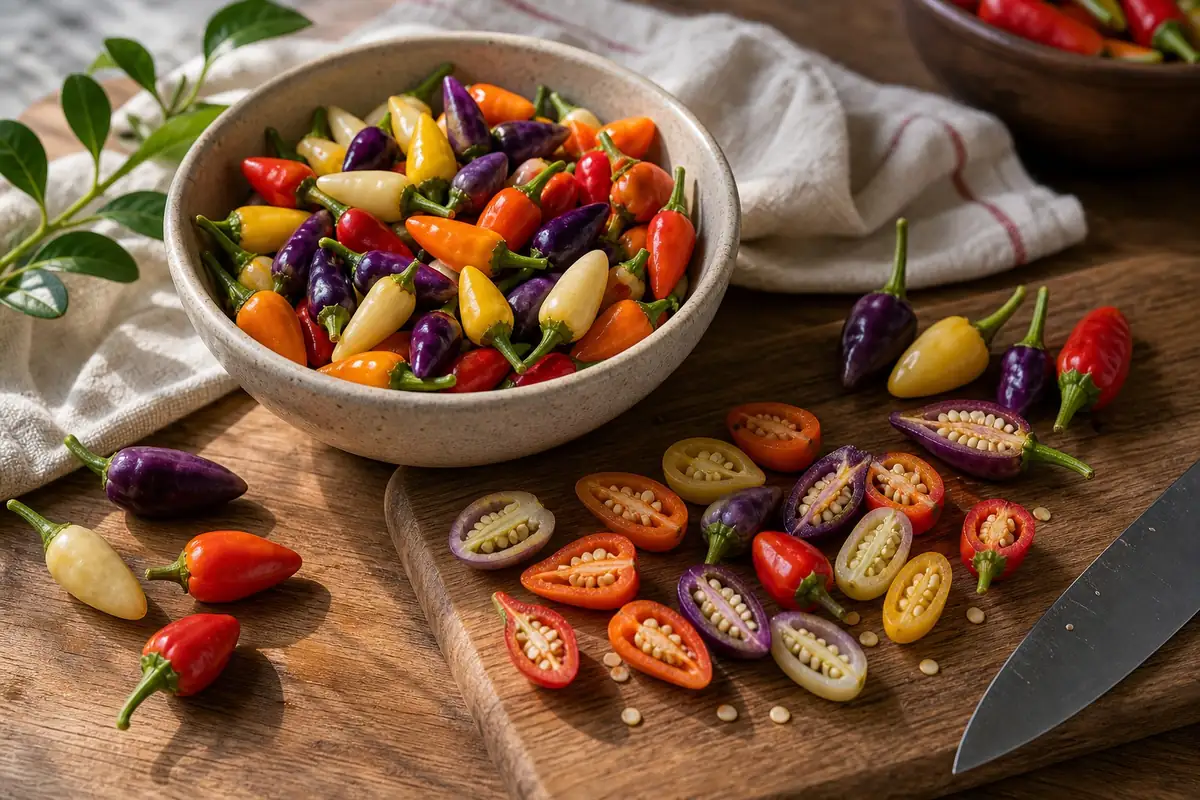
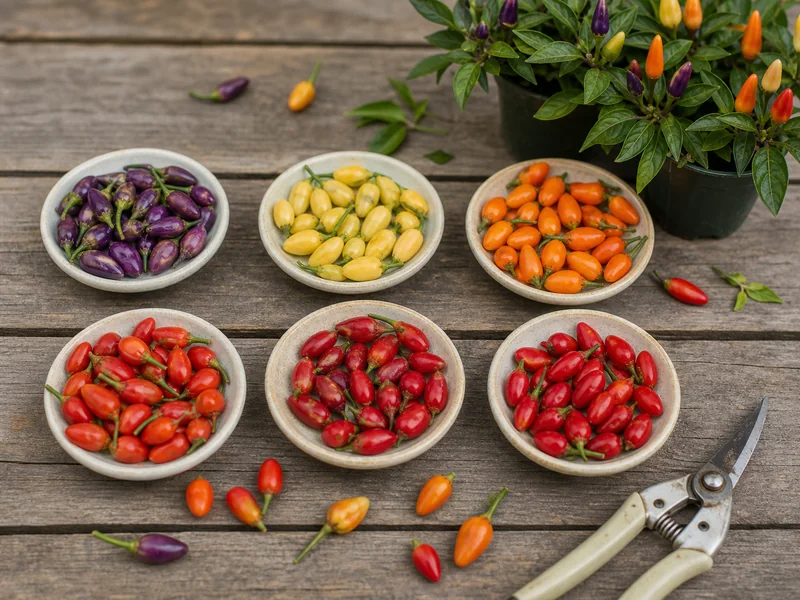
The plant produces dozens of small, upright pods that cycle through yellow, orange, and red as they ripen. That color progression is the main reason it became popular as an ornamental, but the flavor follows a familiar Capsicum annuum as a cultivated species pattern: clean, slightly sweet heat with a thin-walled pod that dries quickly.
Compact growth habit makes this variety practical for containers or border plantings. You get an attractive plant that also happens to yield usable chiles, that dual-purpose nature is exactly what the NMSU breeders were after.
Don't write it off as purely decorative.
What Is the Origin of NuMex Centennial Pepper?
New Mexico State University has a long track record of breeding peppers for specific purposes, and the NuMex Centennial fits squarely into that tradition. The variety was developed to mark NMSU's 100th anniversary, placing its introduction in the early 1990s.
The Chile Pepper Institute at NMSU has historically focused on heat management, flavor development, and disease resistance. With the Centennial, the goal shifted toward ornamental appeal without abandoning edibility, a balance that wasn't common in ornamental pepper breeding at the time.
New Mexico's pepper culture runs deep, shaped by centuries of cultivation in the Southwest. The state's regional pepper tradition is defined by varieties like the Hatch chile, and the NuMex program has consistently produced cultivars that reflect that heritage.
The Centennial sits at an interesting intersection: bred for visual impact but rooted in the same agricultural science that produced serious cooking varieties.
How Hot Is NuMex Centennial Pepper? Heat and Flavor
The NuMex Centennial Pepper delivers 1K–5K Scoville Heat Units, placing it in the Medium tier (1K-10K SHU). That makes it roughly the same heat range as a jalapeño because their published ranges overlap.
How Nutritious Is NuMex Centennial Pepper?
Like most C. annuum varieties, the NuMex Centennial provides a solid dose of vitamin C - red-ripe pods especially, where ascorbic acid content peaks during the final ripening stage. Capsaicin, the compound responsible for the burn, interacts with TRPV1 receptors and has been studied for its role in metabolism and pain response.
Calorie count per pod is negligible given the small pod size.
The real nutritional value comes from antioxidants, particularly carotenoids like beta-carotene and capsanthin that accumulate as pods turn red. These compounds are also what give ripe pods their deep color.
Which Dishes Suit NuMex Centennial Pepper?
Small pods mean small amounts of flesh, so the NuMex Centennial works best where you want heat and color without bulk. Dried pods are probably the most practical application, the thin walls dehydrate fast, and the finished product can be crumbled into spice blends or rehydrated for sauces.
Fresh pods at the red stage carry the most heat. Yellow pods are milder and work well pickled, where their brightness holds up nicely in the brine.
This color-to-heat relationship is worth paying attention to if you're cooking for guests with different tolerances.
For grilling applications, the small size is a limitation unless you're using a grill basket or skewer. Check out practical guidance on peppers for grilling if you want to make the most of smaller pod varieties.
The heat profile is clean rather than fruity, no pronounced sweetness or smokiness, which opens it to more uses as a background heat source. Think of it as a step up from the Morita Pepper without the complexity.
Dishes that want straightforward warmth without a dominant flavor note benefit from that neutrality.
Salsas, dry rubs, and infused oils are natural fits.
How Do You Keep NuMex Centennial Pepper Fresh?
NuMex Centennial is primarily a seed purchase rather than a fresh market find. Baker Creek and several specialty seed suppliers carry it.
Look for seed packets labeled specifically as NuMex Centennial rather than generic ornamental pepper mixes, which may lack the edibility characteristics.
Fresh pods, if you grow your own, keep 1-2 weeks refrigerated in a paper bag. For longer storage, drying is the practical choice, thin walls mean pods air-dry in 3-5 days in low humidity, or use a dehydrator at 125°F for faster results.
Dried pods keep up to a year in an airtight container away from light.
What Can You Use Instead of NuMex Centennial Pepper?
No dedicated substitute guidance is published for NuMex Centennial Pepper yet.
How Do You Start and Grow NuMex Centennial Peppers?
NuMex Centennial grows compactly, typically under 18 inches, which makes it one of the better container options among medium-heat varieties. That compact habit also means it performs well in raised beds where space is limited.
Start seeds indoors 8-10 weeks before your last frost date. Soil temperature for germination should be 75-85°F.
Below that and germination slows significantly.
A heat mat under the tray makes a real difference. For a full indoor starting, the basics apply here just as they do for other annuums.
Once established, this plant is relatively low-maintenance.
It tolerates heat well, which makes sense given its New Mexico breeding background. Full sun and consistent moisture during pod development keep the color progression vivid.
The upright pod habit means fruit stays visible and doesn't get lost in the foliage, useful if you're harvesting at specific color stages. Pick pods at yellow for milder heat, or leave them to cycle through orange to red for the full 5,000 SHU potential.
Learning deseed peppers is worth it here since the small pod size makes deseeding fiddly. Thin-walled pods are prone to tearing, so a small paring knife beats trying to do it by hand.
NuMex Centennial Pepper FAQ


- Capsicum annuum L. - USDA GRIN Taxonomy
Species classification: C. annuum - based on published botanical taxonomy.