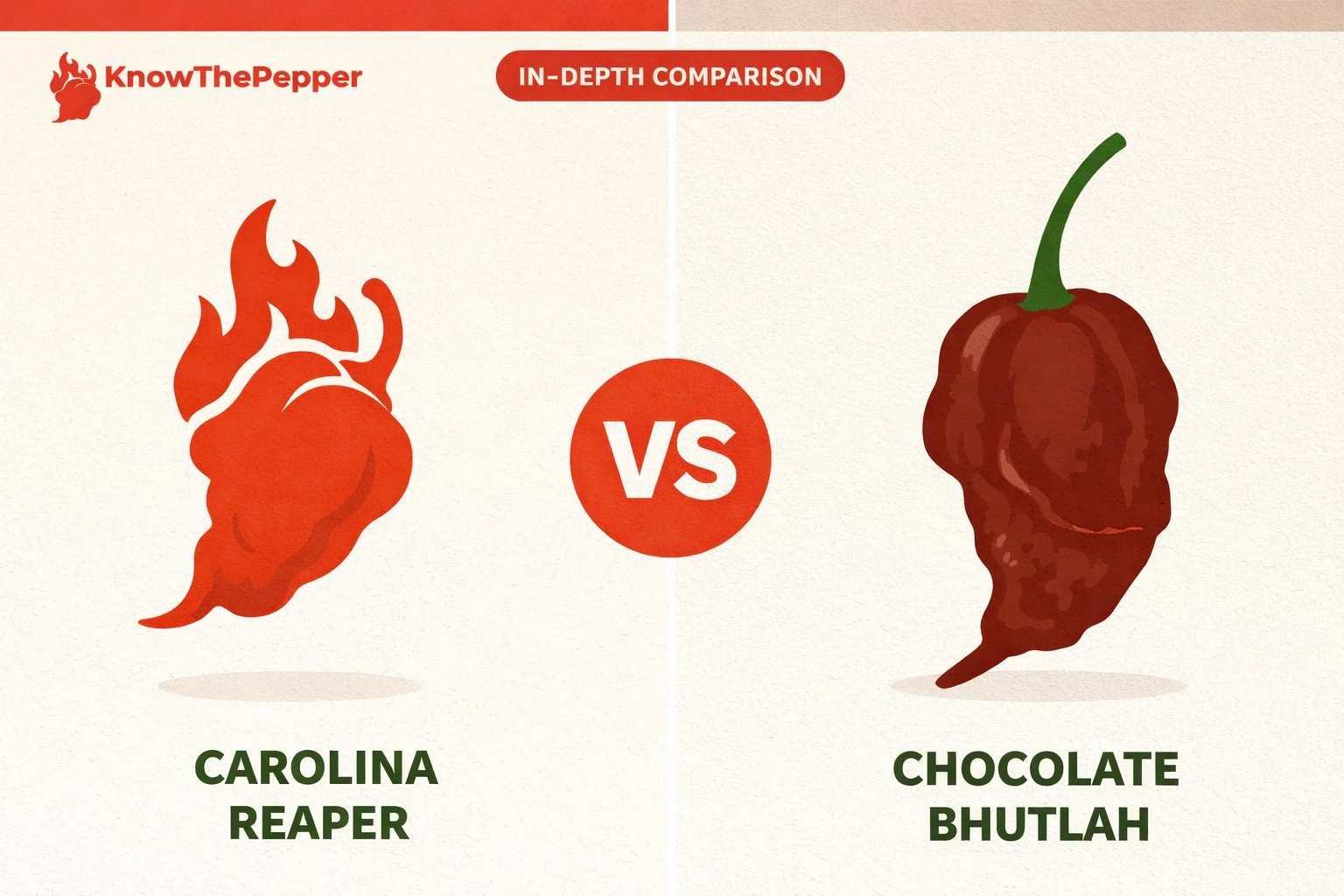
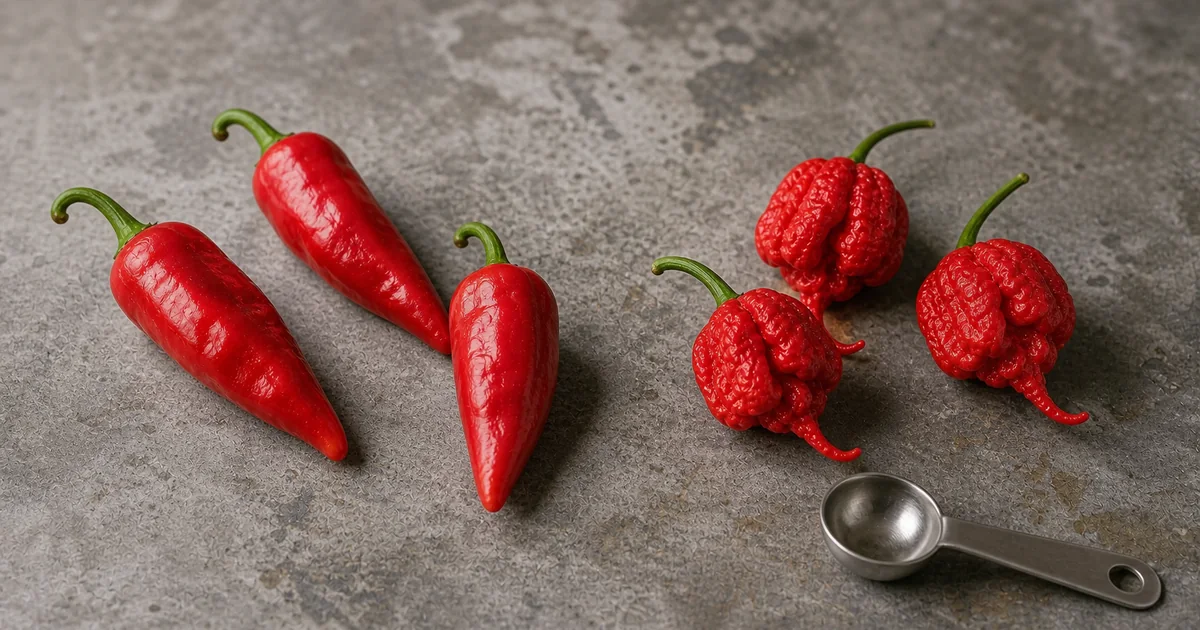
Carolina Reaper vs Pepper X: A Smaller Heat Gap Than the Headlines Suggest
Pepper X is hotter than the Carolina Reaper, but the practical gap is smaller than many headlines imply. Guinness lists Pepper X at 2,693,000 SHU, while Carolina Reaper is commonly cited at 1,400,000-2,200,000 SHU with a Guinness average near 1.64 million SHU. Pick Reaper for fruitier, more usable sauce heat. Pick Pepper X when verified record-level heat is the point.

Carolina Reaper
Super-HotPepper X
Super-HotQuick Comparison
| Attribute | Carolina Reaper | Pepper X |
|---|---|---|
| Scoville evidence | 1.4M-2.2M SHU | 2.7M-2.7M SHU |
| Heat Tier | Super-Hot | Super-Hot |
| vs Jalapeño | 275x hotter | 337x hotter |
| Flavor | fruity and sweet | fruity and earthy |
| Species | C. chinense | C. chinense |
| Origin | USA | USA |
How Much Hotter Is Pepper X Than Carolina Reaper?
Pepper X is hotter than the Carolina Reaper, but the cleanest comparison depends on which measurement you mean. Guinness reported Pepper X at 2,693,000 SHU as an official average.
The Carolina Reaper's widely cited Guinness average is about 1,641,183 SHU, while many grower and reference ranges list Reaper pods around 1,400,000-2,200,000 SHU.
Those two baselines answer different reader questions. Against the Guinness average, Pepper X is about 1.6 times hotter.
Against the Reaper's common upper range of 2.2 million SHU, Pepper X is about 1.2 times hotter. So the old same-heat shorthand is not accurate, but neither is the idea that Pepper X is three or four times hotter in practical recipe math.
Both peppers are still in the super-hot heat tier, and both owe most of their burn to capsaicin concentrated in the placenta tissue rather than the seeds. NMSU's Chile Pepper Institute notes that super-hot peppers above one million SHU are built differently inside, with more internal tissue available for capsaicinoid production.
That anatomy explains why tiny pieces can heat a full sauce batch.
For jalapeño context, Carolina Reaper at 1.4M-2.2M SHU runs about 175-880 times hotter than a jalapeño's 2,500-8,000 SHU range. Pepper X at 2,693,000 SHU runs about 337-1,077 times hotter.
The exact multiplier changes with the baseline, so we use ranges instead of a single dramatic number.
The most useful way to read the gap is by use case. For a record question, the Guinness average matters most: Pepper X is the hotter certified record holder.
For a sauce recipe, the upper range matters more because a hot Reaper batch can already sit near 2.2 million SHU. That is why we describe Pepper X as clearly hotter, but not as a completely different kitchen category.
Both peppers still require micro-dose handling.
How Do Carolina Reaper and Pepper X Taste Different?
The heat numbers are close enough that flavor and format decide the kitchen choice. Carolina Reaper is the sweeter, brighter pepper.
In tiny doses it can show fruit, citrus, and a floral Capsicum chinense aroma before the burn takes over. That makes it easier to use in mango hot sauce, pineapple vinegar sauce, and fermented fruit mashes.
Pepper X reads darker: fruity, earthy, and more savory once diluted. It can work in fermented garlic sauce, oil infusion, or barbecue glaze where the base already has body.
If the sauce is raw, thin, and bright, Pepper X can flatten the flavor before the eater notices anything but heat.
The shared breeder matters, but it does not make the peppers interchangeable. Ed Currie's Reaper became useful because sauce makers could dose it for both heat and fruit.
Pepper X is more controlled and more extreme, so we treat it as a record-level ingredient first and a flexible pantry pepper second.
In practical sauce formulas, Reaper flavor survives better in bright formulas because fruit, vinegar, and salt can carry its sweetness. Pepper X needs more dilution before the earthy note becomes pleasant.
That does not make one pepper better.
This means the Reaper is easier to use when the sauce should taste like food first and heat second. Pepper X works best when the label, recipe, or tasting format tells people that record heat is the main feature.
Culinary Uses
Use Carolina Reaper when you want a known superhot with more accessible pods, seed stock, and sauce-making history. It is still dangerous in excess, but a tiny weighed amount can bring fruit-forward heat to a quart of fermented hot sauce without turning the whole recipe into a record attempt.
Use Pepper X when the goal is controlled record heat in a product or sauce where it is clearly named. Because pods and seeds are tightly controlled, most home cooks will meet Pepper X through authorized sauces rather than raw peppers.
That changes the recipe decision: you are often choosing a sauce built around Pepper X, not replacing one fresh pod with another.
For a homemade sauce test, start with the Reaper if you have both. Build the sauce around fruit, vinegar, salt, and garlic, then increase heat slowly.
If you are adapting a Reaper recipe to Pepper X powder or mash, reduce the starting amount and taste in stages. The heat gap is real, but flavor dilution matters more than chasing exact SHU math.
The format also changes the choice.
Dried Reaper powder can be weighed into a rub or sauce with repeatable results.
Pepper X is more often encountered as a finished sauce or proprietary mash, so you may be adjusting an existing product rather than dosing raw pepper. If a recipe needs a fresh pepper texture, neither one is a clean answer.
Move down to a less extreme Capsicum chinense pepper and keep these two for heat concentrates.
Which Should You Choose, Carolina Reaper or Pepper X?
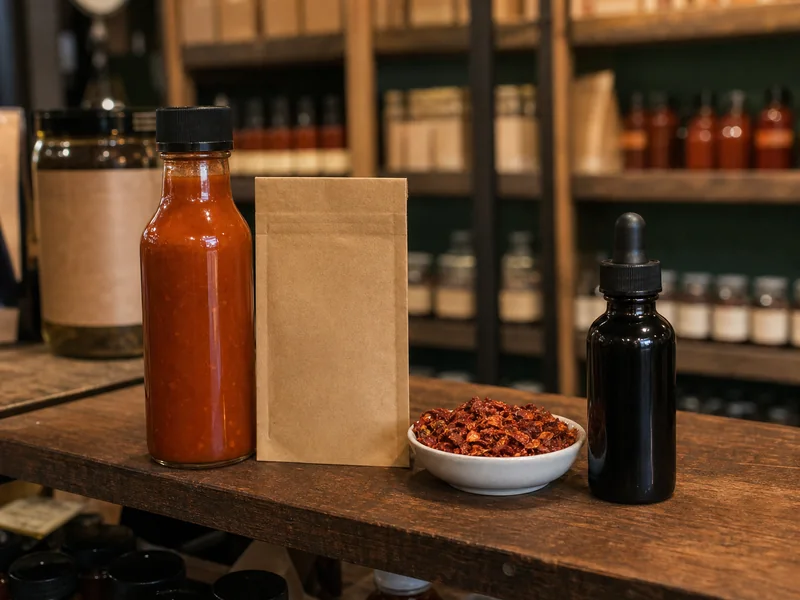
If you want the more useful working pepper, choose Carolina Reaper. Its fruit-forward heat is easier to source, easier to dose, and easier to build into hot sauce without losing the rest of the recipe.
It is still extreme, but it behaves more like an ingredient.
Choose Pepper X when the record itself matters. It is hotter by Guinness record math, more tightly controlled, and better suited to named Pepper X sauces or extreme-heat tastings than casual recipe swaps.
The practical verdict is simple: Reaper is the better cooking tool. Pepper X is the stronger record signal.
Both sit in the Capsicum chinense super-hot family, and both require measured handling instead of pod-count guessing.
- Choose Pepper X when the official record itself is the subject.
- Choose Carolina Reaper when you need a traceable fresh pod or seed source.
- Choose a measured commercial product when repeatable dosing matters more than pod identity.
Which Is Better for Homemade Hot Sauce?
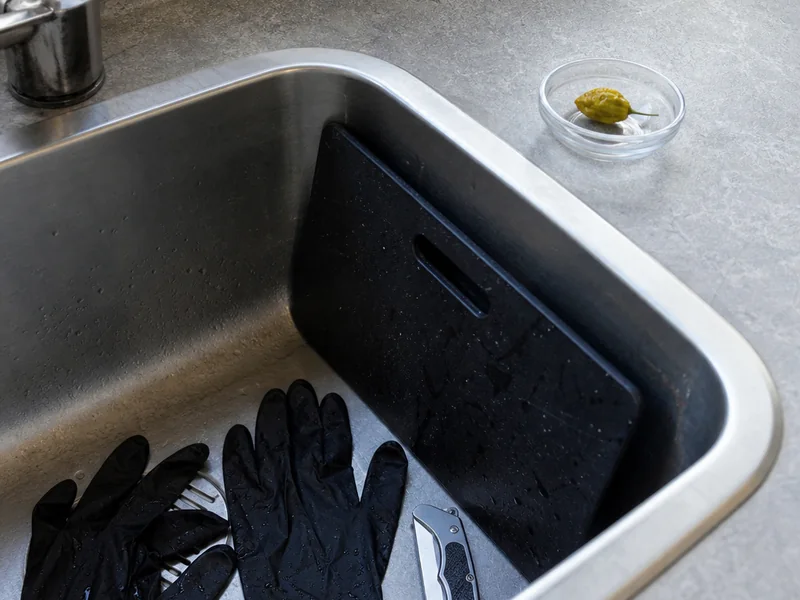
Choose Carolina Reaper if you want a superhot pepper that still behaves like an ingredient. It is easier to source, easier to compare against published recipes, and more forgiving when the sauce depends on fruit, vinegar, or fermentation.
Reaper is the better first choice for most serious home hot sauce makers.
Choose Pepper X if the recipe or product specifically needs current record-holder heat. It is the better choice for a named Pepper X sauce, an extreme-heat tasting, or a controlled micro-dose where the point is the Guinness-certified ceiling.
It is not the better default simply because the number is higher.
For substitutions, start by matching the job. If the pepper provides fruit and heat, Reaper usually substitutes more cleanly.
If the pepper is the headline record ingredient, no common grocery pepper replaces Pepper X honestly. In that case, state the substitution as an approximation rather than pretending the heat is identical.
For growers, Carolina Reaper is the realistic choice because verified seed is widely available.
For product developers, Pepper X is the stronger brand and record signal when the ingredient source is authorized.
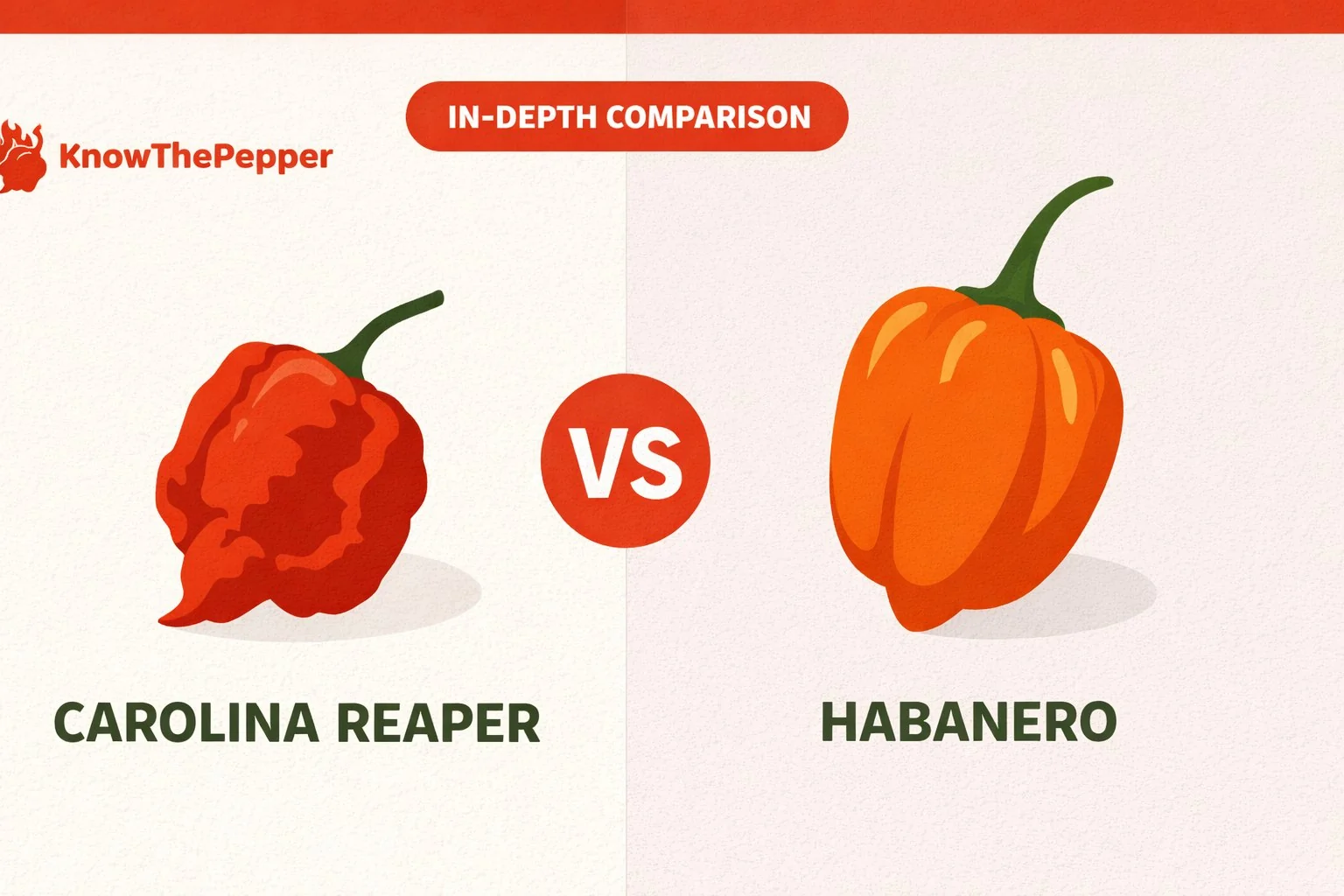
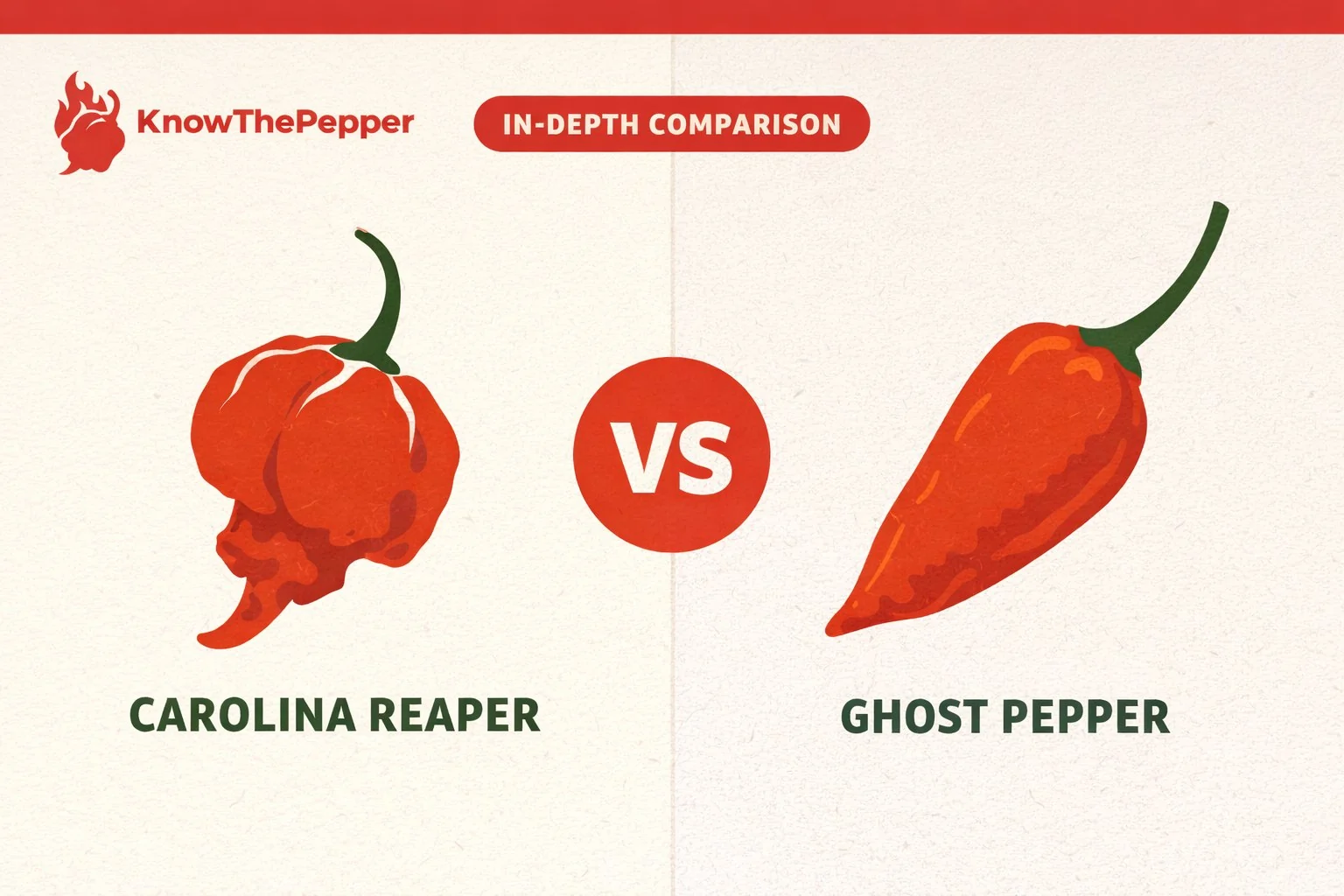
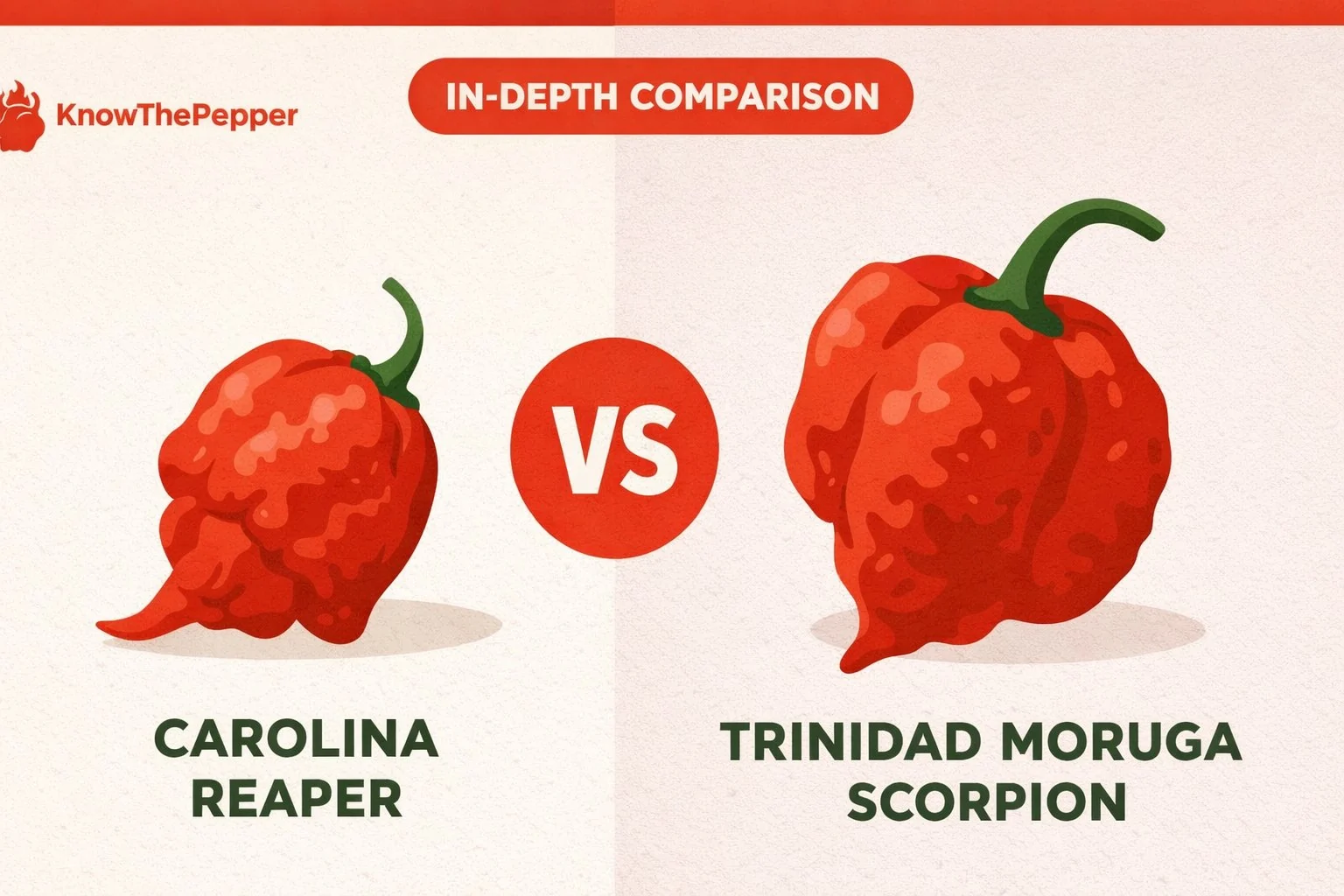
For normal home cooks, the best choice may be neither. A measured ghost pepper, habanero, or scorpion sauce often gives enough heat with fewer sourcing and safety problems.
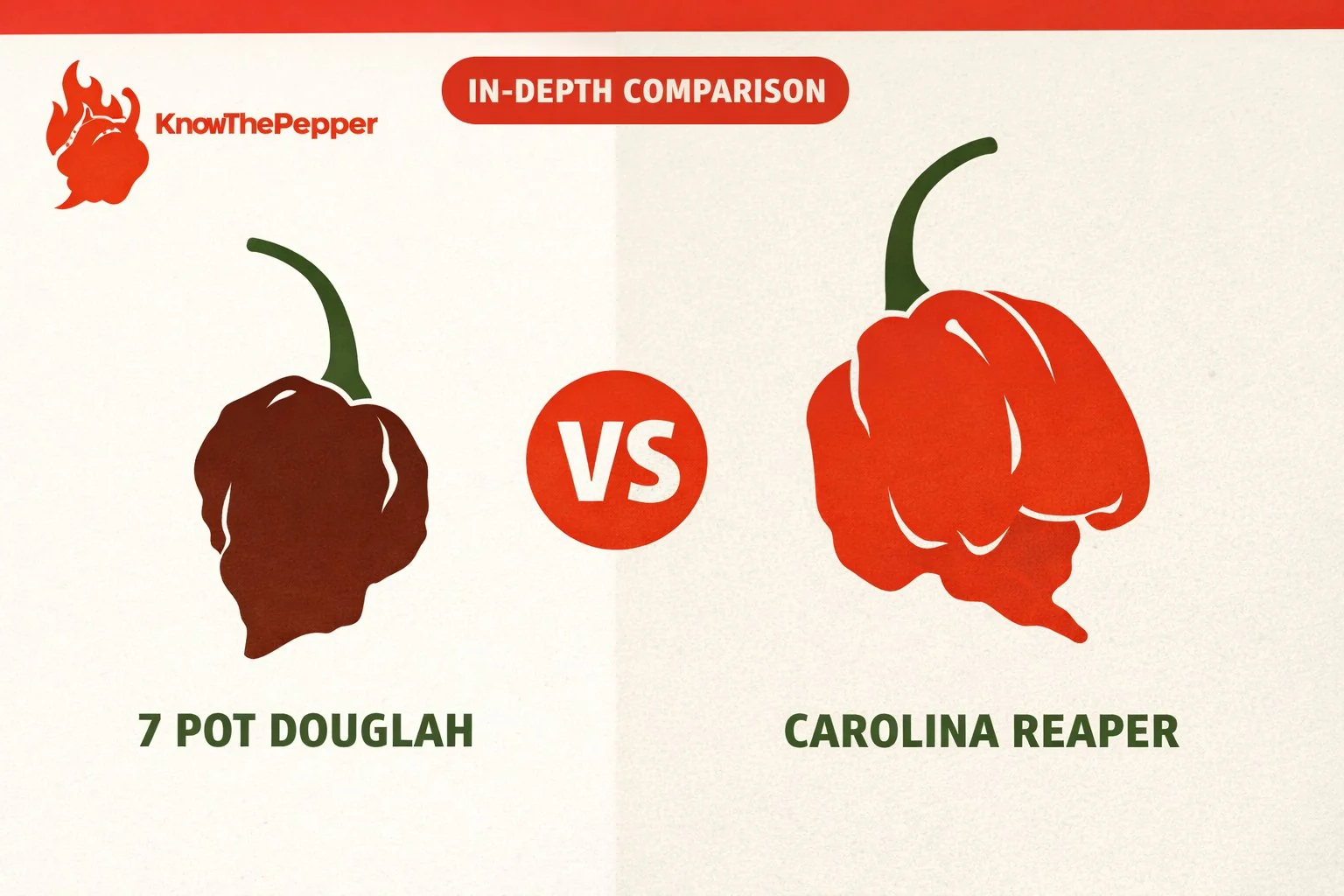
If you want a non-record superhot benchmark, 7 Pot Douglah's chocolate-toned burn sits closer to Reaper's working sauce role than to Pepper X's record-holder role. That comparison helps separate useful sauce heat from headline heat.
Heat And Substitution Notes
Carolina Reaper is commonly listed at 1,400,000-2,200,000 SHU, with a Guinness average near 1.64 million SHU.
Pepper X is listed by Guinness at 2,693,000 SHU.
In practical upper-range math, Pepper X is about 1.2x hotter than a high-end Reaper. By certified average it is about 1.6x hotter.
If replacing Reaper with Pepper X in a sauce, start slightly below the Reaper amount by weight and taste upward. If replacing Pepper X with Reaper, expect to use more, but do not chase the record number blindly.
Too much Reaper can overwhelm fruit, vinegar, and salt before the heat feels equal.
Do not use either pepper as a casual one-for-one fresh swap in salsa, guacamole, or garnish. Both are micro-dose peppers.
The safer substitute decision is usually to move down to a documented superhot with the flavor profile you need, then adjust heat with measured powder or sauce.
A good substitution note should name the limit. Reaper can replace Pepper X for heat direction, not for record-holder accuracy.
Pepper X can replace Reaper in a sauce only when the cook controls the dose carefully. In both directions, weigh the pepper or mash, dilute into the full batch, and avoid pod-count math.
Pod sizes vary too much, and superhot placenta density matters more than pod count.
The Chile Pepper Institute's work on superhot placenta tissue explains why equal-size pieces can carry unequal capsaicinoid loads.
Weigh mash or powder within one recipe instead of assuming two pods represent comparable doses.
When a commercial Pepper X sauce is the available form, follow its labeled serving size and adjust the whole batch. Converting that sauce back into a fresh-pod estimate hides the product's dilution and makes the comparison less useful.
A habanero is a better calibration step for cooks who have never dosed a superhot.
If that lower-heat test already overwhelms the dish, moving to Reaper or Pepper X will not improve the recipe.