

KnowThePepper
Bhut Jolokia Yellow: Lemon-Zest Citrus Ahead of 800,000-1,000,000 SHU
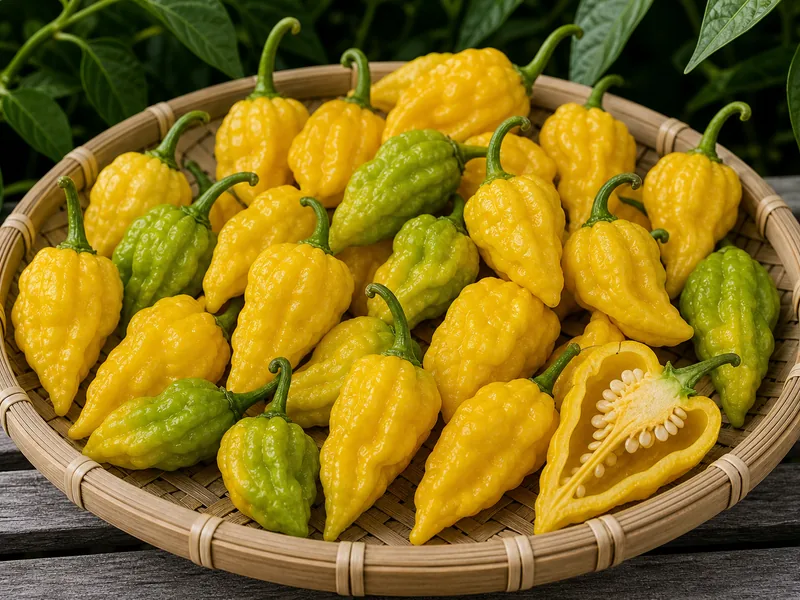
The Bhut Jolokia Yellow is a rare Indian super-hot hitting 800,000-1,000,000 SHU - roughly 200 times hotter than a jalapeño. Its wrinkled yellow pods deliver surprising citrus and fruit notes before the heat takes over.
A color variant of the famous ghost pepper lineage, it rewards patient growers with stunning pods and serious firepower.
- Species: C. chinense
- Heat tier: Super-Hot (1M+ SHU)
- Comparison: 100-400x hotter than a jalapeño, depending on where the jalapeño falls in its 2,500-8,000 SHU range
What Kind of Pepper Is Bhut Jolokia Yellow?
The Bhut Jolokia Yellow leads with citrus, close to lemon zest, and the heat arrives behind it rather than with it. That delay is part of what makes this pepper so disorienting to the uninitiated.
Rated at 800,000-1,000,000 SHU, this yellow variant sits firmly in the super-hot pepper range alongside some of the most intense peppers on the planet. The heat builds slowly, peaks hard, and lingers for 20-30 minutes.
The pods are characteristically wrinkled and tapered, measuring roughly 2-3 inches long. That texture isn't just cosmetic, it's a marker of the C. chinense species, which also includes habaneros and the Trinidad Moruga Scorpion.
Flavor-wise, the yellow variant stands apart from its red relative. The citrusy, tropical notes are more pronounced, making it genuinely useful in cooking rather than just a heat delivery mechanism.
Dried and powdered, it adds complexity to rubs and sauces that a purely hot pepper can't match.
This is a pepper from India's northeastern pepper traditions, bred and selected over generations in Assam and Nagaland. The yellow color indicates a distinct phenotype, not just an unripe pod, fully mature fruits are bright golden yellow.
What Is the History of Bhut Jolokia Yellow?
The ghost pepper lineage originates in northeastern India, where the Bhut Jolokia, meaning 'ghost chili' in Assamese, grew wild and in home gardens for centuries before Western scientists noticed it.
In 2007, Guinness World Records certified the red Bhut Jolokia as the world's hottest pepper, a title it has since lost to varieties like the Carolina Reaper's record-setting heat. The yellow variant emerged from selective cultivation within the same regional farming communities.
The botanical family C. chinense encompasses most of the super-hot peppers domesticated in South Asia and the Caribbean. Indian farmers in Assam recognized distinct color variants and cultivated them separately, preserving the yellow phenotype as its own stable line.
Today it remains relatively uncommon outside specialty seed markets, which keeps demand high among collectors.
How Spicy Is Bhut Jolokia Yellow, and How Does It Taste?
The Bhut Jolokia Yellow delivers 800K–1M Scoville Heat Units, placing it in the Super-Hot tier (1M+ SHU). That makes it roughly 100-400x hotter than a jalapeño, depending on where the jalapeño falls in its 2,500-8,000 SHU range.
Flavor notes: fruity and citrusy.
What Nutrients Does Bhut Jolokia Yellow Provide?
Like other C. chinense super-hots, Bhut Jolokia Yellow pods are nutritionally dense relative to their small serving size. A single pod contains meaningful amounts of vitamin C - often exceeding 100% of daily recommended intake, along with vitamin A and potassium.
Capsaicin, the compound responsible for the heat, has been studied for its potential role in metabolism and pain relief. The capsaicin explains the mechanism behind that delayed, building burn characteristic of this variety.
Calories per pod are negligible. The real nutritional value is in the antioxidant load from carotenoids, which give the yellow pods their color.
What Is Bhut Jolokia Yellow Best Used For?
The citrus character of the Bhut Jolokia Yellow opens it to more uses than its heat level suggests. Think of it as a flavor ingredient first, heat bomb second.
For hot sauces, pairing it with mango, pineapple, or passion fruit amplifies the natural fruitiness without fighting it. A small amount, half a pod per quart of sauce, delivers noticeable heat without stripping the other flavors.
Dried pods grind into a golden powder that works beautifully in curry pastes and spice blends. The color alone makes it visually striking in a spice rub.
Compare this to the Bhut Jolokia Chocolate - the yellow version is brighter and sharper on the palate.
Pickling is another strong option. The acid from a vinegar brine tempers the heat slightly while preserving the citrus notes.
Use gloves, the capsaicin concentration will transfer through skin contact and linger.
For heat-forward applications, this pairs well with fatty proteins like pork belly or duck, where the fat absorbs and distributes the capsaicin more evenly. A few slices in a braising liquid adds background heat without overwhelming the dish.
Never touch your face during prep. Seriously.
Where Can You Buy Bhut Jolokia Yellow, and How Do You Store It?
Fresh Bhut Jolokia Yellow pods are rarely found in grocery stores, specialty farmers markets and online pepper retailers are your best options. Look for pods with firm, wrinkled skin and bright golden color.
Soft spots indicate overripe or damaged fruit.
Refrigerate fresh pods in a paper bag for up to 2 weeks. For longer storage, freeze whole pods, they retain heat and flavor well for 6-12 months without blanching.
Dried pods and powder are more commonly available. Store in an airtight container away from light and heat.
Ground powder stays potent for about a year.
Whole dried pods last longer, up to 2 years in sealed storage.
What Can Replace Bhut Jolokia Yellow in a Recipe?
No dedicated substitute guidance is published for Bhut Jolokia Yellow yet.
How Do You Grow Bhut Jolokia Yellow at Home?
Bhut Jolokia Yellow plants need a long season, expect 120-150 days from transplant to ripe pods. Start seeds indoors 10-12 weeks before your last frost date.
Germination can be slow, sometimes taking 3-4 weeks.
Soil temperatures between 80-85°F help significantly. A heat mat under the seed tray is almost mandatory for reliable germination rates.
For a detailed start-to-finish approach, the growing habaneros covers transplanting and container techniques that apply directly to ghost pepper variants, the two species share nearly identical care requirements.
Plants reach 3-4 feet tall and benefit from staking once pods set.
The fruit weight on a heavily loaded plant can snap branches. Space plants 24-30 inches apart for good airflow, which reduces fungal issues in humid climates.
Fertilize with a balanced NPK early, then shift to lower nitrogen and higher phosphorus once flowering begins. Too much nitrogen late in the season pushes vegetative growth at the expense of pods.
These plants share cultivation characteristics with similarly structured varieties like the Nagabon's growing traits - both reward consistent watering without waterlogging. Let the soil dry slightly between waterings once plants are established.
Bhut Jolokia Yellow FAQ


- Yellow Bhut Jolokia Seeds
- Bhut Jolokia: The World's Hottest Chile Pepper Is a Putative Naturally Occurring Interspecific Hybrid - PubMed
- Guinness World Records - Hottest Chili
Species classification: C. chinense - based on published botanical taxonomy.