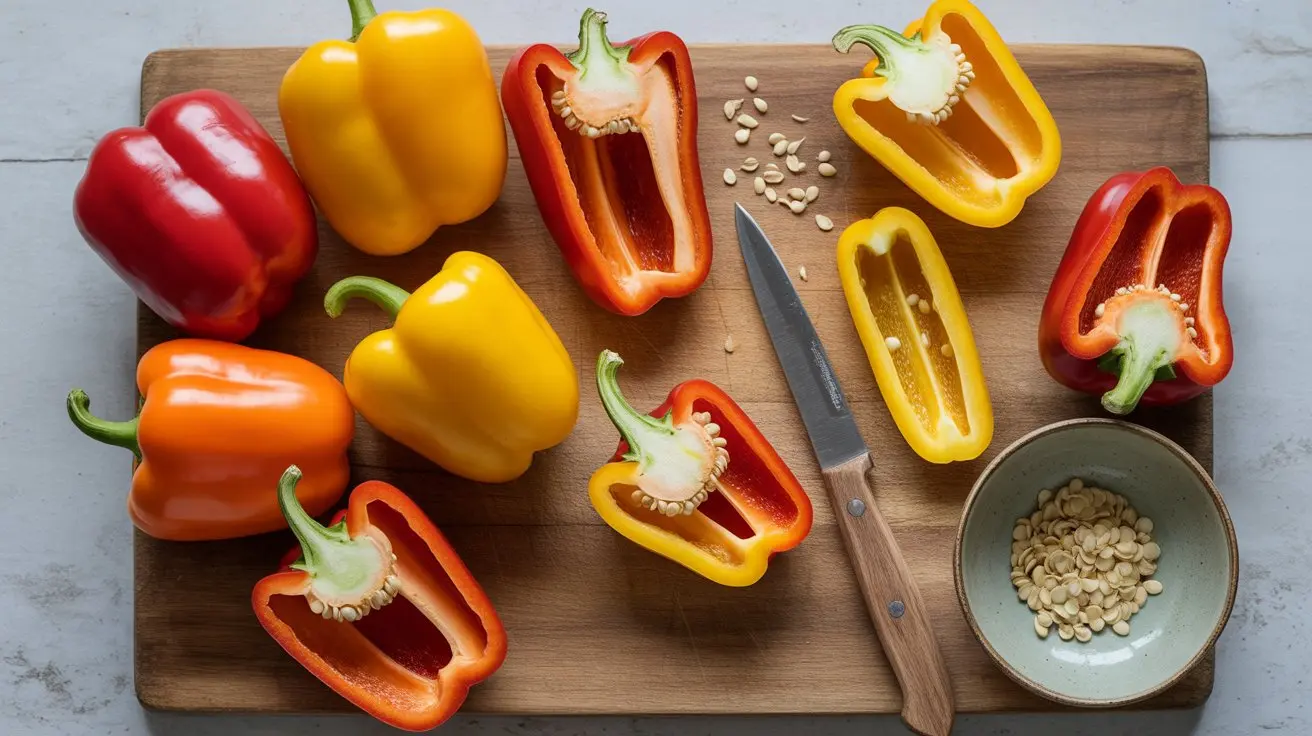
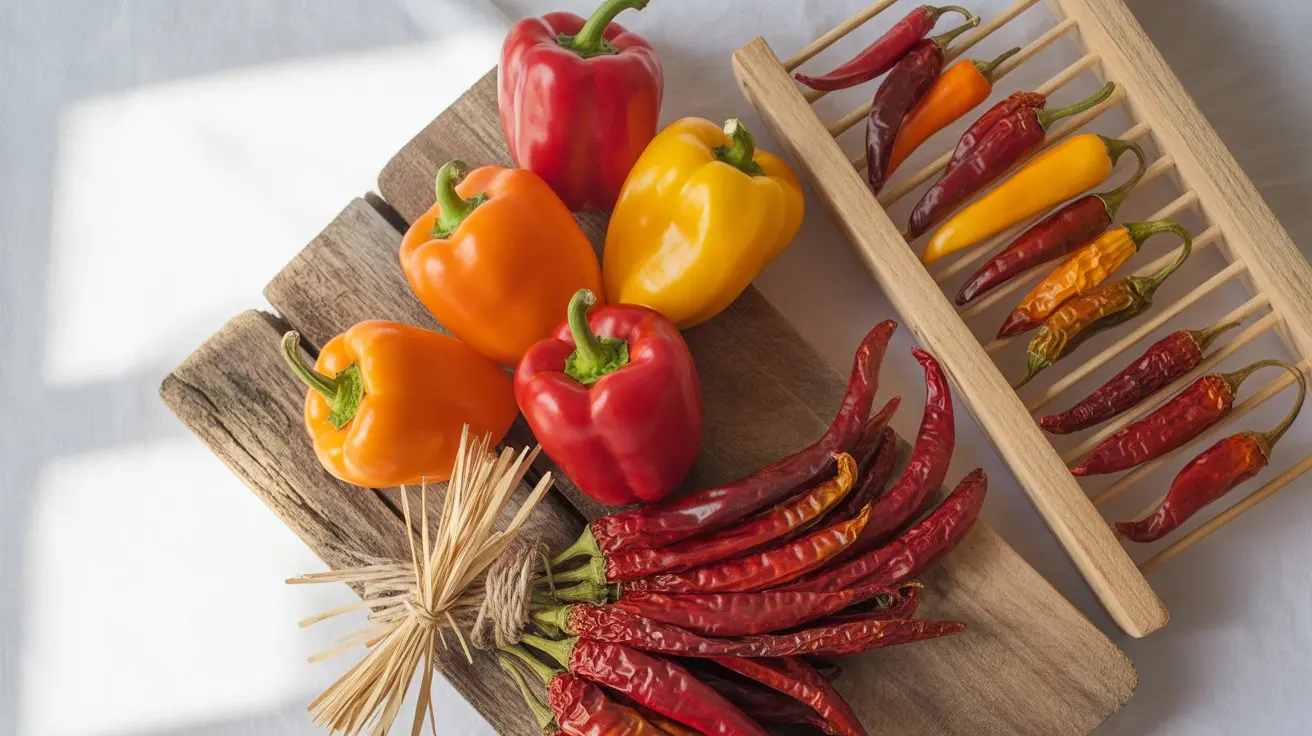
Jalapeno Powder: How to Make and Use Green Chile Heat
Jalapeno powder is dried, ground jalapeno pepper. Green pods give grassy, medium heat, while red pods make a warmer, slightly sweeter powder. It works best when a dish needs jalapeno flavor without fresh pepper moisture.
Is jalapeno powder the same as chili powder?
Jalapeno powder gives dry, green chile flavor without adding water. It is not the same thing as chili powder, which is usually a blend of ground chiles, cumin, garlic, oregano, and salt.
That difference changes the recipe. Use jalapeno powder when the dish already has its seasoning base and needs pepper character.
Use a blend when the dish needs a full chili seasoning.
Heat range: jalapenos usually sit in the 2,500 to 8,000 SHU medium range, so the powder tastes warmer than paprika but much gentler than cayenne.
In our small test batch, one teaspoon seasoned a pound of scrambled eggs without making the pan taste dusty. A second teaspoon made the heat obvious, but the green note still stayed cleaner than cayenne.
Should you make powder from green or red jalapenos?
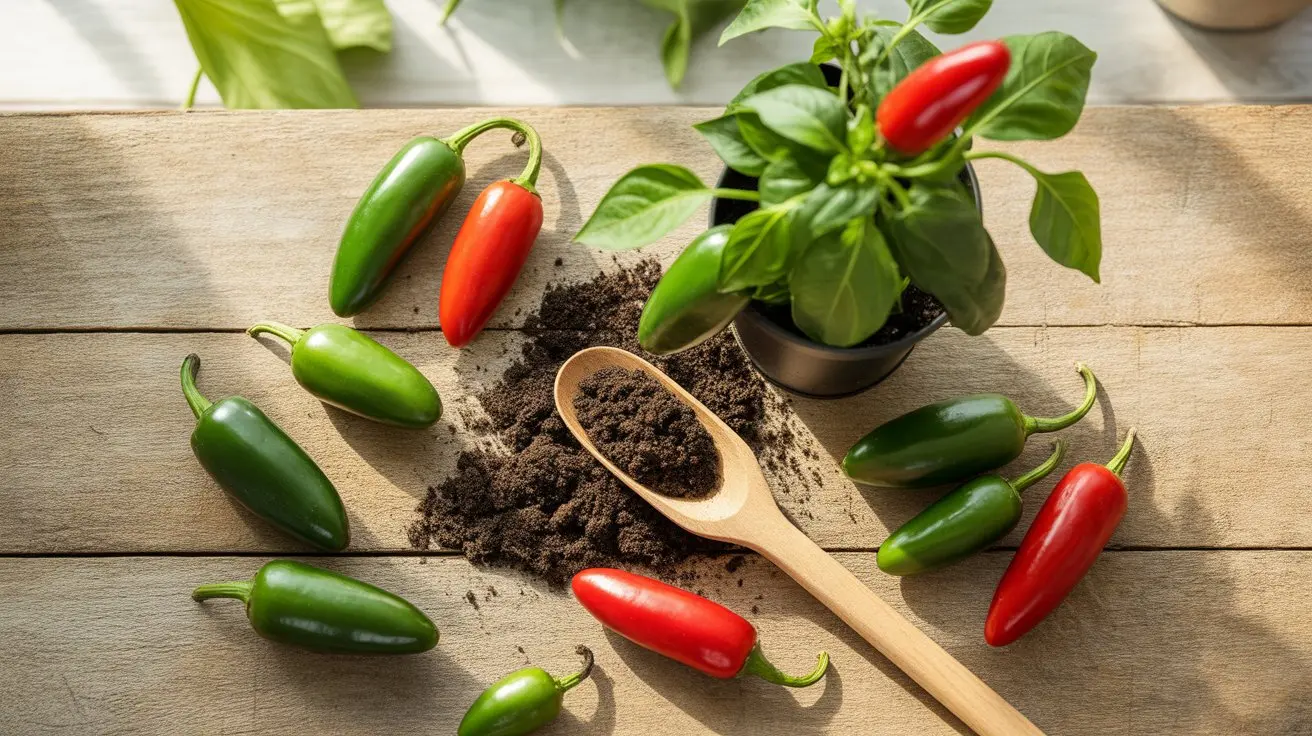
Green jalapenos make the powder most people expect. The flavor is grassy, bright, and a little sharp.
Red jalapenos make a softer powder with warmer color and more ripe sweetness. They are better for beans, rubs, and tomato sauces where green pepper flavor would feel out of place.
| Pod color | Flavor | Best use |
|---|---|---|
| Green | Grassy, fresh, sharper | Eggs, popcorn, dips, ranch-style sauces |
| Red | Sweeter, rounder, warmer color | Beans, rubs, chili, tomato sauces |
| Smoked red | Chipotle-like smoke | Use as a smoked powder, not plain jalapeno powder |
Do not mix smoked pods into a plain jar unless you label it. Smoke changes the job of the powder and can take over mild dishes.
Color changes the job
Green powder tastes like jalapeno first and heat second. Red powder tastes warmer and fits dishes that already lean toward tomato, beans, or roasted meat.
That choice matters more than most people expect. A green jar can taste fresh in ranch dip and strange in a dark chili.
A red jar can taste rounded in beans and less clear in a cold cream sauce.
| Jar style | Best food | Flavor risk |
|---|---|---|
| Green jalapeno powder | Dips, eggs, popcorn, queso | Can taste grassy in red sauces |
| Red jalapeno powder | Beans, rubs, tomato sauce | Less fresh green snap |
| Mixed-color powder | General cooking | Harder to repeat later |
Choose firm pods and slice the thick walls
Choose firm jalapenos with glossy skin and no wet spots. Older pods can dry, but bruised walls often grind into a dull, brownish powder.
Thick walls are the drying challenge. Slice the pods into rings or narrow strips so the center dries at the same pace as the skin.
Remove stems. Remove seeds if you want a smoother powder, or keep some if you want a little sharper bite and do not mind pale flecks.
- Use green pods for a clean jar.
- Use red pods for a warmer cooking powder.
- Use mixed colors only if the flavor goal is broad.
How long do jalapenos take to dry for powder?
Jalapenos dry slower than thin cayenne-style peppers because the walls hold more water. The clock is only a rough guide.
A dehydrator at about 135 to 140 degrees F gives steady airflow. Thin rings may finish in 8 to 12 hours, but thick strips can need longer.
Oven drying is less forgiving. Use the lowest setting, leave room for moisture to escape, and pull pieces only when the thickest ring snaps.
If a piece bends, it is not ready for powder. Bendy pieces gum up the grinder and can make the stored powder clump.
Grind without pepper dust
Cool the dried jalapenos before grinding. Warm pieces create condensation in the grinder cup.
Pulse in short bursts, then let the dust settle before opening the lid. Jalapeno powder is milder than cayenne, but fine pepper dust still irritates eyes and throats.
Grind a small test spoon first. If the powder smells cooked or bitter, the drying heat probably ran too high.
Sift only if you need a fine shaker powder. For rubs and beans, a slightly sandy grind holds more aroma and is easier to measure by pinch.
How much jalapeno powder should you use?
Dried powder is not a one-for-one swap for fresh slices. Water is gone, so flavor and heat land faster.
Start with one quarter teaspoon for a small dip or two eggs. Use one teaspoon for a pound of meat, beans, potatoes, or popcorn, then adjust after the powder has had a minute to hydrate.
| Dish | Starting amount | Why |
|---|---|---|
| Eggs or queso | 1/4 teaspoon | Shows flavor fast |
| Popcorn | 1/2 teaspoon per large bowl | Needs oil or butter to stick |
| Beans or taco meat | 1 teaspoon per pound | Has enough moisture to bloom |
| Dry rub | 1 part jalapeno powder to 3 parts base spice | Keeps heat medium |
Use a two-step dose
Powder hydrates after it hits fat or moisture. A dish can taste under-seasoned in the first minute and too hot five minutes later.
Add half the planned amount first, stir, wait, then taste. This is especially useful in dips, queso, beans, and taco meat because the powder needs time to spread.
- Cold dip: wait 10 minutes before adding more.
- Hot beans: wait 5 minutes after stirring.
- Popcorn: mix powder with butter or oil first.
- Dry rub: blend with salt before it touches food.
When does powder work better than fresh jalapeno?
Powder wins when fresh pepper moisture would thin the dish. Creamy dips, popcorn seasoning, dry rubs, deviled eggs, and ranch-style sauces all benefit from a dry dose.
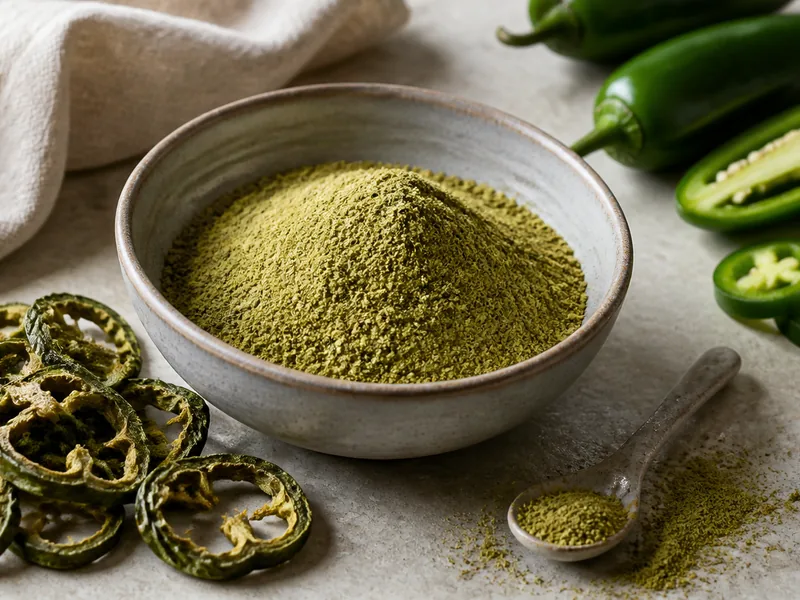
It also spreads heat more evenly than chopped fresh jalapeno. A small amount can season a full pot of beans without leaving random hot bites.
Fresh jalapeno still wins when crunch, green aroma, or visible pepper pieces matter. For that job, a medium-heat fresh jalapeno gives better context than a dry jar.
How should you store jalapeno powder?
Store jalapeno powder in a small airtight jar after it cools completely. Keep the main jar in a dark cabinet, not beside the stove.
NCHFP notes that dried foods lose quality faster with heat and repeated air exposure. Powder has more surface area than flakes, so it fades quickly in a half-empty jar.
Clumps mean the powder met moisture. If it smells fresh and shows no mold, break the clump and use it soon.
If it smells musty, throw it out.
When is jalapeno powder the wrong choice?
Skip jalapeno powder when a recipe depends on red chile color, smoke, or a broad spice blend. A spoonful of green powder will not act like smoked chili powder or a cumin-heavy chili blend.
It is also the wrong shortcut for fresh salsa. The powder can season the liquid, but it cannot replace the crunch and green snap of chopped jalapeno.
If the dish only needs heat, cayenne is more efficient. If it needs mild green flavor, jalapeno powder earns the shelf space.
Keep the color honest
Green jalapeno powder will not stay neon green. Drying darkens chlorophyll, and grinding exposes more surface area to oxygen.
The goal is a clean olive-green powder, not a bright artificial color. If the powder turns brown before storage, the drying heat likely ran too high or the pods were already tired.
Red jalapeno powder ages more gracefully because the color starts warmer. Use red pods when the powder will sit in a rub jar or blend with paprika.
Build a small jar first
A small test jar teaches more than a full dehydrator load. Dry six to eight jalapenos, grind them, and use the powder in three different foods before committing the next harvest.
We test it in eggs for direct flavor, popcorn for dry adhesion, and beans for slow hydration. If the powder tastes grassy in eggs but disappears in beans, the grind is too coarse for cooked dishes.
If it burns the throat before the jalapeno flavor shows up, the batch may include too much seed dust. Sift a spoonful and compare the fine powder against the coarse fraction.
- Eggs show clean green flavor.
- Popcorn shows whether the powder needs oil to stick.
- Beans show how the powder blooms in moisture.
Use it with fat
Jalapeno powder tastes sharper when it lands dry on the tongue. Fat spreads the green chile note and keeps the heat from feeling dusty.
Stir it into butter, sour cream, mayo, oil, or cheese sauce before judging the dose. In dry rubs, pair it with salt and a little sugar so the powder clings evenly.
Water alone can hydrate the powder, but it does not carry aroma as well. That is why the same half teaspoon tastes fuller in ranch dip than in plain broth.
Protect it from old-spice flavor
Jalapeno powder loses its fresh edge faster than whole dried rings. Grind only what you expect to use in a few months and store extra dried rings whole.
If the jar smells like hay instead of green chile, it is past its best use. It can still season beans or chili, but it will not make a fresh dip taste like jalapeno.
For a brighter refill, grind a new small batch and blend only a spoonful of the old powder into long-cooked dishes. Do not mix stale powder into the fresh jar.
Powder versus flakes
Jalapeno powder and jalapeno flakes do different jobs. Powder disappears into dairy, eggs, beans, and rubs.
Flakes stay visible and give rougher bites.
If you want a green chile ranch dip, powder is better because it hydrates into the base. If you want a jalapeno crunch on pizza, dried rings or coarse flakes make more sense.
We keep the fine powder for smooth foods and save the coarse grinder leftovers for chili, potatoes, and oil blooms.
Harvest timing changes flavor
Early green pods taste sharper and more vegetal. Fully sized green pods taste rounder and usually give the most recognizable jalapeno powder.
Red pods change the jar. The grassy note softens, sweetness rises, and the powder fits tomato sauces better than cold dips.
If you grow your own, separate green and red harvests before drying. A mixed jar can taste good, but it teaches you less about which harvest made the best powder.
Compare the heat range
Jalapeno powder sits in the medium heat range, so it is useful when cayenne would be too sharp. The cayenne and chili powder heat gap is a good reminder that red powders do not behave alike.
If you only need visible table heat, homemade red pepper flakes are a better form. If you need a blend for tacos or chili, chili powder substitute ratios will replace more of the missing seasoning.
For exact heat planning, use the Scoville scale chart before mixing jalapeno powder with hotter red powders.
When fresh jalapeno still wins
Fresh jalapeno wins when crunch, water, and green aroma are part of the dish. Powder can season salsa, but it cannot replace chopped pepper texture.
Use powder for smoothness. Use fresh pepper for bite.
Use flakes when visible chile pieces are the point.
If a recipe says minced jalapeno and the pepper is a visible ingredient, powder is usually a seasoning backup, not a full replacement.
Jalapeno Powder: How to Make and Use Green Chile Heat FAQ
- New Mexico State University Chile Pepper Institute - Heat
- National Center for Home Food Preservation - Food Dehydrators
- National Center for Home Food Preservation - Packaging and Storing Dried Foods
- Colorado State University Extension - Drying Vegetables