

Chili Powder Substitute: Mix Paprika, Cumin, Garlic, Oregano, and Cayenne
The closest chili powder substitute is a quick blend of paprika, cumin, garlic powder, oregano, and a little cayenne. Use it 1:1 in most cooked dishes. Use a single chile powder only when the recipe already has the other spices covered.
Heat at a glance
What Can You Use Instead of Chili Powder?
Use a blend when the recipe needs the full chili powder flavor. Use a single chile powder when the dish already has cumin, garlic, onion, oregano, or other seasoning built in.
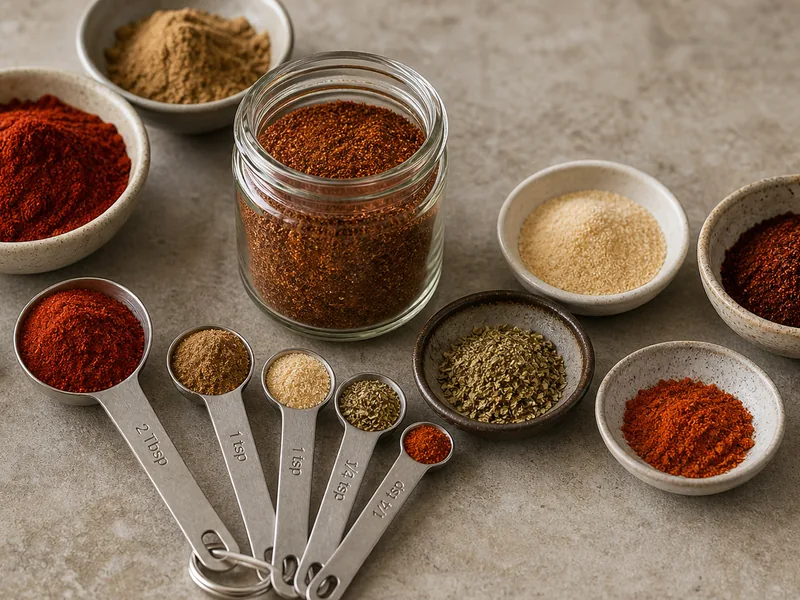
Paprika, cumin, garlic, oregano, and cayenne
Closest MatchThis is the closest pantry substitute because it replaces both sides of chili powder: mild red chile body and warm seasoning.
Use sweet paprika for color, cumin for the familiar chili aroma, garlic for savoriness, oregano for the dried-herb edge, and cayenne only for heat.
Paprika plus cumin
Runner-UpThis is the best mild substitute when heat is not the point. Paprika brings red color and soft pepper flavor, while cumin gives the blend its chili-seasoning smell.
Add cayenne separately only if the dish tastes flat. - Best for: mild taco meat, beans for kids, soups, rice, roasted potatoes. - Skip when: the dish needs real chile heat or a darker sauce base.
Ancho powder plus cumin
Also GreatAncho powder gives deeper dried-fruit flavor than generic paprika, so it works well in chili, braises, and tomato sauces.
It is usually mild, so it replaces flavor better than heat.
Cayenne plus paprika
This swap works when the dish needs both red color and a clear heat bump. Cayenne is much hotter and narrower than chili powder, so paprika has to carry the body.
Smoked paprika plus cumin
Use this when the missing chili powder was meant to add a smoky background.
Smoked paprika can dominate, so keep the cumin small and skip extra smoke if the dish already uses chipotle.
Crushed chili flakes
Chili flakes replace heat, not the smooth seasoning base.
They stay visible and release heat in bursts, so they work better in oil, sauces, and soups than in dry rubs.
Hot sauce
Hot sauce can rescue a cooked dish, but it changes liquid, salt, and acidity.
Use it near the end instead of treating it like a dry-spice replacement.
Ratio Reference
| Need | Best substitute | Starting ratio |
|---|---|---|
| Closest match | Paprika-cumin-garlic-oregano-cayenne blend | 1:1 |
| Mild color | Paprika plus cumin | 1:1 |
| Deep chile flavor | Ancho powder plus cumin | 1:1 |
| More heat | Paprika plus cayenne | 7/8 tsp per 1 tsp, then taste |
| Visible heat only | Chili flakes | 1/4 to 1/2 tsp per 1 tsp |
Dish check
- For chili, use the full spice blend first.
- For tacos, use paprika-cumin plus a small cayenne dose.
- For rubs, avoid hot sauce and wet substitutes.
- For enchilada sauce, ancho powder plus cumin usually tastes better than cayenne alone.
Heat budget
The safest way to replace chili powder is to separate color, aroma, and burn. Paprika handles color, cumin and garlic handle aroma, and cayenne handles burn.
If you add more cayenne to fix flavor, the dish gets hotter without tasting more like chili powder.
For a mild pot of beans, leave cayenne out until the end. For taco meat, add the cayenne early with the fat so it spreads.
For a dry rub, keep cayenne low because it sits directly on the surface.
Single-jar rule
If the recipe already lists cumin, garlic, onion, oregano, and paprika, a single chile powder can work. Use ancho powder for deeper sauce flavor, paprika for mild color, or a tiny cayenne dose for heat.
If the recipe does not list those spices, do not use a single hot powder and expect the same result. The dish may become spicy but still taste unfinished.
Cooked versus raw
Cooked dishes forgive a rough substitute because the spices bloom in fat and liquid. Raw dips expose every mismatch.
For a cold sour cream dip, use paprika-cumin-garlic first and add cayenne by the pinch.
For chili oil, flakes make sense because texture is part of the point. For chili seasoning, flakes are a weaker fit because they do not coat the food evenly.
Measurement note
Use volume for pantry speed, but taste after hydration. A teaspoon of fluffy paprika is not the same weight as a teaspoon of dense cayenne.
If the first pass tastes dusty, add a small amount of fat or tomato before adding more spice. Dry spices often need moisture and time before their flavor reads correctly.
What changes by recipe
Chili is forgiving because tomato, fat, and time blend the substitute. Tacos are less forgiving because the spice hits meat directly.
Dry rubs are the least forgiving because texture and sugar balance matter.
For chili, the full paprika-cumin blend can go in early. For tacos, bloom it in the fat after browning meat.
For dry rubs, keep the substitute dry and avoid hot sauce.
If the recipe uses two tablespoons or more of chili powder, do not replace the full amount with cayenne. Build bulk with paprika or ancho first, then add heat in pinches.
Best practice
Mix the substitute in a small bowl before adding it to food. That keeps one bite from getting all the cayenne and another bite getting only paprika.
Taste after five minutes in a cooked dish. Cumin and garlic show up quickly, but dried chile flavor needs a little moisture and heat.
Related pantry choices
If the dish needs smoke more than a classic chili blend, a small amount of clean smoked chile powder can help, but it should not replace the full spoonful by itself. Smoke reads louder than color.
If the dish needs green chile flavor, jalapeno powder for dry green heat is a better fit than paprika-cumin. It will not taste like chili powder, but it may match the dish better if the recipe is creamy, cheesy, or egg-based.
For visible heat, flakes can work after the dish is cooked. For the seasoning base, use powder or a blend.
Final heat check
If your swap changes heat more than flavor, the Scoville scale chart gives a better first check than color. If the dish needs a hot red powder rather than a blend, cayenne heat versus chili seasoning shows why the spoon size must shrink.
Extra check
Use the substitute finder when the recipe depends on heat level, not just seasoning. Use the SHU calculator when cayenne is the only hot powder in the cabinet.
If the choice is flakes versus blend, chili flakes and chili powder explains the texture problem. If the choice is smoke versus plain heat, smoked chili powder gives the cleaner method.
For homemade pantry work, red pepper flakes from dried chiles can cover visible heat, while jalapeno powder covers green chile flavor.
Dish-specific ratio notes
| Dish | Best starting swap | Why |
|---|---|---|
| Beef chili | Full paprika-cumin blend, 1:1 | Long simmer blends the spices |
| Taco meat | Paprika-cumin blend plus tiny cayenne | Meat needs aroma and heat |
| Enchilada sauce | Ancho powder plus cumin | Sauce needs chile body |
| Dry rub | Paprika base, cayenne by pinch | Texture must stay dry |
| Cold dip | Mild blend, wait before adding heat | Spices hydrate slowly |
When the recipe uses tablespoons
A recipe that asks for tablespoons of chili powder is using it as a base, not just heat. Build bulk with paprika or ancho powder first, then add cayenne in small pinches.
If you replace two tablespoons of chili powder with two tablespoons of cayenne, the dish will be hot before it tastes seasoned. That is the swap that ruins chili fastest.
Quick rescue plan
- Too hot: add beans, tomato, dairy, fat, or more unsalted base food.
- Too flat: add cumin, garlic, oregano, and paprika before adding more cayenne.
- Too smoky: dilute with plain paprika or ancho powder.
- Too gritty: bloom the spice in warm fat before adding more liquid.
Label check
Some chili powder blends include salt. If your substitute has no salt, the dish may taste quieter at first.
Salt after the spice blooms, not before.
Chili Powder Swaps to Avoid
Do not replace chili powder with straight cayenne at 1:1. Cayenne is a hot single-chile powder, while chili powder is a milder seasoning blend.
Do not use curry powder as a neutral swap. It brings turmeric, coriander, and other spices that move the dish away from a chili seasoning profile.
Do not use chili flakes when a dry rub needs a smooth coating. Flakes can burn on the surface and leave uneven hot spots.
Chili Powder Substitute FAQ
- McCormick - Chili Powder Product Details
- McCormick Culinary - Dark Chili Powder Product Details
- USDA Recipe for Schools - Chili Powder
- USDA FoodData Central