Smoked Chili Powder: How to Build Clean Smoke and Heat
Smoked chili powder is made by smoking chiles gently, drying them until brittle, resting them, and grinding them after the smoke settles. Start with the chile flavor you want, use light wood smoke, and build heat separately so the powder tastes smoky instead of burnt.
What should smoked chili powder taste like?
Smoked chili powder should taste like dried chile with a clean wood edge. It should not taste like ash, bitter bark, or a grill flare-up.
The best method is boring in a good way. Smoke the chiles gently, finish the dry if they still bend, rest them, then grind only after the pieces are brittle.
This page covers the smoking method. A broad chili powder blend covers cumin, garlic, oregano, and salt ratios.
Which chiles work best for smoked chili powder?
The pepper decides the powder before the smoker does. Smoke can deepen a good chile, but it cannot fix stale pods.
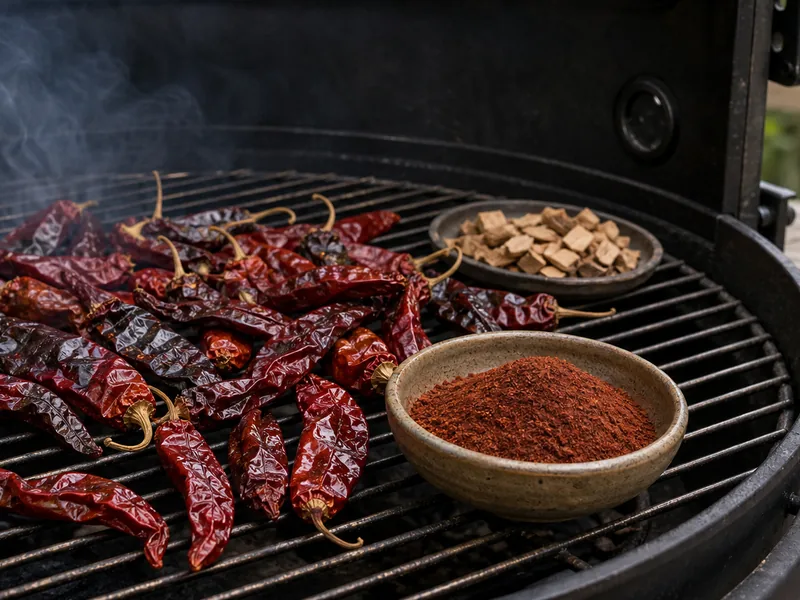
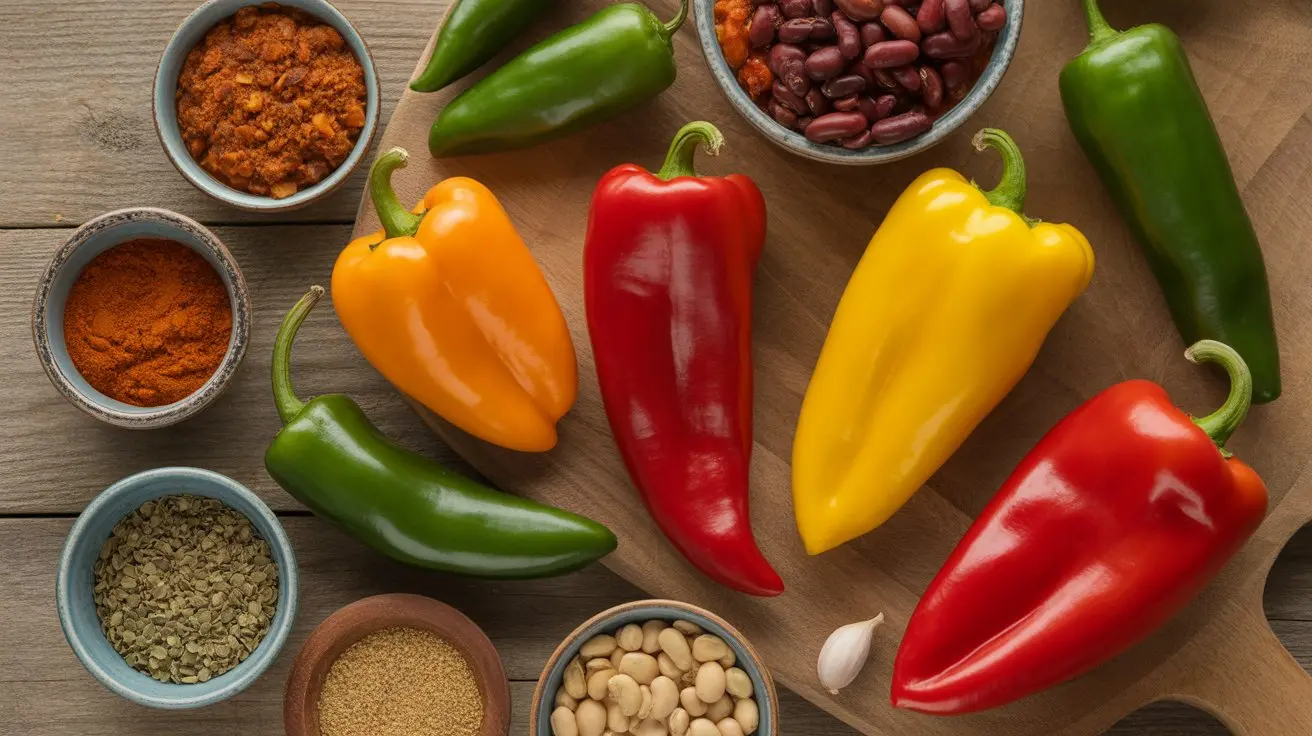
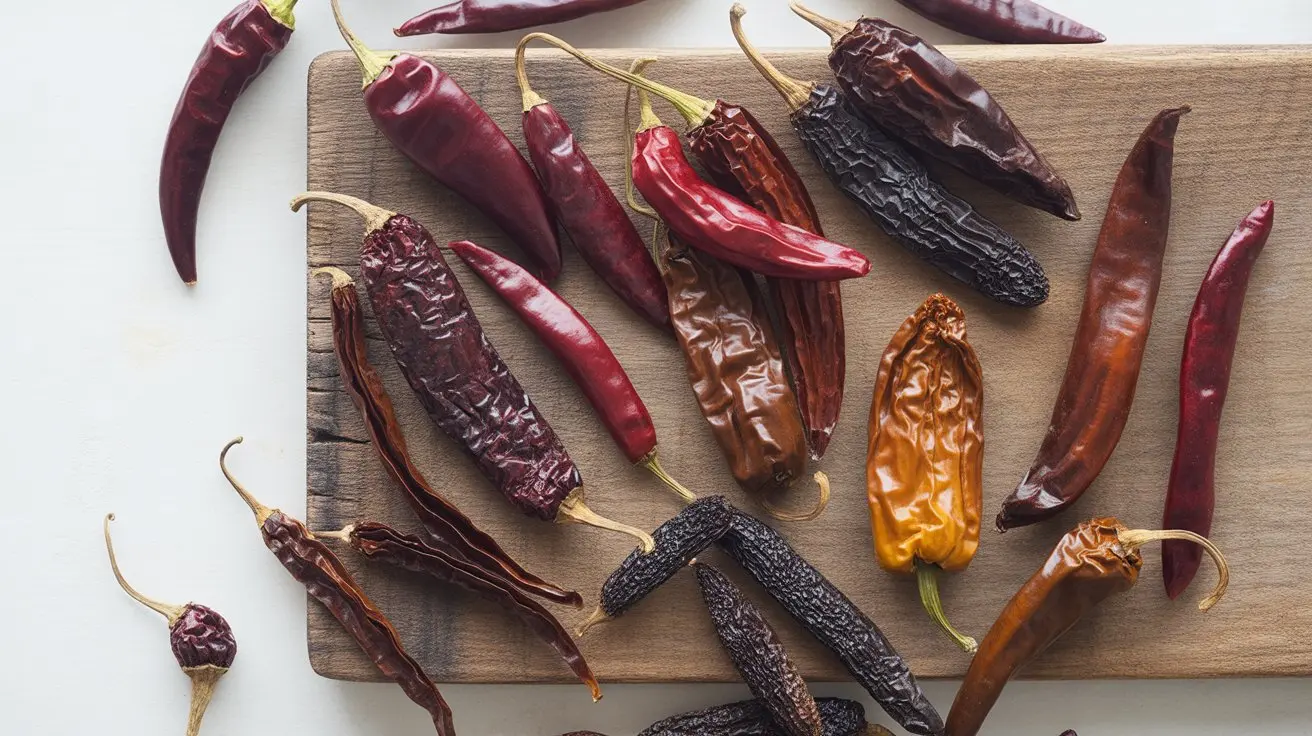
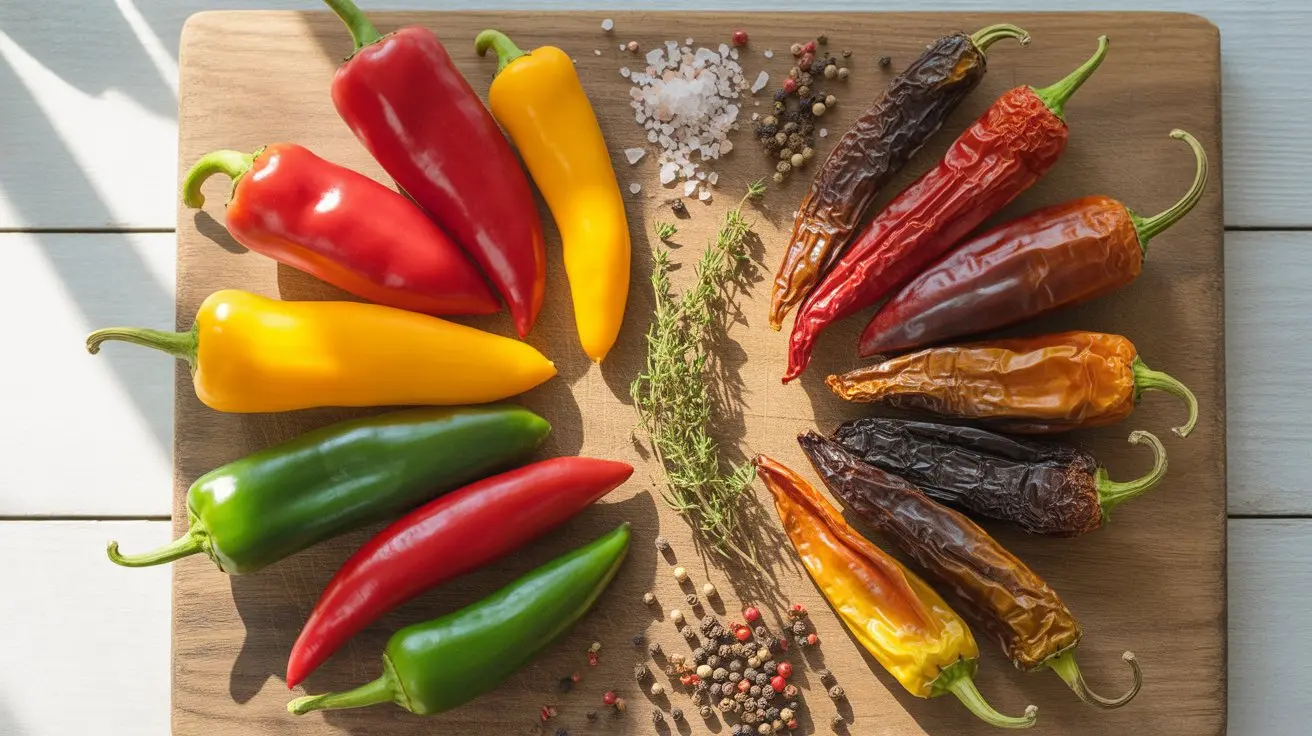
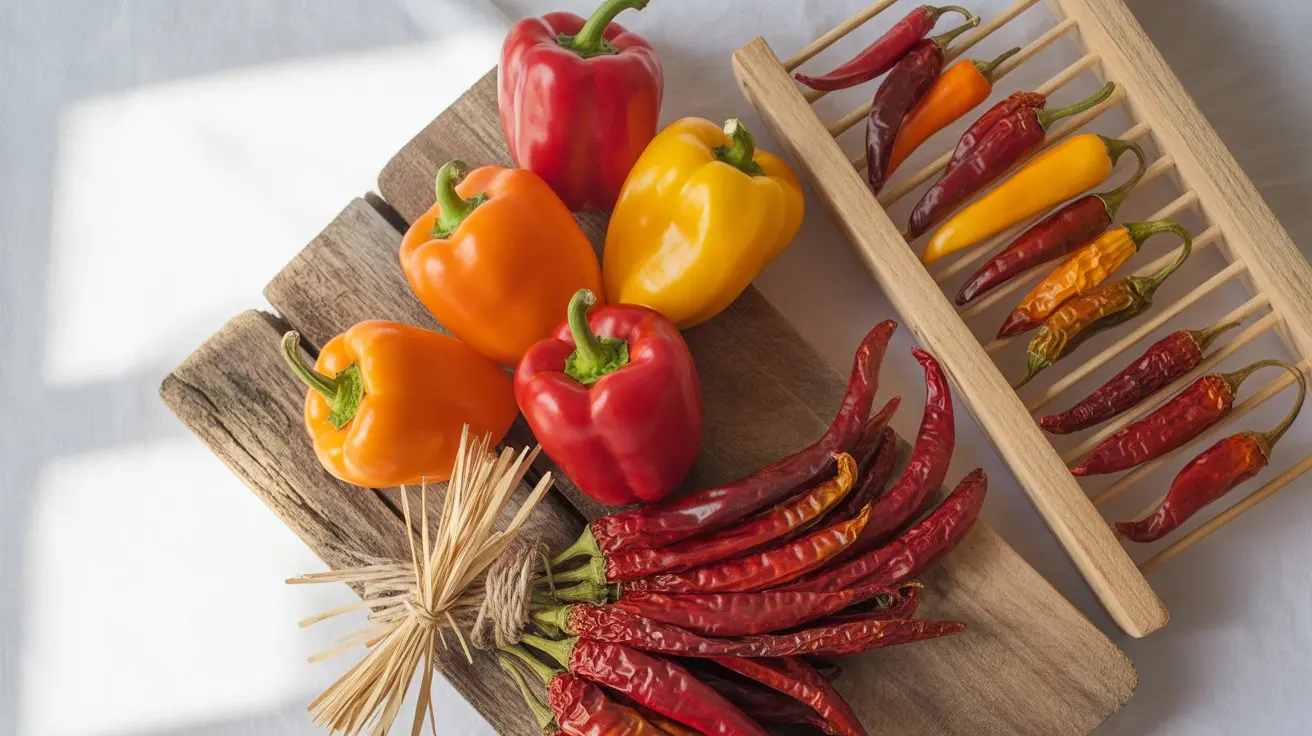
Mild dried chiles such as ancho, guajillo, and New Mexico-style pods give body and color. Hotter pods such as cayenne, de arbol, or piri piri add lift without forcing the whole jar into extreme heat.
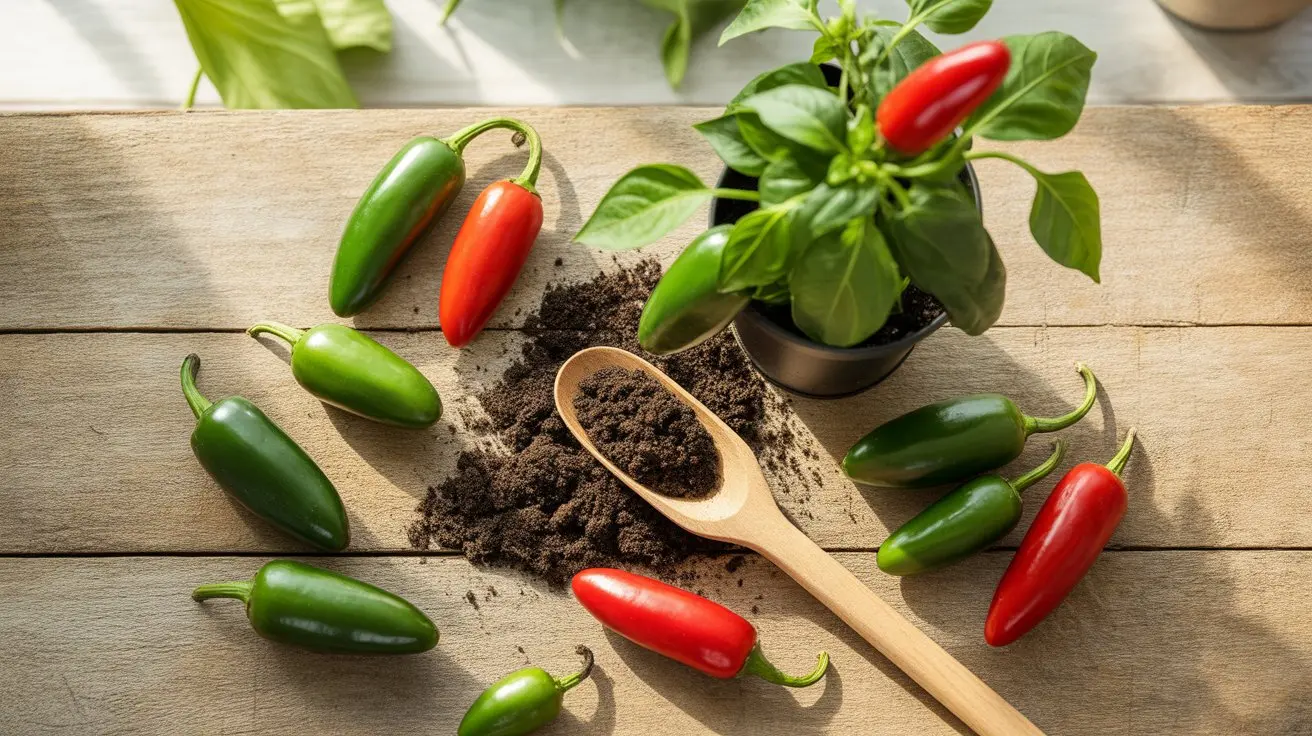
If you want chipotle character, start with ripe jalapenos and treat the result as chipotle-style powder. If you want a flexible seasoning, use a mild base and add one hotter chile after tasting.
| Base chile | Smoke result | Best dish |
|---|---|---|
| Ancho-style pods | Raisin, cocoa, mild smoke | Beans and mole-style sauces |
| Guajillo-style pods | Bright red fruit with smoke | Marinades and taco meat |
| Ripe jalapenos | Chipotle-like smoke | Adobo, mayo, rubs |
| Cayenne-style pods | Sharp heat with smoke | Small heat booster |
Base, lift, and finish
A good smoked powder usually has three jobs. The base gives color, the lift gives heat, and the finish gives the smoke level.
Do not ask one pepper to do all three jobs unless you want a narrow jar. A smoked ripe jalapeno jar is great for chipotle-style flavor, but a mild ancho-style base gives more room for blending.
| Role | Good choice | Why it works |
|---|---|---|
| Base | Mild dried red chile | Builds color and body |
| Lift | Small hot chile dose | Sets heat without over-smoking |
| Finish | Short fruitwood smoke | Adds aroma without ash |
What wood and heat should you use to smoke chiles?
Fruitwoods such as apple or cherry are easier to control than heavy woods. Hickory can work, but a long hickory smoke can turn a small chile batch harsh.
Keep the smoker low, around 150 to 180 degrees F if your setup can hold it. You are flavoring and drying the chiles, not roasting them hard.
Thin dried chiles can pick up smoke quickly. Fresh thick chiles need more time, but they also need airflow because wet walls can trap steam.
Use food-safe smoking wood only. Painted, treated, or resin-heavy wood does not belong near food.
Clean smoke checklist
The smoke should smell light before the chiles go in. Thick white smoke can make a small batch taste dirty before the peppers finish drying.
- Start with dry, food-safe wood.
- Wait for thin smoke before loading chiles.
- Keep pieces in one layer with space between them.
- Pull a test piece early and smell it before extending the smoke.
If the test piece smells like a cold fire pit, stop smoking and finish drying without more smoke.
Finish the dry separately
Smoking may not finish the dry. That is normal, especially with fresh or thick-walled peppers.
Move flexible pieces to a dehydrator after smoking and dry them around 135 to 140 degrees F until the thickest pieces snap. The NCHFP dehydrator guidance supports steady heat and airflow for drying foods indoors.
Do not grind smoky pieces that still bend. They smear in the grinder, clump in the jar, and can carry enough moisture to shorten storage life.
Rest before grinding
Fresh smoke can smell sharper on day one than it tastes after resting. Put the brittle smoked chiles in a loose paper bag or open bowl for a few hours before grinding.
That short rest lets harsh surface smoke settle. It also gives you one more chance to find pieces that bend before they ruin the powder.
Grind in short pulses after the chiles cool. Let dust settle before opening the lid, then smell the powder before you jar it.
Build for one dish
A smoked powder works best when it has a target dish. The jar for chili does not need to be the same jar for popcorn or grilled corn.
For chili, use a mild smoky base with one hot pod and add cumin in the recipe, not in the storage jar. For a rub, keep the powder a little coarser so it mixes with salt and sugar without turning muddy.
- For beans, choose mild smoky body first.
- For tacos, keep the smoke light and the color bright.
- For barbecue rubs, use a coarser grind so the powder does not cake.
- For table heat, blend in a small amount of hot red powder after grinding.
How do you fix bitter or ashy smoked powder?
Ashy powder usually means too much smoke, dirty smoke, or chiles that sat too close to heat. The fix is dilution, not more spices.
Blend one part harsh powder with two to three parts plain dried chile powder, then test it in warm oil. If the bitter note remains, use the batch in a long-cooked pot of beans instead of a finishing sprinkle.
If the smoke is too faint, do not resmoke the powder. Smoke whole dried pods for a short second pass, rest them, grind them, and blend that powder into the first jar.
Repair before storage
Fix a smoky batch before it goes into the pantry. A sealed jar makes the smoke seem stronger the next day, so a harsh batch rarely improves in storage.
Dilute bitterness with plain dried chile powder. If the flavor still tastes ashy after a warm-oil test, use the batch only in long-cooked beans or chili where tomato and fat can soften the edge.
Do not grind flexible smoked pieces for storage. Smoke flavor does not mean the chile is dry enough.
How should you store smoked chili powder?
Smoked powder fades in two directions. The chile aroma goes flat, and the smoke note can turn stale.
Store it in small jars, cool and dark. NCHFP storage guidance ties dried-food quality to temperature and repeated air exposure, so a half-empty jar by the stove is the worst place for the good batch.
Open the jar and smell before using it in a light dish. If the first note is cardboard or cold ash, use a fresh batch for finishing and move the old one to long-cooked food.
Oil test before labeling
Warm a teaspoon of neutral oil and stir in a pinch of the powder for 20 to 30 seconds. That test shows whether the smoke is clean, too faint, or burnt.
If the oil smells fruity and smoky, label the jar with the chile mix and date. If it smells bitter, fix the blend before storage because bitterness will not disappear in the pantry.
Keep smoked chili powder separate from plain jalapeno powder and homemade flakes. Smoke is useful, but not every dish wants it.
Fresh pods need a plan
Fresh chiles bring moisture to the smoker. That moisture can slow drying, soften the skins, and hold smoke on the surface longer than expected.
Slice thick fresh pods lengthwise before smoking. If the walls are very juicy, give them a short dehydrator head start so smoke lands on a drying surface instead of wet flesh.
Dried pods need the opposite care. They can turn smoky fast, so use a shorter smoke and check the aroma before the color changes much.
Separate body from heat
A smoked powder gets easier to control when body and heat are handled separately. Build the main jar from mild smoky pods, then add a small hot powder after grinding.
This prevents one very hot chile from controlling every spoonful. It also lets the smoke stay clean because thin hot pods do not have to sit in the smoker as long as thick mild pods.
| Jar goal | Body pepper | Heat pepper |
|---|---|---|
| Smoky chili base | Ancho or New Mexico-style pods | Small cayenne dose |
| Bright taco powder | Guajillo-style pods | De arbol-style pod |
| Chipotle-style jar | Ripe jalapenos | None until tasting |
Read the smoke smell
Clean smoke smells like wood, fruit, toast, or dried chile. Dirty smoke smells sharp, cold, or like a damp fire pit.
If the smoker is producing thick white smoke, wait before adding chiles. Thin blue smoke gives a cleaner powder and needs less time to show up in the finished jar.
The oil test catches this fast. Clean smoke smells round in warm oil, while dirty smoke smells bitter before the chile flavor appears.
Do not season the storage jar
Keep salt, cumin, garlic, and sugar out of the smoked storage jar unless you are making a single-purpose rub. Plain smoked chile powder stays flexible.
Add those spices when you cook. Garlic powder can stale faster than dried chile, and salt changes how people measure the jar later.
If you want a finished rub, make a separate small jar with a date and ratio. That keeps the base smoked powder useful for beans, sauces, mayo, and marinades.
Use plain powder as backup
Keep some plain dried chile powder beside the smoked batch. It gives you a way to dilute smoke without weakening the chile flavor too much.
If a batch tastes heavy, blend one part smoked powder with one or two parts plain powder and test again in oil. If the smoke still leads with bitterness, move that jar to long-cooked beans or chili.
This backup also helps when a recipe needs color and body but only a small smoke note. A little smoked powder goes further than it looks.
Food-safety boundary
Smoking does not replace drying. A chile can taste smoky and still hold enough moisture to bend, smear, and clump in storage.
That is the safety boundary for this method: smoke for flavor, then dry for storage. If the piece bends, it needs more drying before grinding.
Discard any stored powder that smells musty, shows mold, or forms damp clumps. Smoky aroma can hide early stale notes, so check texture and smell together.
Compare smoky choices
Smoked powder is not the same as coarse flakes. Red pepper flakes made at home keep texture, while smoked powder disappears into sauces and rubs.
If the recipe needs a chili blend, chili powder substitute ratios do more than smoke. They rebuild cumin, garlic, oregano, and red chile body.
Ancho-heavy blends taste deeper and milder than cayenne-heavy blends. That is why ancho powder versus chili powder is a better comparison for sauce body, while cayenne versus chili powder is better for heat control.
For hotter smoked jars, check the hot pepper range before adding thin high-heat pods. A little hot powder can change the whole jar.
For a hotter version, blend after grinding instead of smoking every pod together. That keeps the smoke steady and lets the heat move in measured pinches.
Smoked Chili Powder: How to Build Clean Smoke and Heat FAQ
- New Mexico State University Chile Pepper Institute - Heat
- National Center for Home Food Preservation - Food Dehydrators
- National Center for Home Food Preservation - Packaging and Storing Dried Foods
- Colorado State University Extension - Drying Vegetables
- Colorado State University Extension - Roasting Chile Peppers