Growing Cayenne Peppers for Long Red Pods
Cayenne peppers reward steady heat and regular harvests. Start them warm, avoid overfeeding, stake the narrow branches, and pick red pods often for drying or sauce.
Grow Cayenne for Long Red Pods, Not Just Plant Size
Growing cayenne peppers is about keeping a thin-walled plant moving from flower to red pod. The plant can produce heavily, but the best kitchen result comes from ripe fruit that dry cleanly and hold color.
Cayenne sits in the hot range on the hot pepper heat tier, so the garden plan should match the end use: flakes, powder, vinegar sauce, or fresh heat. That is a different job from growing broad fruit such as how poblanos grow best or thick-walled bell pepper growing methods.
| Cayenne goal | Garden choice | Kitchen payoff |
|---|---|---|
| Bright red pods | Warm start and full sun | Better flakes and sauce color |
| Long straight fruit | Support branches early | Cleaner drying |
| Repeat harvest | Pick ripe pods weekly | Less fruit stall on the plant |
That makes cayenne different from a stuffed-pepper crop. You are managing ripening rhythm and drying quality as much as plant size.
Start Seedlings Warm and Bright
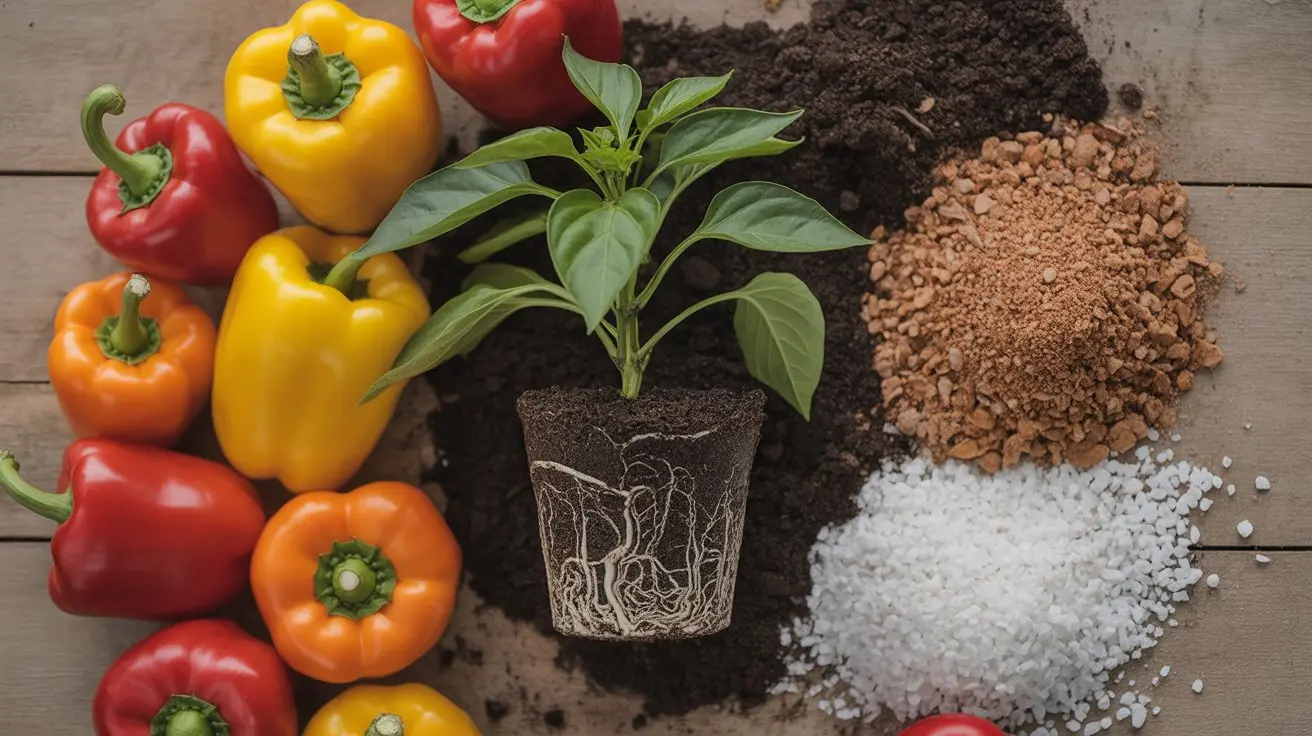
Cayenne seedlings should not sit cold and wet. A stalled seedling often catches up less cleanly than a warm, stocky transplant that goes out a little later.
Start seeds early enough for your season, then give seedlings strong light so they do not stretch. Harden them off gradually, especially if nights are still cool or wind is strong. If your season is short, choose a faster cayenne strain before relying on late-season heat tricks.
- Warm start: better early vigor and less transplant shock.
- Bright light: keeps stems compact and useful.
- Slow hardening: prevents a check in growth right before planting.
Red cayenne harvest starts with the seedling phase. Weak starts usually show up again at ripening time.
Use Lean Feeding and Steady Moisture
Cayenne plants can overgrow their purpose if they are fed too hard. Too much nitrogen makes a lush plant that delays the very thing you want: pods turning red in volume.
We feed enough to keep the canopy active, but not so much that the plant keeps choosing leaf growth over ripening. Water matters just as much. Thin-walled peppers respond quickly to dry swings, and missed irrigation can slow ripening or shrink later flushes of pods.
| Plant signal | Likely cause | Adjustment |
|---|---|---|
| Dark leaves and weak pod set | Too much nitrogen | Reduce feeding and wait for reset |
| Pods setting but staying short | Water stress or crowding | Stabilize irrigation and airflow |
| Pale tired plant | Light hunger or root stress | Check root moisture before adding feed |
The goal is momentum. Cayenne does best when the plant keeps moving, not when every week forces a recovery cycle.
Stake Early So Long Pods Stay Clean and Visible
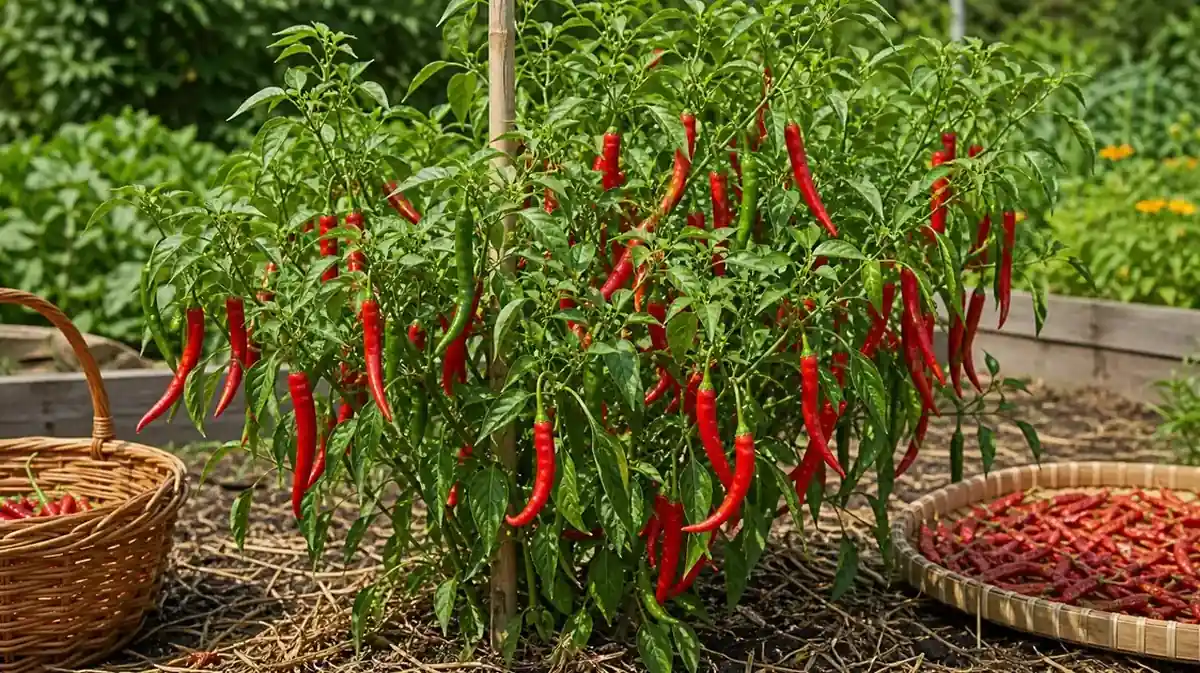
Cayenne branches are narrower than many new growers expect. Once the plant loads up with long fruit, stems can lean, tangle, or drag pods into neighboring foliage.
A small stake or ring early in the season is easier than trying to cage a crowded plant later. Support improves airflow, keeps pods straighter, and makes ripe harvests easier to spot. That matters if you are drying peppers for the habanero flakes guide, powder, or sauce batches.
- Use light support early: one stake is often enough.
- Keep rows open: cayenne pods hide in dense foliage.
- Harvest ripe fruit promptly: reduces branch strain and keeps new flowers moving.
Support is not glamorous, but it is one of the simplest ways to improve the usable harvest.
Pick by Ripeness Stage and Intended Use
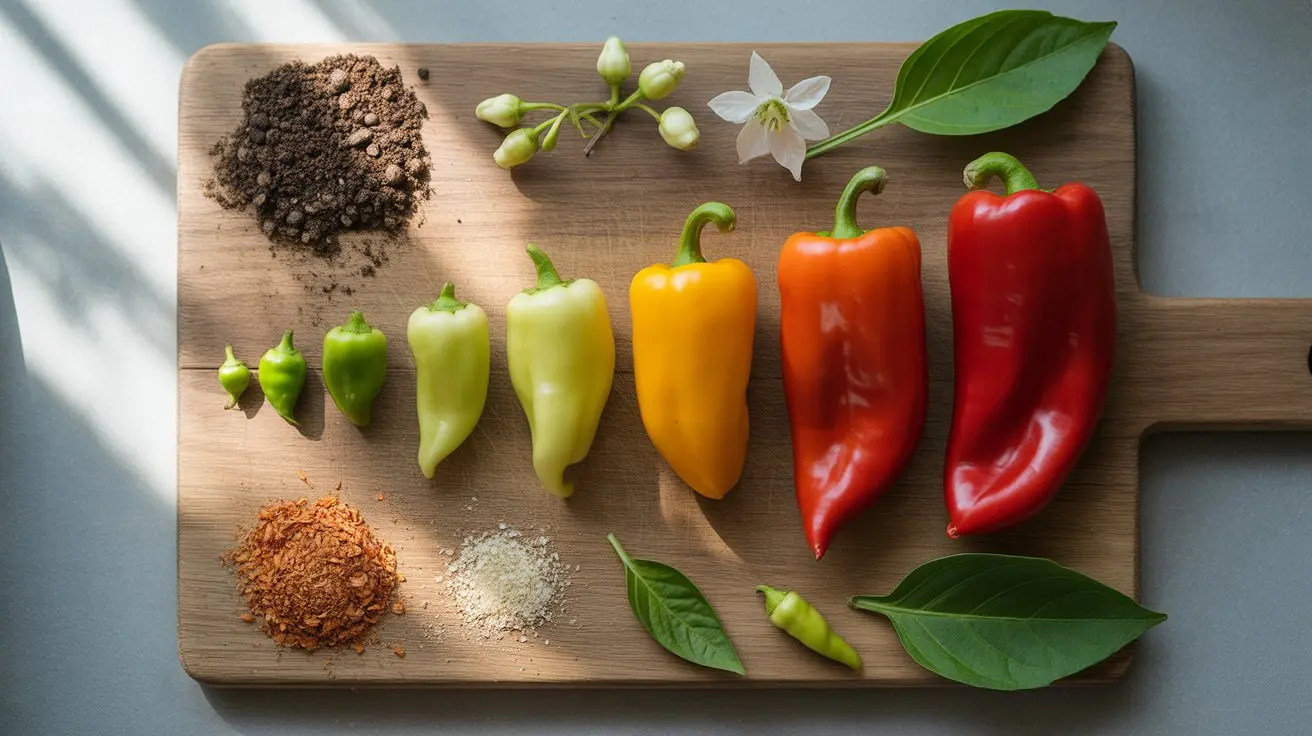
Green cayennes are usable, but most gardeners grow them for red maturity. Full red pods have better color, cleaner drying behavior, and the fuller heat profile people expect in homemade flakes or sauces.
That does not mean leave every pod forever. A plant carrying too many ripe peppers can slow new flowering, especially late in summer. Use a mixed strategy if you want both fresh green use and a steady red harvest. The harvest logic is similar to the jalapeno harvesting guide, but cayenne is more often grown for red output.
| Stage | Best use | What to expect |
|---|---|---|
| Green | Fresh cooking, pickles | Grassy flavor and lower visual payoff |
| Color break | Mixed sauces | Uneven drying for storage batches |
| Fully red | Flakes, powder, drying, vinegar sauce | Best color and mature flavor |
If pods are abundant, harvest weekly. The plant usually responds better to consistent removal than to occasional large clean-outs.
Plan for Drying Before the First Big Flush
Cayenne is one of the easiest peppers to dry because the walls are thin, but batch quality still depends on airflow, timing, and pod condition. Harvest clean, sound fruit and keep damaged pods out of the drying pile.
If you want powder or flakes, aim for fully red pods with good color. The process in drying chili peppers and green chili powder shows why pod thickness and ripeness matter so much to the final result.
- Dry only sound pods: mold and soft spots do not improve later.
- Sort by size: similar pods finish together.
- Store airtight after drying: color and aroma fade fastest when exposed to heat and light.
Garden planning and kitchen planning meet here. Cayenne is easiest when you know before harvest whether the crop is heading to the dehydrator, sauce pot, or freezer.
Watch the Late Season Bottlenecks
Most cayenne disappointments happen late: cool nights slow color change, crowded plants hide ripe pods, and overfed plants keep making leaves when you need red fruit. Solve those bottlenecks directly.
Reduce shade, keep harvests frequent, and stop trying to push late growth with heavy feed. If damage appears on leaves or fruit, inspect for pests and compare symptoms with holes in pepper leaves before assuming the plant just needs more time.
Cayenne rewards a clear plan: warm start, lean feeding, regular watering, early support, and quick red harvests. Once that rhythm is in place, the plant is usually more productive than its narrow frame suggests.
Fix the Common Cayenne Mistakes Before They Cost the Red Harvest
Cayenne usually disappoints for predictable reasons: too much nitrogen, late staking, crowded foliage, and waiting too long to solve water stress. The plant often stays alive and green through all of those mistakes, which is why growers misread it as healthy right up until the red harvest underperforms.
When the season starts slipping, focus on the bottleneck that actually changes output. If the plant is leafy and dark, stop feeding harder. If the pods are numerous but hidden and bending branches, support and harvest. If ripening is slow, compare the crop plan with stage-based harvest timing and the drying end use in drying chili peppers.
- Too much feed: lots of canopy, not enough ripe output.
- Too little support: pods rub, hide, and break branches.
- Late harvests: slow the next flush.
Cayenne is productive when the plant stays open, supported, and moving toward red pods every week. It becomes frustrating when every correction arrives after the plant already spent the energy elsewhere.
Build the Crop Around the Red Harvest, Not the Green Plant
Cayenne is easiest to judge when you stop asking whether the plant looks lush enough and start asking whether the pods are moving toward a clean red harvest. A plant with a perfect green canopy but slow ripening is not performing the real job. Cayenne is not grown for ornamental foliage. It is grown for narrow pods that mature evenly, dry cleanly, and come off the plant often enough to keep the next flush moving.
That means every midseason decision should point toward the red harvest. If branches are crowded, open the structure just enough to see and pick the pods. If feed is pushing leaves harder than fruit, back off. If the plant is carrying a big flush of red peppers, clear them before the next round stalls. This crop rewards growers who think in waves rather than in one grand final harvest. A weekly picking rhythm almost always beats the "wait until everything is perfect" approach.
- For flakes and powder: prioritize color, airflow, and frequent red harvests.
- For fresh green use: harvest earlier and accept that the drying yield changes.
- For mixed use: leave selected pods to redden and keep the rest moving.
Once you start reading cayenne that way, the plant becomes much easier to manage. You are no longer just growing peppers. You are managing a steady conversion from flowers to red pods, and that clarity removes most of the random corrections that make the crop harder than it needs to be.
Use Weekly Harvests to Keep Late Pods Uniform
Cayenne quality falls fastest when ripe pods sit mixed with half-ripe pods for too long. The red fruit start to weather, the branches stay overloaded, and the next flush matures unevenly. A weekly harvest keeps the plant cleaner and makes the drying or sauce batch more uniform.
Uniformity matters because cayenne is often preserved, not just used fresh. A batch of pods harvested at similar maturity dries more evenly, grinds better, and gives more predictable color in flakes or powder. This is one of the practical reasons frequent picking matters beyond total yield.
- Weekly red harvest: better batch consistency.
- Mixed maturity on plant: more branch strain and slower turnover.
- Clean batch planning: easier drying and storage later.
Cayenne gets easier when harvest is treated as part of processing, not as the moment before processing starts. That is what keeps both the plant and the pantry in better shape.
Plan Cayenne Plants for Harvest Rhythm and Drying Use
Cayenne plants are generous only when harvest keeps pace with production. The pods are narrow, quick to color, and easy to miss once the canopy gets busy. If mature fruit hangs too long, later flushes slow down and the plant starts acting finished even though the weather window is still good.
We usually decide early whether the plant is for fresh green use, red sauce peppers, or strings of fully red pods for drying. That decision changes how aggressively we pick.
| Goal | Best pick stage | Why it works |
|---|---|---|
| Fresh saute or vinegar use | Firm green to early red | Brighter flavor and faster turnover |
| Hot sauce batches | Mostly red, fully sized pods | More sugar and deeper color |
| Drying into flakes or powder | Fully red, thin-walled fruit | Faster dehydration and cleaner grind |
- Stake early: loaded cayenne plants lean more than they look like they should.
- Pick twice a week in peak season: regular harvest keeps new flowers moving.
- Watch late nitrogen: soft leaf growth slows red ripening.
Cayenne is one of the easier peppers to grow once you stop treating every pod as a trophy fruit. It is a production pepper. The plant performs best when you keep the line moving.
Build the Drying Workflow Before the Plant Peaks
Cayenne plants often outproduce the kitchen for a short stretch, which is why the drying workflow should be ready before the first big red flush. Waiting until counters are covered in peppers usually means pods sit too long, soften in the basket, or get picked late enough that the plant stops pushing new flowers.
We treat the plant and the processing line as one system. Harvest only works when you know where the peppers go next: rack, dehydrator, string, freezer, or sauce pot.
- Pick into shallow baskets: thin cayennes bruise less and dry cleaner when they are not piled deep.
- Sort by moisture level: fully red thin pods dry differently from thicker, still-juicy fruit.
- Reserve the best uniform pods for strings: mixed sizes slow the whole batch.
- Grind only after full cooldown: warm dried pods pull moisture back into the flakes.
Cayenne becomes a better crop once post-harvest handling stops being improvised. A plant that is harvested into a clear workflow keeps producing longer and wastes less fruit along the way.
Watch Late-Season Plants for Top-Heavy Lean
Cayenne plants can look fine until one side loads harder than the other. Once that lean starts, harvest and staking need to happen together or the plant loses productive branches right when the best red pods are arriving.
- Retie after heavy picking: the balance changes fast.
- Lift drooping side branches: ripe fruit often hangs lower than you expect.
- Do not leave split stems in place: they rarely recover into useful production.
That small correction keeps a productive cayenne plant in service longer and saves better pods for drying.