Green Chili Powder: How to Make It at Home
Make green chili powder from fresh peppers with drying times, grinder tips, storage rules, and pepper choices for bright green heat.
Green chili powder is made by drying fresh green chilies and grinding them into a fine powder. It tastes brighter and grassier than red chili powder, with a color that won't muddy your green sauces.
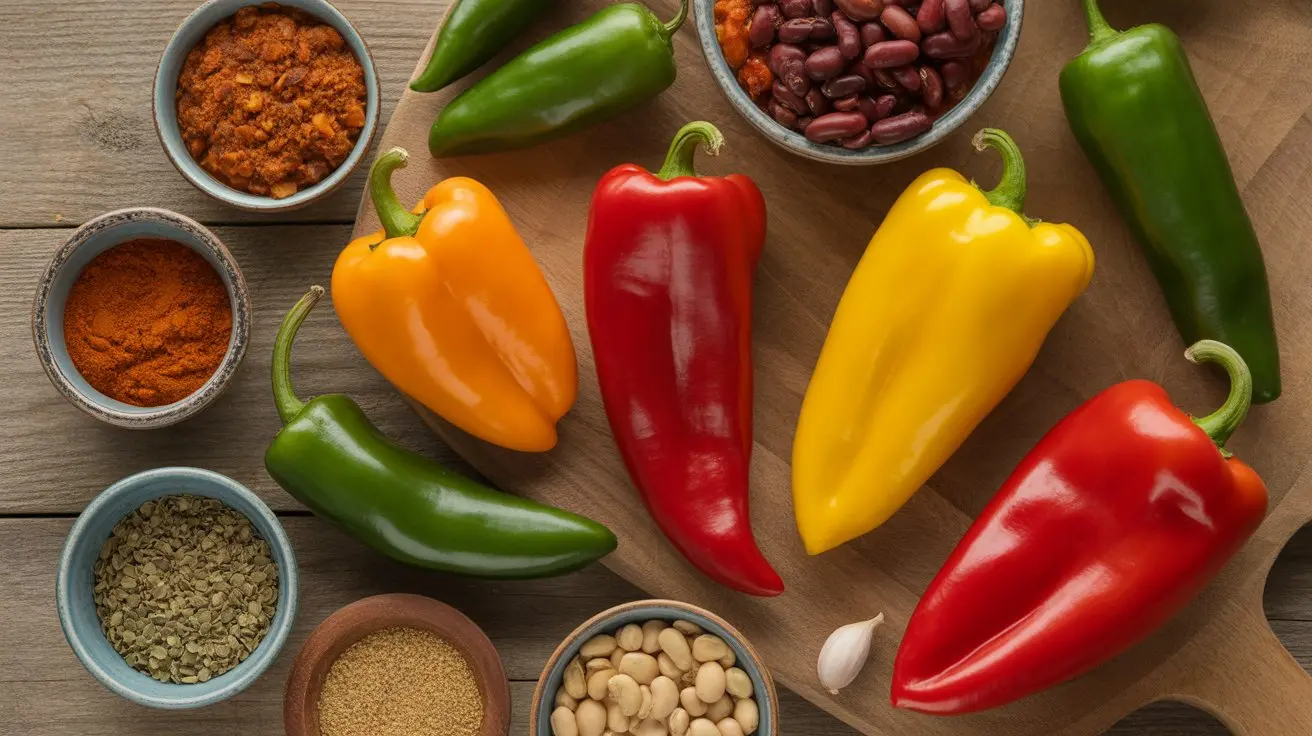
What Peppers Work Best for Green Chili Powder
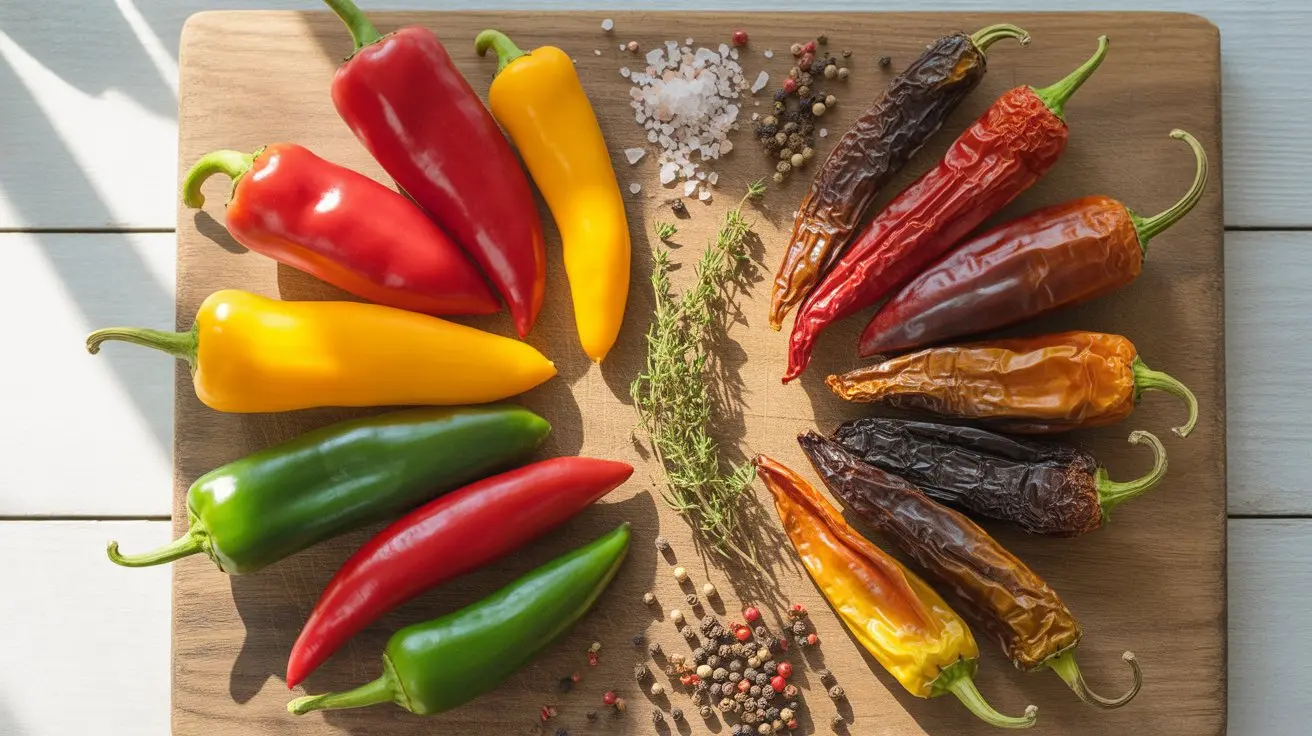
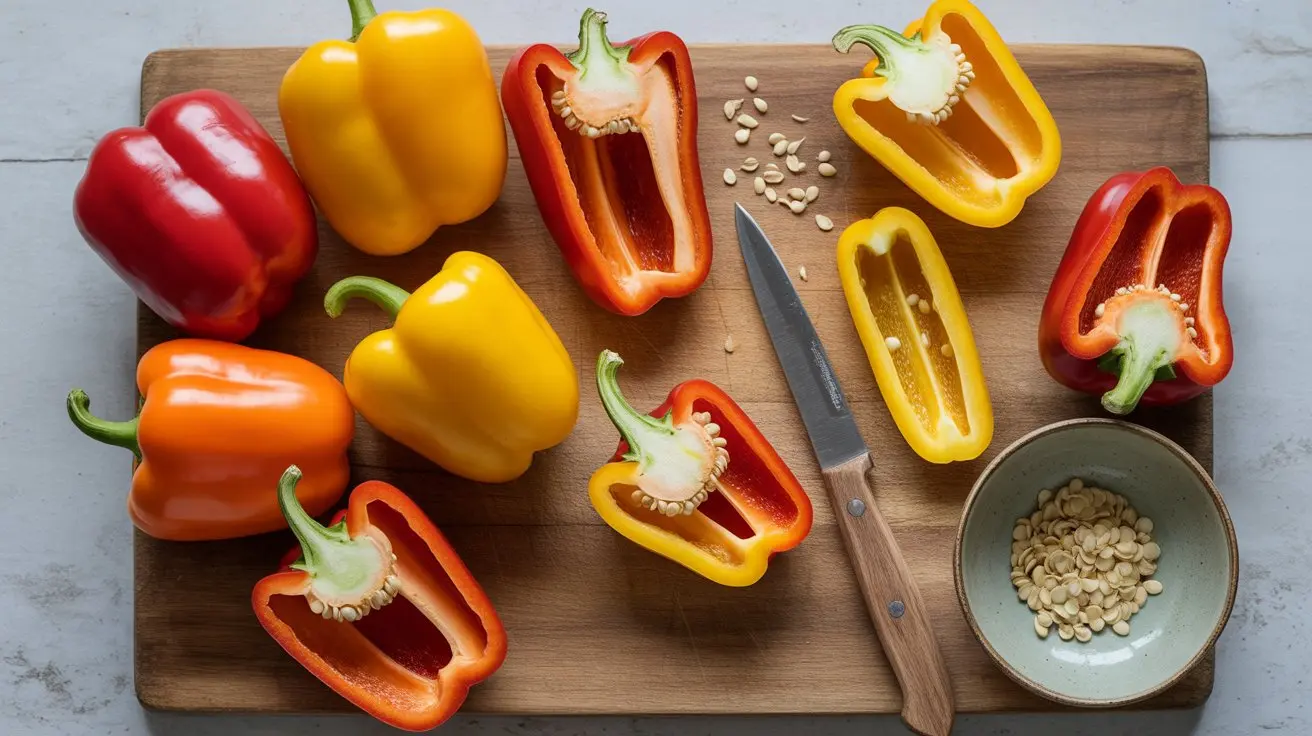
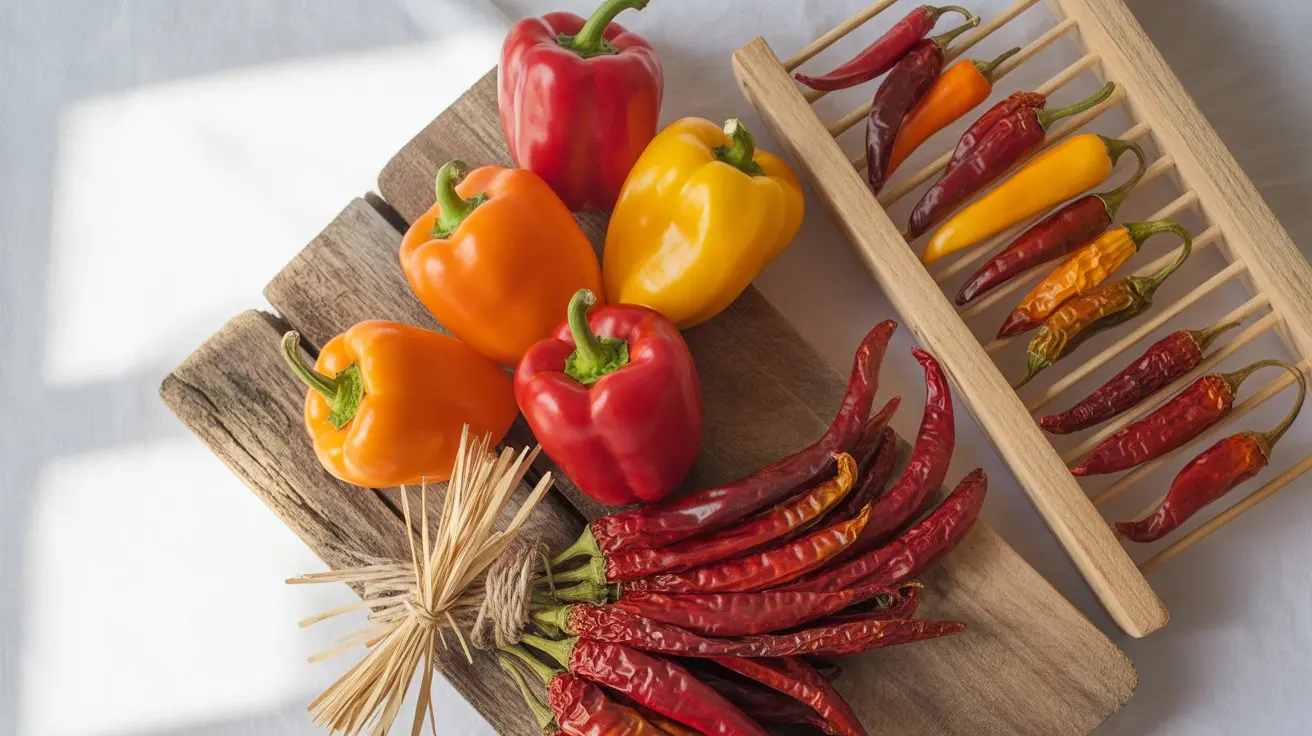
Any green chili works, but the pepper you choose determines the heat level and flavor of your finished powder. The key rule: use peppers that are still green and fresh, not ones that have started to turn red or orange.
| Heat Level | Pepper | SHU Range | Flavor Profile |
|---|---|---|---|
| Mild | Anaheim | 500-2,500 | Slightly sweet, pale green color |
| Mild | Poblano Pepper | 1,000-2,000 | Earthy depth, darker powder |
| Mild | Hatch Chile | 500-2,500 | Distinctly New Mexican, seasonal |
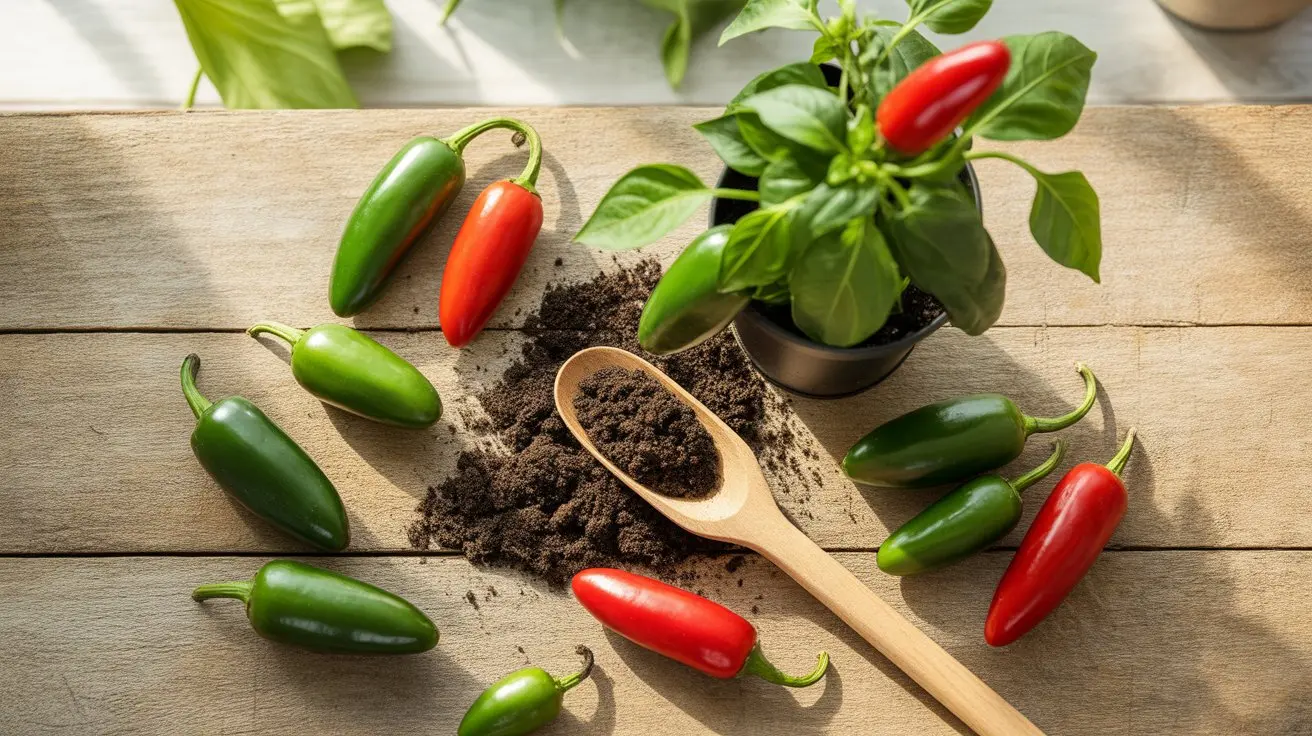
| Medium | Jalapeño | 2,500-8,000 | Bright, grassy |
| Medium | Fresno | 2,500-10,000 | Slightly fruitier than jalapeño |
| Medium | Serrano Pepper | 10,000-23,000 | Bright, grassy, more heat |
| Hot | Cayenne | 30,000-50,000 | Seriously hot green powder |
| Hot | Thai Chili | 50,000-100,000 | Small but very hot |
The best approach is to blend two or three varieties. We use a base of Anaheims for volume and color, add jalapeños for brightness, and throw in a few serranos for heat.
The resulting powder has more complexity than any single-pepper version.
Equipment You Need
You need three things: a way to drying the peppers, a way to grind them, and a way to store the powder.
Equipment checklist:
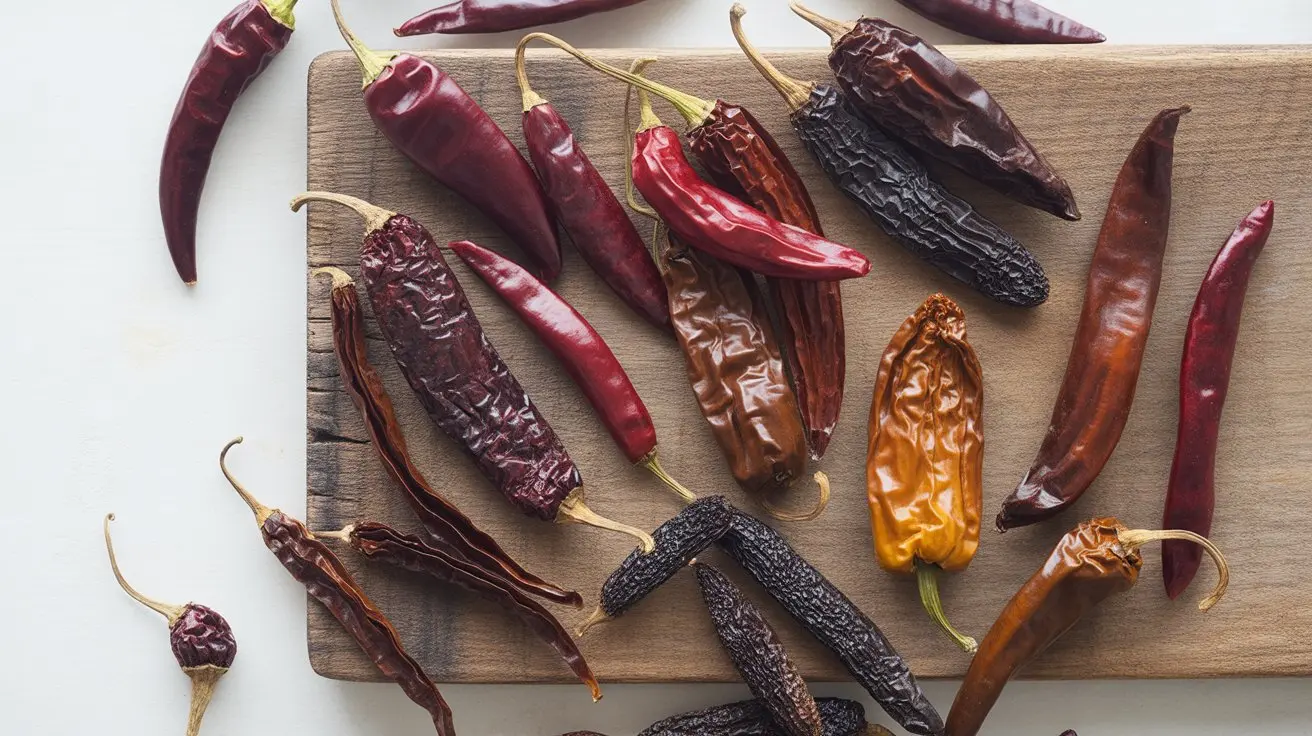
- Dehydrator or oven: A food dehydrator runs at consistent temperature and dries peppers evenly in 8-10 hours. An oven set to 150-170°F works but requires more attention. chili-drying takes 3-4 days but is free.
- Spice grinder: An electric coffee grinder dedicated to spices produces the finest powder. A mortar and pestle works but is slower. A blender produces coarser results.
- Airtight glass jar: Store in a cool, dark place. Avoid plastic containers, which absorb capsaicin over time.
How to Make Green Chili Powder Step by Step
Step-by-step process:
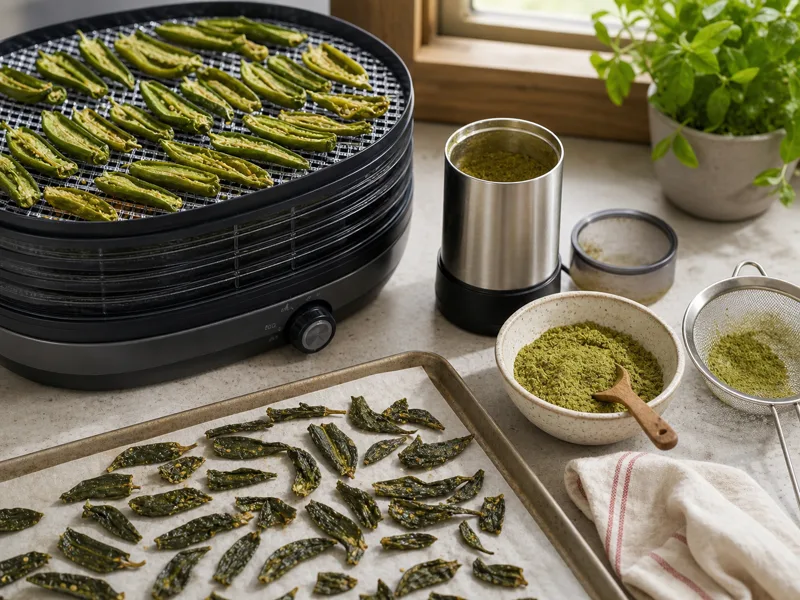
- Prep the peppers. Wash and dry them thoroughly. Cut off the stems, then slice each pepper in half lengthwise. Leave the seeds and membranes in for maximum heat. Remove seeds before drying for milder powder.
- Dry the peppers. Arrange halves in a single layer on dehydrator trays or a baking sheet. Do not overlap. Dry at 125°F (52°C) for 8-10 hours in a dehydrator, or at 150-170°F (65-77°C) for 6-8 hours in an oven with the door cracked. For sun drying, place on a rack in direct sunlight for 3-4 days, bringing inside at night.
- Check for doneness. Peppers are done when they snap cleanly when bent. If they bend without breaking, they still have moisture. Flexible peppers will mold in storage. For a brighter batch, grind only crisp pieces and dry leathery strips for another hour.
- Cool completely. Let dried peppers sit at room temperature for 30 minutes before grinding. Grinding warm peppers creates condensation, which clumps the powder.
- Grind. Break dried peppers into smaller pieces by hand, then pulse in the spice grinder in short bursts (2-3 seconds each). Shake between pulses to redistribute. Over-grinding generates heat, which darkens color and mutes the bright green flavor.
- Sift (optional). Pass through a fine-mesh strainer for uniform powder. Larger pieces can be returned to the grinder or saved as crushed flakes.
Green Chili Powder vs. Red Chili Powder
The differences go beyond color. Green chili powder is made from unripe peppers, which have a brighter, more herbaceous flavor.
Red chili powder comes from fully ripened peppers, which develop deeper, earthier, and sometimes smoky notes.
| Characteristic | Green Chili Powder | Red Chili Powder |
|---|---|---|
| Flavor | Brighter, grassier, more vegetal | Earthy, bolder, sometimes smoky |
| Color | Vibrant green, won't darken sauces | Orange-red, turns everything red |
| Best for | Salsa verde, green mole, pork, finishing | Chili, stews, rubs, Mexican cooking |
| Heat range | Depends on pepper variety | Depends on pepper variety |
How to Store Green Chili Powder
Store in an airtight glass jar away from heat and light. A cool, dark cupboard is ideal.
Properly stored green chili powder keeps its best flavor for 6 to 12 months. It remains safe to eat beyond that, but the flavor fades and the heat diminishes.
Storage options:
- Room temperature: Airtight glass jar in a dark cupboard. Best flavor for 6-12 months.
- Refrigerator: Extends life to 12-18 months. Bring to room temperature before use for best flavor.
- Freezer: Indefinite shelf life. Flavor stays strong for 2+ years.
Signs your powder has chili-powder shelf-life: faded color (from green to brownish-gray), weak or absent smell, flat taste with no heat. If it smells musty or looks clumped with moisture, discard it, that is mold.
Tip: Label your jars with the date and pepper variety. Green chili powder from Anaheims tastes different from jalapeño-based powder, and you will forget which is which after a few months.
Using Green Chili Powder in Cooking
Green chili powder works anywhere you would use red chili powder, but it excels in dishes where color matters.
- Salsas and sauces: salsa-ready pepper options gets heat without turning brown. Green enchilada sauce stays vibrant.
- Guacamole: Adds a subtle kick without visible red flecks.
- Finishing spice: Sprinkle on scrambled eggs, avocado toast, popcorn, or fresh salads for a bright green heat boost.
- Dipping sauces: Mix into sour cream or yogurt for a quick dip.
For cooking, add green chili powder early in the process so the flavor has time to bloom in fat or liquid. For finishing, add it at the end to preserve the bright green color and fresh pepper flavor.
Common Mistakes to Avoid
Using wet peppers. Any residual moisture after drying will cause mold in storage.
The peppers must snap, not bend, when fully dried.
Grinding too much at once. Overloading the grinder creates uneven particle sizes and generates heat.
Grind in small batches for the best texture.
Storing in plastic. Capsaicin is oil-soluble and will seep into plastic containers over time, making them permanently spicy and potentially contaminating other foods stored in the same cabinet.
Ignoring ventilation. Grinding hot peppers releases capsaicin into the air.
Open a window or grind near a range hood.
We learned this the hard way, one batch of ghost pepper powder had us coughing for twenty minutes.
Green Chili Powder: How to Make It at Home FAQ
- USDA FoodData Central - Spices pepper chili dried
- National Center for Home Food Preservation
- University of New Mexico Extension