Drying Chili Peppers: Dehydrator, Oven, Air, and Smoke Methods
Dry chili peppers until they are brittle, leathery only when the variety is thick-walled, and fully free of surface moisture. A dehydrator gives the most consistent result, an oven works with low heat and airflow, air drying needs low humidity, and smoking adds flavor before final drying.
How does drying preserve chili peppers?
Drying chili peppers works by removing enough moisture that mold and spoilage have a harder time growing. The goal is a pepper that stores cleanly, grinds well, and keeps its flavor without hidden damp pockets.
The best method depends on your climate, pepper thickness, equipment, and final use. Thin cayennes can dry quickly.
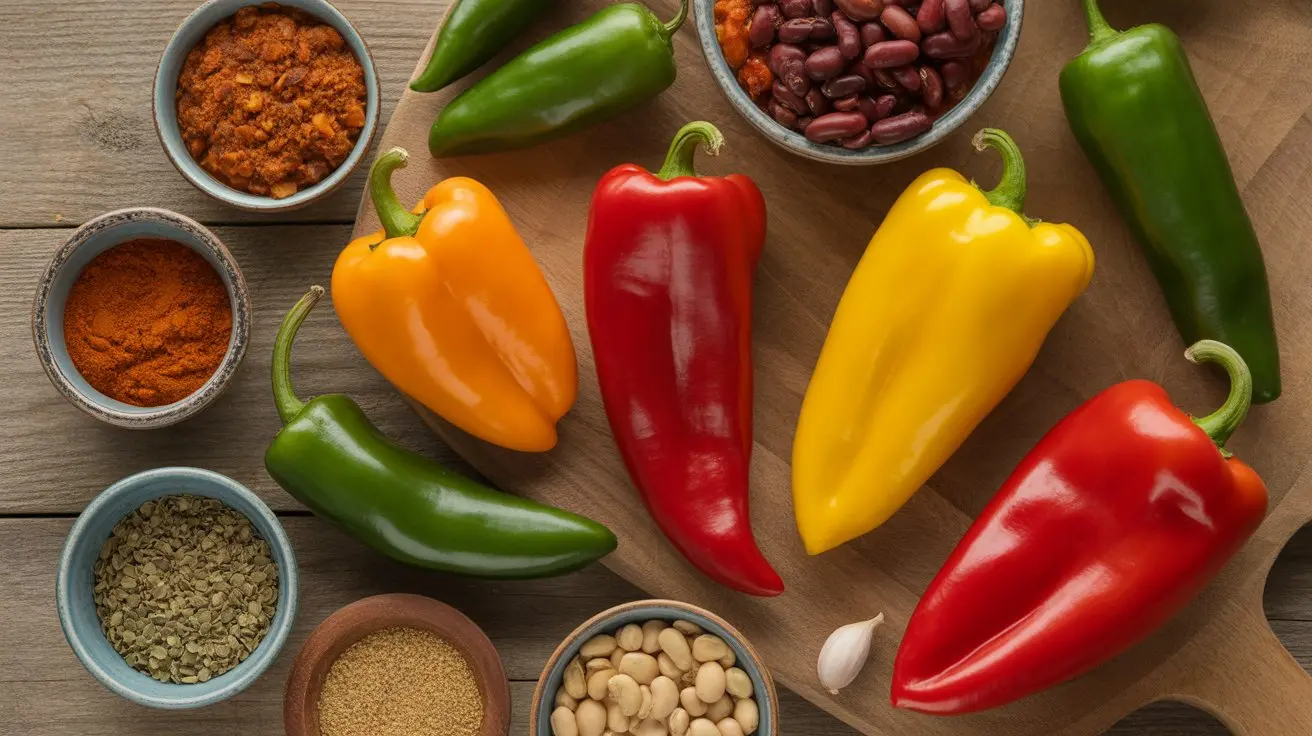
Thick jalapenos and fleshy bells need more help because moisture hides inside the walls.
This guide covers the drying method choice and the dryness checks. Broader pepper-drying coverage can talk about preservation in general, but chili peppers need decisions about heat, seeds, smoke, and grinding.
Prep peppers before they hit the tray
Start with ripe, clean peppers. Discard any pods with soft spots, mold, insect damage, or sour smell because drying will not make a bad pepper good.
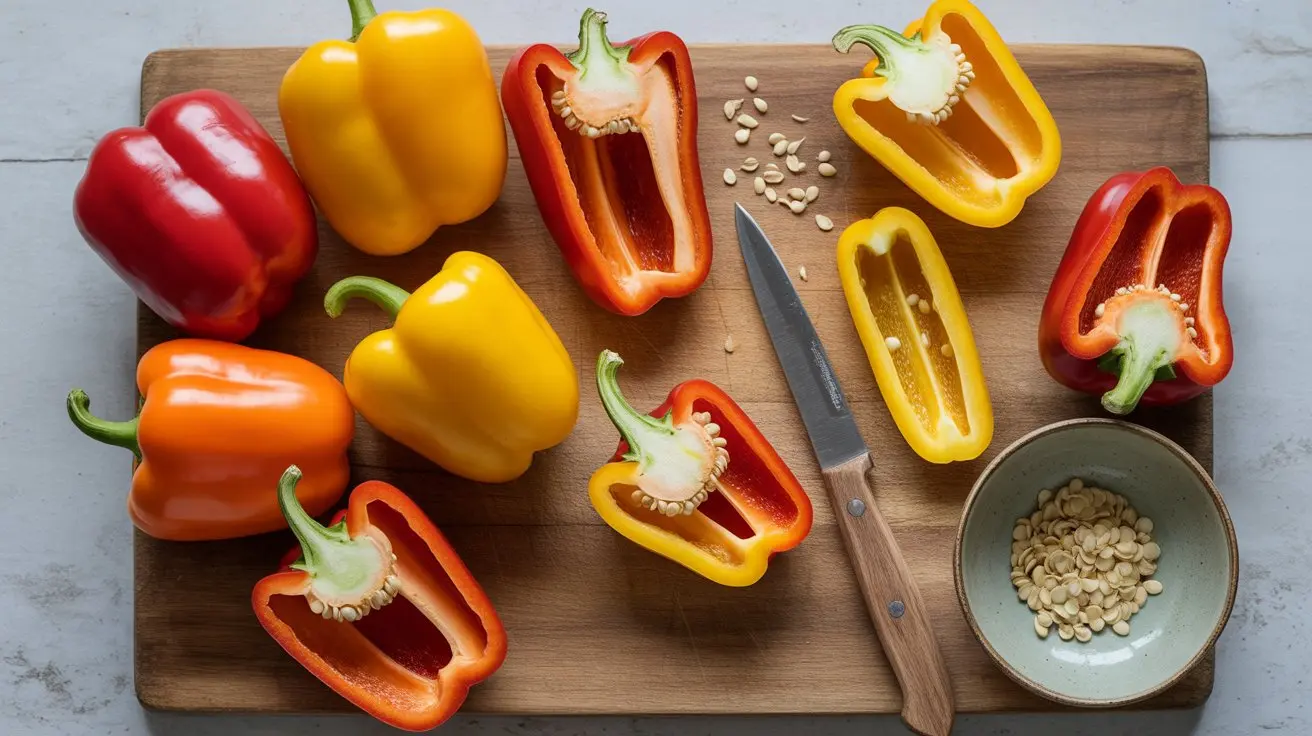
Wash the peppers, dry the surface well, then remove stems. Small thin pods can dry whole, but larger peppers should be halved or sliced so moisture can leave the inner walls.
Wear gloves for hot varieties. Cutting a tray of long red cayenne peppers, Thai chiles, or superhots exposes skin to capsaicin for longer than a normal dinner prep session.
Keep pieces similar in size. A tray with whole thick peppers, thin rings, and tiny slivers will dry unevenly, which means the thinnest pieces over-dry while the thickest pieces stay risky.
Use a dehydrator for the most consistent result
A dehydrator is the easiest method to control because it combines low heat with steady airflow. For most sliced chili peppers, set the dehydrator around 125-140 F and dry until the pieces feel dry throughout.
Thin rings may finish in 6-10 hours. Thick halves can take 12 hours or more.
The exact time depends on wall thickness, tray load, humidity, and how much airflow reaches each piece.
Do not pack the trays. Leave space between slices so air can move.
Rotate trays if your dehydrator dries one level faster than another.
| Method | Best for | Main risk |
|---|---|---|
| Dehydrator | Most home batches | Crowded trays drying unevenly |
| Oven | Small batches without a dehydrator | Heat too high, peppers cooking |
| Air drying | Thin pods in dry climates | Humidity and mold |
| Smoking | Chipotle-style flavor | Smoke without full final drying |
The table is a method choice, not a timer guarantee. The pepper is done when the pepper is dry, not when the clock says a batch should be finished.
Can you dry chili peppers in the oven?
An oven can dry chili peppers if it runs low enough and has airflow. Use the lowest setting, often around 150-170 F, and crack the door slightly if your oven traps moisture.
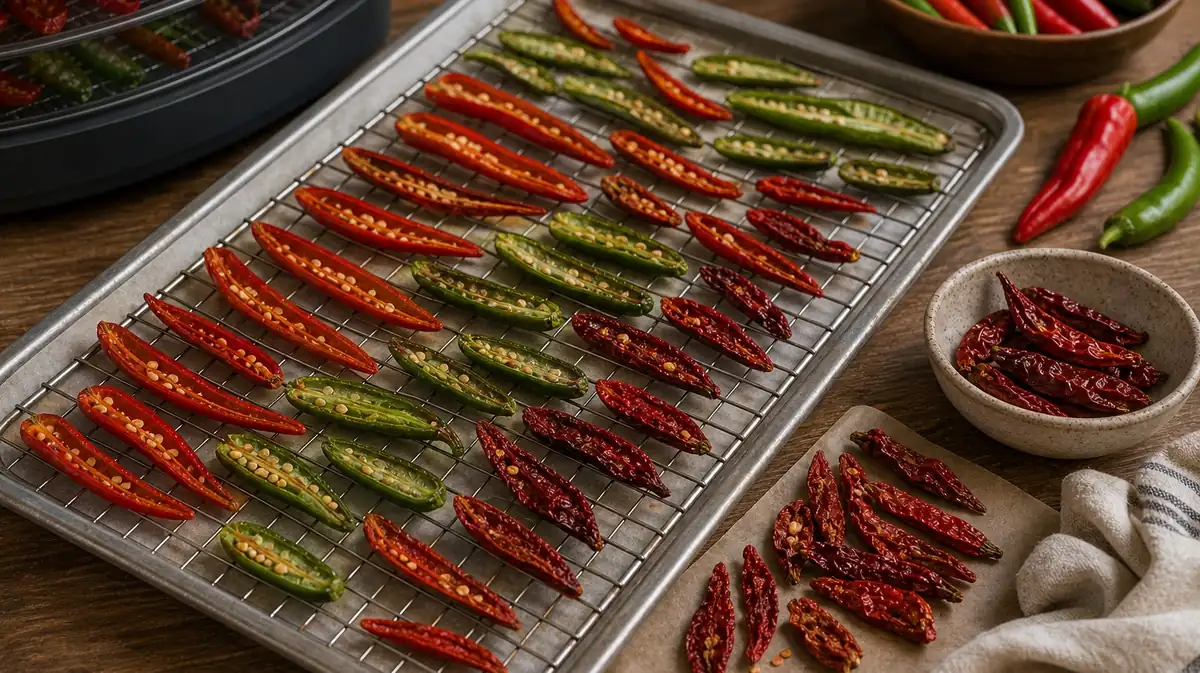
Place peppers on a rack or parchment-lined tray in a single layer. Turn pieces occasionally and check more often near the end because oven heat can move from drying to cooking quickly.
Oven-dried peppers may taste more roasted than dehydrated peppers. That can be useful for salsa or powder, but it is not the same as a neutral dried chile.
If you want clean chile flavor for powder, a dehydrator gives better repeatability.
For powder-making after drying, use the same small-batch logic as making chili powder: grind only fully dry peppers and let the dust settle before opening the grinder.
When does air drying chili peppers work?
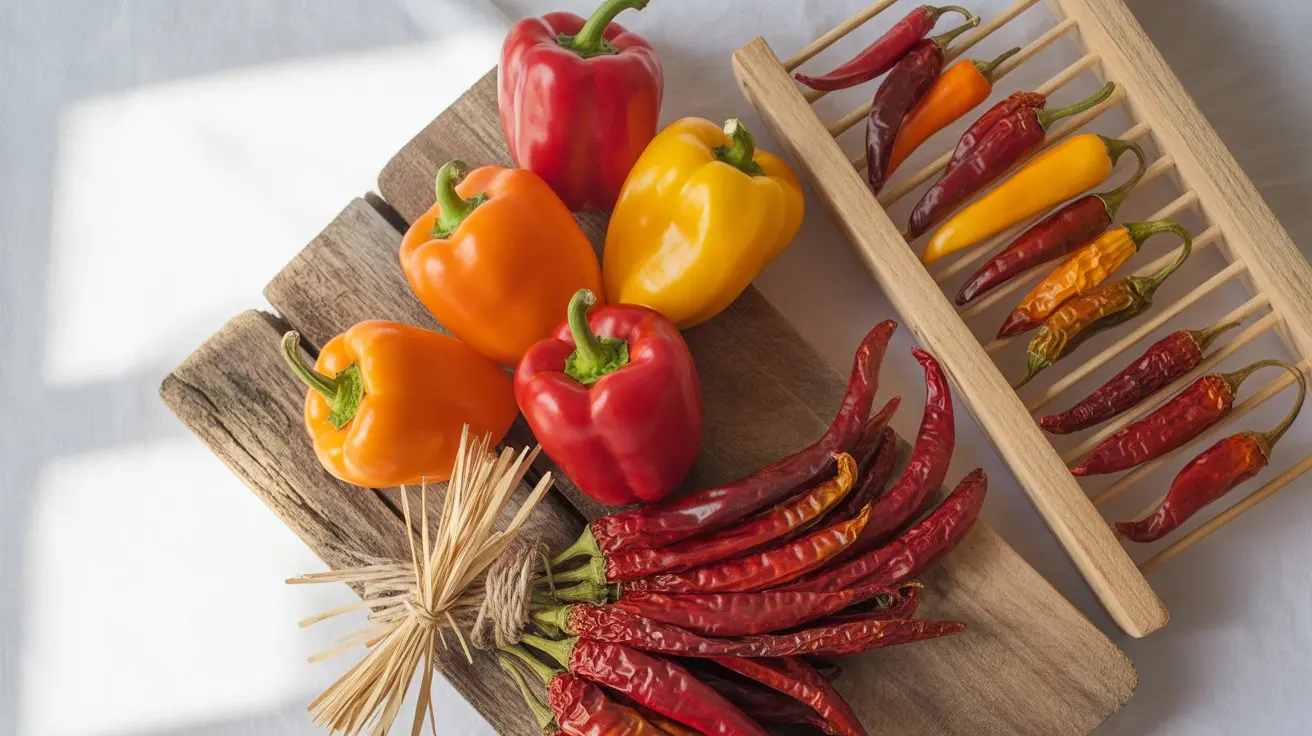
Air drying is traditional and simple, but it is climate-dependent. Thin peppers can dry on a string, rack, or ristra when the air is warm, dry, and moving.
Humid kitchens and rainy weeks make mold more likely.
Do not air dry thick jalapenos or fleshy peppers unless conditions are very dry and the peppers are split open. Whole thick pods can look fine outside while staying damp around the seeds.
If you see soft spots, fuzzy growth, or a musty smell, discard the pepper. Do not cut away the visible mold and keep drying the rest.
Mold means the batch conditions failed.
For growers choosing varieties specifically for this method, thinner-walled peppers and smaller pods are better candidates. Our peppers for dehydrating guide covers that variety choice before harvest.
Does smoking fully dry chili peppers?
Smoking peppers adds wood flavor and can partially dry the pods, but smoke alone does not always finish preservation. The classic chipotle idea starts with ripe jalapenos, then uses smoke and drying to turn fresh pods into a wrinkled, shelf-stable dried form.
If you smoke peppers at low heat, finish them in a dehydrator or low oven until they pass the dryness test. A smoky pepper that is still damp inside can mold in storage.
Smoke flavor is strong, so keep smoked peppers separate from neutral dried chiles. A jar of smoked pods can perfume neighboring powders if lids are loose.
For jalapeno-specific smoking, how to smoke jalapenos covers the smoke setup. This article covers the final drying and storage check.
How to tell when dried chili peppers are done
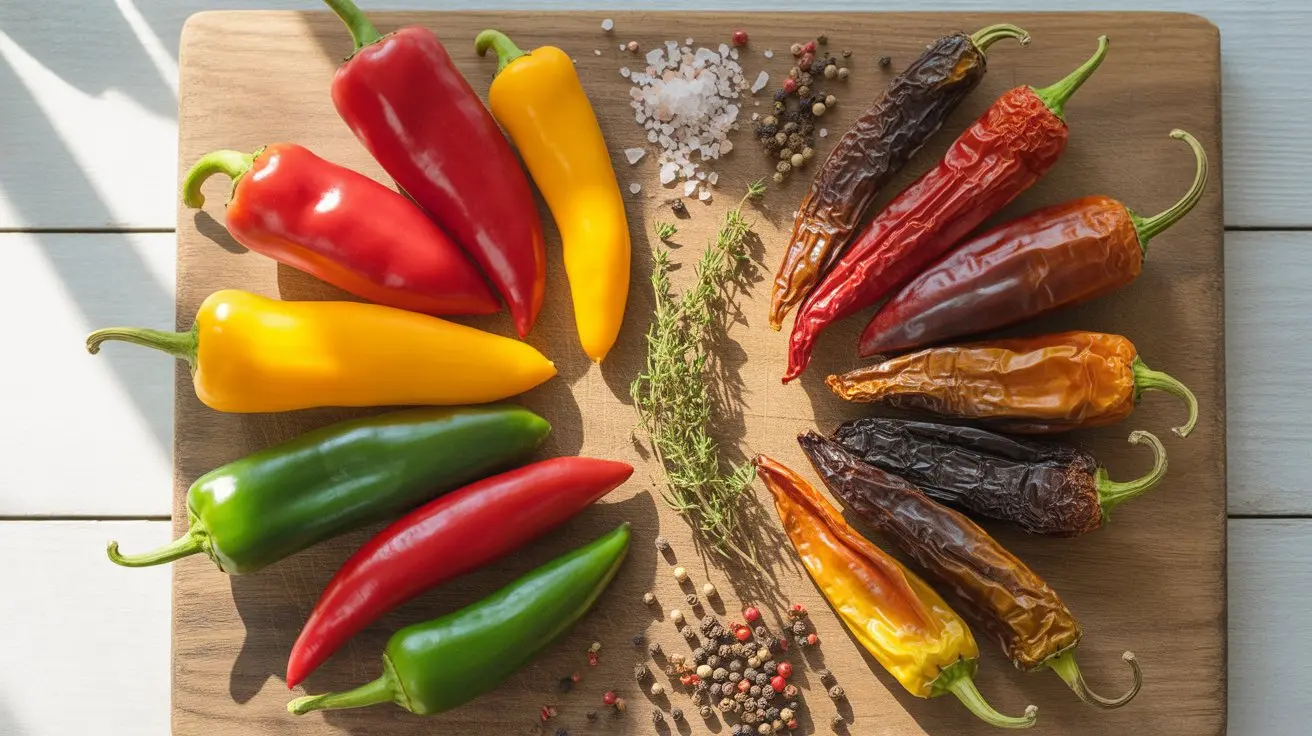
Thin dried peppers should feel brittle or crisp. Thicker dried peppers may stay slightly leathery, but they should not feel cool, wet, soft, or spongy inside.
Cut one of the thickest pieces in half after cooling. If the center bends wetly, shines with moisture, or smells raw, return the batch to the dehydrator or oven.
Let peppers cool before judging. Warm peppers can feel softer than they will at room temperature, and warm peppers placed straight into a jar can create condensation.
Use the jar test for questionable batches: place cooled peppers in a clean jar for one day, then check for condensation. If the glass fogs or the peppers soften, dry them longer.
This test is especially useful before grinding. Damp powder clumps, spoils faster, and can ruin a grinder.
Which chili peppers are easiest to dry?
Thin-walled peppers are easier to dry because moisture has a shorter path out of the pod. Cayenne, Thai chiles, and many small red chiles are forgiving choices for dehydrator trays and dry-climate air drying.
Thicker peppers need more cutting and more patience. Jalapenos can become excellent smoked dried peppers, but whole fresh jalapenos are poor air-drying candidates in humid kitchens because the walls hold water around the seed cavity.
Color and final use matter too. A sweet red pepper or Paprika Pepper can dry into a mild powder base, while hot thin peppers make sharper flakes.
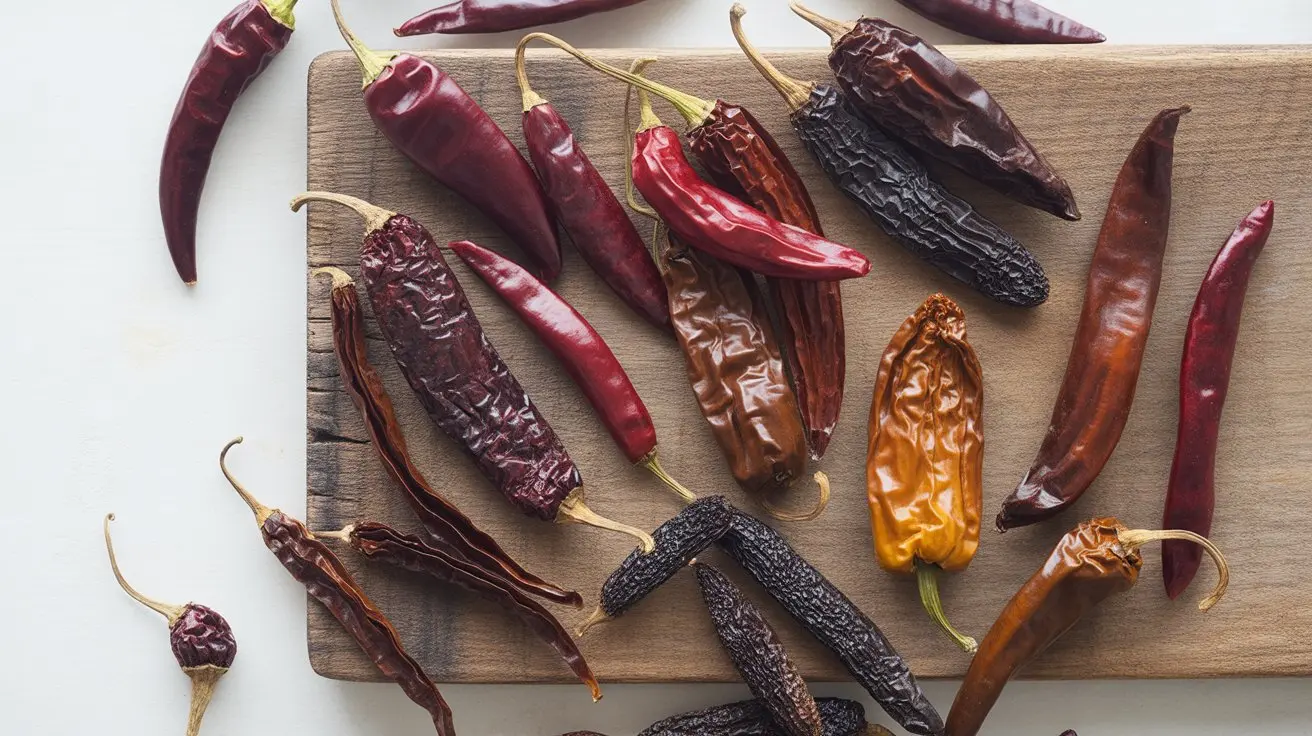
Dried Mexican chiles such as ancho, guajillo, and pasilla are usually selected for sauce body as much as heat.
If you are building a pantry around dried pods, use dried Mexican chiles as a separate reference. This drying guide covers The home process.
That page explains identification and cooking roles after the peppers are already dried.
How should you store dried chili peppers?
Store fully dried chili peppers in airtight jars, vacuum bags, or sealed containers away from light, heat, and steam. Label the variety and date because dried pods can look similar after a few months.
Keep whole pods when you can. Whole dried peppers usually hold aroma longer than powder, and they give you more options: toast, soak, grind, crumble, or blend.
When you need sauce, soak the pods and use our rehydrating dried peppers method. When you need a pantry swap, a clean dried chili substitute works better than guessing with stale powder.
Drying does not end with the tray. The storage step decides whether the work turns into a useful pantry ingredient or a jar of brittle peppers that slowly absorbs kitchen moisture.
Drying Chili Peppers: Dehydrator, Oven, Air, and Smoke Methods FAQ
- National Center for Home Food Preservation - Drying Foods
- Colorado State University Extension - Drying Vegetables
- USDA FoodKeeper App - Food Storage Guidance