

Dried Chili Substitute: Match the Pepper, Not Just Heat
A dried chili substitute works only when it matches the job of the missing chile, not just its heat. Use ancho, pasilla or mulato for dark fruit and body, guajillo or New Mexico chile for bright red sauce, chipotle when smoke matters, and de arbol, cayenne or Thai chile when the point is sharp heat.
Heat at a glance
What Can You Use Instead of Dried Chili?
| Missing chile | SHU | Closest swap | Compensate with |
|---|---|---|---|
| Guajillo | 2,500-5,000 | Ancho | 1/4 tsp cayenne per pod |
| Ancho | 1,000-2,000 | Guajillo, 1:1 | A pinch of brown sugar |
| Pasilla | 1,000-2,500 | Ancho, 1:1 | Mulato instead, for earthiness |
| Chipotle | 2,500-8,000 | Ancho | 1/2 tsp smoked paprika per pod |
| Chile de arbol | 15,000-30,000 | Cayenne or japones | Nothing, heat is the whole job |
| Cayenne | 30,000-50,000 | Thai chile at half | Or de arbol at 1:1 |
| Hungarian wax | 5,000-15,000 | Banana pepper | Guajillo, 1:1, for sauces |
| Kashmiri | 1,000-2,000 | Ancho, 1:1 | Paprika plus cayenne for color |
| Aleppo | 10,000-20,000 | Guajillo, 1:1 | A pinch of cayenne, or Maras |
| Gochugaru | 4,000-8,000 | Cayenne flakes at half | A pinch of sugar |
Start by matching the dried chile family, not just the heat
Closest MatchThe best dried chili substitute depends on whether the missing pepper was supposed to bring sweet body, bright red fruit, smoke, or sharp heat. Matching the Scoville range alone is not enough.
A hot chile can replace the burn of de arbol, but it cannot replace the dark, raisin-like backbone that ancho gives to mole or chili.
Use this quick rule first. Choose ancho, pasilla, mulato, or mild dark chile powder when the recipe needs body and sweetness.
Choose guajillo, New Mexico chile, or Kashmiri-style red powder when the dish needs red color and clean dried-fruit flavor. Choose chipotle or smoked paprika plus heat when smoke matters.
Choose de arbol, cayenne, Thai chile, or red pepper flakes when the chile is there mostly to push heat.
Form matters first. Whole dried pods create body after soaking, while powder seasons quickly and flakes release heat unevenly.
If a recipe asks for soaked chiles to blend into sauce, use another whole dried chile whenever possible. If it asks for a finishing sprinkle or dry rub, powder or flakes can work.
Matching heat while ignoring form is the fastest way to get a thin sauce or gritty paste.
Best ancho-style substitute: pasilla or mulato
Runner-UpFor a missing ancho, the closest family match is usually pasilla or mulato. Use 1:1 by pod weight in mole, chili, braises, and red enchilada sauce.
Both keep the dark, dried-fruit direction that ancho brings, even if the exact sweetness shifts.
Pasilla runs a little leaner and more herbal. Mulato pushes deeper cocoa and prune notes.
If you only have powder, start with 1 tablespoon plain chile powder for one average ancho pod, then simmer and taste before adding more. For a tighter ancho-specific replacement list, use the ancho substitute.
Pasilla and mulato are the safest swaps for ancho-style jobs because they keep low heat and dark dried-fruit body. Use them in mole, chili, enchilada sauce, and beef braises.
Toast briefly, soak, and blend rather than adding dry powder straight to the pot. Use 1:1 by weight for whole pods, then correct sweetness or bitterness after the sauce simmers.
Best guajillo-style substitute: New Mexico chile
Also GreatFor a missing guajillo, New Mexico chile is the cleanest all-purpose substitute. Use it 1:1 for whole pods or powder when you need bright red color, mild fruit, and a clean sauce base.
This is usually the least disruptive swap in enchilada sauce, pozole sauce, and table salsa.
If New Mexico chile is not available, ancho can work, but it tastes darker and sweeter. Use 1 ancho for every 2 guajillos and add a small splash of vinegar or lime after blending so the sauce does not lose all of guajillo's brighter edge.
Guajillo sits in a different role than ancho, so color alone is not enough.
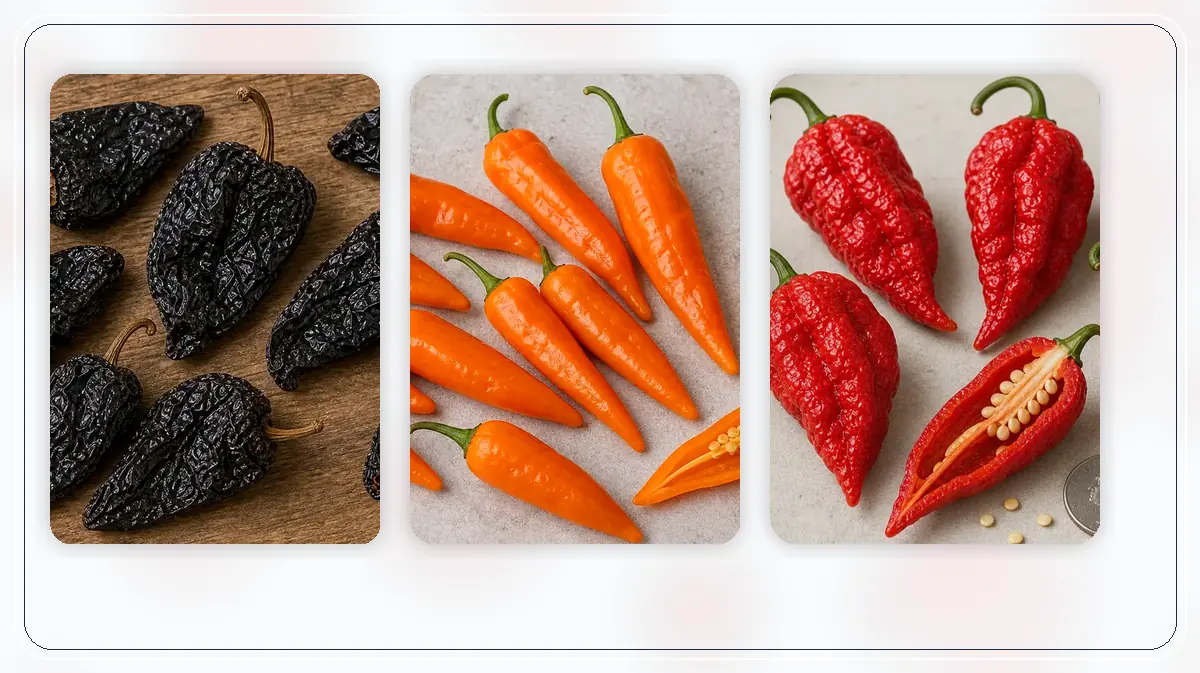
Best chipotle-style substitute: smoked paprika plus cayenne
Chipotle is not just heat. It is smoke, red pepper flavor, and moderate warmth from a smoked dried jalapeno.
For chipotle powder, use 1 teaspoon smoked paprika plus 1/4 teaspoon cayenne for each teaspoon of chipotle powder. That gets close in chili, barbecue sauce, bean dishes, and marinades.
If the original recipe uses chipotle in adobo, this swap only covers part of the job. Adobo also adds vinegar, garlic, and tomato.
In that case, add a little acid and tomato paste, or move to a different recipe category. Plain cayenne rarely covers the gap on its own, because chipotle carries smoke that heat alone cannot imitate.
Best de arbol-style substitute: cayenne, japones, or Thai chile
For de arbol, match the thin wall and fast, sharp heat. Use cayenne at 1:1 by heat, japones at 1:1 by pod count, or Thai chile at half to three-quarters if the Thai chile is especially hot.
This is the right role for salsa macha, chile oil, and sharp toasted salsa. Do not replace de arbol with chipotle unless you want smoke in the final dish.
If you are solving the exact de arbol problem, the dedicated de arbol substitute gives tighter ratios and use cases.
Whole pods and powder do different jobs
Whole dried chiles are better when the recipe needs soaked flesh, blended body, and a cooked-fruit finish. Powder is better when you need speed, even distribution, or a pantry shortcut.
They are related, but they are not fully interchangeable.
As a starting ratio, use 1 teaspoon plain chile powder for one small dried pod. For larger ancho or guajillo pods, start near 1 tablespoon powder per pod.
Bloom powder in warm oil or broth before judging it. A dry spoonful stirred in at the end can taste flat even when the quantity is correct.
When red pepper flakes or chili powder are good enough
Red pepper flakes are a heat substitute, not a full dried-chile substitute. Use them in soups, pizza sauce, noodle oil, or quick marinades when the missing chile only needs to add bite.
Start with 1/4 to 1/2 teaspoon flakes per small dried hot chile, then adjust after the dish cooks.
Generic chili powder works best in chili, taco meat, stew, and other dishes where cumin, oregano, garlic, and salt will not break the flavor. It is a weak choice for enchilada sauce, mole, or table salsa because those blends often pull the dish away from a clean chile flavor.
If the recipe mostly needs red color with mild heat, paprika is usually cleaner. For a fuller set of options in that role, use the paprika substitute.
Choose by recipe, not by ingredient label alone
For mole, braises, and rich chili, stay in the ancho, pasilla, and mulato role. For enchilada sauce, pozole sauce, and red salsa, stay in the guajillo or New Mexico role.
For barbecue sauce, beans, and smoky rubs, move toward chipotle or smoked paprika plus a hot chile. For chile oil, salsa macha, and hot table sauces, stay in the de arbol, japones, cayenne, or Thai chile role.
That recipe-first filter prevents most substitution mistakes. When the dish fails, it is usually because the swap changed the chile's role, not because the substitute was objectively bad.
Toast and soak before you judge the swap
Always rehydrate dried chiles in hot water for 10 to 15 minutes before use. Soaking softens them for blending and pulls some bitterness out of the seeds.
For toasting, press the pods flat in a dry skillet over medium heat for 30 seconds per side. They should puff slightly and turn fragrant.
Do not let them blacken. Scorched chiles taste bitter and will carry that through the whole sauce.
Toasting is what develops the nutty depth that distinguishes Mexican dried chile cooking, so an untoasted substitute tastes flat regardless of which variety you picked.
Which Peppers Make Poor Dried Chili Substitutes?
Do not use one very hot chile as a universal stand-in for every dried chile. Habanero can replace heat, but it cannot replace ancho body or guajillo color.
Do not use chili powder blends in mole or enchilada sauce without checking salt, cumin, and garlic first. Do not replace chipotle with plain cayenne when the smoke is part of the recipe's identity.
Avoid treating red pepper flakes as a universal dried chile substitute. Flakes add scattered heat but little sauce body, and they often include seeds that stay tough.
They are acceptable in quick pasta sauce or pizza oil, not in mole, adobo, or smooth chile paste.
Do not treat all dried chiles as interchangeable. Guajillo, ancho and chipotle each carry a different role, so swapping chipotle for guajillo strips the smoky backbone out of a mole.
Do not reach for commercial chili powder as a direct swap. It is a blend of ground chiles with cumin, garlic and oregano, which does not stand in for whole pods that a recipe expects you to toast and rehydrate.
Do not skip the toasting step and expect the substitute to carry the dish. Untoasted dried chiles taste one-dimensional whichever variety they are.
Dried Chili Substitute FAQ
- H-230: Growing Chiles in New Mexico - NMSU Extension
- Encyclopaedia Britannica - Paprika