

Best Ancho Substitutes for Mole and Enchilada Sauce
Choose an ancho substitute by the sauce job. Dark-sauce pasilla keeps the dried-chile base closest. Mole-ready mulato chile gives cocoa and dark fruit more weight. Bright guajillo chile works when red color and tang matter. Fresh poblano does not supply the body of a dried ripe chile.
Heat at a glance
Which Chile Is Closest to Ancho?
Ancho comes from the Mexican dried-chile tradition and is a ripe poblano dried until its flesh develops raisin sweetness and a soft cocoa note. Within the Capsicum annuum species, the closest replacement depends on whether the dish needs dark fruit, red color, or a heavy sauce base.
Its place among medium-heat peppers does not decide this swap by itself.
| Recipe job | Best starting swap | Expected change |
|---|---|---|
| Dark enchilada sauce | pasilla for dark sauce | Less sweetness and a little more earth |
| Mole with nuts or chocolate | dark mulato chile | Deeper cocoa and smoke |
| Bright red chile sauce | tangy guajillo pod | More tang and a redder finish |
| Flexible marinade | aji panca paste | Mild berry flavor and more smoke |
Pasilla is the safest first choice for a dark sauce. Mulato makes more sense when the ancho was supporting chocolate, nuts, or slow-cooked meat.
Guajillo is useful when appearance matters, but the finished sauce may need a little tomato paste or dried fruit for roundness.

Best Swaps for Mole and Sauce
Pasilla
Closest MatchDark sauce should start with earthy pasilla chile. It sits close to ancho at 1,000-2,500 SHU, and its dried-fruit flavor can carry enchilada sauce, adobo, and braised beef without making the dish hotter.
The swap works best after the same dry-toast and soak step used for ancho pepper. Pasilla has less raisin sweetness, so add a small pinch of brown sugar or a roasted tomato if the sauce tastes too lean.
Mulato
Runner-UpMole wants weight before it wants heat. mulato pepper gives that weight with cocoa, smoke, and dark fruit, so it makes sense when the ancho was part of a deeper mole base rather than a bright salsa.
Mulato runs a little hotter at 2,500-3,000 SHU, but the bigger change is flavor. It can make a sauce taste darker than expected, which helps with chocolate, nuts, sesame, and slow-cooked pork.
Guajillo
Also GreatA red sauce that needs color, tang, and clean chile flavor can move toward red-sauce guajillo. It brings 2,500-5,000 SHU and a brighter red-fruit note, so the sauce will taste sharper than an ancho-only version.
Aji Panca
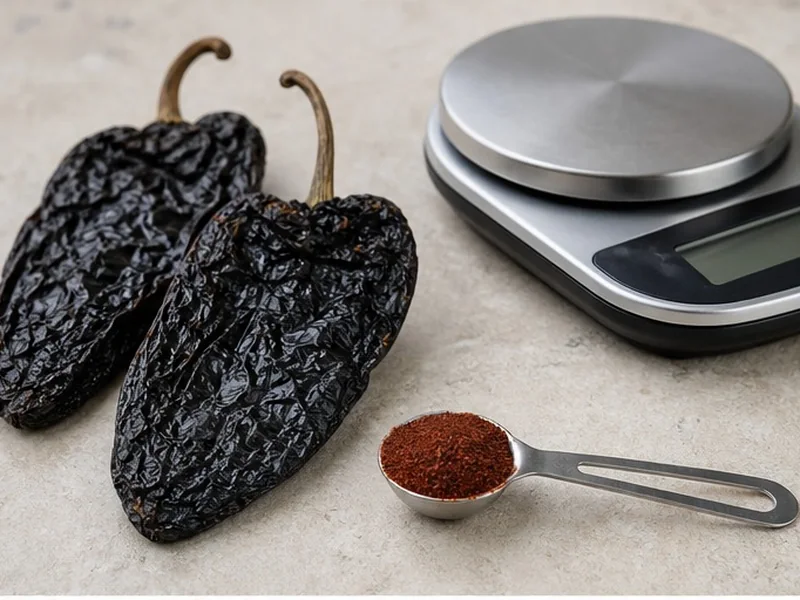
Peruvian stews and marinades can borrow smoky aji panca more easily than Mexican mole can. At 1,500-8,400 SHU it can run hotter than ancho, and it brings dark berry, smoke, and mild sweetness.
Kashmiri Chili
Color-first dishes can use Kashmiri chili when ancho is missing. It gives mild heat and a strong red color, which helps soups, rice dishes, rubs, and tomato sauces.
For whole dried chiles, combine it with a small spoon of tomato paste to replace some body.
Which Ancho Swaps Miss the Mark?
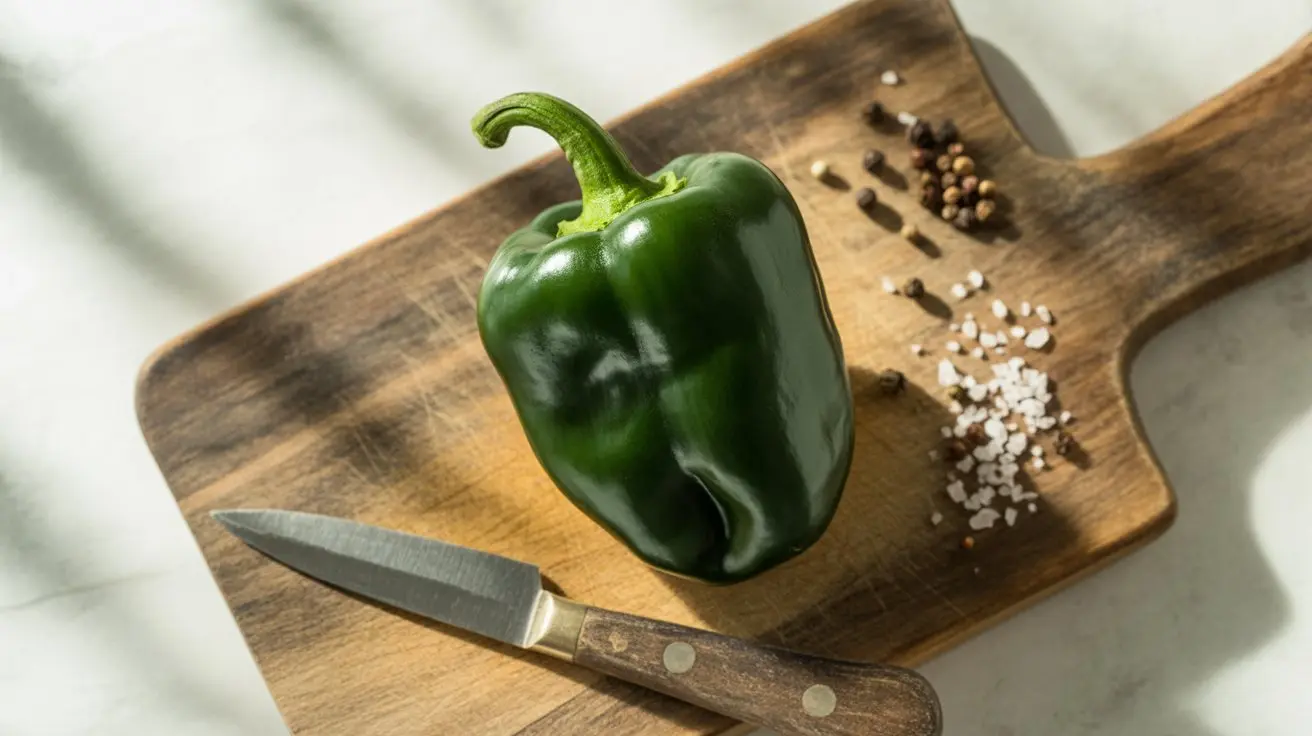
Skip fresh poblano in most ancho sauce recipes. Ancho is a dried ripe poblano, but the dried form has raisin, cocoa, and sauce body that fresh poblano cannot supply.
Avoid cayenne as the main swap unless heat is the only goal. It adds sharp fire without the dark fruit that ancho brings.
Do not replace whole anchos with generic chili powder cup-for-cup. The spice blend may already contain salt, cumin, garlic, and oregano.
How Will the Sauce Change?
Pure ancho powder can replace a whole pod in a smooth sauce. Start with 1 tablespoon powder for one medium pod, stir it into warm liquid, and let it hydrate before judging body or flavor.
A seasoned chili powder is not a direct swap.
A dark sauce gives clear clues after blending. Guajillo makes it brighter and thinner.
Mulato makes it darker and more bitter if the recipe already contains chocolate.
Pasilla can taste leaner because it lacks some of ancho's raisin sweetness.
- Add roasted tomato when the sauce needs more body.
- Add a small piece of prune or a few raisins when it needs dark fruit.
- Add a teaspoon of vinegar when a sweet substitute tastes flat.
Make one correction at a time, simmer for a few minutes, then taste again. That keeps a small mismatch from turning into a different sauce.

Substitution tip: When substituting Ancho Pepper, start with less of a hotter substitute and add more to taste. For milder substitutes, increase the quantity.
Our swap ratio calculator gives precise conversion amounts, and the heat unit converter translates between Scoville and other scales.
Ancho Substitution Questions
- USDA FoodData Central
- Rick Bayless - Dried chile sauce references