Choose a Paprika Substitute by Color, Smoke, or Heat
Paprika may be supplying bright red color, gentle sweetness, smoke, or heat. Use color-rich Kashmiri chile for color, ancho powder for round warmth, chipotle powder for smoke, and cayenne only in a small amount when heat matters more than bulk.
Heat at a glance
Which Paprika Are You Replacing?
The Hungarian pepper tradition shows how many jobs paprika can do, but the label decides the replacement. Sweet paprika comes from the Capsicum annuum species and gives food red color.
Its gentle flavor suits mild pepper dishes without making them sharply hot.
Smoked paprika adds wood smoke. Hot paprika adds a clear chile bite.
A substitute that matches only one of these jobs can make the dish look right but taste wrong.
| Paprika type | Main job | Best starting substitute |
|---|---|---|
| Sweet paprika | Color and mild sweetness | mild Kashmiri chile or mild red chile powder |
| Smoked paprika | Smoke plus red color | Ancho plus a small pinch of chipotle |
| Hot paprika | Color and heat | Sweet paprika plus a pinch of cayenne |
| Garnish paprika | Clean color with low heat | Mild paprika pepper powder |
Read the ingredient list when using chili powder. Cumin, garlic, oregano, and salt mean it is a seasoning blend, not a direct paprika replacement.

Does the Dish Need Color or Flavor?
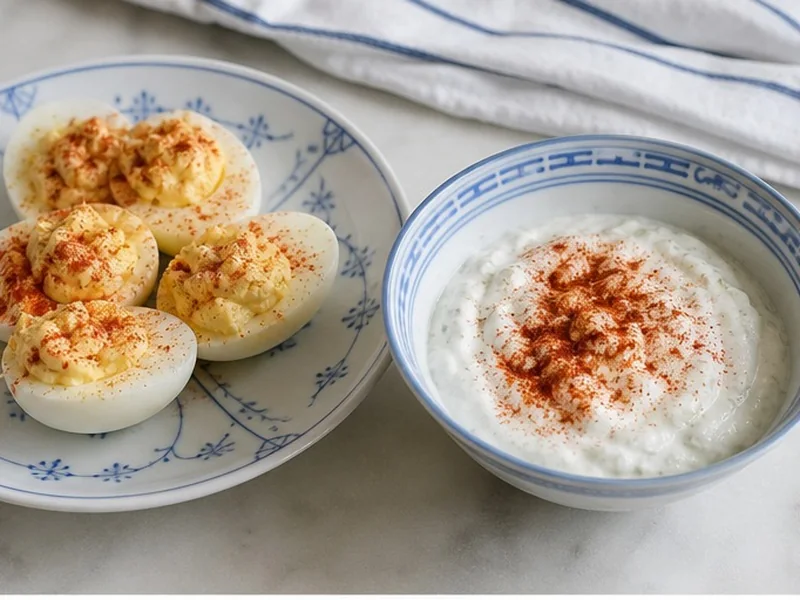
Paprika earns its place in most recipes as colour rather than flavour. A dusting on deviled eggs, the red in chicken paprikash, the swirl through goulash, these are visual jobs first.
When colour is the job, almost any mild red powder will pass. Ancho at 1:1 or Kashmiri chili both read as paprika on the plate.
When the paprika is the flavour, the substitute matters much more. A dry rub built on smoked paprika has a character no unsmoked powder reproduces, and that is the case for buying the real thing rather than blending around it.
So ask what the teaspoon is doing before you reach for a replacement. The answer decides whether you need a close match or merely a red one.
Best Swaps by Paprika Type
Kashmiri chili for red color
Closest MatchBright red color with low heat points straight to Kashmiri chili powder. It works in eggs, rice, roast chicken, yogurt marinades, potatoes, and red sauces.
If the brand tastes hotter than expected, cut it with a little mild chile powder.
Paprika pepper powder
Runner-UpA clean mild swap is easiest when you can find paprika pepper powder. It keeps the mild C. annuum sweetness that ordinary sweet paprika is built around.
Toast it gently in oil or fat, but do not burn it because paprika turns bitter fast.
Smoked paprika for smoke
Also GreatSmoke should be a choice, not an accident, so smoked paprika flavor notes only works when smoke belongs. It can improve beans, potatoes, stews, grilled meat rubs, and sauces, but it can overpower deviled eggs or creamy dips.
Smoke reads stronger than color.
Ancho powder for warm depth
Warmth without sharp burn is where ancho powder helps. It is better than cayenne when paprika was adding warmth, not sharp heat.
Cayenne for heat
Heat alone is cayenne's job. It does not replace paprika's mild sweetness or red color, so it needs a second powder beside it.
How to Replace Smoked Paprika
Chipotle powder supplies real smoke, but it is hotter and earthier than most smoked paprika. Start with 1/4 teaspoon chipotle plus 3/4 teaspoon sweet paprika for each teaspoon of smoked paprika.
This keeps red powder bulk while limiting heat.
Ancho powder gives warmth and dark fruit without strong smoke. It works in beans, braises, and meat rubs when a softer flavor is acceptable.
Liquid smoke can season a wet sauce, but it cannot replace the dry powder in a rub or garnish.
Add it by the drop because its aroma builds quickly.

Which Paprika Swaps Overpower Food?
Avoid replacing sweet paprika with cayenne alone. The recipe will become hot without the mild red pepper base.
Avoid smoked paprika in delicate dishes unless smoke is part of the flavor.
It can take over eggs, cream sauces, and light dressings. Dish-first rule: if the recipe needs paprika to bloom in fat, start with a mild red powder first and correct heat second.
If the recipe needs a finishing dusting, start smaller because smoke or heat reads louder on the surface than it does in a stew.
For a premium finishing-spice fork instead of a bulk cooking spice fork, the Espelette vs paprika comparison shows why those jars are not doing the same job.
Use the pan test before you choose. If the spice is going into hot oil at the start, you need a powder that blooms gently and does not turn harsh in seconds.
That usually means Kashmiri chili, paprika pepper powder, or ancho, depending on whether the dish wants color, sweetness, or deeper dried-chile warmth.
If the spice is going on at the end, the choice gets stricter. Smoke sits louder on the surface, and cayenne reads much hotter when it is not diluted through a whole pot.
A finishing sprinkle on eggs, hummus, fries, or deviled eggs usually needs a milder red powder first, then a separate heat correction only if the plate still tastes flat.
This is why paprika substitutes fail so often in creamy dips and dressings. The cook reaches for the hottest red powder in the cabinet, fixes the color, and ends up with a sauce that burns but does not taste like paprika.
Match the job first, then correct color, smoke, or heat one layer at a time.
How Can You Tell If Paprika Has Gone Stale?
Half the swaps people look for are really a stale-jar problem. Paprika loses colour and aroma faster than most ground spice, and a tin opened more than six months ago is usually past useful.
Fresh paprika is vividly red and smells of something. Faded, dusty-looking powder with a flat smell will not improve in the pan.
Buy small and buy often from a shop that turns stock over, and keep the tin in a dark cupboard rather than the shelf above the stove, where heat and light strip both colour and flavour.
For smoked paprika, a DOP La Vera label means the peppers were dried over oak fires in that region, which is where the smoke character actually comes from.
One label trap is worth naming. Chili powder is not paprika, it is a blend carrying cumin, garlic and oregano, so swapping it in brings three flavours the recipe never asked for.
Substitution tip: When substituting Paprika Pepper, start with less of a hotter substitute and add more to taste. For milder substitutes, increase the quantity.
Our swap ratio calculator gives precise conversion amounts, and the heat unit converter translates between Scoville and other scales.