Are Dried Peppers Hotter Than Fresh? Water Loss and Heat Perception
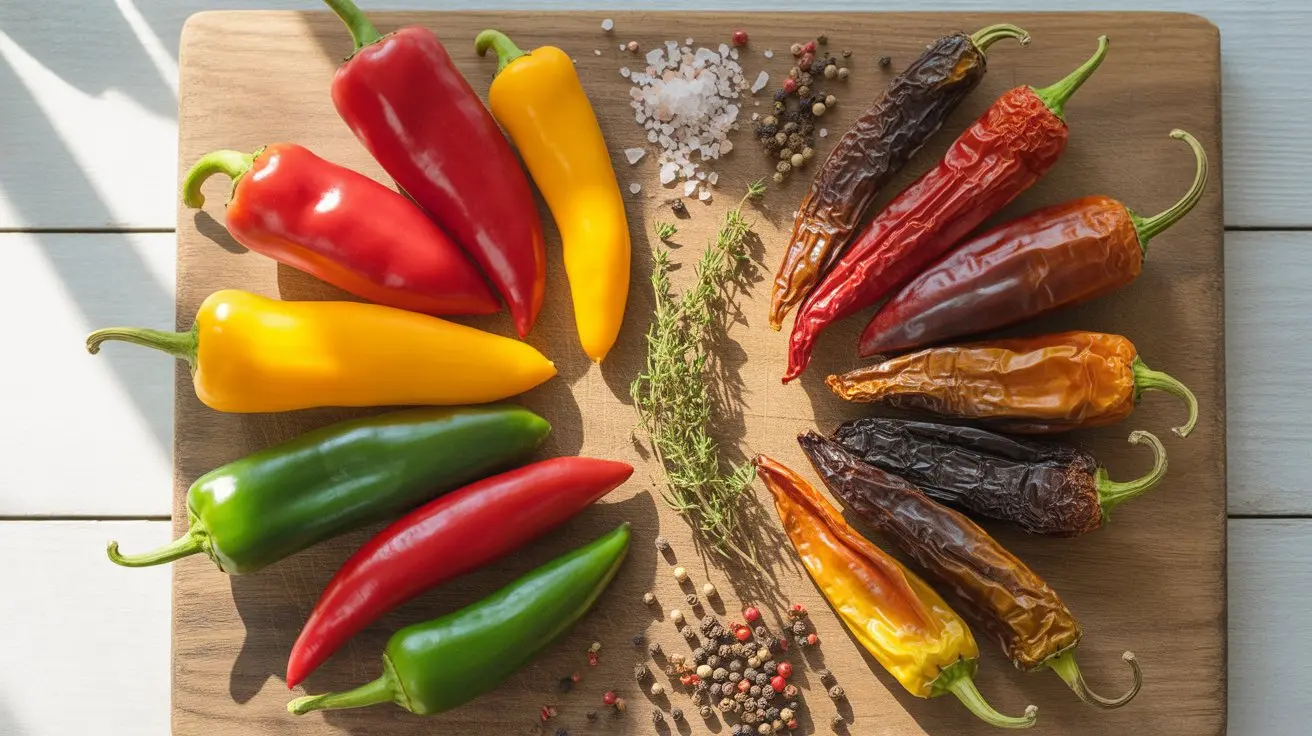
Dried peppers are not hotter because drying creates more capsaicin. They taste hotter because water loss concentrates the pepper solids, so a spoonful of flakes or powder carries more chile material than the same spoonful of chopped fresh pepper.
Drying concentrates the spoonful, not the molecule
Dried peppers are not magically hotter than fresh peppers from the same plant. The capsaicin did not become a new chemical during drying.
What changed is water.
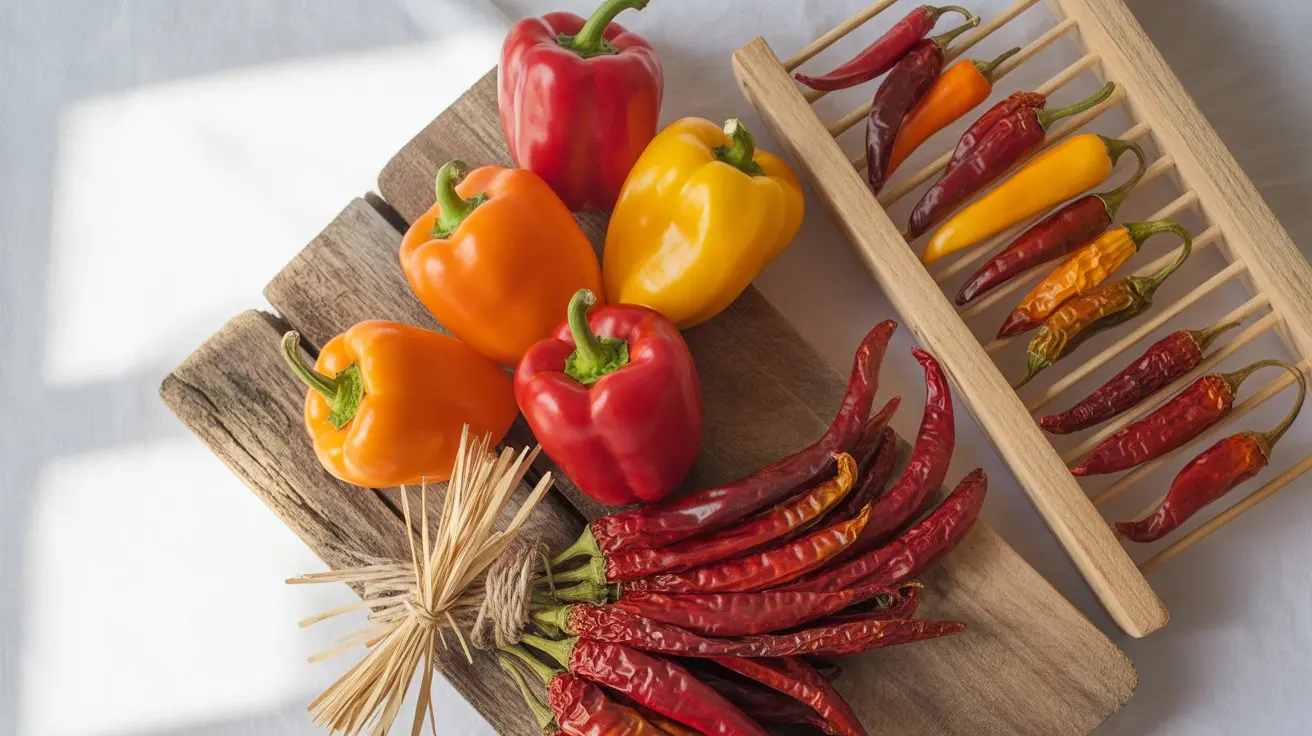
Fresh peppers carry a lot of moisture. Drying removes that water, so the same pepper solids take up less weight and less space.
A tablespoon of crushed dried chile can contain far more pepper material than a tablespoon of chopped fresh chile.
That is why dried peppers often taste hotter in cooking. The heat is more concentrated by gram and by spoonful, even when the starting pepper had the same Scoville scale range.
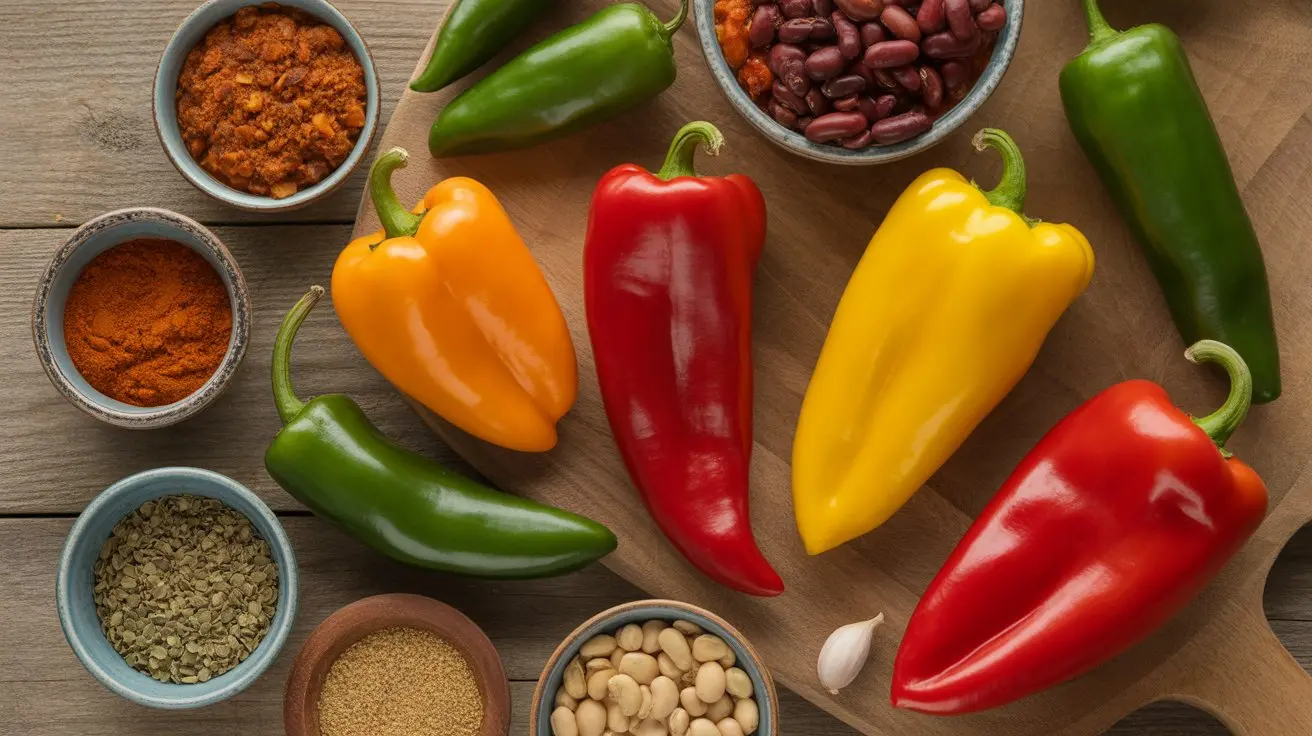
The same logic explains why a mild fresh Anaheim pepper can become more assertive after drying. The pepper did not change species or heat tier.
It lost water, then delivered more solids in a smaller bite.
Why drying changes heat perception
Capsaicin and related capsaicinoids sit mostly in the placenta and inner tissue, then spread through handling, chopping, and cooking. Drying removes water from the pod but leaves those compounds in the dried material.
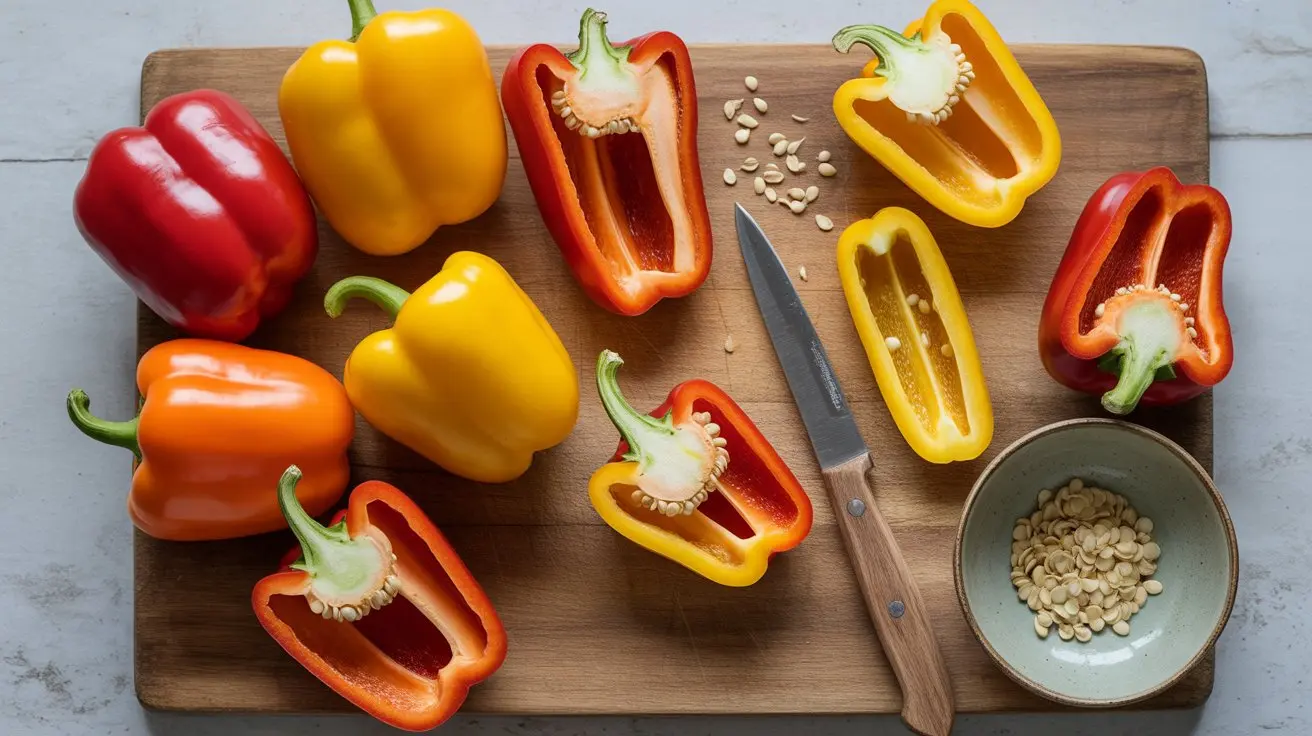
Removing loose seeds does not guarantee a mild dried pepper because the surrounding inner tissue carries much of the capsaicin. Scraping away that pale tissue can reduce what enters the dish, but cultivar and pod-to-pod variation still matter.
Taste the prepared chile rather than treating seed count as a heat measurement.
Whole-pod comparisons should use similar ripeness as well. A fully ripe red pod and an immature green pod may differ in flavor and heat before either one is dried.
Drying cannot isolate those earlier growing and harvest differences.
When the pepper shrinks, the flavor changes too. Fresh green notes fade, sugars and dried-fruit notes become more obvious, and the powder or flakes disperse through a sauce faster than chopped fresh pieces.
That distribution makes heat feel broader.
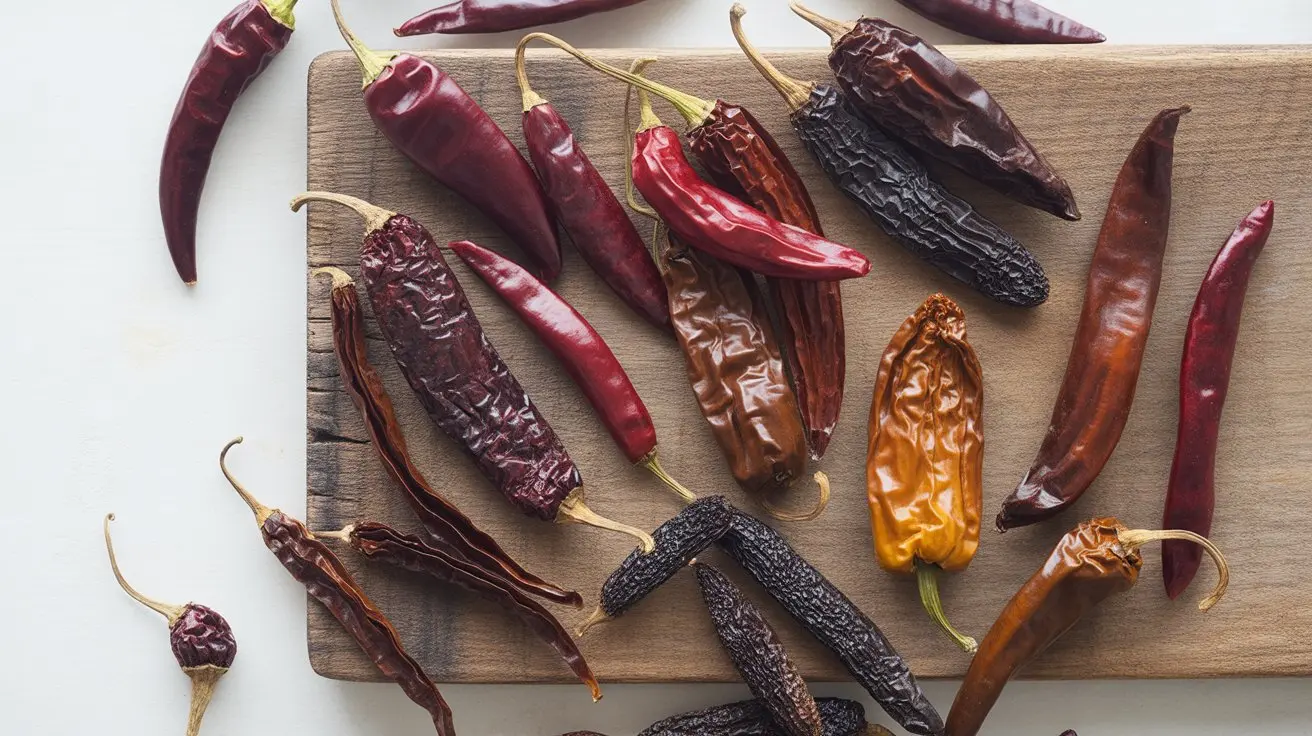
This is also why fresh vs dried peppers is not only a heat question. A dried ancho, chipotle, or chile de arbol carries texture and aroma that the fresh form does not.
The heat may feel stronger because the whole ingredient behaves differently.
| Pepper form | What fills the measure | How heat reaches the dish | Best control |
|---|---|---|---|
| Fresh chopped pod | Water, flesh, skin, and air gaps | Hotter bites stay near the pieces | Add by pod weight or a known portion of one pod |
| Whole dried pod | Concentrated skin and inner tissue | Heat releases as the pod rehydrates | Weigh the dry pod and taste the soaking liquid separately |
| Crushed flakes | Dense fragments with variable inner tissue | Fragments create scattered hot bites | Add in measured pinches and allow time to soften |
| Fine powder | Finely divided pepper solids | Particles spread through nearly every bite | Start with a fraction of a teaspoon and mix completely |
The table explains why equal spoonfuls are a poor experiment. Fresh pieces leave water and empty space in the measure, while powder packs concentrated solids into nearly every part of it.
Comparing equal weights is more useful, but the dried sample will still contain a larger share of pepper solids because most of its water has left.
How much dried chile equals fresh chopped chile?
The biggest mistake is swapping fresh and dried peppers by volume. One cup of chopped fresh pepper contains water, air gaps, skin, seeds, and flesh.
One cup of flakes is much denser in pepper solids.
For a rough kitchen starting point, use about one-third as much dried chile by volume when replacing fresh chopped chile, then adjust. For powders, start even lower because powder disperses fast and can hit every bite.
If you are replacing one fresh jalapeno with dried flakes, start with 1/4 teaspoon, simmer, then taste. For a dried whole chile, rehydrate it first if the dish needs body, not just heat.
Mass is cleaner than volume when the heat matters. Ten grams of dried chile is not the same cooking decision as ten grams of fresh chile, because the fresh sample includes water that will cook away.
This is where a small kitchen scale helps. Until then, use teaspoons for powder, grams for whole dried pods, and tasting checkpoints for sauce because capsaicin spreads through the dish after it hydrates.
Why can fresh peppers taste sharper than dried?
Fresh peppers can feel sharper on the first bite because they put capsaicin, juice, and aroma directly on your tongue. A fresh serrano or red jalapeno can seem brighter and more immediate than a dried powder added to a stew.
Dried heat often builds more slowly. In sauces, soups, chili, and rubs, the capsaicin spreads through fat and liquid over time.
That makes the burn feel more even, especially after resting.
The cooking medium changes that distribution. Powder whisked into oil reaches more of the dish than flakes scattered over a finished plate.
A water-heavy broth can carry particles through the pot, while a thick paste may leave concentrated streaks until it is mixed thoroughly.
Resting time matters for the comparison as well. Taste immediately after adding dried chile, then taste again after it has hydrated and the dish has cooled enough to sample normally.
Raising the dose before that second check is a common reason a sauce becomes hotter than intended.
A dried cayenne powder can feel wider in a soup than a fresh slice because the particles disperse. A fresh slice keeps more of the burn in the bites that contain it.
So the better question is not "which is hotter". Ask how the pepper is measured, how much water it contains, and how the dish spreads capsaicin through each bite.
Read the dried product before choosing a dose
A package name does not describe concentration by itself. Whole pods, coarse flakes, and fine powder can come from the same cultivar but behave differently because their particle size and inner-tissue content differ.
A new jar should be treated as a new ingredient, even when the label matches the one it replaced.
Check whether the product is pure pepper or a seasoning blend. Chili powder blends may include cumin, garlic, oregano, salt, or milder ground chiles, while cayenne powder is usually sold as a single-pepper heat ingredient.
Equal teaspoons from those two packages do not answer the same cooking question.
Color and aroma also reveal how the dried ingredient will affect the dish. A clean, fragrant powder can deliver both heat and chile flavor at a small dose.
A faded jar may need more powder to restore flavor, but increasing an old product can add dusty or bitter notes before it recreates the brightness of a fresh one.
When a manufacturer supplies a heat range, use it to compare that product with another product, not as a serving instruction. The final heat still depends on how many grams enter the recipe, how evenly they disperse, and how large each serving is.
How to substitute dried for fresh without overshooting
Start small, especially with flakes and powders. You can add more dried chile after it blooms in oil or hydrates in sauce, but you cannot pull capsaicin back out once it has spread.
For fresh-to-dried swaps, match the pepper family first. Dried Chipotle can replace ripe red jalapeno heat in smoky sauces.
Dried chile de arbol works for clean, sharp heat, but it will not copy the grassy crunch of a fresh green pepper.
Give dried peppers time. Rehydrate dried peppers in hot water for 15-20 minutes when the dish needs body, or bloom flakes briefly in warm oil.
That step makes the heat more predictable and keeps dry bits from tasting harsh.
Powder needs a lighter hand. If you are using homemade homemade chili powder, begin with a small measured amount, stir it through the liquid or fat, then wait before adding more.
The same caution applies to flakes from peppers dried at home. Flake size, seed carryover, and how finely you crush the pod all change how fast the heat shows up.
Run a controlled swap before seasoning the whole pot
A careful substitution separates pepper form from pepper variety. Use a dried version of the same cultivar when possible, then test it in a small amount of the finished sauce or broth.
Changing from fresh jalapeño to dried chile de arbol changes both concentration and cultivar, so the result cannot show what drying alone did.
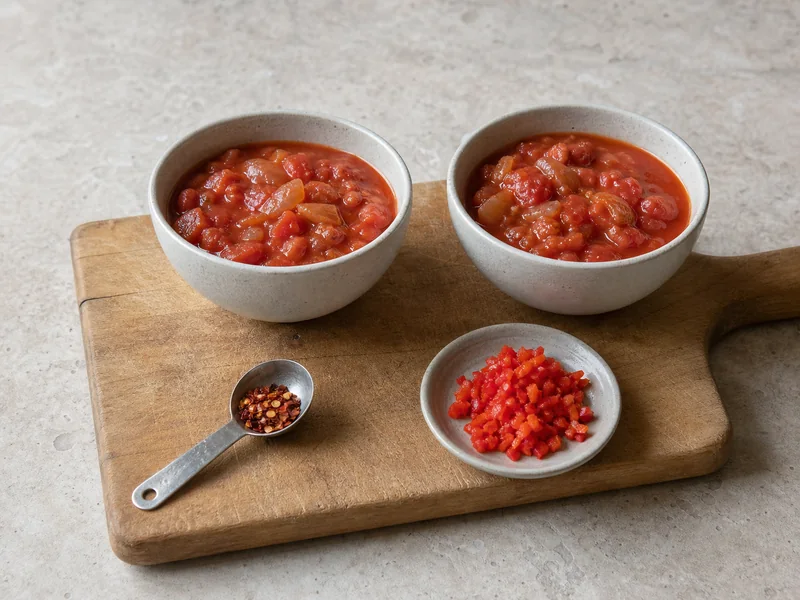
Keep both samples identical apart from the pepper form. Otherwise the comparison measures recipe differences as well as heat.
- Set aside one cup of the dish base. Use broth, sauce, beans, or another portion that contains the same fat and liquid as the full recipe.
- Add the smallest measurable dried amount. A scale is best for whole pods. Measuring spoons are more practical for flakes or powder.
- Give the pepper time to hydrate. Simmer the sample or let it rest long enough for particles to distribute before tasting.
- Compare flavor as well as burn. Dried fruit, smoke, bitterness, and color may change the dish before heat becomes excessive.
- Scale from the tested portion. Multiply only after the sample tastes balanced, and keep the final addition slightly conservative.
This small test also catches product differences. Two jars labeled cayenne powder can vary in age, grind, cultivar, and storage history.
The ingredient in front of you is a better dosing guide than a universal fresh-to-dried ratio.
When dried peppers really are the hotter choice
Dried peppers are the hotter choice when you measure by spoon, when you use powder, or when the dish has enough fat or liquid to spread capsaicin evenly. A small amount can season a whole pot because the chile solids are concentrated.
Fresh peppers are the better choice when you need crunch, green aroma, visible pieces, or controlled pockets of heat. They are also easier to seed and taste before the dish is committed.
A practical kitchen rule: use fresh peppers for texture and bright bite, dried peppers for concentrated heat, color, and deeper chile flavor. If heat control matters, weigh the dried ingredient or add it in small rounds.
For sauces built around dried pods, the dried pepper is not just a heat source. A guajillo pepper brings color and berry-like flavor, while chile de arbol brings sharper heat in a much smaller pod.
That is why many Mexican dried chiles sauces begin with dried pods rather than fresh ones. The dried form gives color, body, and a rounder chile flavor that chopped fresh pepper cannot copy.
Does the drying method change the heat?
Drying at a controlled temperature preserves a cleaner chile flavor than scorching pods in a hot oven. If the pepper browns hard or smells burnt, the result may taste harsher without becoming meaningfully hotter.
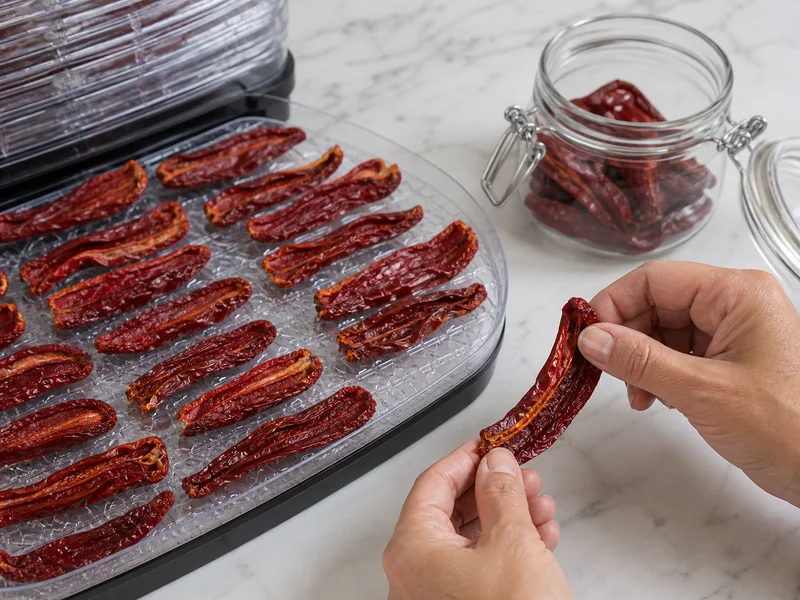
Home drying should also remove enough moisture for storage safety. Follow a real how to dry peppers method, cool the pods fully, then store them only after they are brittle or leathery enough for the form you want.
Storage can change the comparison after drying. A tightly sealed, fully cooled pod stays crisp enough to weigh or grind consistently, while a pod that absorbs humidity becomes flexible and harder to portion.
Moisture pickup does not restore the original fresh pepper, but it makes volume measures less repeatable and can compromise storage quality.
If you are comparing fresh and dried heat in your own kitchen, weigh a small sample before and after drying. That simple check shows how much water left the pepper and why the dried spoonful feels stronger.
Record the pepper variety, fresh weight, dried weight, grind, and amount added. Those notes make the next batch repeatable without pretending one conversion fits every pod or product.
Are Dried Peppers Hotter Than Fresh? Water Loss and Heat Perception FAQ
- PubMed - Stability of Capsaicinoid Content at Raised Temperatures
- National Center for Home Food Preservation - Drying Vegetables