Does Chili Powder Go Bad? Check the Jar Before You Cook
Dry chili powder usually loses aroma and color before it becomes unsafe. First identify whether the jar holds a single chile or a seasoning blend, then discard it for moisture, mold, or pests and replace it for cooking when its aroma no longer survives a small bloom test.
The short answer depends on dryness
Dry, clean chili powder usually becomes stale before it becomes unsafe.
Texas A&M AgriLife Extension describes dried spices as products that lose quality over time rather than spoiling like moist foods.
That answer changes as soon as water, mold, or pantry pests enter the jar.
A weak but dry powder is a flavor decision, while a damp or contaminated powder is a discard decision.
Keep the jar when the powder is dry and still smells distinctly of chile. Replace it when the aroma is too faint to season the dish, and discard it when moisture or contamination is visible.
Identify what the jar actually contains
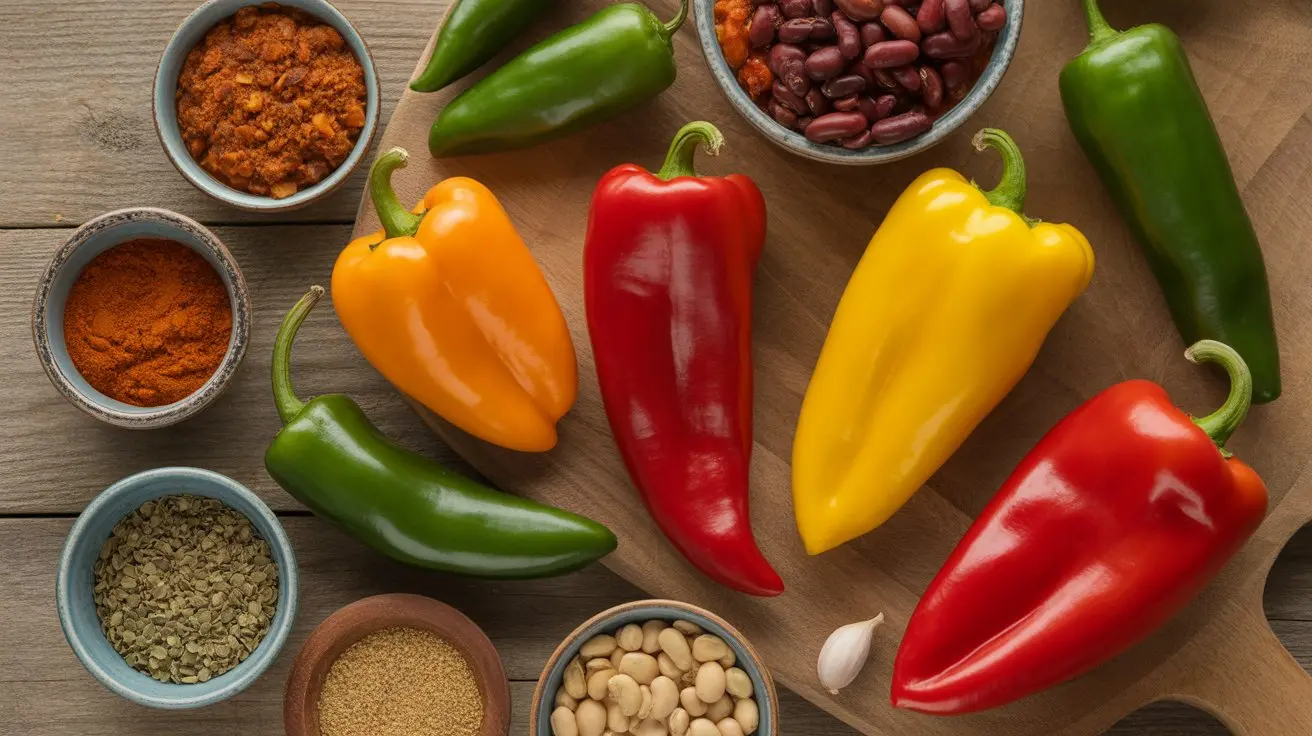
In many US kitchens, chili powder means a seasoning blend containing ground chiles plus cumin, garlic, oregano, salt, or paprika. A jar labeled chile powder may instead contain one pepper such as ancho, chipotle, or cayenne.
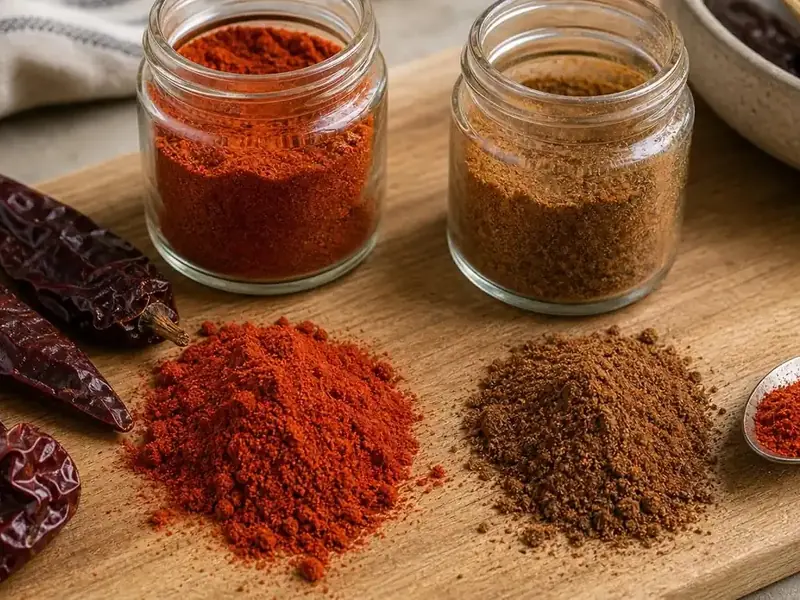
The distinction changes the useful quality window because the ingredients in a blend fade at different rates.
It also changes how the powder behaves in a recipe, since a seasoning blend adds more than pepper heat.
| Jar type | What to inspect first | Cooking consequence |
|---|---|---|
| Single-chile powder | Named pepper aroma, color, and heat | Replace with the same chile when identity matters |
| Salt-free seasoning blend | Chile, cumin, garlic, and oregano aroma | Increasing the dose raises every spice together |
| Salted seasoning blend | Ingredient list plus aroma | Adding more can oversalt the dish |
| Homemade powder | Dryness, grind date, and container seal | Small batches preserve a clearer pepper identity |
If the package is gone, taste a tiny amount only after the powder passes the dry visual inspection below. Salt, cumin, and garlic reveal a blend, while a single-chile powder should have a more focused pepper character.
How long does chili powder last?
Texas A&M AgriLife lists ground spices at about 2 to 4 years and seasoning blends at about 1 to 3 years under good storage. The same guide gives whole spices about 3 to 4 years, which explains why grinding smaller batches can preserve aroma longer.
These ranges describe expected quality, not a guarantee tied to the calendar.
Heat, light, air, and moisture can flatten a poorly placed jar well before its printed best-by date.
The printed date is still useful because it identifies an older jar when the opening date is unknown. The aroma and condition tests remain more informative than the date alone.
- Keep the original best-by date visible.
- Write the opening or grinding date on the lid.
- Buy a smaller jar when one container lasts several years.
- Compare an old jar with a known fresh sample before a spice-forward recipe.
How can you tell if chili powder is stale?
Texas A&M AgriLife says useful dried spices should retain a strong aroma, potent taste, and vibrant color. Pour a teaspoon onto a white plate so the powder can be checked without introducing moisture into the main jar.
First smell the sample without heating it.
A recognizable ancho, chipotle, paprika, or cumin note means the powder still has something to contribute, while a dusty or nearly blank aroma points to replacement.
Next warm a small pinch in a teaspoon of oil for about 20 to 30 seconds over low heat. Stop before the powder darkens, because scorching creates bitterness and does not measure freshness.
A bloom that releases a clear pepper aroma can still work in a soup, bean pot, or braise. If the warm sample stays flat, adding more powder will add bulk and possibly salt without restoring the missing volatile aromas.
When should you throw chili powder away?
The whole jar should be discarded when moisture, mold, webbing, larvae, insects, or a sour damp odor appears.
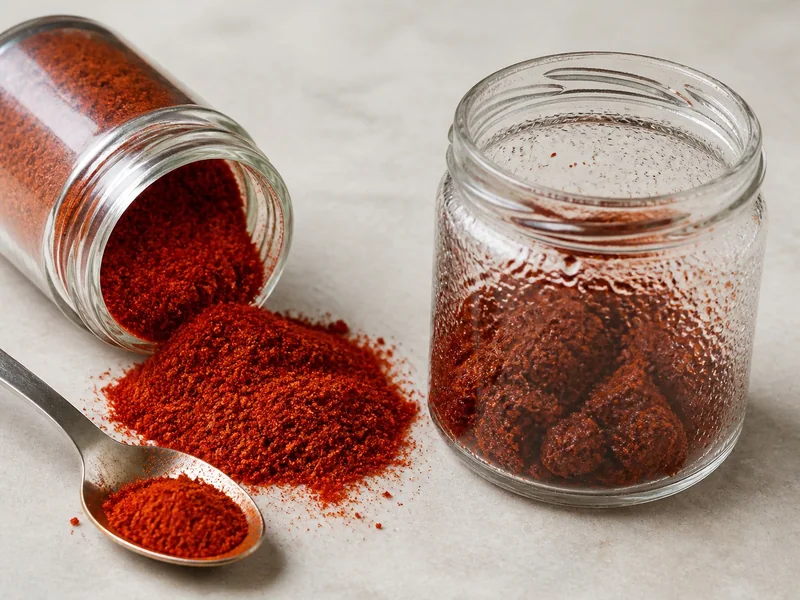
The National Center for Home Food Preservation stresses that dried foods must remain dry because moisture allows deterioration and mold growth.
Loose dry caking from pressure is different from a wet mass that sticks to the jar.
When the cause is uncertain, replacement is the safer choice because tasting cannot rule out contamination.
Do not scrape away one affected patch and keep the rest. Clean the shelf and inspect nearby flour, grains, dried chiles, and spice jars when insects or webbing appear.
Never taste powder that looks moldy, feels damp, or contains insects. A fresh jar costs less than risking a contaminated batch of food.
Where should you store chili powder?
Texas A&M AgriLife recommends tightly covered containers in a dark place away from the stove, dishwasher, refrigerator, and sink. Those locations expose spices to heat, light, or moisture that speeds quality loss.
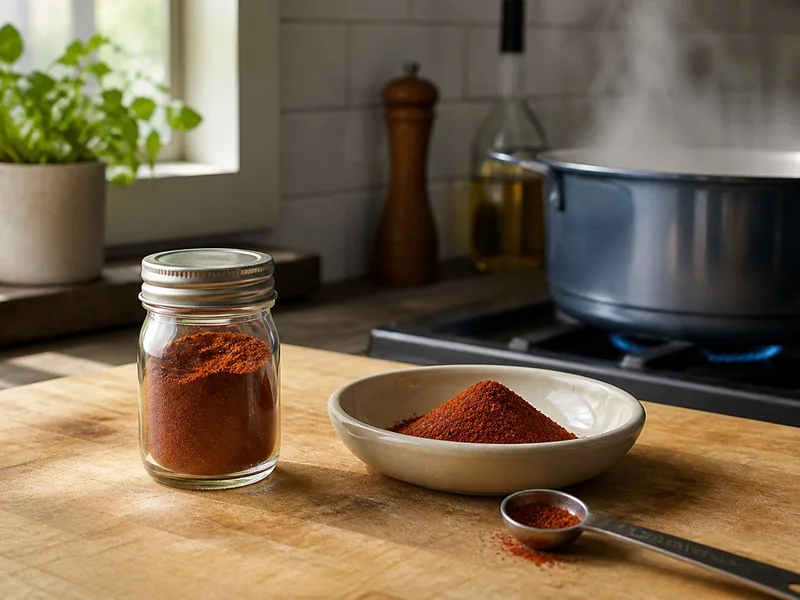
Use a completely dry spoon and portion the powder into a prep bowl before approaching a steaming pot.
Shaking the open jar over soup can send condensation into the powder even when the pantry itself is dry.
Airtight storage also protects homemade powder made from dried chiles ground in small batches. The National Center for Home Food Preservation likewise recommends moisture-proof containers for properly dried foods.
Does doubling stale chili powder fix the flavor?
Replace a flat jar when chili powder supplies the main flavor in chili, taco filling, a dry rub, or an oil infusion. Doubling a tired blend can increase cumin, garlic, salt, and bitterness while the missing chile aroma stays missing.
For a mild single-chile powder, a fresh paprika substitute may restore color and gentle pepper flavor.
Add cayenne separately when the dish also needs heat, which keeps the two corrections measurable.
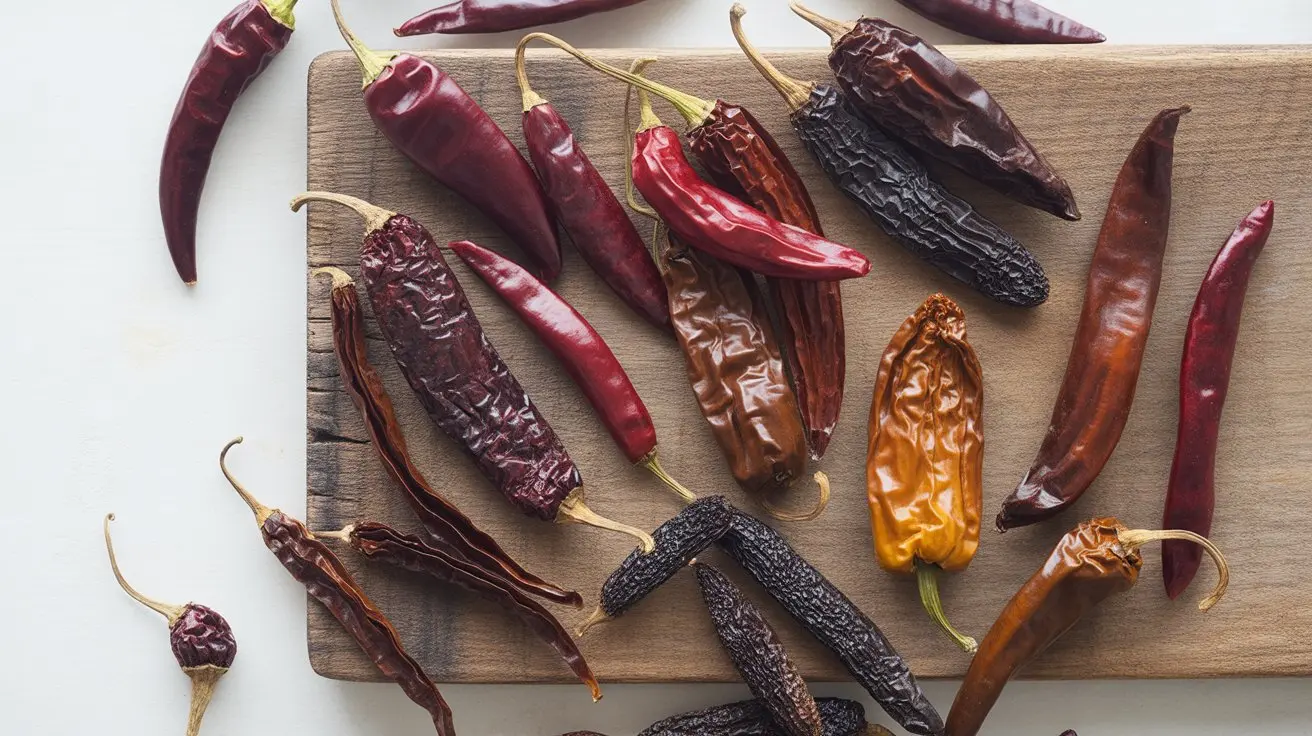
When the named chile matters, whole pods or a suitable dried chili replacement preserve that identity better.
Toasting and soaking a whole pod changes the method, so it is a planned substitution rather than a spoon-for-spoon fix.
Oil reveals stale aroma quickly because there is no large broth base to hide it. Start a chili oil batch with fresh powder or flakes instead of trying to rescue an old jar.
Match the decision to the dish
A background spoonful in a long-simmered bean pot can tolerate modest quality loss if the powder still passes the bloom test. A dry rub, finishing dust, or chile-forward sauce needs fresher powder because the pepper aroma is exposed.
| Dish job | Keep the jar when | Replace it when |
|---|---|---|
| Soup, beans, or braise | A bloom produces clear aroma | The warm sample remains dusty |
| Dry rub | Color and aroma are still vivid | The powder is dull or bitter |
| Chili | The blend is balanced and unsalted enough | Extra spoonfuls would oversalt the pot |
| Finishing sprinkle | The named chile is recognizable | The pepper identity has disappeared |
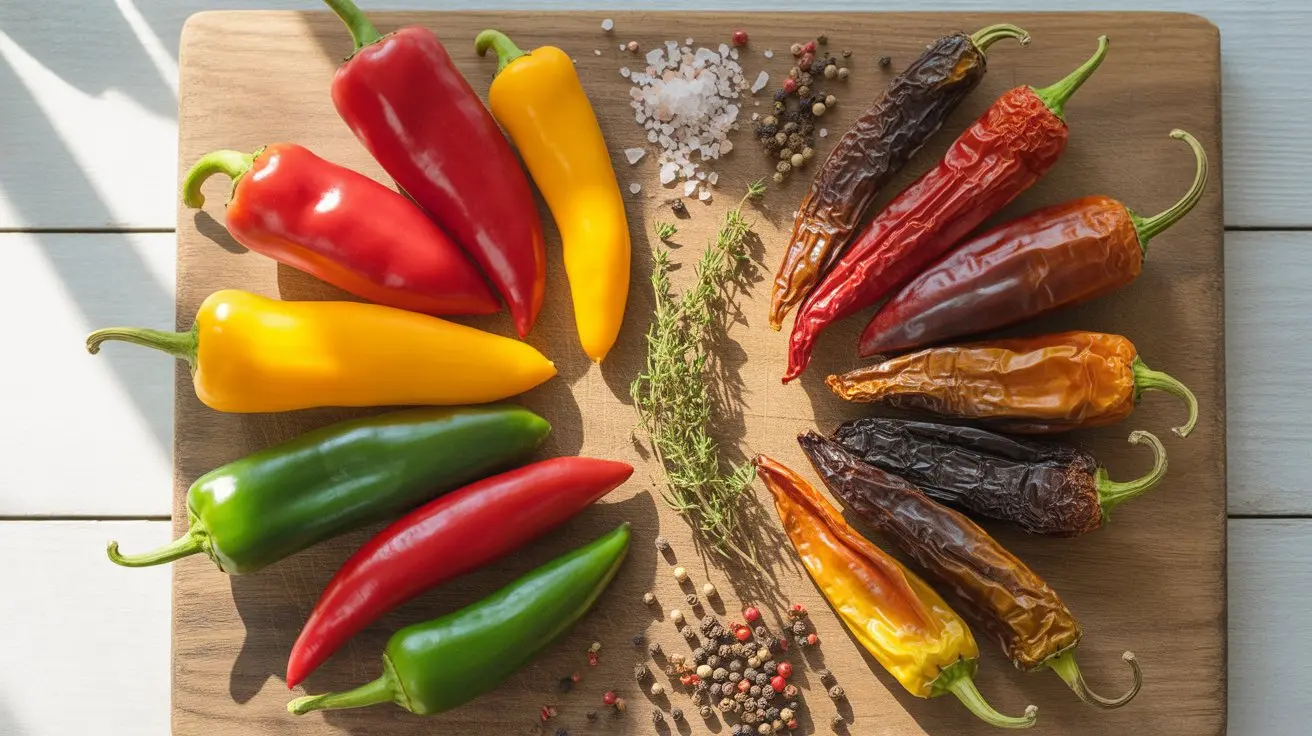
Choosing the right peppers for chili can also reduce dependence on an all-purpose blend.
Fresh pepper flavor and dry seasoning then have separate jobs.
Opened, unopened, bulk, and homemade jars age differently
An intact factory seal protects an unopened jar from kitchen steam and repeated air exchange, but it does not stop gradual aroma loss.
Check the seal for damage and use the printed date as the first reference. After opening, the actual storage location and lid habits become more important than the word unopened ever was.
A frequently used jar meets fresh air every time the lid comes off, while a shaker top also exposes more openings than a solid lid. Close either style promptly and wipe powder from the threads so the lid can seat fully.
Bulk-bin powder has an unknown grind date and may have spent more time exposed to store air and light. Buy only the amount likely to be used in the next few months when the store cannot provide a packing date.
Homemade powder needs a different check before storage.
The National Center for Home Food Preservation directs home preservers to cool dried food completely before packaging and to use moisture-proof containers. Warm material can create condensation inside a closed jar, which defeats the purpose of drying.
Buy and rotate powder around the way you cook
A large bargain jar saves money only when the household uses it before the aroma fades.
Count how many teaspoons a common recipe uses and how often that recipe is cooked. A four-ounce jar contains roughly two dozen tablespoons by volume, so an occasional one-teaspoon user may get better quality from a smaller package.
Place the newly purchased jar behind the older usable jar and avoid topping old powder with new powder. Mixing batches hides the age of both and makes a weak blend harder to diagnose.
Record the pepper name as well as the date when powder is transferred from its original package. Ancho, chipotle, cayenne, and a generic chili seasoning do different jobs even when every powder looks red through pantry glass.
Keep one dependable fresh sample for recipes where the seasoning leads the flavor.
That reference makes a side-by-side smell test more useful than guessing from memory, and it prevents repeated additions of a blend whose salt and cumin are still strong after its chile aroma has faded.
Check labels for needs beyond freshness
A dry, aromatic jar can still be wrong for a dietary restriction. Ingredient statements and certified claims, rather than age or appearance, determine whether a chili powder fits gluten-free cooking.
Store-bought blends can also contain salt or anti-caking ingredients that a recipe did not anticipate. Read the label before adding a large amount, then adjust salt and heat separately.
The final decision is concrete. Keep a dry jar that still performs, replace a flat jar before a chile-forward dish, and discard any jar that shows moisture, mold, or pests.
Does Chili Powder Go Bad? Check the Jar Before You Cook FAQ
- USDA FoodKeeper App - Food Storage Guidance
- Texas A&M AgriLife Extension - Storing Dried Herbs and Spices
- National Center for Home Food Preservation - Drying Foods