Is Chili Powder Gluten-Free? Label Checks for Pepper Blends
Pure ground chile is naturally gluten-free, but a jar called chili powder may be a multi-ingredient seasoning blend. For celiac use, check the exact package for regulated gluten-free wording, read every ingredient and sub-ingredient, then evaluate advisory language and kitchen handling separately.
The jar name does not answer the gluten question
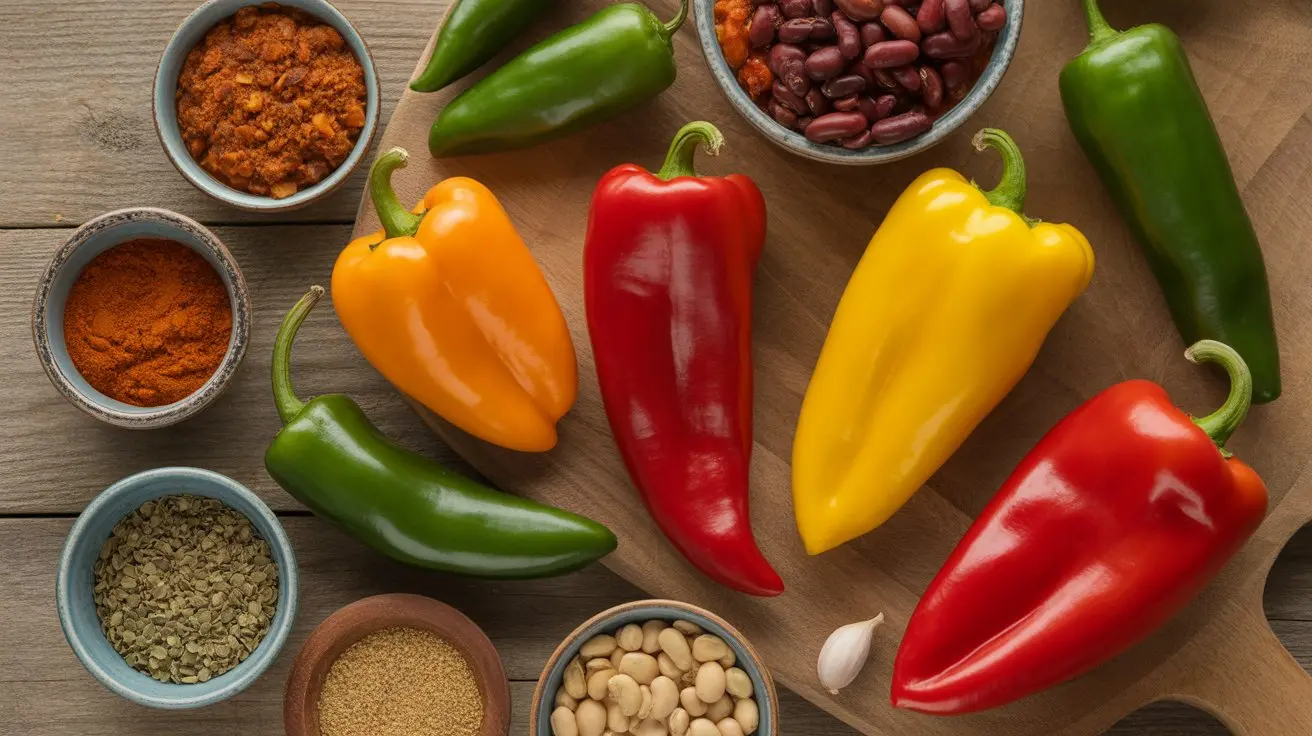
Pure ground dried chile is naturally gluten-free, according to Beyond Celiac. A product sold as chili powder can also be a seasoning blend containing ground chile, cumin, garlic, oregano, salt, starch, or other ingredients.
That naming difference changes both the label check and the recipe. The front of the jar describes the product, while the ingredient list and any gluten-free claim provide the evidence a buyer can use.
| Package wording | What may be inside | What to verify |
|---|---|---|
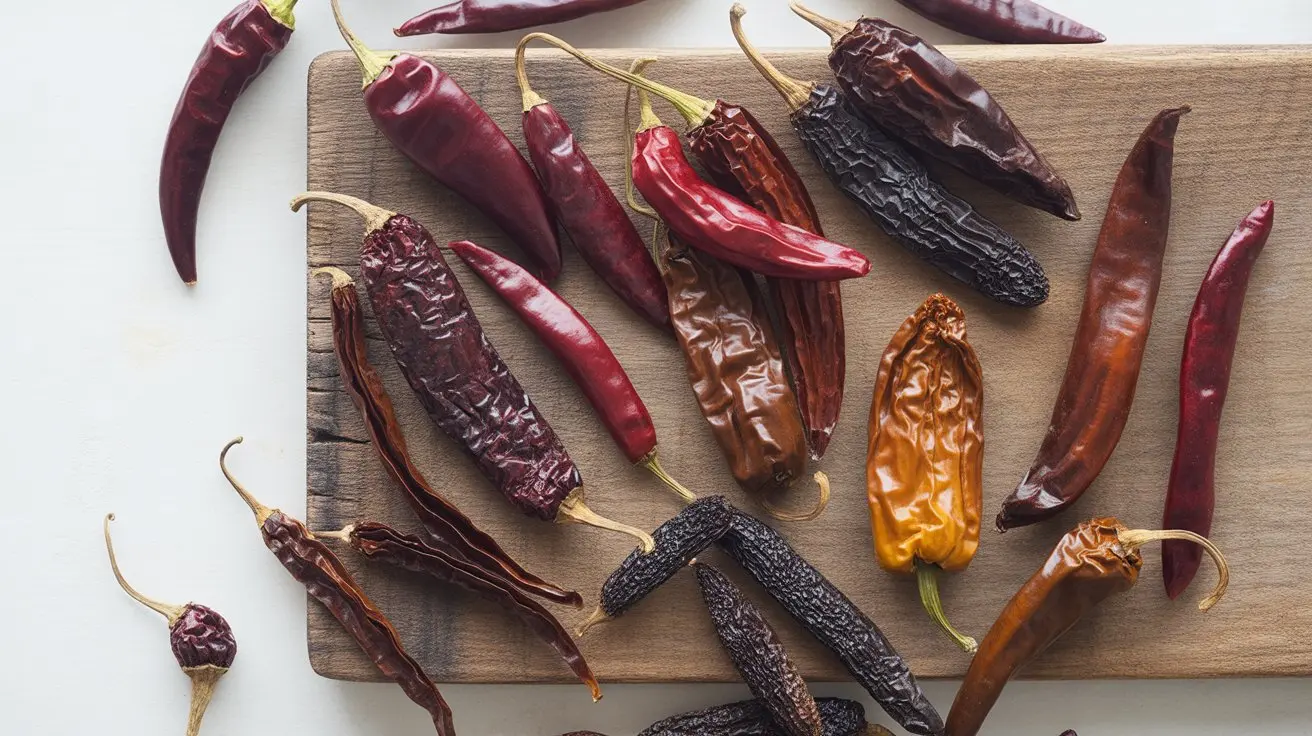
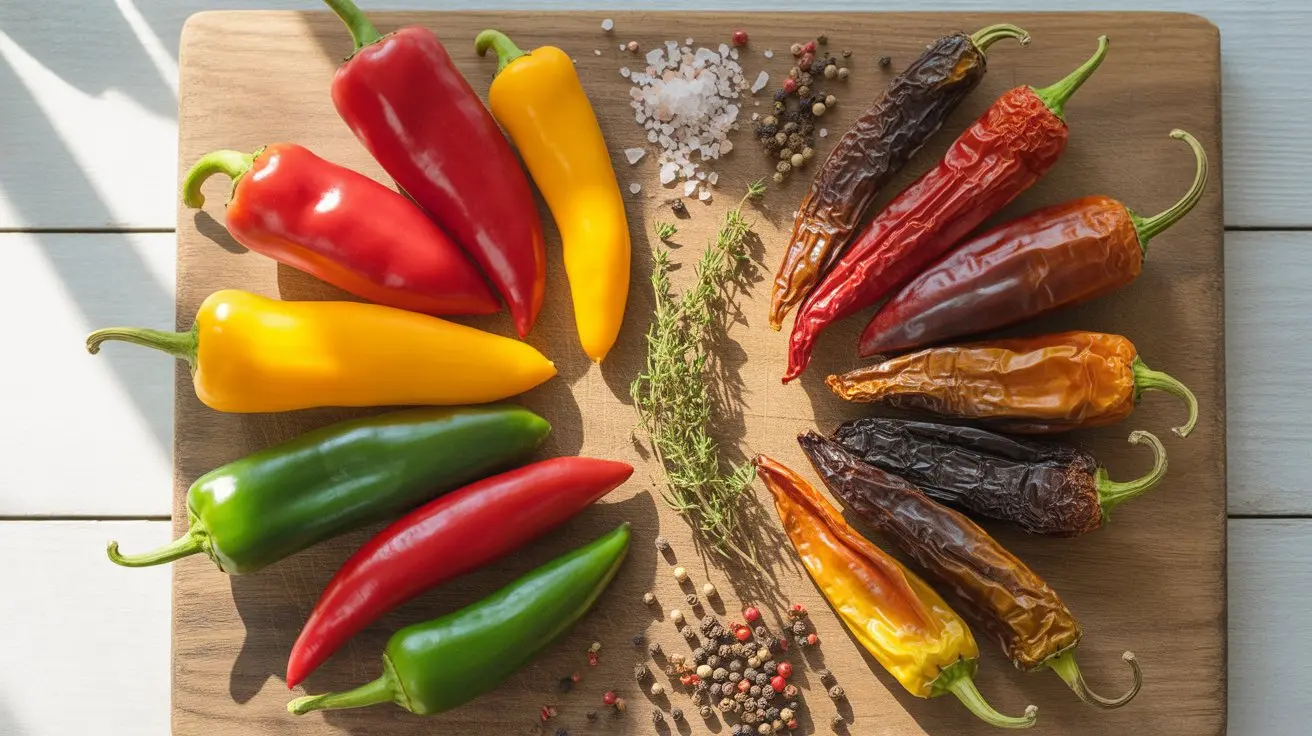
| Single-chile powder | One named pepper such as ancho, cayenne, guajillo, paprika, or chipotle | Confirm the ingredient list names only that chile, then apply the household's cross-contact standard |
| Chili powder | A single chile or a multi-ingredient seasoning blend | Read the complete ingredient list because the product name is not decisive |
| Chili seasoning mix | Chile plus herbs, spices, salt, starch, or other recipe ingredients | Look for a regulated gluten-free claim and check every listed ingredient |
For someone with celiac disease, the strongest packaged choice is a sealed product with a regulated gluten-free claim. A home cook can also make chili powder from checked ingredients, but the grinder, jar, and measuring tools then become part of the cross-contact decision.
What a gluten-free claim proves in the United States
The FDA says the phrases gluten-free, no gluten, free of gluten, and without gluten must meet the same federal definition on FDA-regulated foods. The product cannot intentionally contain an unprocessed gluten grain, and any unavoidable gluten must remain below 20 parts per million.
The claim is voluntary, so a naturally gluten-free spice can omit the wording even though an unlabeled jar gives the buyer no regulated gluten threshold to rely on.
A certification mark can add a private program's requirements. It is not required for the FDA claim, and the FDA does not require manufacturers to test every finished product before using gluten-free wording, although the manufacturer remains responsible for compliance.
U.S. label scope: these rules apply to FDA-regulated foods sold in the United States, including imported products under FDA authority. Labels sold in another country follow that country's rules.
Organic, vegan, keto, no MSG, all natural, and wheat-free claims answer different questions. In particular, wheat-free does not exclude barley or rye.
Which chili powder ingredients can contain gluten?
First, scan for wheat, rye, barley, malt, triticale, and brewer's yeast. The Celiac Disease Foundation notes that a Contains statement can identify wheat quickly, but barley and rye are not major allergens that must appear in that separate statement.
Second, inspect compound ingredients and broad terms. The National Celiac Association explains that seasoning blends may include carriers such as starch or flour, while non-spice ingredients must be declared by their common or usual names.
The single word spices normally refers to aromatic plant ingredients rather than a hidden flour. By contrast, an unexplained seasoning component, natural flavor, smoke flavor, or starch in a product without a gluten-free claim can justify a manufacturer question when the label does not settle the source.
Wheat starch is a special case. FDA rules allow specially processed wheat starch in a gluten-free food only when the finished product meets the federal definition, and the package must carry the required wheat disclosure and qualifying statement.
The FDA identifies malt extract and malt syrup as barley-derived ingredients that have not been processed to remove gluten and therefore cannot appear in a food bearing a gluten-free claim.
What do "may contain" and "shared facility" warnings mean?
The FDA describes may contain, shared equipment, and shared facility wording as voluntary precautionary labeling. The wording does not provide a risk scale, so shared facility is not automatically safer than may contain.
Even with that advisory language, a jar can carry a gluten-free claim and a shared-facility statement. The regulated claim still has to meet the FDA rule, while the advisory statement supplies additional manufacturing context.
The absence of an advisory statement does not prove that the manufacturer used dedicated equipment or kept airborne flour away.
When the package leaves a material question unanswered, contact the manufacturer with the product name and lot code. Ask whether the exact product carries a gluten-free specification, what source supplies an ambiguous ingredient, and how shared equipment is cleaned between allergen-containing and gluten-free runs.
How do you check a new chili powder jar for gluten?
Apply the same sequence to every new package because formulas and facilities can change.
- Identify whether the jar is a single-chile powder, a chili powder blend, or a complete seasoning mix.
- Look for regulated gluten-free wording when cooking for someone with celiac disease.
- Read the entire ingredient list, including every sub-ingredient inside a seasoning base.
- Review advisory language separately from the gluten-free claim.
- Contact the manufacturer when a lot-specific or ingredient-source question remains unresolved.
Four package scenarios lead to different decisions
A gluten-free claim with no gluten-grain ingredient gives the clearest packaged evidence under the FDA rule, provided the claim belongs to the exact jar rather than a nearby flavor or size shown online.
A gluten-free claim beside a wheat declaration requires the qualifying statement that the wheat was processed to meet FDA requirements. If that statement is missing or the package is damaged, choose another product or ask the manufacturer before using it.
No gluten-free claim on a single-ingredient chile does not prove the spice contains gluten, but it leaves the buyer to decide whether an ingredient-only check provides enough assurance.
No gluten-free claim on a seasoning blend leaves more questions because several ingredients and handling steps are involved. Read every sub-ingredient, resolve uncertain starch or flavor sources, and use a different blend when the evidence remains incomplete.
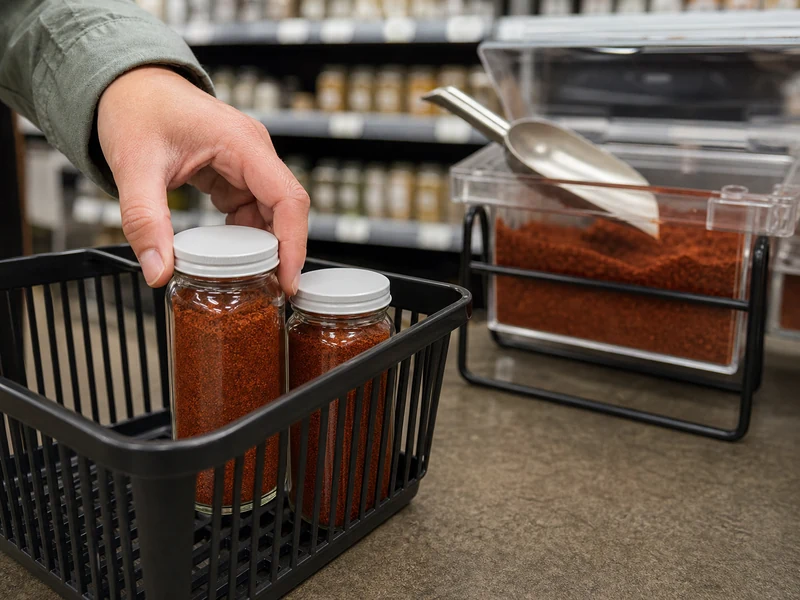
Beyond Celiac advises buying spices in sealed individual packets, jars, or bottles instead of bulk bins. A sealed package supplies a traceable label and avoids a communal scoop that may have moved between flour and spice containers.
A restaurant or shared kitchen needs a handling answer as well as an ingredient answer. An open spice container can be refilled or measured beside flour even when the original commercial product met its label claim.
Is McCormick chili seasoning gluten-free?
McCormick currently sells a product specifically named Gluten Free Chili Seasoning Mix. Its official page gives three separate pieces of evidence, each with a different limit.
| Evidence layer | Current official information | What it does not prove |
|---|---|---|
| Product identity | McCormick names the item Gluten Free Chili Seasoning Mix and says it is verified by the Gluten-Free Certification Program | That claim does not apply to every McCormick chili powder or seasoning |
| Ingredient statement | The page lists chile, oregano, cumin, onion, salt, garlic, modified corn starch, and green bell pepper | An online ingredient list cannot replace the package from a different lot or later formula |
| Manufacturer policy | McCormick says products carrying its gluten-free claim and their manufacturing lines have been validated | The policy does not turn the brand name into a permanent gluten-free guarantee |
Use the official page to identify the exact product, then confirm its claim and ingredients on the package in hand instead of relying on an old brand list.
Is homemade chili powder safer for a gluten-free diet?
Homemade powder reduces uncertainty only when the ingredients, equipment, work area, and storage jar follow the same gluten standard.
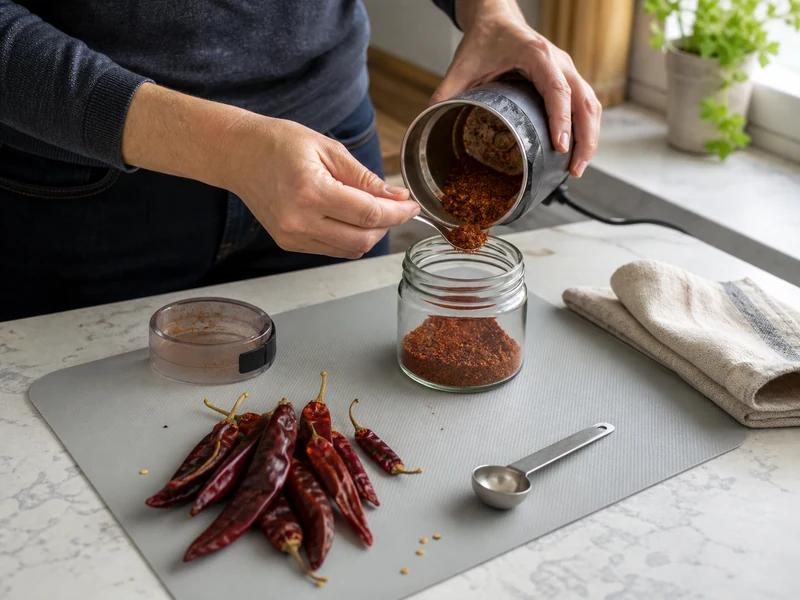
- Ingredients: start with packaged whole dried chiles and check every cumin, garlic, oregano, salt, or anti-caking ingredient added to a blend.
- Grinding: use a dedicated grinder when possible, or clean the hopper, blade area, lid, work surface, and nearby dust before starting.
- Transfer: move the powder into a clean, dry jar without setting the spoon or grinder parts on a flour-contact surface.
- Storage: keep the jar sealed and remove powder with a clean, dry measuring spoon each time.
The FDA identifies ineffective cleaning and shared equipment as cross-contact paths. A grinder used for breadcrumbs or a spoon moved from flour into the jar can undo the ingredient check.
What can replace a chili powder blend?
Paprika, chili powder, and cayenne are not one-for-one replacements because a prepared blend can supply several seasonings at once. Replacing one tablespoon of blend with one tablespoon of pure cayenne would change both heat and flavor.
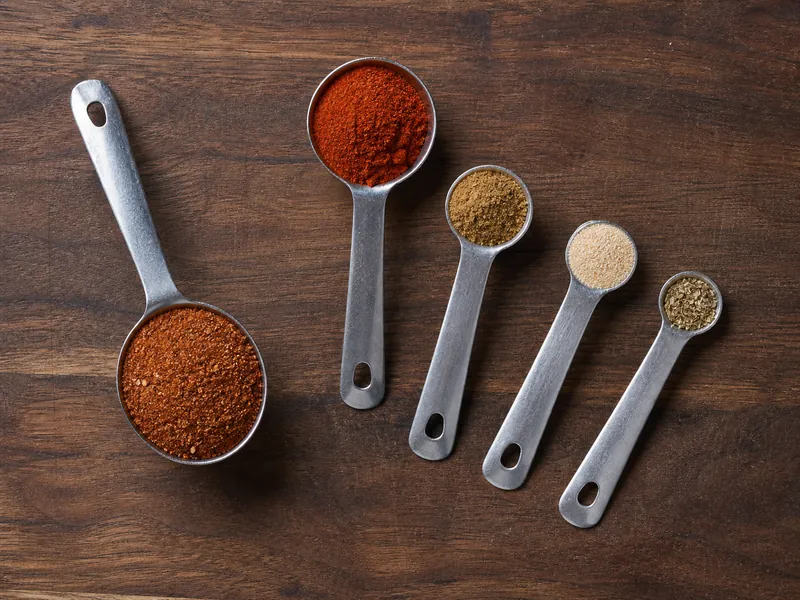
Our practical mild starting formula for one tablespoon of blend is two teaspoons paprika or ancho powder, one-half teaspoon cumin, one-quarter teaspoon garlic powder, and one-quarter teaspoon oregano. Add salt separately, then use cayenne only when the dish needs more heat.
The choice of peppers for chili controls flavor and heat, while the gluten decision still belongs to every package used in the formula. A pepper profile or Scoville rating cannot certify a jar.
Chili oil usually benefits from a checked single-chile powder because cumin and oregano from a prepared blend can change the oil's flavor and leave extra solids. The same distinction matters in rubs, taco seasoning, beans, and sauces where the recipe may already supply its own aromatics.
Is Chili Powder Gluten-Free? Label Checks for Pepper Blends FAQ
- FDA - Questions and Answers on the Gluten-Free Food Labeling Final Rule
- FDA - Food Allergies and Voluntary Advisory Statements
- Celiac Disease Foundation - Label Reading and the FDA
- National Celiac Association - Ingredients People Question
- Beyond Celiac - Which Spices, Seasonings and Herbs Are Gluten-Free?