How Do You Make Habanero Flakes Without Losing Flavor?
Make habanero flakes by drying sound, cut pods until the thickest pieces snap, cooling them completely, and crushing them in short pulses. Store small airtight portions away from light, heat, and steam.
How Are Habanero Flakes Different From Habanero Powder?
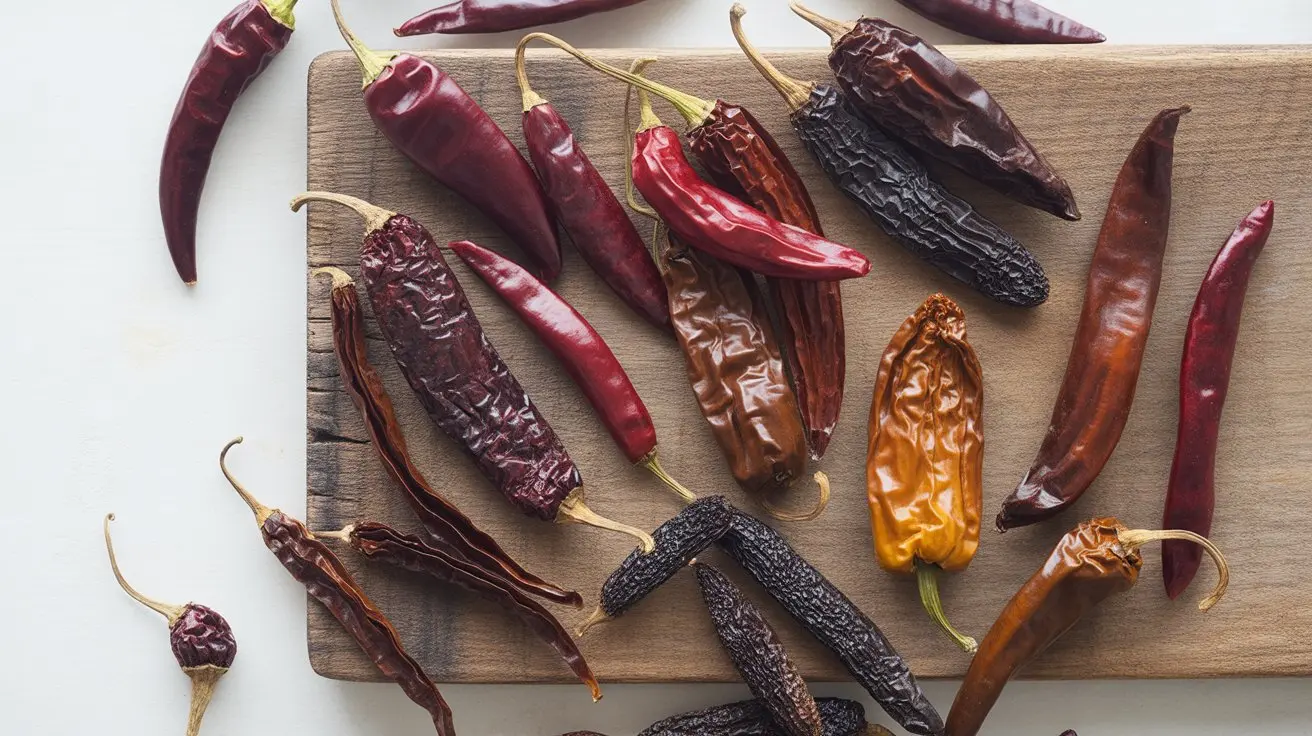
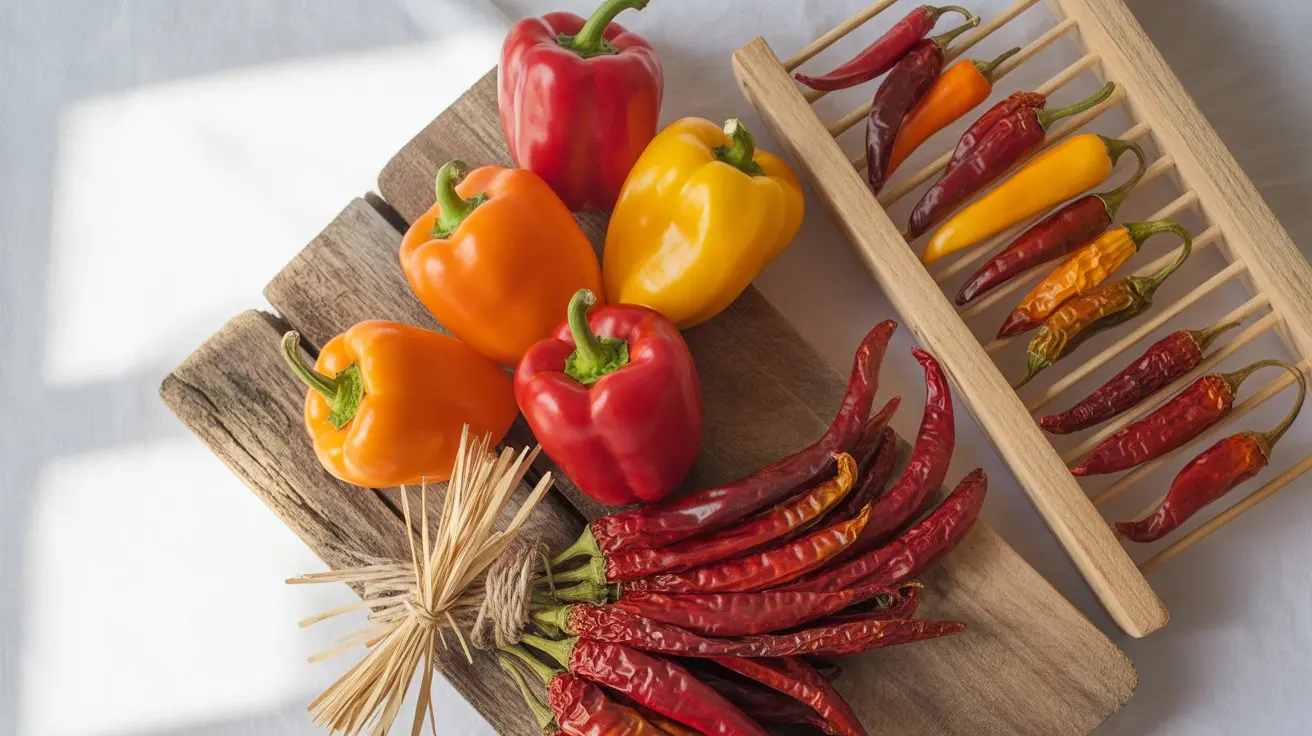
Habanero flakes are brittle dried pods crushed into visible pieces, while habanero powder is ground finely enough to disperse almost at once. Flakes suit finishing oil, pizza, beans, grilled meat, and dry rubs when a cook wants distinct chile pieces and slower, less uniform heat.
The format does not make the pepper mild. New Mexico State University's Chile Pepper Institute places habanero among the intensely hot Capsicum chinense peppers, so a pinch can change a serving more than the same volume of common crushed red pepper.
Particle size changes control as much as appearance. Coarse pieces are easy to see and remove, a medium crush spreads through a sauce, and powder is the least forgiving because it disappears into the food before anyone can judge the dose.
Which Habaneros Should You Dry for Flakes?
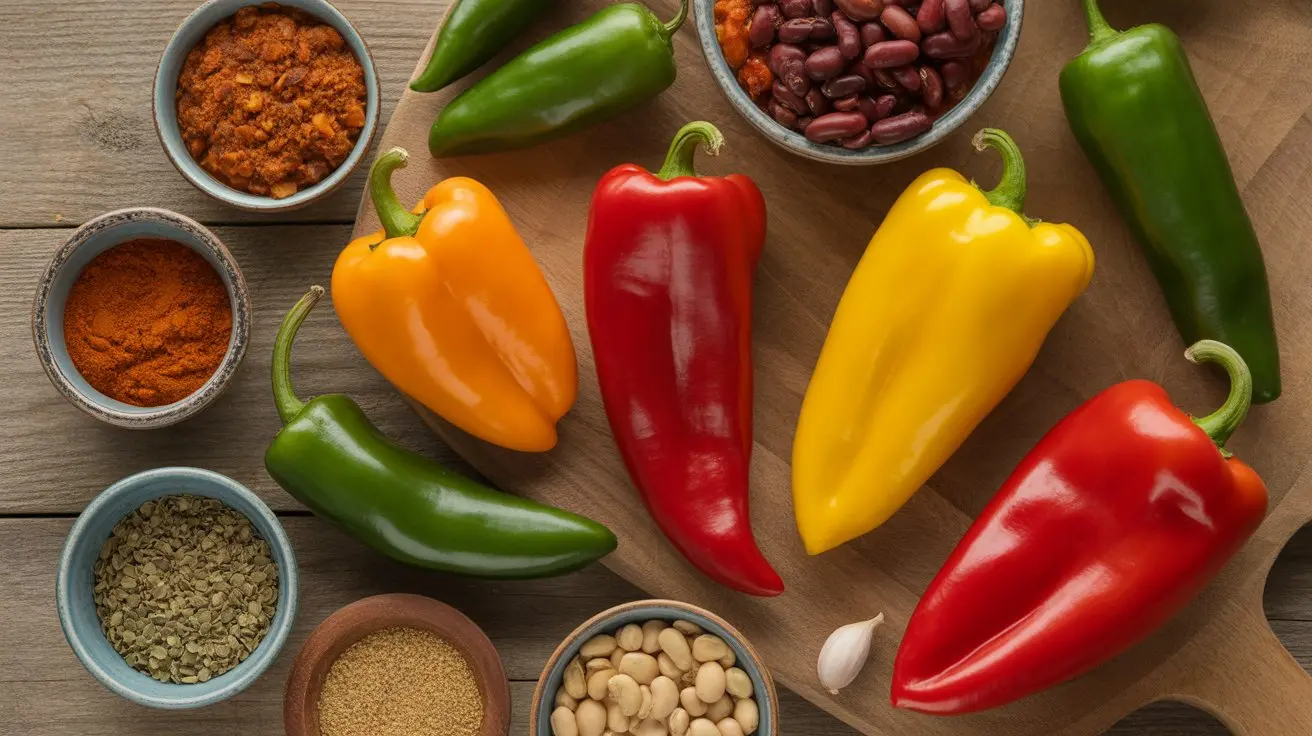
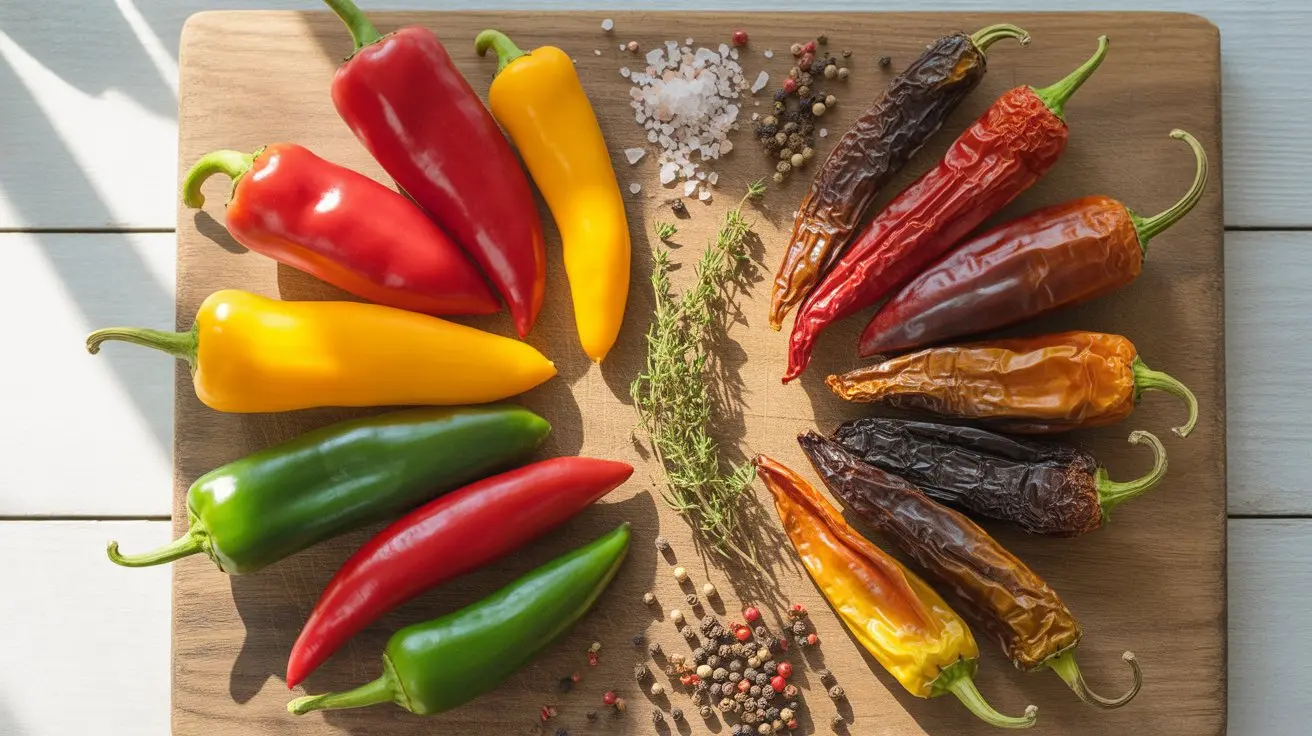
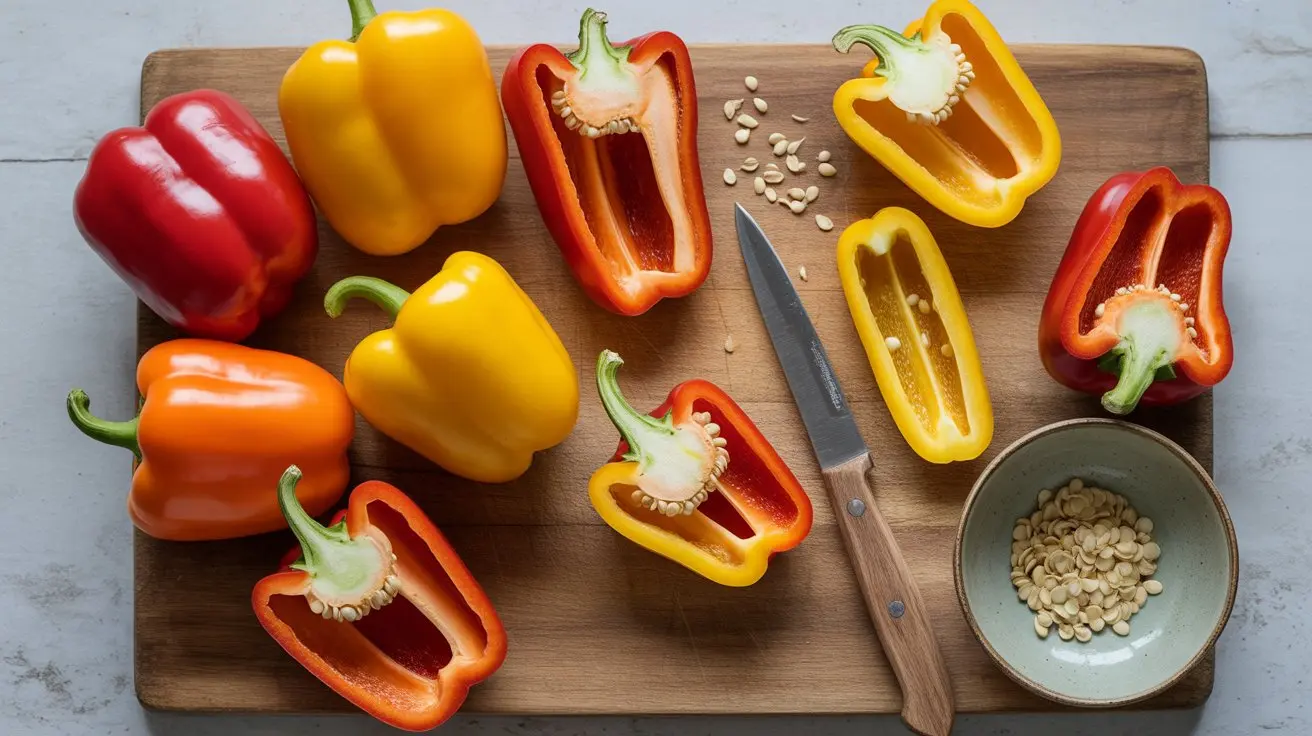
Drying preserves the condition of a pod rather than repairing it. Use fully colored habaneros that feel firm and smell fresh, then discard any pod with mold, wet decay, insect tunneling, or a fermented odor.
Utah State University Extension's pepper-preservation guidance begins with sound produce because dehydration concentrates flavor and leaves defects in the finished food. A shallow surface wrinkle can be acceptable when the flesh remains clean and firm, but a soft wet patch is a rejection signal.
| Pod condition | Decision | Reason |
|---|---|---|
| Firm, fully colored, clean aroma | Dry it | Best starting quality |
| Dry surface wrinkle, firm flesh | Inspect inside | May still be sound |
| Mold, wet softness, tunneling, sour odor | Discard it | Drying cannot correct decay |
Wash sound pods under clean running water and dry the surface before cutting. Water left on the skin adds work for the dehydrator and can hide a damaged spot during inspection.
Should You Halve Habaneros or Cut Rings Before Drying?
Halving each habanero is the most reliable general preparation because it exposes the interior and reduces the thick distance that moisture must cross. Rings dry faster, but they require more knife work and expose more capsaicin-coated surface.
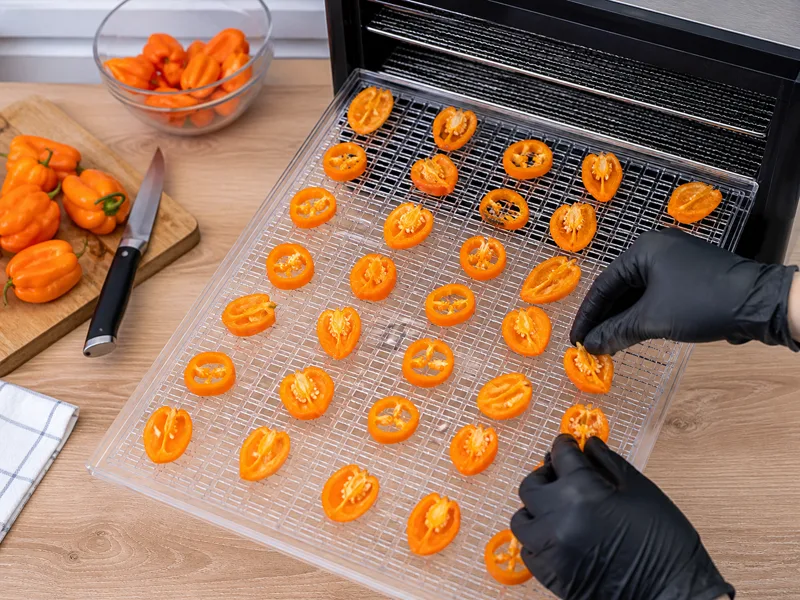
Wear disposable gloves and keep hands away from the face while cutting. The National Center for Home Food Preservation specifically cautions people to wear plastic or rubber gloves when handling hot peppers, or to wash thoroughly before touching the eyes or face.
- Halves: preserve recognizable pieces and make hidden decay easy to see.
- Rings: shorten the drying path and produce a more even medium flake.
- Whole pods: take longer and make the interior impossible to inspect before drying.
Remove stems and arrange pieces in one layer without overlap. Similar thickness matters more than identical shape because the thick shoulder of one pod can remain flexible after thin edges have already turned brittle.
Seeds do not contain most of a pepper's capsaicin. They can carry residue from the pale placental tissue around them, so removing loose seeds changes texture more predictably than it changes heat.
How Do You Know When Habaneros Are Dry Enough?
The endpoint for flakes is a clean snap, not a lighter pod or a dry-looking surface. Bend the thickest shoulder from several trays because thin tips can shatter while thicker pieces still retain moisture.
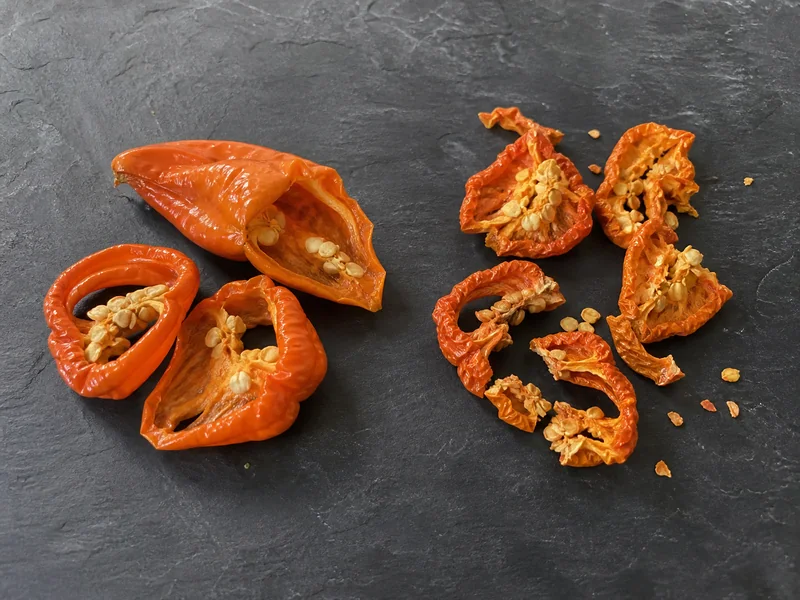
A dehydrator gives the most controlled airflow and keeps the peppers separated from direct flame. Utah State University Extension identifies 140 to 160 F as a desirable range for a thermostatically controlled food dehydrator, while uniform airflow determines whether trays need rotation.
Use the appliance's vegetable guidance within that range and inspect warmer zones instead of turning up the heat to rush the thick shoulders. A low setting that cannot move moist air may prolong the batch, while excessive heat can harden or scorch the outside before the center finishes.
An oven is a fallback only when it can maintain low, steady heat with ventilation. Utah State notes that oven drying is harder to control and can take two to three times longer than a dehydrator, so the snap test remains more reliable than a copied time estimate.
Scorched edges and a dark toasted odor mean the surface heated faster than moisture could leave the center. Lower the setting and separate thick pieces from thin ones rather than allowing the finished edges to keep cooking.
| Test result | What it means | Next action |
|---|---|---|
| Bends or feels leathery | Moisture remains inside | Continue drying |
| Snaps and crumbles cleanly | Ready to cool | Remove from heat |
| Blackened edge or scorched odor | Excess heat | Lower the setting and inspect every piece |
Drying time varies with slice thickness, airflow, pod size, humidity, and the appliance. A clock can schedule the first check, but only the physical test decides when the batch is ready.
Cool the Batch Before You Judge It
Cool dried habaneros completely before crushing or packaging them. Warm food can release vapor inside a closed grinder or jar, which reintroduces the moisture the drying step removed.
Spread the pieces on a clean dry tray until they reach room temperature, then test the thickest samples again. Return any flexible piece to the dehydrator instead of mixing it into the brittle majority.
The National Center for Home Food Preservation advises cooling dried food before packaging and checking stored food for moisture. If condensation or renewed softness appears after sealing, remove the food and dry it again before mold develops.
Do not treat a closed jar as a device that finishes drying. The jar is a moisture test and storage container only after the batch has already passed the snap test.
How Do You Crush Dried Habaneros Into Flakes?
Short pulses create flakes with less fine dust than one long grind. Work in small loads so the blades move the pieces instead of packing a dense layer against the bottom of the grinder.
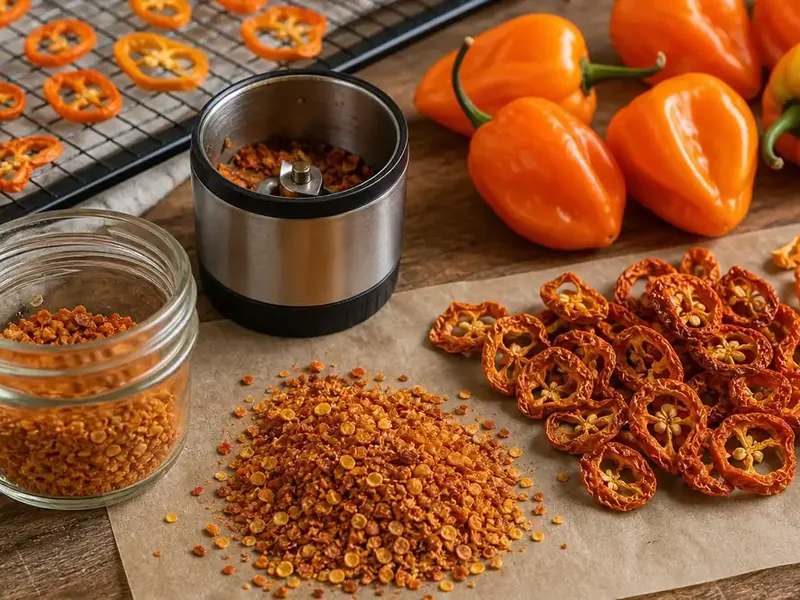
A dedicated spice grinder prevents capsaicin residue from reaching coffee or other mild foods. Pulse to the target texture, stop the motor, and leave the lid closed long enough for airborne particles to settle.
Open the grinder away from the face in a well-ventilated space. PubChem classifies capsaicin as an eye and skin irritant, and fine particles can reach the eyes or nose more easily than intact dried pieces.
- For coarse flakes: stop when most pieces are visible and sift out any stubborn large sections.
- For a medium crush: add one or two brief pulses after the first coarse break.
- For powder: use a separate batch and process it as powder rather than sacrificing the texture of finished flakes.
Wait before removing the lid even when the chamber looks clear. Invisible fine material is the part most likely to turn a routine grinding step into an avoidable exposure.
Match Flake Size and Timing to the Food
Use coarse flakes when the chile should remain visible, and use a medium crush when the heat needs to spread through a pot. Add either size conservatively because habanero heat is far above the blended cayenne-based flakes commonly placed on a table.
| Format | Useful applications | Main control issue |
|---|---|---|
| Coarse flakes | Pizza, finishing oil, grilled meat | Hot spots from large pieces |
| Medium crush | Beans, chili crisp, marinades, sauces | Heat spreads faster through the dish |
| Fine powder | Spice blends and smooth sauce bases | Hardest format to remove after mixing |
Add flakes early when simmering liquid or warm fat should distribute the chile through the dish. Add them near serving time when visible pieces, brighter aroma, and localized bursts of heat are the intended result.
For an unfamiliar batch, season one serving before seasoning the pot. Start with a small pinch, allow it to hydrate in the food, and judge the result before increasing the amount.
Ordinary crushed red pepper can replace habanero flakes when visible texture matters more than matching heat, but the substitution will be much milder. Habanero powder can supply similar pepper identity, yet it disperses faster and should be measured below the flake volume rather than exchanged spoon for spoon.
Should You Bloom or Rehydrate Habanero Flakes?
Preparation method decides whether the flakes remain visible or spread their heat through the food. Choose the method before dosing because a pinch stirred through oil or broth reaches more bites than the same pinch scattered on one finished portion.
Dry application keeps the pieces on the surface of pizza, roasted vegetables, bread, or a spice crust. That placement produces distinct hot spots, which can be useful when diners can see the flakes and control how much reaches each bite.
Warm liquid softens the pieces and carries them through beans, soup, sauce, or a marinade. Stir the flakes into a small amount of the dish's liquid first when an even result matters, then return that mixture to the pot and reassess after the pieces hydrate.
Oil carries capsaicin efficiently, so blooming requires restraint. Warm the flakes gently with the pan off its highest heat, add the next wet or solid ingredient promptly, and avoid leaning over the pan where irritated airborne particles can reach the eyes or nose.
| Method | Texture result | Heat pattern | Best control |
|---|---|---|---|
| Scatter dry | Pieces stay crisp and visible | Localized bursts | Season one portion at a time |
| Hydrate in liquid | Pieces soften | Wider, steadier distribution | Mix in a small liquid sample first |
| Bloom gently in oil | Pieces soften and aroma moves into fat | Fast, broad distribution | Use low heat and add the next ingredient promptly |
Do not use blooming as a way to make the flakes milder. It changes distribution and aroma, while the amount of chile placed in the dish still owns the potential dose.
How Should You Store Habanero Flakes?
The National Center for Home Food Preservation recommends storing dried foods in cool, dry, dark conditions and packaging them in amounts used at one time. For habanero flakes, several small airtight jars protect aroma better than one large jar opened beside a steaming pan every week.
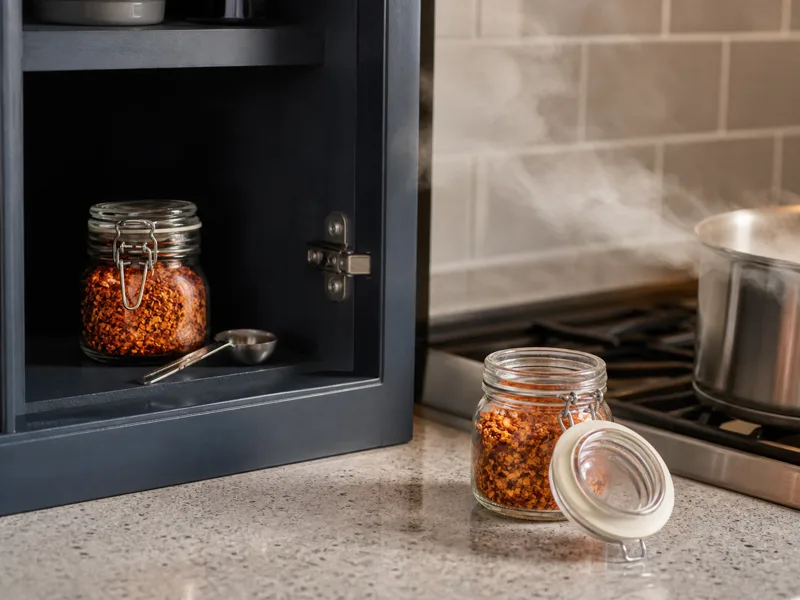
Fill only clean, completely dry containers after the flakes have cooled. Label each jar with habanero, grind size, and batch date so nobody mistakes it for a mild pizza flake.
- Working jar: hold the amount likely to be used soon.
- Reserve jars: keep sealed in a dark cabinet until the working jar is empty.
- Dry utensil: prevent cooking steam or a damp spoon from entering the container.
A cabinet away from the stove is a better location than a clear shelf in direct sun. Light, warmth, oxygen, and repeated humidity exposure flatten aroma before the burn disappears.
Discard flakes that show mold or an abnormal wet odor. Clumping alone calls for a moisture inspection, but visible fungal growth is not a batch to redry and keep.
What Causes Soft or Scorched Habanero Flakes?
Most failed batches point to one unfinished stage. Diagnose the physical symptom before changing the recipe because more grinding cannot repair moisture, and a new jar cannot reverse scorching.
- Flexible pieces: the thickest sections did not finish drying.
- Condensation or renewed softness: the batch was packed warm or retained moisture.
- Fine dusty texture: the grinder ran too long or the load was too small for controlled pulses.
- Uneven seasoning: flake sizes vary too widely or coarse pieces were used where fast dispersion was needed.
- Dark color and toasted odor: drying heat was too high.
- Flat aroma without moisture: storage exposed the flakes to light, warmth, air, or too many openings.
Redry a moisture-affected batch only when there is no mold, off odor, or decay. Replace a scorched or moldy batch because neither defect becomes safer or more flavorful in storage.
A sound result is simple to identify: the pieces snap before grinding, the finished crush pours freely, the jar stays dry, and a small measured pinch gives a repeatable result in food.