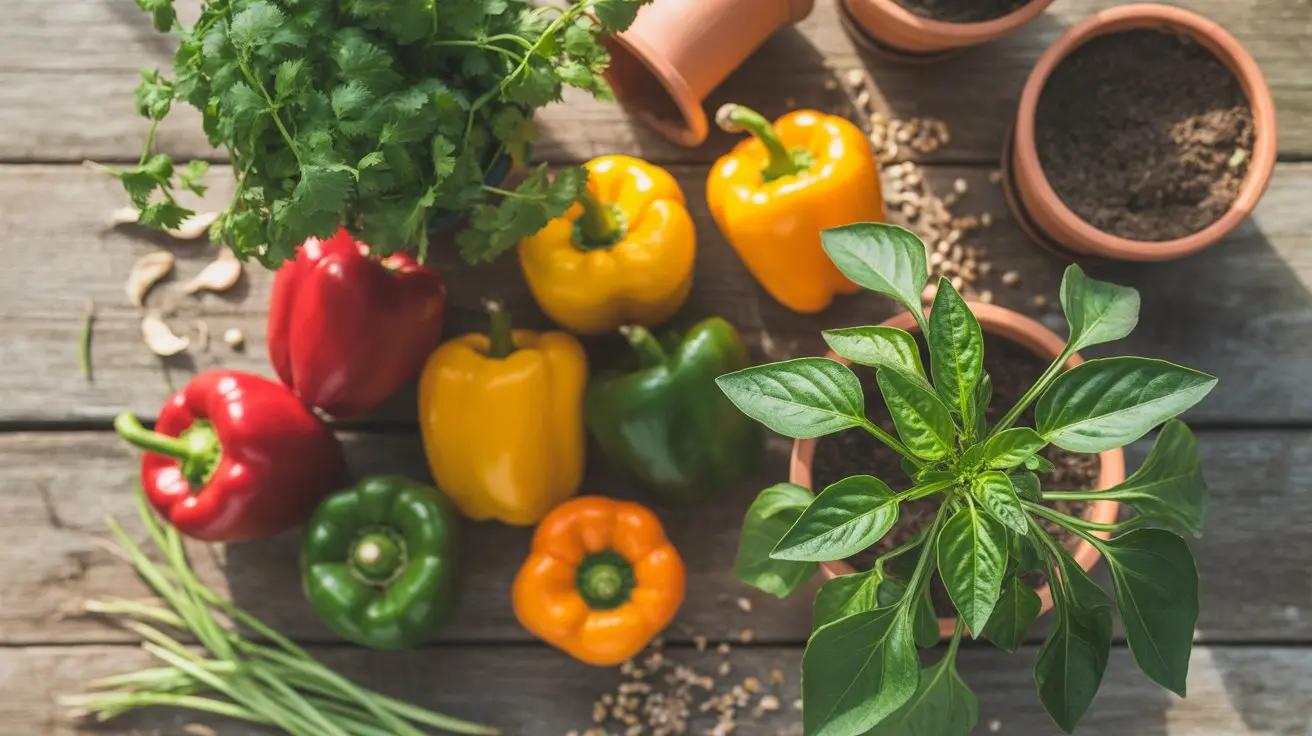
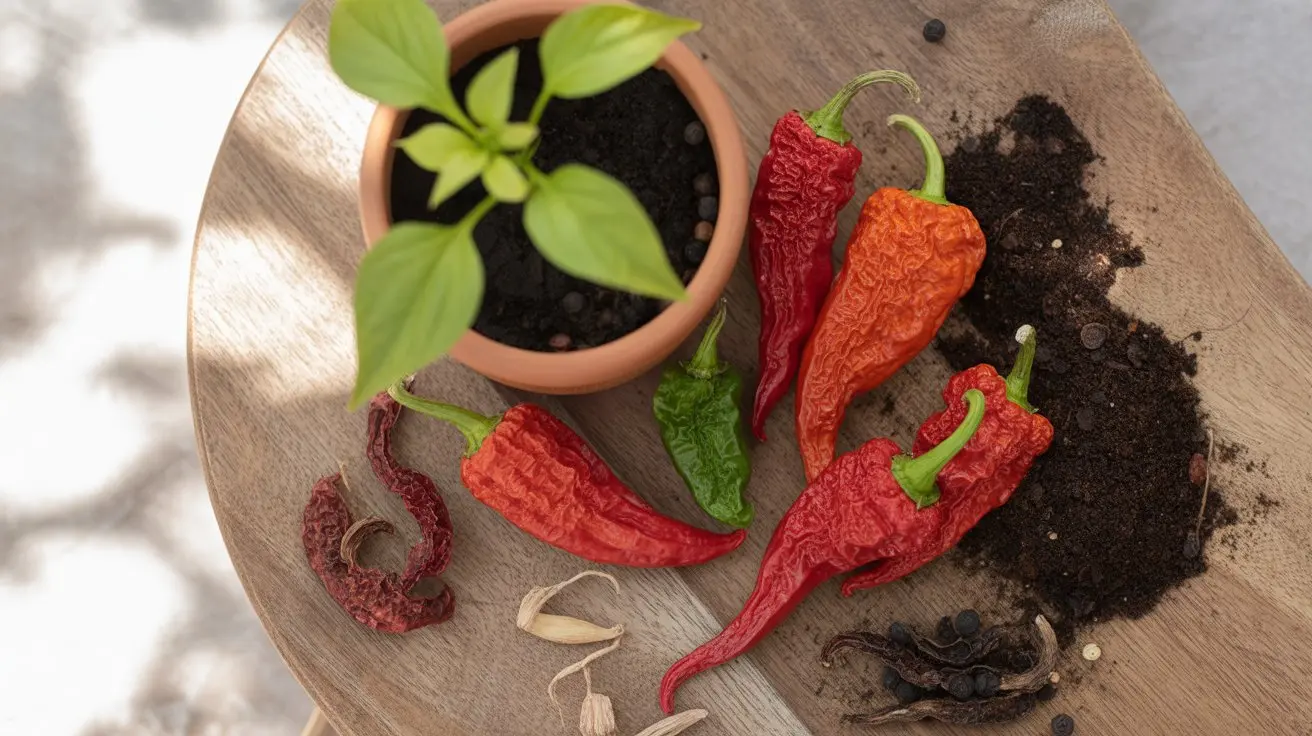
When to Pick Peppers: Green for Crunch or Full Color for Sweetness
Pick peppers when the pod is full-sized, firm, and at the color stage your recipe needs. Green harvest gives crunch and keeps plants producing. Full color gives more sweetness, drying value, and seed maturity.
Pick peppers when the pod has reached useful size, firm walls, and the color stage your recipe needs. Green peppers are not automatically unripe in a bad way.
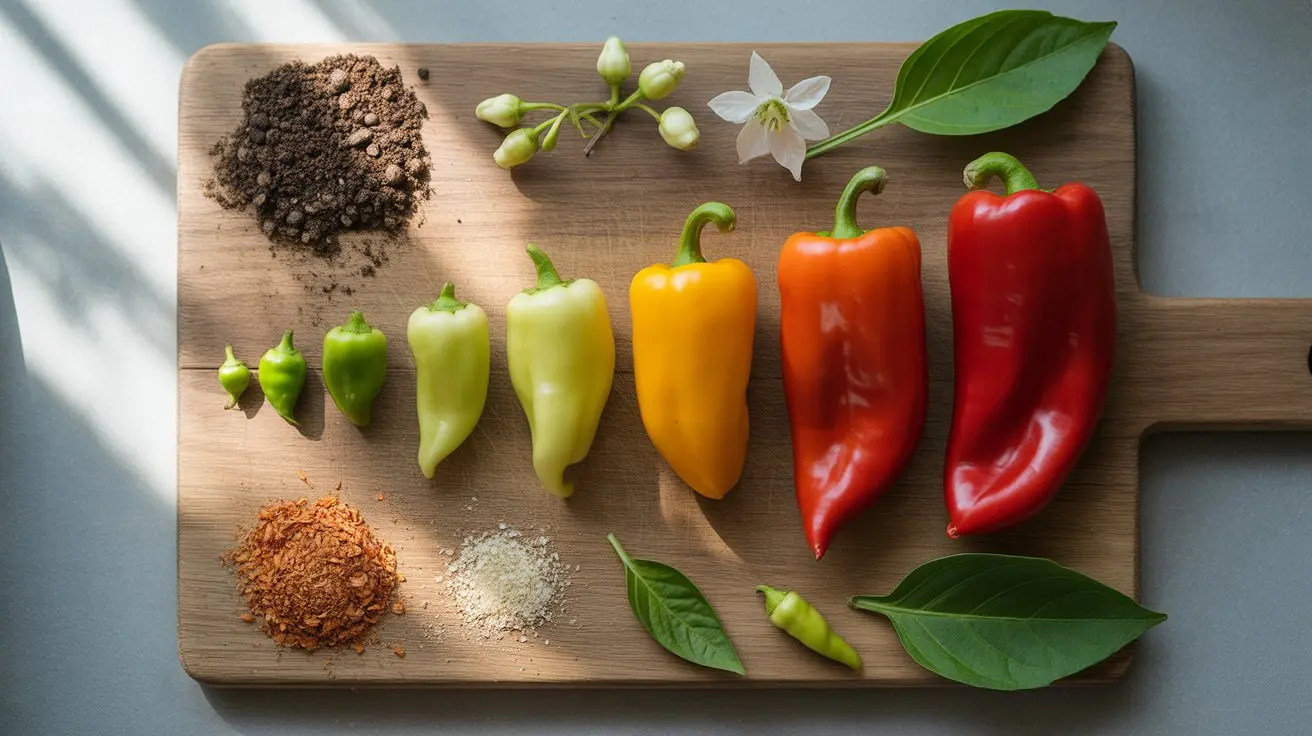
Many peppers are harvested green for crunch and sharper flavor, then later turn red, orange, yellow, brown, or another mature color with more sweetness.
The right harvest point depends on the pepper and the use. A jalapeno for fresh salsa can be green and glossy.
A red pepper for drying needs full color. A thin-walled chile for flakes should be mature enough to dry cleanly.
A stuffed pepper needs size and wall strength more than maximum sweetness.
Check Size Before Color
Size tells you whether the pod has finished its basic growth. Color tells you where it is in ripening.
If a pepper is small and already changing color, the plant may be stressed. If it is full-sized and green, it may be ready for green harvest or it may need more time for ripe color.
Compare several pods on the same plant instead of judging one in isolation. The oldest fruit usually shows the variety's full length and shoulder shape first.
Seed-packet maturity days are an estimate from a stated starting point, not a harvest alarm. Cool weather, shade, transplant stress, and a heavy fruit load can all stretch the calendar.
| Pepper use | Pick stage | What to look for |
|---|---|---|
| Fresh salsa | Green or red | Firm glossy pod with full size |
| Stuffing | Full size before softening | Thick wall and stable shape |
| Drying | Fully colored | Color finished and skin still sound |
| Pickling | Firm green or colored | Crisp walls and no soft spots |
| Seed saving | Fully ripe | Mature color held on the plant |
Can You Pick Peppers While They Are Still Green?
Green harvest is useful for crisp texture, fresh bite, and keeping the plant productive. Many plants set more flowers after pods are removed.
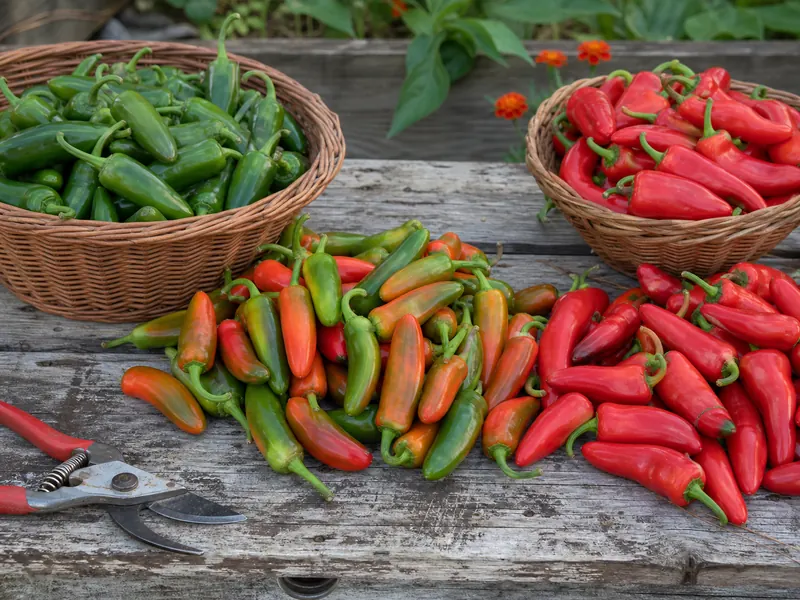
If you wait for every pepper to turn red, the plant spends more energy on existing fruit and may slow new production.
Pick green peppers when they are firm, glossy, and close to expected size. For serrano, poblano, jalapeno, and many sweet peppers, green harvest is a normal cooking stage, not a failure.
Fine tan corking lines on a jalapeno are surface scars from growth, not a sign that the pod must be discarded. Judge the wall underneath: it should still feel firm and dry.
Harvest the largest green pods first when the plant is crowded, then leave smaller fruit to finish sizing.
When Should You Let Peppers Reach Full Color?
Ripe peppers usually taste sweeter and more aromatic than green peppers. They also give stronger color to sauces, powders, and dried chile projects.
Wait for full color if you are making flakes, powder, red salsa, or seed stock.
Color often starts as a streak or patch before spreading over the pod. Pick at the first color break when weather or pests make waiting risky.
Wait for the mature color to cover the whole pod when appearance, sweetness, drying, or seed maturity matters more. The skin should remain firm.
Full color does not require a soft or wrinkled pepper.
Do not leave ripe peppers on the plant until they wrinkle badly unless you are intentionally drying them under controlled conditions. Rain, pests, and sunscald can ruin a ripe pod quickly.
Harvest Before Damage Spreads
A pepper with a small corking line can still be excellent. A pepper with soft spots, mold, sunken tissue, or insect holes should be harvested and sorted immediately.
Damage does not improve on the plant.
- Use sound ripe pods for fresh eating, drying, or seed saving.
- Trim small damaged spots only if the rest of the pod is firm and clean.
- Discard moldy, sour-smelling, or leaking pods.
- Harvest before heavy rain if ripe pods are already softening.
Sort cosmetic marks from active damage. Sunscald usually leaves a pale, papery patch on the exposed side.
Blossom-end rot begins as a dark sunken area near the tip. Fresh insect holes, wet tissue, spreading softness, or mold make the pod a use-now or discard decision.
A dry healed mark on an otherwise firm wall is different.
Should You Cut or Pull Peppers Off the Plant?
Many pepper stems hold tightly. Pulling can tear branches or knock off nearby flowers.
Use scissors or pruners and leave a short stem on the pepper. This is especially useful on heavy plants and brittle late-season branches.
Hold the fruit in one hand and cut above the cap without squeezing the wall. Wear gloves when handling very hot varieties, especially if cracked pods expose juice.
Put damaged fruit in a separate container so it does not leak onto peppers intended for storage.
Handle ripe thin-walled peppers gently. A cracked skin can still be cooked quickly, but it is a poor candidate for storage.
For storage guidance, compare quick pickled peppers or freezing methods if the harvest is larger than the week can use.
What Should You Pick Before Frost?
Cold weather stops ripening and can damage pepper tissue. Before frost, harvest full-sized green peppers, partially colored pods, and ripe pods.
Keep them sorted because each group behaves differently in the kitchen.
Partially colored peppers can continue changing color after harvest, but flavor will not build exactly like it does on a healthy plant. Use them for cooking, roasting, salsa, or pickling rather than long storage.
Watch the forecast for the cold night before the official frost date. A wet, exposed plant can lose fruit quality before a hard freeze arrives.
Harvest into shallow containers, keep cracked pods separate, and let dry peppers cool before refrigeration. Warm produce sealed immediately in a bag creates condensation that shortens storage.
Match Ripeness to the Recipe
Green firm peppers are best for crunch, stuffing, roasting, and pickling. Fully colored peppers are better for red sauces, powders, drying, and sweeter fresh uses.
Very hot ripe pods can be dried or used in small amounts with chili paste substitutes and cooked sauces.
Sort for Storage
After picking, sort peppers before they go into the refrigerator. Firm, clean pods can wait.
Cracked or bruised pods should be cooked, roasted, chopped, or pickled first. Sorting saves the good peppers because one damaged pod can leak moisture into the bag.
Store only dry pods. Brush off loose soil and wait to wash peppers until use unless contamination requires earlier cleaning.
If you do wash them, dry every surface before refrigeration. A partly open bag or ventilated container limits condensation while keeping the walls from losing moisture too quickly.
Use full-color thin-walled peppers for drying only if they are clean and dry on the surface. Use thick-walled green peppers for stuffing, roasting, or chopping.
If the harvest is mixed, turn the firmest pods into quick pickled peppers and use softer ripe pods in sauce.
| After harvest | Use first | Better later use |
|---|---|---|
| Cracked ripe pods | Cook today | Sauce or salsa |
| Firm green pods | Refrigerate | Stuff, roast, or pickle |
| Clean ripe thin pods | Dry or cook | Flakes, powder, or oil |
Handle Mixed-Color Harvests
A mixed plant is normal late in the season. Choose green pods for crunch, half-colored pods for cooked dishes, and fully ripe pods for color.
For heat-heavy recipes, compare chili paste substitutes, chili sauce substitutes, or sweet chili sauce substitutes after you know whether the pods are fresh, pickled, or dried.
Keep the color groups separate until you choose a use. Mixing firm green pods with soft ripe pods in one bag makes storage harder to manage.
Label drying or seed-saving batches by variety so a late-season pile does not erase which plant produced each pepper.
If frost is close, the practical answer is simple: harvest first, sort second. Waiting for perfect color can cost the whole crop.