Growing Peppers Indoors Works Best With Compact Plants and Grow Lights
Growing peppers indoors works best with compact varieties, strong grow lights, containers that drain well, careful watering, light feeding, and simple flower pollination help.
Growing peppers indoors works when the plant receives enough light, root space, warmth, and pollination help to keep setting fruit. The container is not the hard part.
The hard part is replacing the sun and outdoor airflow closely enough that the plant keeps growing instead of sitting in survival mode.
Use this approach for compact varieties, winter holdovers, apartment growing, and small harvests from jalapeno, Thai chile, ornamental peppers, and other small-fruited plants. Large bells can grow indoors, but they need stronger light and more room.
Which Peppers Grow Best Indoors?
Compact plants are easier indoors because light weakens with distance. A short plant can keep more leaves close to the lamp.
Tall plants stretch, shade themselves, and need pruning before they are productive.
Fruit size matters as much as plant height. A compact chile can carry many small pods without bending far from the light.
A bell pepper may hold only a few fruit, but each one asks more from the roots and canopy.
Start with one plant per light footprint so leaves do not overlap before flowering begins.
| Indoor goal | Better pepper type | Reason |
|---|---|---|
| Small fresh harvests | Jalapeno or Thai chile | Compact plants can fruit under strong lights |
| Decorative windowsill | Ornamental pepper | Small pods and dense branching fit limited space |
| Large sweet peppers | Dwarf bell or patio type | Needs less canopy than full-size bell plants |
| Overwintering | Healthy outdoor plant | Established roots restart faster after pruning |
What Size Pot Does an Indoor Pepper Plant Need?
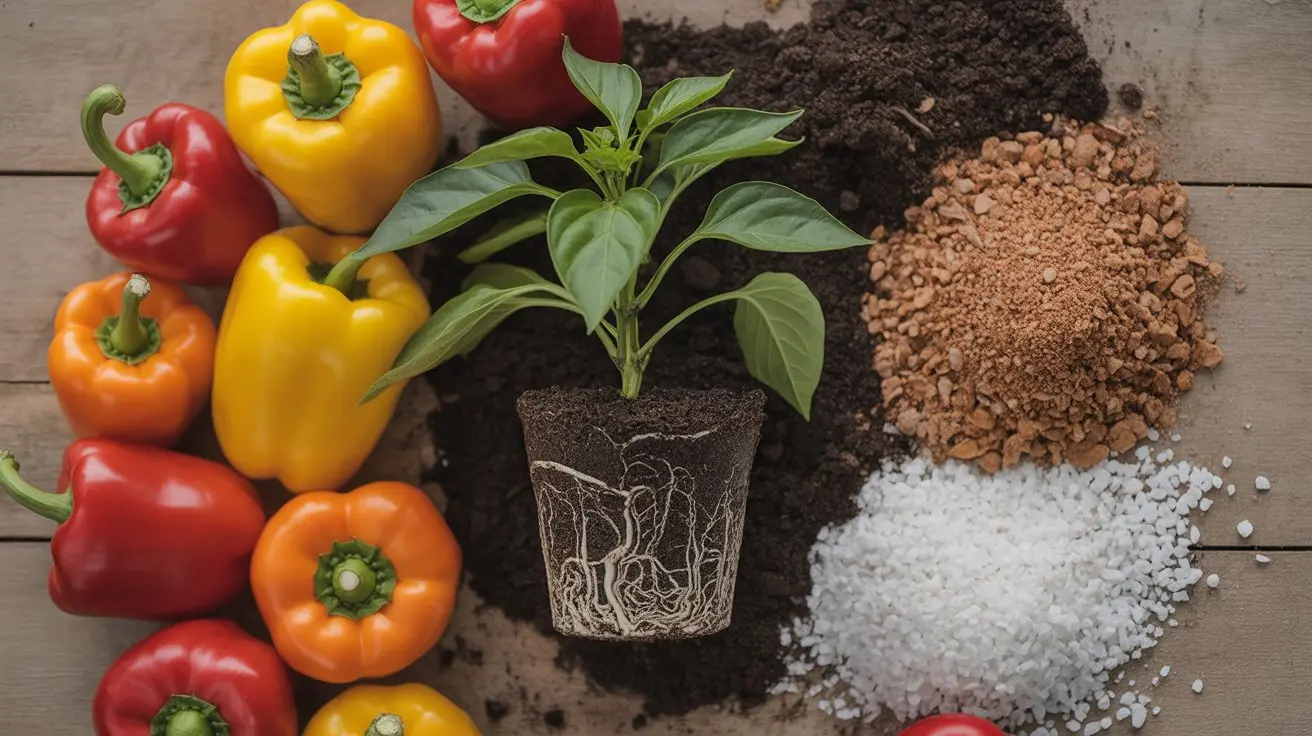
Most indoor peppers do well in a pot that holds enough mix for stable moisture but not so much wet soil that roots stay cold and stale. A mature small pepper often fits a three- to five-gallon container.
A young plant can start smaller and move up when roots fill the pot.
Use drainage holes and a saucer you can empty. Indoor peppers dislike wet feet.
If water remains in the saucer after a short wait, dump it so the lower roots can breathe.
Move up one pot size when roots circle the wall, water runs straight through a dense root ball, or the plant wilts again soon after watering. Do not jump a small seedling into a huge wet container.
Extra mix holds moisture that the young roots cannot use, which makes watering harder to judge.
How Much Light Do Indoor Pepper Plants Need?
A sunny window can help, but fruiting peppers usually need stronger light than a houseplant. Use a full-spectrum grow light for about fourteen to sixteen hours a day.
Keep the lamp close enough that new growth stays compact, then raise it as the canopy expands.
If leaves angle hard toward the window, the plant is not getting even light. Rotate the pot and move the lamp directly above the canopy.
For seed-starting details, see growing peppers from seed.
Read the newest growth when adjusting the lamp. Long gaps between leaves and pale, leaning stems point to weak or uneven light.
Bleached patches directly below the fixture point to a lamp that is too close.
Change lamp height before extending the day beyond the normal schedule, then give the plant several days to show a steadier growth pattern.
How Often Should You Water Indoor Peppers?
Indoor soil dries more slowly than outdoor soil because wind and sun are weaker. Water when the pot feels lighter and the top layer has begun to dry.
Then water deeply enough that the lower roots receive moisture.
- Do not water daily unless the plant is actively using that much water.
- Empty standing water from the saucer.
- Use a lighter mix if the pot stays wet for many days.
- Move the plant away from cold glass in winter.
Compare the pot before and after a full watering until the weight difference becomes familiar. Drooping alone is not a reliable signal: dry roots, saturated roots, heat, and a sudden fruit load can all lower the leaves.
Check the mix and pot weight before adding water.
If the lower mix stays wet while the surface dries, improve airflow and wait.
Feed Indoor Plants Lightly
A pepper under indoor light needs nutrition, but it usually uses less than an outdoor plant in summer sun. Start with a diluted balanced fertilizer after new growth is active.
Too much nitrogen makes soft leaves and fewer flowers.
If the plant flowers but drops buds, check light, temperature, and watering before adding more fertilizer. Weak light is a common reason indoor peppers refuse to hold fruit.
Fertilizer salts collect faster indoors because the pot receives no rain. A white crust on the rim or mix is a reason to pause feeding and water thoroughly enough to flush the container.
Resume at the label rate only after the plant is making healthy new leaves.
More fertilizer cannot compensate for weak light.
How Do You Pollinate Pepper Flowers Indoors?
Outdoor peppers get wind and insects. Indoors, you may need to move pollen yourself.
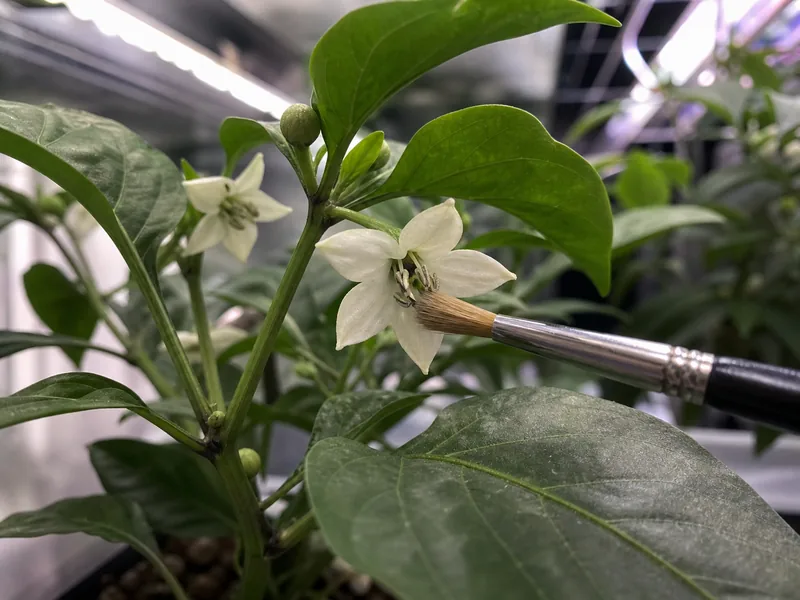
Tap flowering branches gently, brush flowers with a small dry brush, or run a fan lightly near the plant.
The goal is movement, not rough handling.
Dry air can make flowers drop. Keep the plant watered evenly and avoid placing it directly above a heater.
If a plant sets too many pods for its size, harvest early pods promptly so it keeps growing.
Pollination is most useful when flowers are fully open and shedding dry pollen. Tap or brush several flowers during the same session, then repeat on later blooms.
A flower that falls without swelling at the base may have missed pollination, but widespread flower drop points back to light, temperature, moisture, or excess nitrogen rather than the brush.
Prune for Light and Airflow
Remove dead leaves, crossing stems, and weak growth near the soil. Pruning should help light reach healthy leaves.
It should not strip the plant bare.
A pepper needs enough leaf area to feed fruit.
Support a loaded branch before cutting healthy canopy around it. Topping an actively fruiting indoor plant can remove the best-lit growth and delay the next flowers.
Make small cuts, watch how light reaches the center, and stop once leaves no longer rest against the wall, glass, or neighboring pot.
Is Growing Peppers Indoors Worth It?
Indoor peppers are best for small harvests, seed saving, winter color, and keeping a favorite plant alive. They are not the easiest way to grow pounds of peppers.
For large harvests, outdoor beds or containers still win.
Use indoor growing when the result matches the space: a few fresh pods for salsa, a plant held through winter, or a compact chile on a shelf. For outdoor timing, compare when to pick peppers and quick pickled peppers once harvest starts.
Can You Move Indoor Pepper Plants Outside?
An indoor pepper can move outdoors for summer, but the leaves need time to adjust. Start in shade or filtered light, then increase sun over several days.
A plant grown under LEDs can burn quickly in direct afternoon sun even if it looked strong indoors.
Check pests before moving a plant either direction. Aphids, mites, and fungus gnats spread fast on indoor shelves.
Rinse leaves, inspect the underside, and isolate any plant that looks sticky, webbed, or distorted.
For outdoor harvest timing later in the season, use when to pick peppers.
| Move | First step | Why |
|---|---|---|
| Indoor to outdoor | Start in shade | Prevents leaf scorch |
| Outdoor to indoor | Inspect and rinse | Reduces pest carryover |
| Winter holdover | Prune lightly | Keeps canopy matched to weaker light |
How Many Peppers Can You Expect Indoors?
A good indoor harvest might be a handful of fresh pods each month, not a basket. Pick small ripe pods often so the plant does not carry more fruit than the light can support.
Use fresh pods in salsa, freeze extras, or make quick pickled peppers when several ripen at once.
If you need smoky or dried flavor, indoor fresh pods are only the first step. Dry ripe pods for flakes, or compare pantry swaps such as chili sauce substitutes and sweet chili sauce substitutes for cooked dishes.