How to Grow Cayenne Peppers From Seed to Dried Powder in About Six Months
Start cayenne peppers indoors about eight weeks before outdoor planting, then give them warm soil, full sun, even moisture, and support. Harvest mature pods green or red, and dry ripe pods until brittle before grinding.
Choose a cayenne cultivar for the harvest you want
Choose the cultivar before you set the seed-starting date. Clemson Cooperative Extension lists Carolina Cayenne, Charleston Hot, Long Slim, and Super Cayenne II among hot pepper choices, and each seed listing gives a maturity estimate that should fit the frost-free part of your season.
Long, thin-walled cultivars are the practical choice when most pods will become powder because they lose moisture faster than thick-walled peppers. A compact or earlier listing may fit a short season or container better.
Plan separate pickings if you want green pods for fresh cooking and fully red pods for drying.
Start seeds indoors about eight weeks before planting
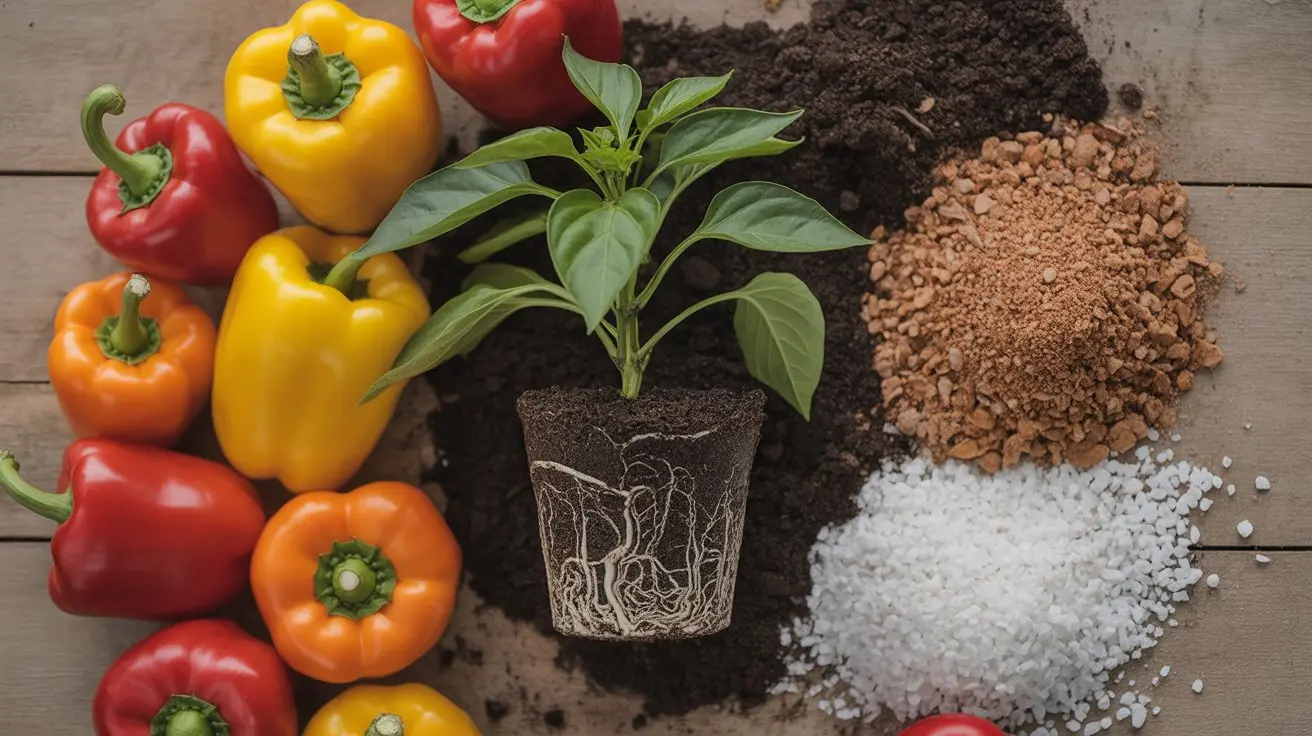
University of Minnesota Extension recommends starting peppers indoors about eight weeks before they go into the garden. Sow cayenne seed about 1/4 inch deep in sterile seed-starting mix, keep the root zone at 80 to 90°F with a heat mat, and provide bright light as soon as seedlings emerge.
New Mexico State University notes that chile seedlings generally need six to eight weeks to reach transplant size. Use that growth stage, not the calendar alone: a ready plant is stocky, actively growing, and large enough to handle without disturbing a tiny root system.
The broader starting peppers from seed covers trays, lights, and potting-up decisions in more detail.
Wait for warm soil and safe nights
Move cayenne outdoors after frost danger has passed, nights remain above 50°F, and the soil is close to 65°F. Those thresholds come from Minnesota, Maryland, and New Mexico extension guidance and matter more than a warm afternoon that is followed by cold soil overnight.
Detailed hardening, transplant depth, and care during the first one or two weeks belong in the moving cayenne seedlings outdoors. Once the transplant is established, this guide follows the plant through fruiting and a dry-powder harvest.
Give roots sun, drainage, and enough room
Use a site with at least six hours of direct sun and soil that drains after rain. University of Maryland Extension gives peppers a spacing range of 12 to 24 inches.
Use the wider end for a branching cayenne that will carry many pods or where humid weather makes airflow important.
Test garden soil before adding fertilizer. Minnesota and Clemson extension guidance both favor soil-test decisions because a guessed amendment can add nitrogen the crop does not need.
Mixes for pots should drain freely, and Maryland recommends at least a 5-gallon container for one pepper plant. The choosing a container setup helps with pot material and drainage choices.
Keep moisture even and nitrogen moderate
Cayenne grows best with a consistently moist root zone, not a cycle of wilt and saturation. Check the soil below the surface and water deeply when it begins to dry.
Mulch can slow evaporation, but keep it away from the stem and do not let a poorly drained bed stay wet.
Apply nutrients from a soil-test recommendation and watch the plant after flowering begins. Minnesota and Clemson warn that too much nitrogen promotes leaves while delaying flowers and fruit.
A dark, lush plant with little set is a reason to pause nitrogen, while pale growth should be diagnosed before another product is added. For timing and soil checks, use the checking pepper soil moisture.
Support loaded branches before they split
Add a short trellis or cage while the plant is still easy to handle. Maryland Extension notes that pepper stems are brittle, and long cayenne pods can load several branch tips at once.
Tie loose loops around branches rather than cinching the main stem.
Support is doing enough when branches stay off the ground and pods remain reachable. Do not prune healthy foliage just to fit a cage.
At harvest, Clemson advises clipping fruit instead of pulling it, which protects the same branch junctions the support is holding.
Diagnose flower drop, aphids, and leaf spots
Check recent temperature before treating dropped flowers. New Mexico State reports poor fruit set when temperatures fall below 60°F or rise above 90°F.
If moisture is steady and the plant otherwise looks healthy, wait for a better temperature window instead of adding fertilizer.
Inspect curled new leaves and leaf undersides for aphids. Minnesota Extension recommends identifying the pest before choosing a control.
A firm stream of water can remove a light colony.
The matching symptoms to likely causes separates chewing, sucking, and disease symptoms.
Dark, water-soaked leaf spots call for sanitation. NC State Extension explains that bacterial spot spreads readily when plants are wet, so avoid handling damp foliage, do not move from a suspect plant into healthy plants, and remove heavily affected material.
Overhead irrigation that wets the canopy can increase the opportunity for spread.
Harvest green or red without breaking branches
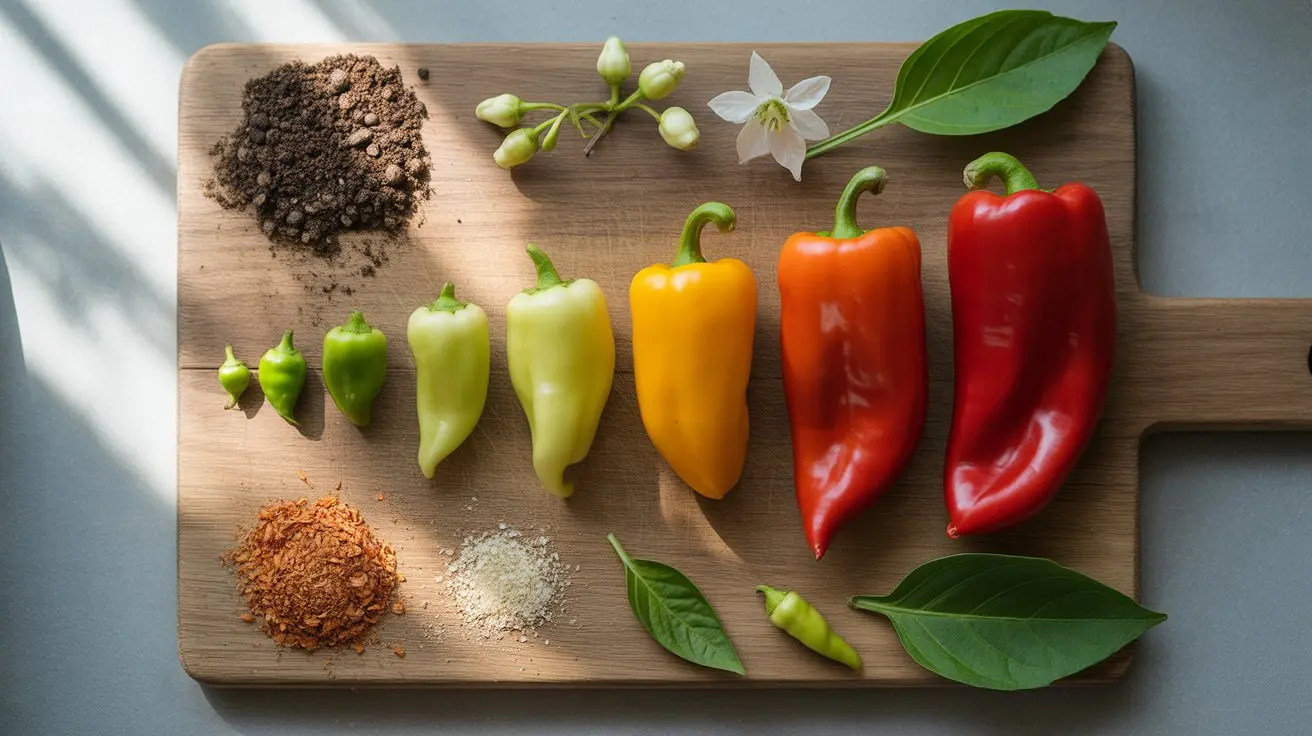
Cayenne pods may be picked at full size while green or left to reach their mature red color. Minnesota Extension notes that regular picking encourages continued production.
Choose green pods when you want their fresher character, and reserve sound red pods for drying.
Cut the stem with clean scissors or pruners instead of tugging the pod. Maryland and Clemson both recommend cutting peppers from the plant because pulling can break brittle branches.
Check supported plants often once color begins, since pods on the same plant will not all ripen together.
How do you dry and grind cayenne into powder?
Discard pods that are moldy, soft, or badly bruised before drying. Utah State University Extension describes ventilated air drying for chiles and dehydrator drying for sliced fruit.
Good airflow matters throughout. Whole thin pods can air-dry in suitable dry conditions, while slicing exposes moisture and shortens dehydrator time.
Dry every piece until it is brittle rather than leathery. Let the dried pods cool, then store them whole in a sealed bag or jar, or grind only the amount you expect to use soon.
A dedicated grinder limits capsaicin residue on other foods. Avoid breathing dust and wash hands and equipment after handling powder.
The choosing a drying method covers equipment choices and humidity limits.
Will saved cayenne seeds grow true to type?
Pepper flowers are largely self-fertile, according to Maryland Extension, but insects can move pollen between nearby compatible plants. Fruit from this season stays true to the plant you grew.
Seed inside it may produce a cross in the next generation.
Buy fresh named seed when cultivar identity matters for pod shape, maturity, or powder quality. Saving seed is reasonable for experimentation, but isolation and careful labeling are needed before the result can be treated as the same cayenne cultivar.
A practical seed-to-powder timeline
From sowing to dried powder is roughly six months, and four of the dates in it are fixed by frost rather than by choice.
- About eight weeks before planting: sow seed 1/4 inch deep in sterile mix and provide bottom heat.
- After frost and warm soil: move an acclimated seedling to its permanent bed or container.
- Through flowering: keep moisture even, avoid excess nitrogen, and add support before branches load.
- During harvest: clip full-size green pods for fresh use or wait for sound red pods.
- After red harvest: dry with ventilation until brittle, then store whole or grind carefully.
This sequence keeps each decision tied to the crop stage. When growth stalls, diagnose temperature, water, roots, pests, or disease before changing several inputs at once.
How to Grow Cayenne Peppers From Seed to Dried Powder in About Six Months FAQ
- University of Minnesota Extension, Growing peppers
- University of Maryland Extension, Growing Peppers in a Home Garden
- Clemson Cooperative Extension, Pepper
- New Mexico State University, Growing Chiles in New Mexico
- Utah State University Extension, Chiles
- NC State Extension, Bacterial Spot of Pepper and Tomato