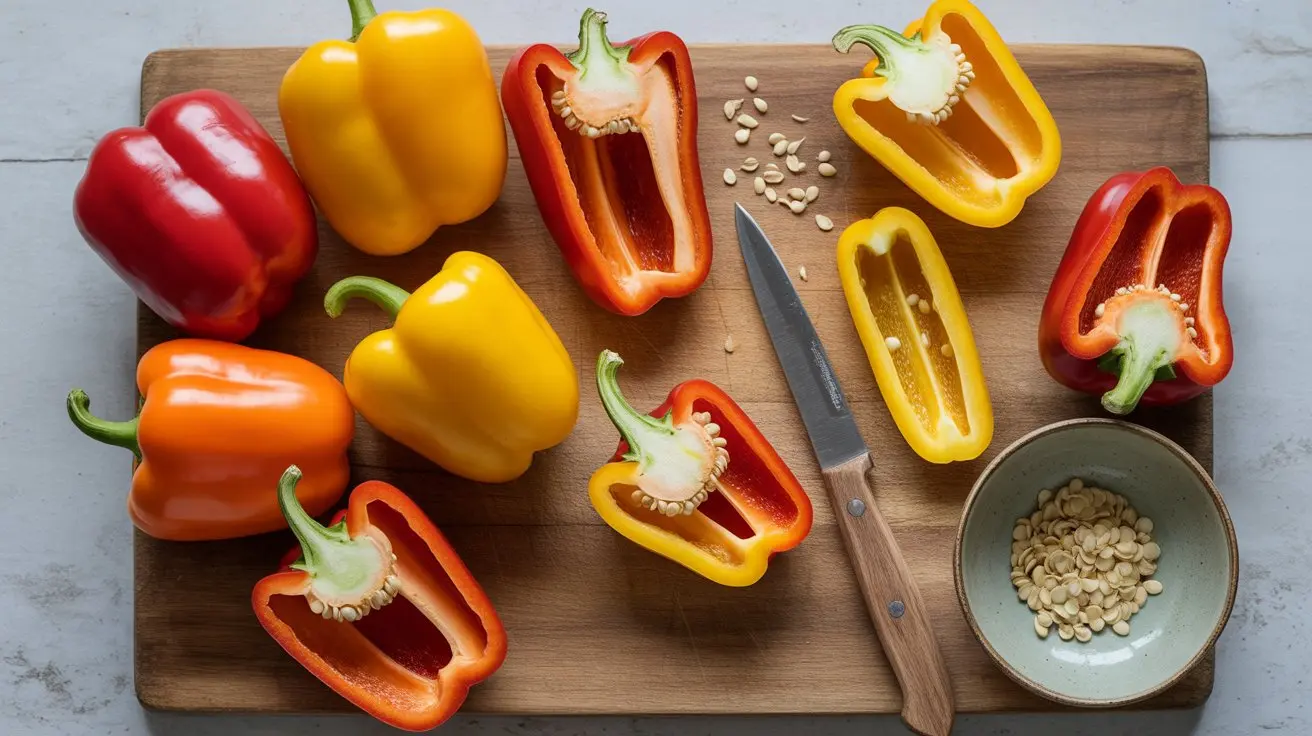
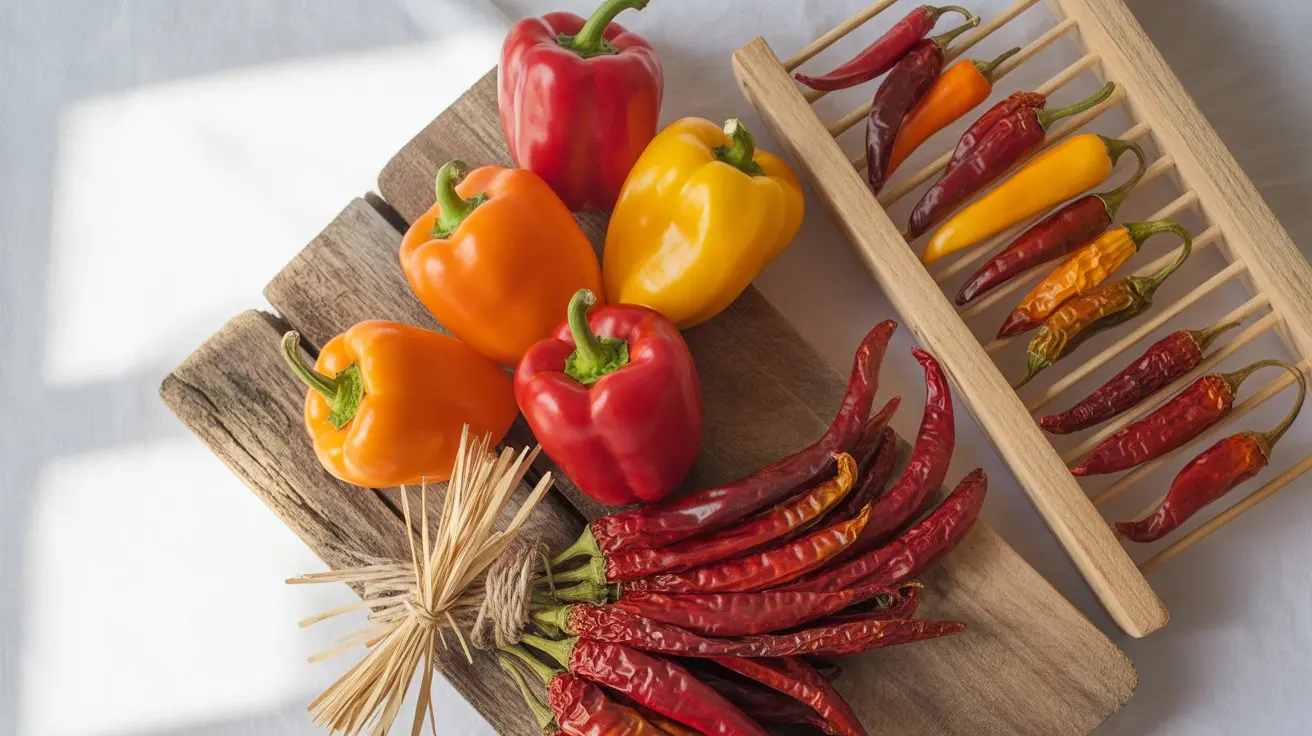
How to Store Dried Peppers Whole in Small Airtight Jars, Cool and Dark
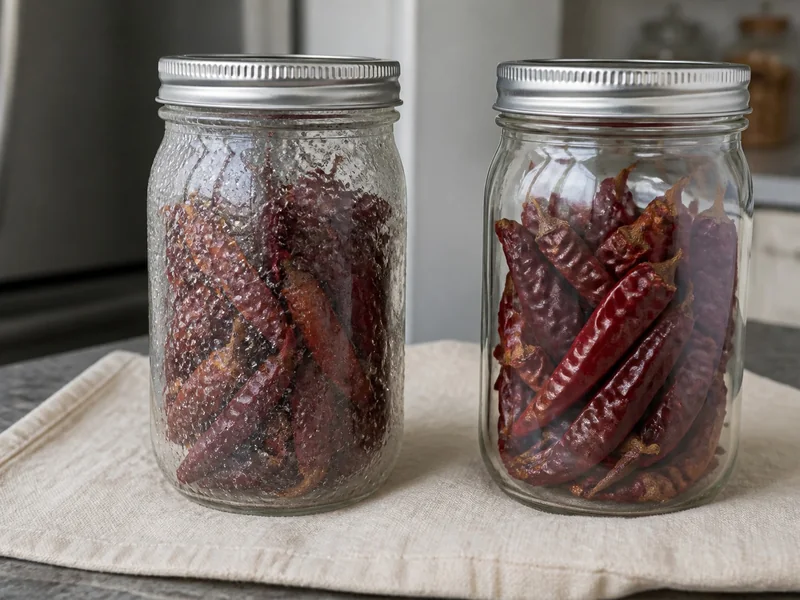
Store dried peppers whole in small airtight containers in a cool, dry, dark cabinet. Cool home-dried pods for 30 to 60 minutes before sealing, keep only a working portion near the kitchen, and let refrigerated or frozen packs warm before opening them.
Store dried peppers in small airtight containers, then place them in a cool, dry, dark cabinet.
Keep the main reserve whole, open only a working portion, and move any cold package to room temperature before breaking its seal.
The National Center for Home Food Preservation, or NCHFP, identifies moisture, insects, heat, light, and repeated exposure to air as the main storage threats. That makes packaging part of preservation, not a cleanup step after drying.
This method applies to home-dried and purchased whole pods, flakes, and powder.
It starts after drying is complete, while dehydration temperatures and equipment belong in the separate dry peppers at home instructions.
What container should hold dried peppers?
A clean home-canning jar with a sound screw lid is the simplest choice for a kitchen supply. NCHFP also accepts tight-lidded freezer containers, freezer bags, and vacuum packaging for dried food.
Choose the smallest container that holds the amount without crushing it. Less empty space means less air inside, while a recipe-sized portion prevents the full supply from meeting humid kitchen air every time you cook.
- Working jar for the amount likely to be used over the next several meals.
- Reserve jar for whole pods that can stay closed in the coolest cabinet.
- Freezer pack for a valuable surplus that will not be opened often.
- Small spice jar for flakes or powder ground from the reserve.
Glass makes a useful working container because condensation and insects remain visible.
Opaque packaging blocks light, but a clear jar kept behind a cabinet door gives the same protection while making inspection easier.
| Package | Where it works best | Limit to manage |
|---|---|---|
| Glass jar | Working portions and pods that need visual inspection | Breakable and transparent, so keep it behind a cabinet door |
| Rigid freezer container | Fragile whole pods and freezer reserves | Extra headspace if the box is much larger than the batch |
| Heavy freezer bag | Compact reserve packs divided by recipe | Can puncture on sharp stems and does not block rodents |
| Vacuum bag | Dry reserve pods that will remain unopened | Can crush brittle pods and cannot correct hidden moisture |
Inspect a reusable lid and gasket before filling the package. A warped cap, split bag seam, or food caught on the rim defeats the container even when the material itself is suitable.
Vacuum packaging is an optional quality tool rather than a safety shortcut.
NCHFP lists it as a good storage option, but the peppers still need to be fully dry, cool, and protected from punctures before the air is removed.
Keep every container away from the oven, dishwasher vent, sunny window, and cabinet above the range. Utah State University Extension notes that both heat and light reduce the quality of dried food even when the package remains sealed.
How do you know dried peppers are ready to seal?
Packaging begins only after the peppers are fully dry and have cooled for 30 to 60 minutes. University of Minnesota Extension warns that an overly long cooling period can let room moisture return, while NCHFP warns that warm food can sweat inside a package.
Small pieces of dried vegetables should be brittle.
With whole chiles, split the thickest pod and check the flesh beside the stem because a dry skin can hide a cool, damp, or spongy center.
Mixed sizes deserve separate attention. A thin Thai chile can finish before a thick red jalapeno, so the driest piece should not decide whether the entire tray is ready.
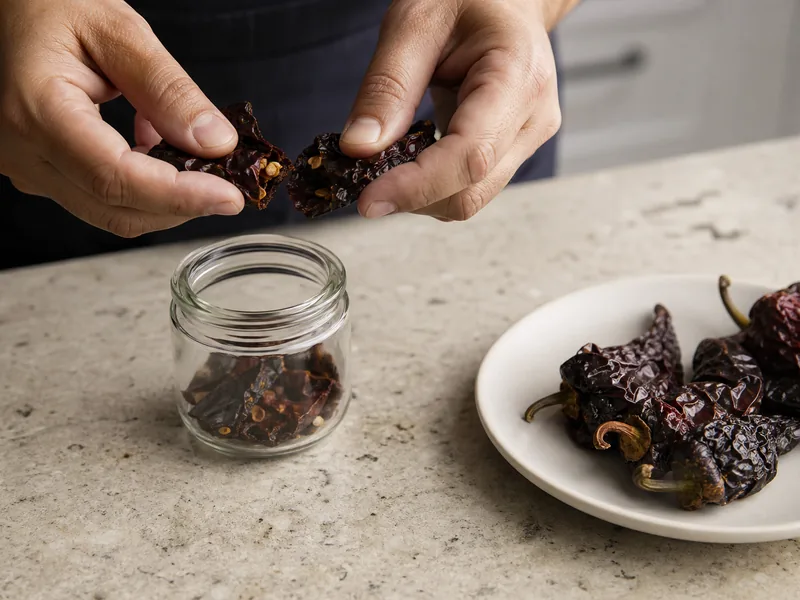
When uncertainty remains, place a sample in a clean clear jar and close it after cooling.
Check the glass for droplets or fog, then return any sound but damp pieces to the dehydrator rather than adding them to the reserve.
The batch must be fully dry first. Vacuum bags, oxygen absorbers, and tight lids cannot make a damp center safe.
Should you store dried peppers whole or ground?
Whole pods protect more flesh from oxygen than cut flakes or powder. Grinding creates many exposed surfaces, so aroma and color usually fade faster even though the original batch was dried at the same time.
No extension source gives a reliable pepper-specific calendar that promises a separate number of months for each form.
NCHFP gives dried foods a general quality range of 4 months to 1 year and stresses that warmer storage shortens it.
| Form | Storage plan | Quality check | Best kitchen role |
|---|---|---|---|
| Whole pods | Small airtight jars or sealed reserve packs | Dry interior, clean aroma, no insects | Sauces, toasting, soaking, and later grinding |
| Flakes | Short working jar filled from whole pods | Bright aroma when crushed between clean fingers | Finishing pizza, eggs, beans, and roasted vegetables |
| Powder | Tiny jar kept dark and tightly closed | Color and aroma strong enough for the intended dish | Even seasoning in rubs, soups, and spice blends |
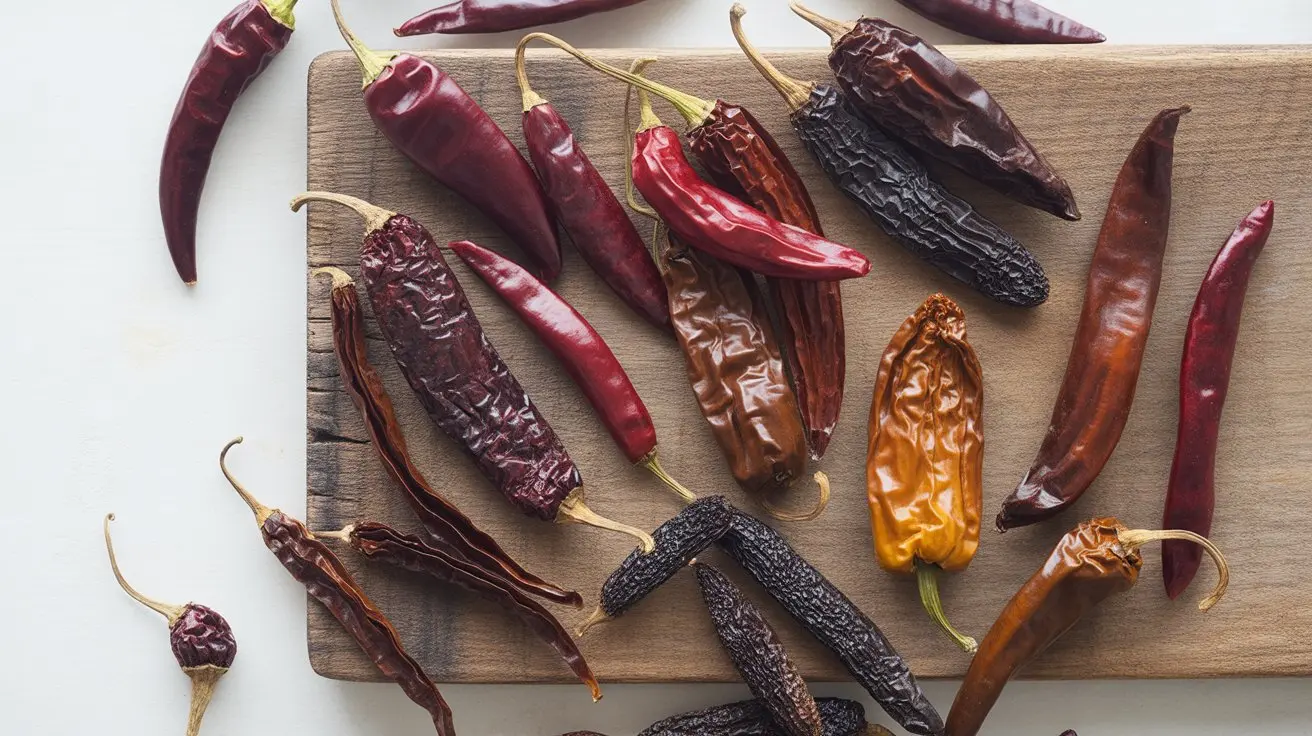
Keep ancho, guajillo, and pasilla pods whole when their individual flavor matters in a sauce.
When you make chili powder, grind only the amount needed for the current batch. Return the unground peppers to storage before the blender or grinder creates airborne dust.
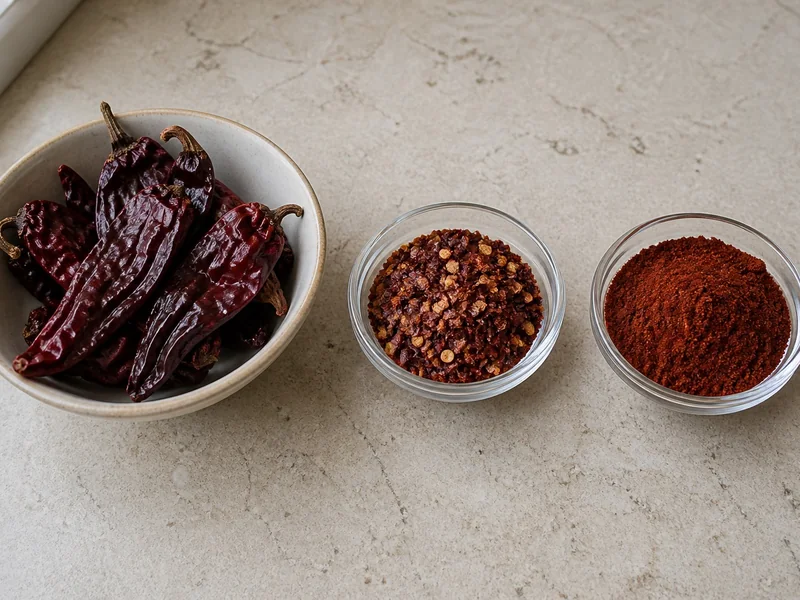
Smoked chipotle and plain red jalapeno should also remain separate. Similar dark color does not make them interchangeable, and a label is easier to trust than memory after several months.
Should dried peppers go in the pantry or freezer?
A pantry or interior cabinet is the default location when it stays cool and dry. University of Minnesota Extension says refrigeration and freezing are not required for dried produce, although lower temperatures can extend quality.
NCHFP reports that most dried foods retain quality for 4 to 12 months depending on conditions, with higher temperatures shortening that window.
Its examples at 60 and 80 degrees F show why a hot utility room or cabinet above an appliance is a poor substitute for a cool pantry.
The refrigerator can help in a humid climate, but the container must remain sealed while it warms to room temperature. Opening cold glass in warm air can put condensation on the food and inside the jar.
Use the freezer for reserve packs that will stay closed for long periods, not for a working bag opened several times each week. Press excess air from a freezer bag, protect it inside a rigid container, and divide a large harvest before freezing so only one portion thaws at a time.
Let a frozen pack warm completely before opening it. If moisture appears inside the still-sealed package, inspect the peppers for spoilage and redry only pieces that remain clean and sound.
How should storage change with heat, humidity, or pests?
The room around the package changes which storage method is practical. A cabinet that stays dry in winter may collect warm humid air in summer, while a basement pantry may stay cool but expose bags to insects or rodents.
| Kitchen condition | Better setup | Reason |
|---|---|---|
| Cool and dry year-round | Small jars in a dark interior cabinet | Easy access without unnecessary cold-storage cycles |
| Hot or humid for long periods | Short working jar plus sealed cold reserve | Less of the supply meets warm humid air |
| Frequent pantry pests | Rigid insect-proof containers after a pre-storage freeze treatment | Thin bags alone can be punctured or chewed |
| Rare imported pods | Several sealed recipe-size reserve packs | One opened portion does not expose the rest |
| Daily use of flakes or powder | Tiny working jar refilled from whole pods | The ground form spends less time exposed to air |
Do not keep a large display jar on the counter simply because the peppers look attractive.
Light and repeated temperature swings reduce color and aroma before the contents show an obvious storage failure.
Loose rice is not a substitute for verified dryness or moisture-proof packaging.
We recommend leaving unmeasured home remedies out of the food and using the clear-jar condensation check to decide whether a batch needs more drying.
Food-grade desiccants and oxygen absorbers may support carefully dried long-term packages when their manufacturer instructions match the package size. They cannot show whether a thick pod still contains moisture, so home cooks still need the physical dryness check before sealing.
How do you protect a working jar after opening?
Each opening exposes dried food to air and moisture, according to NCHFP. A smaller working jar limits that exposure to the peppers already scheduled for near-term cooking.
- Move the jar away from the stove before removing a pod. Use dry hands or clean tongs, close the lid, and only then toast, seed, grind, or rehydrate dried peppers beside a steaming pot.
- Do not return unused pieces from a damp cutting board. Set them on a clean dry plate first, then decide whether they are still dry enough for the working jar.
- Label every package with the pepper name, form, and packing date. Dried Mexican chiles often darken toward similar shades, so a written label protects the recipe from a mistaken ancho, pasilla, or guajillo substitution.
- Keep newly dried peppers out of an older jar until the older batch is empty. Combining batches hides age, spreads any unnoticed insects, and makes it harder to identify which drying session created a moisture problem.
How can you tell if dried peppers have gone bad?
Visible mold means the peppers must be discarded.
NCHFP makes the same distinction for all dried foods, while clean food that has only reabsorbed moisture may be used immediately or redried and repackaged.
| What you find | What it means | What to do |
|---|---|---|
| Droplets, fog, or a damp center | Moisture entered or never left | Remove the batch, inspect it, and redry only sound pieces |
| Visible mold or a musty odor | Spoilage | Discard the entire affected package |
| Webbing, live insects, larvae, or fine feeding dust | Pantry-pest infestation | Discard the package and inspect nearby dry goods |
| Faded color with a clean dry texture | Quality loss | Use more in a long-cooked dish or replace for a brighter result |
| Weak aroma without dampness or pests | Flavor has declined | Judge it against the dish rather than treating age alone as danger |
Do not smell a visibly moldy jar at close range. Seal it for disposal, wash the container and shelf, and check flour, grains, nuts, and spices stored nearby.
A faded but dry and clean pod is a quality decision rather than automatic evidence of danger. The separate question of how long dried peppers last determines when declining aroma, color, or heat justifies replacement.
How do you prevent insects before pantry storage?
Air-dried peppers can be exposed to insects before packaging.
University of Minnesota Extension recommends sealing exposed dried produce in freezer-safe packaging and holding it at 0 degrees F or below for 48 hours as a pasteurization step.
That treatment belongs before permanent pantry storage. Let the sealed package reach room temperature afterward, inspect it, and then transfer the dry peppers into an insect-proof container.
Freezing a visibly infested pantry jar does not restore damaged food or clean the shelf. Discard an active infestation, vacuum cracks and shelf-pin holes, and inspect neighboring packages before restocking.
Paper bags protect hanging peppers from dust during air drying, but they are not long-term moisture or insect barriers. Move fully dried pods into a sealed container as soon as the batch passes its dryness check.
What should you check before using stored peppers?
Look through the container before each opening and give a new home-dried batch extra attention during its first week.
The glass should stay dry, the lid should remain clean, and no pieces should soften after packaging.
Inspect the thickest pods again if a mixed batch changes texture. One damp piece can raise humidity for everything stored beside it, so separate the problem rather than repeatedly airing the whole jar.
Use the strongest, cleanest pods where aroma carries the dish, such as salsa, chile oil, or a short sauce. Sound peppers that have faded can still contribute to beans, broth, or a long simmer, but adding more cannot recreate an aroma that has oxidized away.
Take only the needed pods from storage before soaking them. The rehydration setup should stay separate from the reserve jar so warm water and steam never reach the remaining supply.
Fresh pods, roasted peppers, and saved seed need different moisture rules. For a mixed harvest, the broader pepper storage method covers fresh, frozen, and dried options.
Use pepper seed storage instructions when the goal is next season's plants.