How Long Do Dried Peppers Last Before Flavor Fades?
Whole dried peppers usually keep good cooking quality for about a year when they stay cool, dark, dry, and well sealed. They often remain usable past that point, but color, aroma, and heat fade first, and moisture, mold, or insect activity are the real discard signals.
Dried peppers last longer than fresh peppers, but they do not hold peak quality forever. The practical answer for most home cooks is about a year of strong pantry quality when the peppers are kept cool, dark, dry, and airtight.
After that, the biggest loss is usually flavor performance, not immediate safety. A bag of dry pods can still be usable after a year, but if the aroma is flat, the color is dull, or the flesh has gone leathery from humidity, your food will tell on you fast.
Do whole dried peppers last longer than flakes or powder?
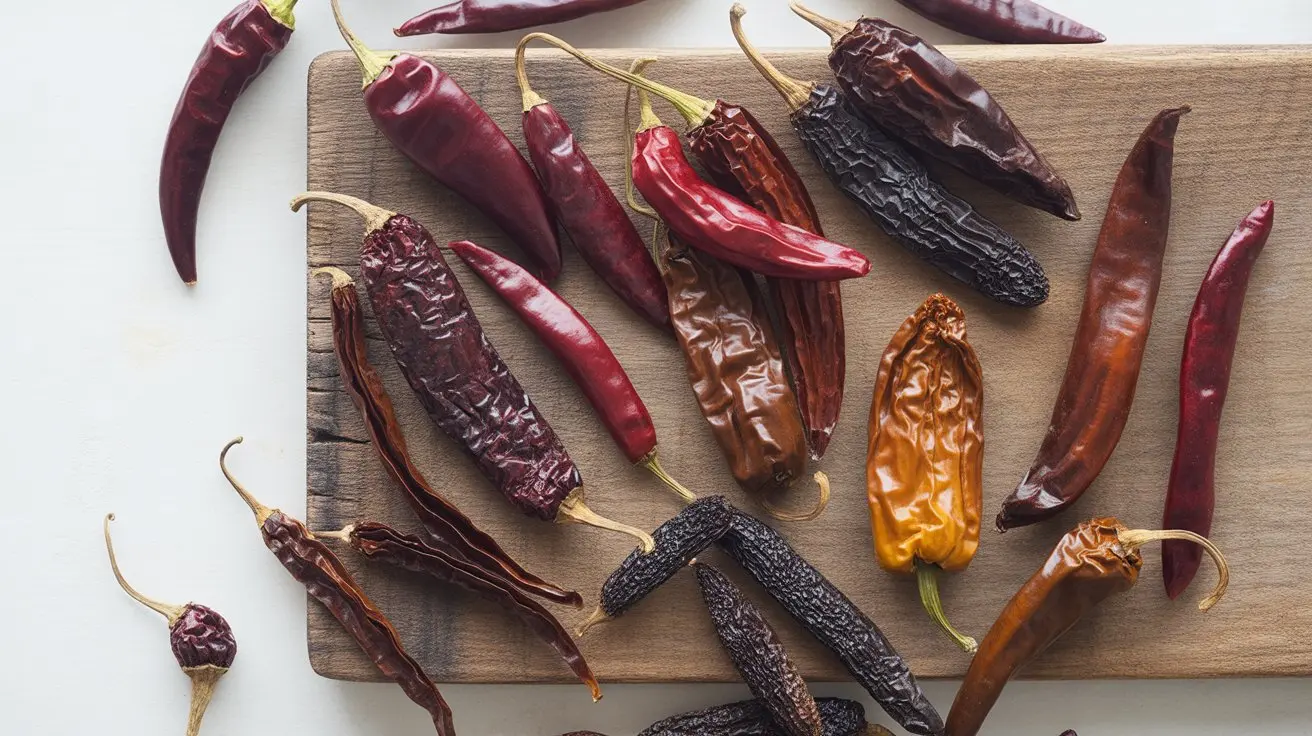
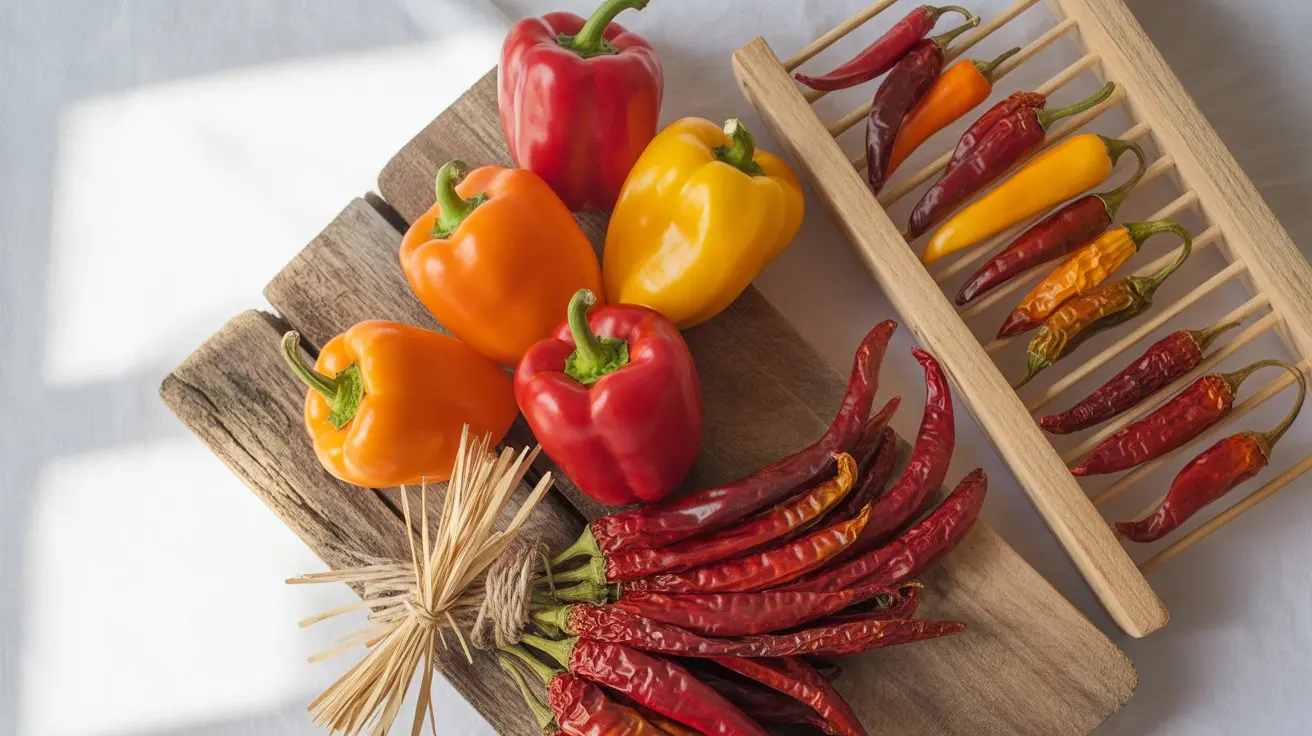
The most stable dried peppers are usually the least processed ones, which is why our drying peppers treats whole finished pods as the best storage starting point. Whole pods protect more of their oils, pigments, and aromatic compounds than crushed flakes or powders.
That is one reason dried-pepper cooks often keep the pod whole until the last minute, then toast, seed, or grind only what they need. New Mexico State notes that ground chile loses color faster than whole pods during storage, and that flakes often hold color better than full powder during the storage window.
| Form | Typical quality window | Main weakness |
|---|---|---|
| Whole dried pods | About 1 year in strong storage, often longer with some quality loss | Moisture pickup and gradual aroma fade |
| Crushed flakes | Usually shorter than whole pods | More surface area exposed to oxygen and light |
| Ground powder | Shortest color and aroma life of the three | Fastest color bleaching and flavor loss |
If you care about the difference between a vivid red sauce and a muddy one, keep powders on a shorter leash than whole pods. The pepper may still be edible, but it may stop being worth using for the dish you had in mind.
What makes dried peppers lose quality faster
The main enemies are heat, light, oxygen, and moisture. Storage temperature matters most for color retention, and light exposure speeds pigment loss as well.

That is why a bag of dried chiles left beside the stove fades faster than the same bag kept in a dark cabinet. Oxygen keeps pushing aroma and color downhill.
Moisture is worse, because once the pepper starts reabsorbing water, you move from flavor decline into mold risk.
Oregon State Extension gives the home-storage version plainly: keep dried peppers in moisture-resistant packaging in a cool, dry, dark place. The advice sounds basic because it is basic.
Most dried-pepper failures come from ignoring one of those four conditions.
- Heat speeds flavor and color loss.
- Light bleaches red pigments quickly.
- Air pushes oxidation and stale aroma.
- Moisture creates the real spoilage risk.
If you already use our fresh-vs-dried pepper as a cooking reference, this is the storage-side extension of the same idea: drying concentrates flavor, but only if you protect the dried product afterward.
How long do dried peppers keep good quality?
For most home cooks, one year is the most defensible benchmark for strong quality. That aligns with dried-food storage guidance from extension sources that tie cooler storage to longer shelf life and warn that warmer rooms cut it down fast.
Montana State Extension gives a useful temperature frame for dried vegetables in general: about one year at 60 degrees Fahrenheit, and only about six months at 80 degrees. Dried peppers are not a random dried vegetable, but they follow the same basic storage logic.
Warmer storage speeds decline.
That means the pantry itself matters. A cool basement shelf and a hot upper cabinet next to the range are not the same storage environment, even if both count as "room temperature" in casual conversation.
If you store several heat levels together, the Scoville scale helps more with picking the right chile than with predicting shelf life.
If you buy a lot of ancho dried pepper pods, guajillo chile pods, or other whole chiles for sauces and stews, date the bag when you open it. That one habit tells you more later than memory ever will.
Are old dried peppers still safe to use?
This is the practical difference between "still edible" and "still worth using." Dried peppers can stay technically usable after they stop giving you the flavor, fruitiness, smoke, or color you bought them for.
A pod that once smelled like raisin, cocoa, tomato skin, or smoke may flatten into something dusty and generic. A powder that should stain oil a bright brick red may turn weak and brown.
Heat can fade too, especially when the pepper has been ground and exposed to air for months.
That matters whether you are chasing the smoke of a Chipotle or the sweeter red-fruit notes in a Paprika Pepper.
That matters in dishes where the pepper does most of the work. If you are building an adobo, enchilada base, or chile puree, stale dried peppers will drag the whole sauce down.
The same pod may still be serviceable in a long braise where it is one flavor layer among many.
Use this test before cooking: break a piece off and smell it. Georgia Extension uses the same aroma-first logic for herbs and spices.
If the smell is immediate and vivid, the ingredient is still carrying its job.
If it smells like dusty cardboard, quality is already gone even if the pepper is not visibly spoiled.
When should you throw out dried peppers?
Throw the peppers out if you see mold, soft damp spots, obvious insect activity, webbing, or a musty smell that suggests moisture got into the container. Those are not "older but still okay" signs.
Those are discard signs.
University of Maine Extension also warns that poor storage can increase mold risk in spices, especially when moisture is allowed back into the product. That warning matters for chiles because many home cooks store them in thin plastic bags, scoop them with damp hands, or leave them open near steam.
| Sign | What it means | Decision |
|---|---|---|
| Faded color, weak smell | Quality decline | Use soon or replace for better flavor |
| Slight brittleness loss from age | Moisture pickup or age drift | Check smell and surface carefully |
| Musty odor | Moisture exposure or mold risk | Discard |
| Visible mold, webbing, or insects | Spoilage or infestation | Discard |
| Sticky, damp, or clumping texture | Humidity exposure | Discard if odor is off or surface looks compromised |
Do not use taste as the first safety test if mold or infestation is already in play. The right move is a trash can, not a sample spoon.
Should you store dried peppers in the fridge or freezer?
The pantry is enough for many people if it is truly cool and dark. The problem is that many home pantries are warm, bright, or too close to the stove.
Refrigeration or freezing can make sense when you buy in bulk, live in a hot climate, or keep a lot of powders and flakes around. New Mexico State even recommends cold, dark storage for better color retention in chile products, though powders taken in and out of cold storage can pick up condensation if they are handled poorly.
- Pantry: best for short-to-medium storage in airtight containers away from light and heat.
- Fridge: useful when the house runs warm or when you want to slow color loss.
- Freezer: strongest option for long-term quality protection, especially for bulk whole pods.
If you freeze them, pack in small airtight portions. Repeated thawing and reopening is how dry ingredients end up wet again.
This is also where a guide like rehydrating dried peppers for cooking connects naturally. A well-stored dried pod comes back to life more cleanly in hot water than an old pod that spent months fading and drying out unevenly in a loose bag.
How storage quality changes the final dish
Old dried peppers do not fail every recipe equally. The most noticeable drop happens in recipes where chile aroma, color, and depth are the backbone of the dish.
A stale pepper will make a weaker broth, a flatter salsa, and a duller sauce. You see that clearly in red chile work, paprika-style uses, and any puree where the pepper has to carry the body and perfume on its own.
That is why dried-pepper shelf life is not only a pantry question. It is a cooking-result question.
If the chile is there for structure, smoke, sweetness, or brick-red color, weak storage means weak food.
The easiest working rule is this: if the pod still smells alive, still snaps or tears cleanly, and shows no moisture or mold issues, keep it. If it smells flat, looks dusty, and no longer changes a dish the way it should, replace it before the next batch matters.
How Long Do Dried Peppers Last Before Flavor Fades? FAQ
- New Mexico State University - Postharvest Handling of Dehydrated Chiles
- Oregon State Extension - Preserving Peppers
- Montana State Extension - Drying Vegetables
- University of Maine Cooperative Extension - Spices and Food Safety
- University of Georgia CAES - Check Your Cooking Staples
- N.C. Cooperative Extension - Food Safety and Storage for Winter Weather