How to Make Sambal Oelek: Texture, Heat, and Storage
To make sambal oelek at home, grind fresh red chiles with salt and enough acid to keep the paste bright, then stop before it turns into a thin blended sauce. The goal is a rough, spoonable chile paste with clean heat and a little texture, not a pourable hot sauce or a chunky garlic condiment.
Sambal oelek is one of the simplest chile condiments you can make, but it still goes wrong in predictable ways. People overblend it, drown it in vinegar, or load it with garlic until it stops tasting like sambal and starts tasting like a generic chili sauce.
If you want a better result, think about sambal oelek as a texture job first. You are building a raw or lightly processed chile paste that should taste direct, bright, and pepper-forward.
It should feel rougher than a bottled hot sauce, cleaner than a cooked chili paste, and simple enough that the chile choice actually matters.
That is the main difference between this method and a broader make-hot-sauce. Sambal oelek is not trying to become a shelf-stable squeeze sauce.
It is trying to stay close to crushed fresh chiles.
What Is Sambal Oelek?
The fastest way to make good sambal oelek is to keep the ingredient list tight and the texture slightly coarse. At its simplest, sambal oelek is made from chiles, salt, and usually a little acid such as lime juice or vinegar.
Indonesian food writers still describe sambal ulek as a pounded chile condiment, and the name itself points back to the grinding motion of a mortar and pestle.
That grinding identity matters because it tells you what the finished paste should feel like. You are not chasing a silky puree.
You want visible chile particles, enough moisture to spoon or smear, and enough salt-acid structure that the heat tastes sharp rather than muddy.
Commercial products reinforce that same simple style. Huy Fong describes sambal oelek as a full-bodied chile sauce with a simpler taste than its more seasoned products.
That is useful because it keeps the target narrow: pure chile flavor first, supporting ingredients second.
Which Chiles Should You Use for Sambal Oelek?
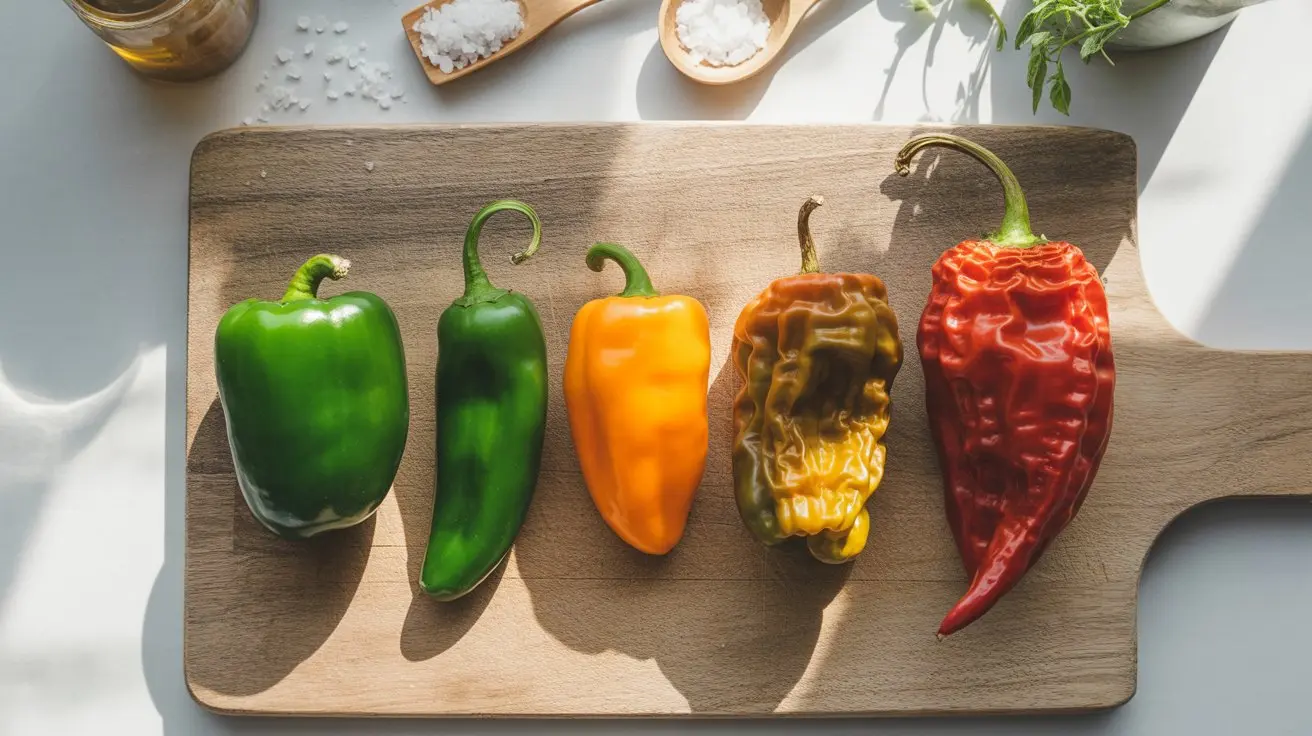
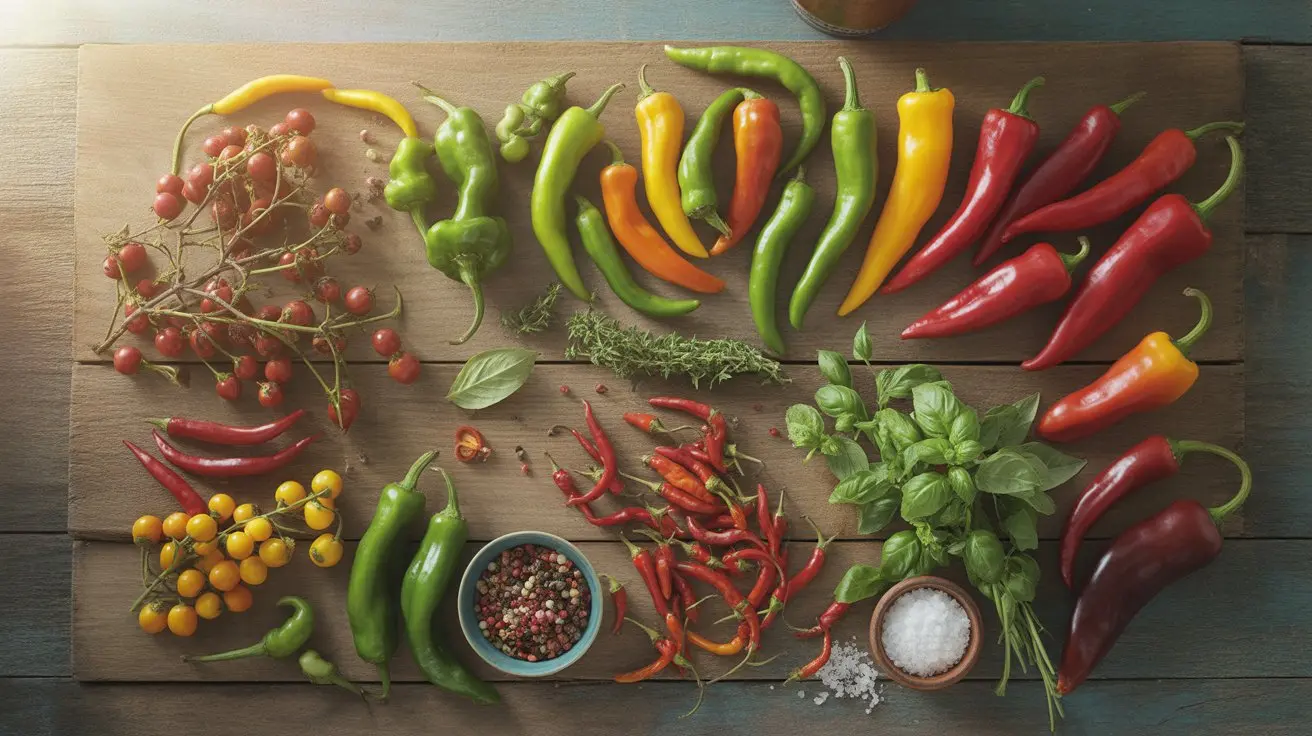
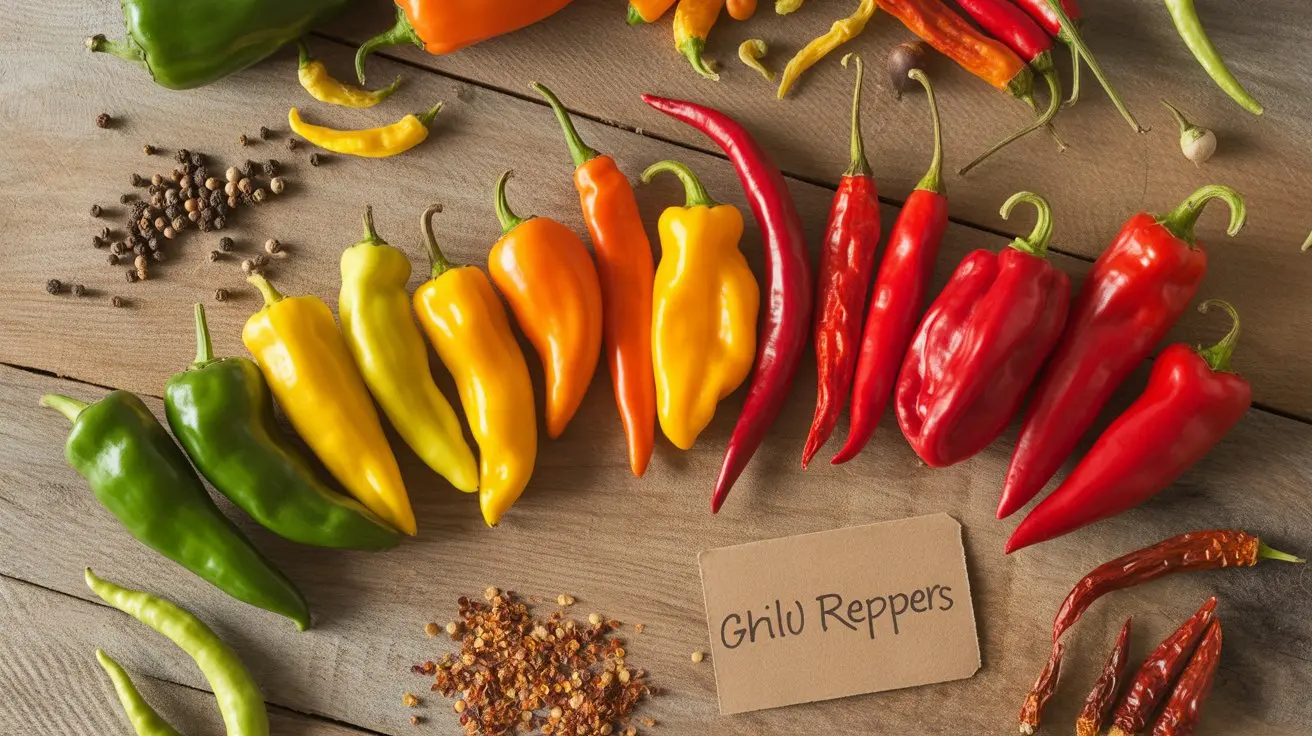
You can make sambal oelek from many fresh red chiles, but not every pepper gives the same texture. Thick-walled chiles such as red jalapeño peppers and Fresno Pepper give a fleshier paste that stays moist and spoonable.
Thinner chiles like Serrano Pepper or bird's-eye types can make a sharper, looser, more aggressive paste unless you control the batch size and moisture carefully.
If you are new to the method, start with red jalapeños or Fresnos. They are easier to balance because they bring body as well as heat.
If you want more punch, blend in a smaller amount of serrano or Thai chile rather than making the whole batch from tiny hot pods.
This is where a quick look at the Scoville heat scale helps. Sambal oelek should be hot enough to register clearly, but if your paste is so hot that you can barely taste the fruit and salt, the batch stops being versatile.
You want a condiment you can stir into noodles, rice, eggs, or marinades, not just a dare in a jar.
Freshness matters too. Use shiny, firm pods with enough moisture left in the walls.
If the peppers feel tired or leathery, the paste will taste flatter no matter how clean your method is.
If you are deciding between dried and fresh inputs, this recipe belongs with fresh chile pastes explained in our fresh-vs-dried pepper.
Keep the formula tight: chiles, salt, and just enough acid
The easiest sambal oelek formula is also the hardest one to trust because it looks too simple. For roughly 12 to 16 ounces of trimmed red chiles, start with 1 1/2 to 2 teaspoons of kosher salt and about 2 tablespoons of rice vinegar or lime juice.
That is usually enough to wake the paste up without turning it watery.
If you want a slightly rounder profile, add a small pinch of sugar, but do not let the batch drift toward sweet chili sauce. Sambal oelek is supposed to taste direct and savory-hot, not glossy or dessert-like.
The more extra ingredients you add, the more the paste starts acting like another condiment family.
Garlic is where many batches go sideways. A little can work, but once garlic becomes the obvious second note, you are moving closer to chili garlic sauce than sambal oelek.
That is not automatically bad.
It is just a different endpoint, and We already treat that as a separate storage and use category in the chili garlic sauce storage.
If you want the paste to stay honest, make one plain batch first. After you understand the baseline, then decide whether your kitchen actually needs a garlic-heavy or cooked variation.
Mortar or Food Processor?
A mortar and pestle still gives the best control because it bruises and crushes the chiles instead of shearing everything into a wet puree. That is the clearest way to get the rough texture most people expect when they hear sambal ulek.
It also makes it easier to stop while the paste still has character.
A food processor works too, especially for a larger batch, but pulse in short bursts and scrape often. The danger is not that the machine cannot do the job.
The danger is that it reaches the wrong texture too fast.
When the paste is right, it should cling to a spoon, hold small visible bits of skin and flesh, and spread in a loose mound rather than run like bottled hot sauce. If it starts looking glossy and uniform, you have probably gone too far.
A clean process looks like this:
- Trim stems and roughly chop the chiles so the batch breaks down evenly.
- Add salt first so the chile flesh starts releasing moisture while you grind.
- Add acid in small amounts instead of all at once.
- Stop as soon as the paste looks coarse and cohesive.
- Taste before deciding whether it needs more salt, more acid, or just more patience.
If you understand why some pepper condiments separate or feel too loose, the same texture logic shows up in our hot sauce separation. Sambal oelek simply starts from a thicker, rougher target.
Taste and adjust without turning it into another condiment
Most batches do not need a dramatic fix. They need one small correction.
If the paste tastes harsh, it usually wants a little more salt or a rest in the fridge so the raw edges settle.
If it tastes flat, it usually needs a little more acid, not a pile of extra ingredients.
If it feels too thick and stubborn, loosen it with a teaspoon of water or more chile juice, not a big splash of vinegar. If it feels too thin, the fix is not cornstarch or sugar.
The fix is usually more chile flesh, less added liquid, or a shorter blend next time.
This is also the point where people accidentally wander into the wrong condiment family. Add more sugar and you are drifting toward sweet chili sauce.
Add a lot of garlic and chunkier solids and you are getting closer to chili garlic sauce.
Add fermentation or a stronger vinegar push and you start crossing into territory better covered by sambal oelek vs sriracha or a broader capsaicin about how acidity and chile concentration affect perception.
The best adjustment rule is simple: preserve the pure chile line first. Everything else should feel like support.
Should Homemade Sambal Oelek Be Refrigerated?
Homemade sambal oelek should be refrigerated. This is not the place to borrow pantry logic from commercial shelf-stable chili sauce.
Once you make the paste from fresh chiles in your own kitchen, the safe practical move is to keep it cold, use a clean spoon, and work in small batches you will realistically finish.
FoodKeeper guidance is useful here as a storage mindset even when it is not written for your exact custom sambal recipe: cold storage protects quality and lowers the chance that a fresh condiment lingers in the danger zone. In practical kitchen terms, that means refrigerate the jar promptly and do not leave it hanging out on the counter through repeated meals.
The fridge also helps the flavor. A chilled jar stays brighter, cleaner, and less sloppy around the rim.
If you have been reading storage guides like hot sauce spoilage, remember the category difference: commercial bottled sauces often have more processing and preservation help than a homemade fresh chile paste.
For serving, let a spoonful warm slightly at the table if you want a softer texture. There is no need to leave the whole jar out for hours.
Troubleshooting: watery, bitter, flat, or too hot
Watery sambal usually comes from too much vinegar, too much processor time, or peppers with more water than flesh. Fix the current batch by stirring in more chopped chile or using it as a looser sauce for noodles and grilled meat instead of trying to boil it down.
Bitter sambal usually comes from scorched ingredients, too much pith or seed in a very hot batch, or peppers that were not in great shape to begin with. It can also happen when the paste sits open too long and starts tasting tired instead of fresh.
Flat sambal usually means the acid-salt balance is off. Before adding new ingredients, try a pinch more salt or a few drops of acid and taste again.
Many flat batches are under-seasoned, not fundamentally broken.
Overwhelmingly hot sambal is best corrected by dilution, not denial. Grind in more mild red chile, or use smaller portions of the paste in cooking.
If you need the heat to read but not dominate, learning a little more about capsaicin burn mechanics helps you understand why a paste can feel hotter when it is dense and direct instead of thinned into sauce.
The practical finish is this: make small batches, keep the formula simple, and stop blending before the paste loses its chile identity. That is the whole game.