How to Make Chipotle Peppers Without Sour Smoke or Half-Dried Pods
Real chipotle peppers start with fully ripe red jalapeños, then move through a low smoky drying process that removes moisture without cooking the peppers into mush. Most bad home batches fail for one of three reasons: the peppers were picked green, the smoker ran too hot, or the pods were pulled before they were dry enough to store safely.
What peppers are chipotles made from?
A chipotle is not a sauce flavor, a seasoning label, or a random smoked chile. It is a smoked dried jalapeño.
That identity matters because the whole method depends on starting with the right pepper at the right stage.
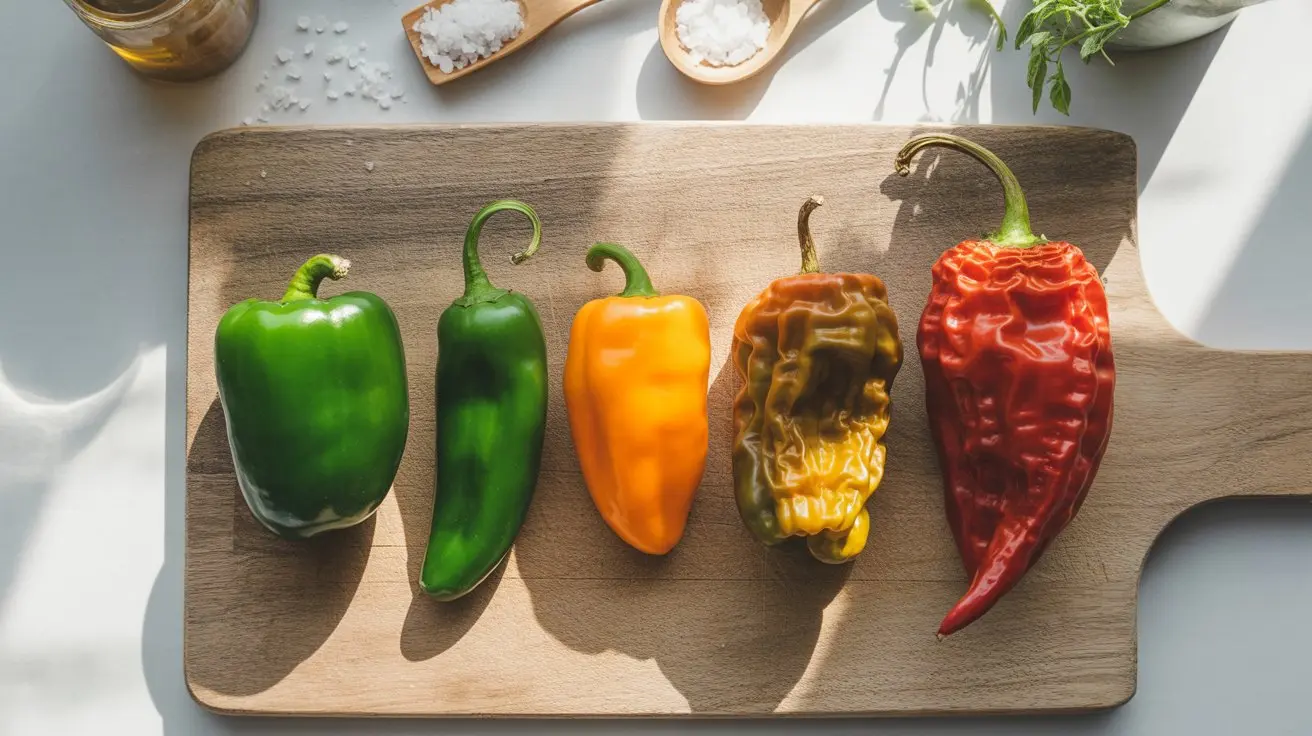
The fresh base is the Jalapeño, but not the green grocery-store stage most people know best. UC ANR guidance on smoked peppers notes that a ripe smoked-dried jalapeño is known as a chipotle.
That means you want red jalapeños with mature flavor and enough flesh to hold up through hours of smoke and drying.
If you start with green fruit, the result may still be usable, but it will not carry the same sweet-smoky depth that defines a good Chipotle. The goal here is not merely smoking peppers.
It is turning ripe jalapeños into a stable dried ingredient with the right smell, texture, and storage life.
| Starting pepper | Works for chipotles? | What changes |
|---|---|---|
| Red ripe jalapeños | Best | Classic sweet-smoky chipotle flavor |
| Mostly red jalapeños | Good | Still works, but flavor can be slightly less deep |
| Green jalapeños | Not ideal | Less sweetness and less true chipotle character |
| Other peppers | No | Can make smoked dried chiles, but not chipotles |
This is also where the overlap boundary begins. If your real goal is only a dry spice, that is the next step in how to make chipotle powder.
First you make chipotles.
Then, if needed, you grind them later.
How should you prep jalapeños for smoking?
Before the smoker even matters, your prep has to support drying. Wash the ripe jalapeños, remove anything bruised or soft, and dry the surface well.
Moisture sitting on the outside only slows the first stage and can turn smoke into a damp stale note instead of a clean one.
Leave the peppers whole if they are small and healthy, especially when you want a more traditional dried form. Larger jalapeños can be slit once to help moisture leave more evenly, but do not cut them into broad roasting pieces.
The point is to smoke and dry the pepper, not collapse it into strips.
Stems can stay on during smoking if they are clean and intact. They make handling easier while the peppers shrink.
You can remove them later when the pods are fully dried and easier to sort for storage, powder, or adobo use.
Best prep choice: sort for size before you smoke. A tray of similar-size jalapeños dries more evenly than a batch that mixes tiny ripe pods with oversized thick-walled ones.
If you skip that sorting step, the small peppers finish first while the large ones stay soft inside. That is how people end up thinking they made chipotles when half the tray is still only half-preserved.
What temperature should you smoke chipotles at?
UC ANR smoked-pepper guidance recommends smoking peppers in a clean smoker for two to three hours at a temperature no hotter than 140°F, then finishing the drying process. That is the key upstream contract.
Chipotles are both smoked and dried.
If the chamber gets too hot too early, you start roasting the jalapeños instead of preserving them.
Low heat matters more than aggressive smoke. You are trying to remove moisture gradually while laying smoke onto the fruit.
A heavy hot fire can wrinkle the outside quickly while leaving too much internal moisture behind.
The pods may look dark enough, but they will not store like true dried peppers.
For home batches, think in stages:
- First stage: smoke at low temperature so the jalapeños take on wood flavor without collapsing.
- Second stage: keep drying until the pods become dark, leathery, and much lighter in weight.
- Third stage: cool them fully and test texture before storage.
That sequence is what separates this page from a generic grilling project. If you want open-flame blistered skins for immediate use, that is closer to roasting red peppers.
Chipotles need a preservation finish, not just smoky surface flavor.
When are the peppers finished drying?
Oregon State Extension notes that dried peppers can be stored after they become tough to brittle depending on the type. Chipotles usually finish on the leathery end before they become fully brittle, especially morita-style pods that keep a little more pliability than very dry powders do.

What matters is that the interior is no longer holding soft fresh moisture.
A good finished chipotle should feel dramatically lighter than the fresh pepper you started with. The skin should be dark and wrinkled.
The flesh should bend with resistance or crack, not feel juicy or soft.
If you tear one open and still find a wet fresh center, the batch is not done.
This is where the process meets drying peppers at home, but chipotle has its own marker: smoke should still read first when you split a finished pod. If the smell is mostly cooked pepper and not smoked dried jalapeño, the batch likely ran too hot or too wet for too long.
The finish line is not a clock. It is a texture test.
Two batches can take different total times because wall thickness, fruit size, humidity, and smoker airflow all change the drying rate.
Fastest doneness check: cool one pepper completely before judging it. Warm peppers can feel softer than they really are and trick you into under-drying the batch.
How should you store homemade chipotles?
Once the peppers are dry, cool them completely before sealing anything. Oregon State Extension recommends moisture-resistant packaging in a cool, dry, dark place for dried peppers, and that applies directly here.
Sealing warm pods traps condensation, which undoes the whole preservation job.
The smartest default is to store the chipotles whole first. Whole dried peppers hold their character longer than ground spice, which is one reason turning chipotles into powder is better as a later choice than an automatic next step.
You can also rehydrate or sauce them later depending on the batch.
If you want a wet use right away, chipotles can move into adobo-style applications or hot sauce projects after rehydration. If you want pantry flexibility, leave them whole and portion them out as needed.
That usually gives you more control than committing the whole batch to one form on day one.
The storage rule is simple: if a pod still feels suspiciously soft after cooling, do not jar it with the finished batch. Dry it longer or separate it.
One under-dried pepper can drag moisture into the whole container.
Troubleshooting chipotles: what went wrong and where to fix it
Most failed chipotle batches trace back to one of four introduction points: wrong harvest stage, smoker too hot, not enough drying time, or sealing before the peppers cooled fully.
| If your batch does this | The likely cause | Best correction layer |
|---|---|---|
| Tastes smoky but not sweet or deep | Started with green or under-ripe jalapeños | Wait for red ripe fruit next time |
| Looks dark outside but feels soft inside | Smoked enough for color but not dried enough for storage | Extend drying, not just smoke exposure |
| Tastes stale or bitter | Dirty smoke, overheated chamber, or old fruit | Use cleaner low smoke and better peppers |
| Gets condensation in the jar | Sealed before fully cool or fully dry | Cool completely and re-check texture before packing |
The main thing to understand is that chipotle is a preservation method, not just a flavor effect. If the peppers are smoky but still hold too much moisture, the process is incomplete.
That is why this page stays separate from making hot sauce or other immediate-use pepper projects.
And if the batch finishes well but you want a smoother pantry format, that is when the next step belongs to chipotle powder from finished dried pods. Do not solve a half-dried batch by grinding it early.
That only hides the problem for a moment.