How to Make Chipotle Powder Without Flat Flavor or Dusty Heat
The cleanest chipotle powder starts with fully dried chipotles that still smell smoky and flexible enough to inspect, but dry enough to grind cleanly. Most mistakes happen when people grind stale pods, overheat the batch in the grinder, or confuse chipotle powder with generic chili powder or smoked paprika.
Which peppers should you use for chipotle powder?
Chipotle powder only works when the base ingredient already tastes like chipotle. That sounds obvious, but this is where a lot of weak batches begin.
A chipotle is a smoked dried jalapeno, not just any red dried pepper with a little heat.
If the pod is missing that deep smoke note before you grind it, the powder will not magically gain it later.
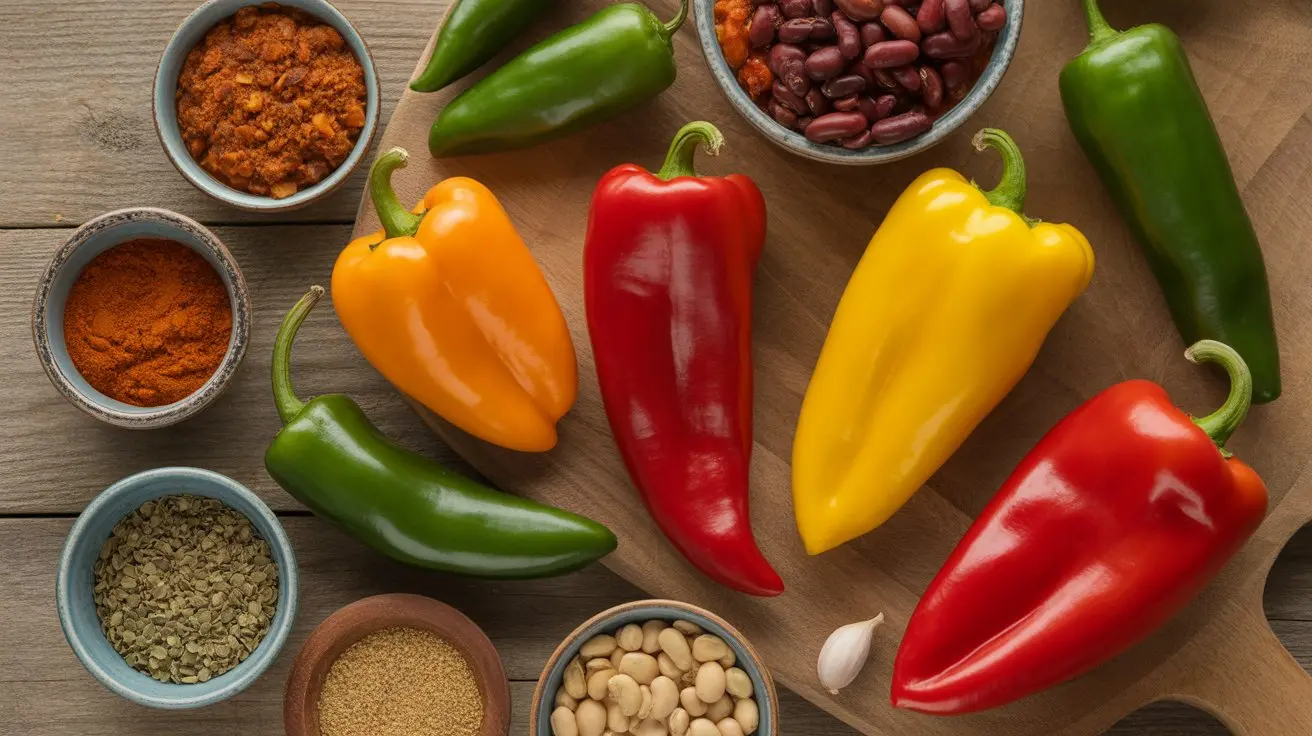
The quickest useful reset is to think in ingredient stages. Fresh Jalapeño comes first.
Then the pepper becomes Chipotle only after smoke-drying changes the pepper's moisture, sweetness, and aroma.
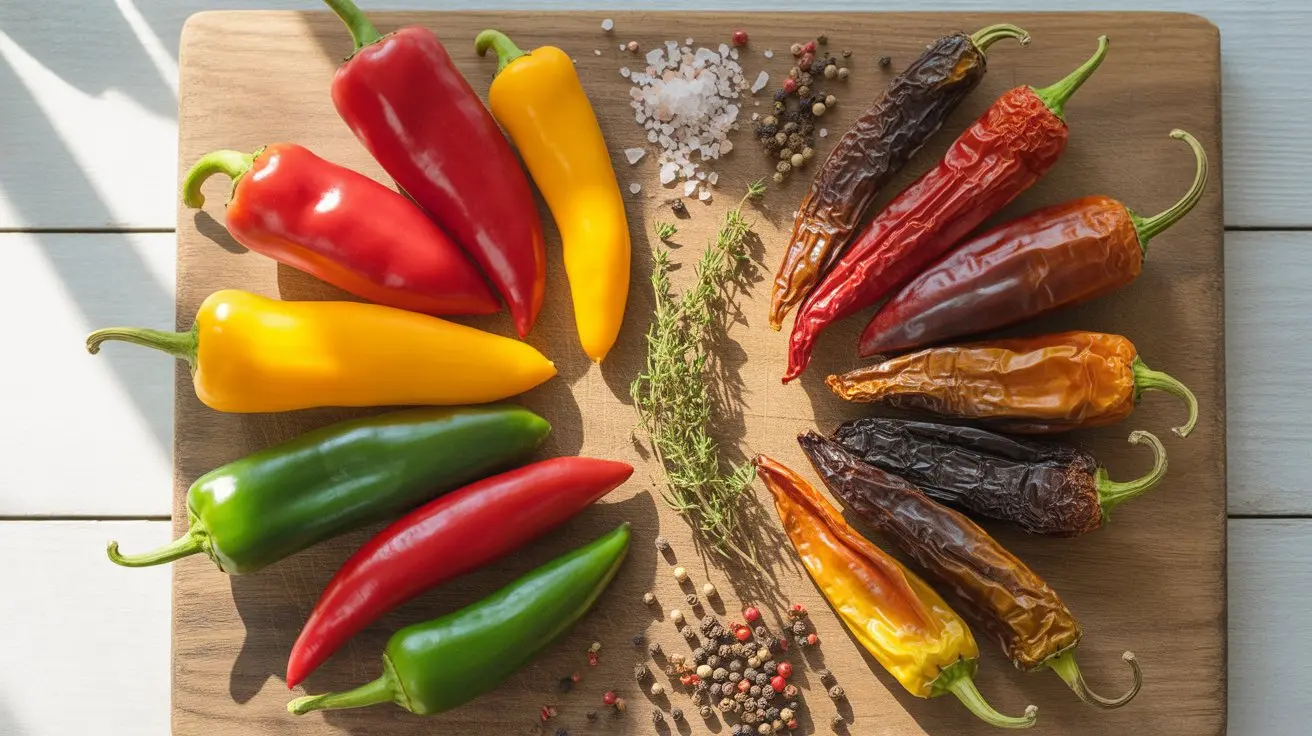
If you want to understand that transformation more broadly, fresh versus dried pepper flavor changes is the right background page.
This guide begins after you already have dried chipotles in hand. If you are still at the stage of smoking and drying ripe jalapenos, the process belongs upstream in how to make chipotle peppers.
Powder is the finishing step, not the whole project.
| Starting material | Works for chipotle powder? | Why |
|---|---|---|
| Dried chipotles | Best | Already has the smoke-dried jalapeno identity the powder needs |
| Fresh jalapenos | No | Need smoking and drying first |
| Other smoked peppers | Sometimes | Can make a good smoked chile powder, but not true chipotle powder |
| Plain dried red chiles | No | Lack the jalapeno-plus-smoke profile |
The overlap boundary matters here. This is not a generic paprika-making process, and it is not the same job as chipotle powder versus chili powder differences.
The goal is a smoky powder from finished chipotles, with enough control that the result stays useful in the kitchen instead of turning muddy.
How dry should chipotles be before grinding?
Oregon State Extension notes that dried peppers can be ground and used as a seasoning, and that dried peppers should be tough to brittle when done. That is a useful practical line for chipotles too.
You want peppers dry enough to grind cleanly and store safely, but not so old that the smoke note has already faded into generic dust.
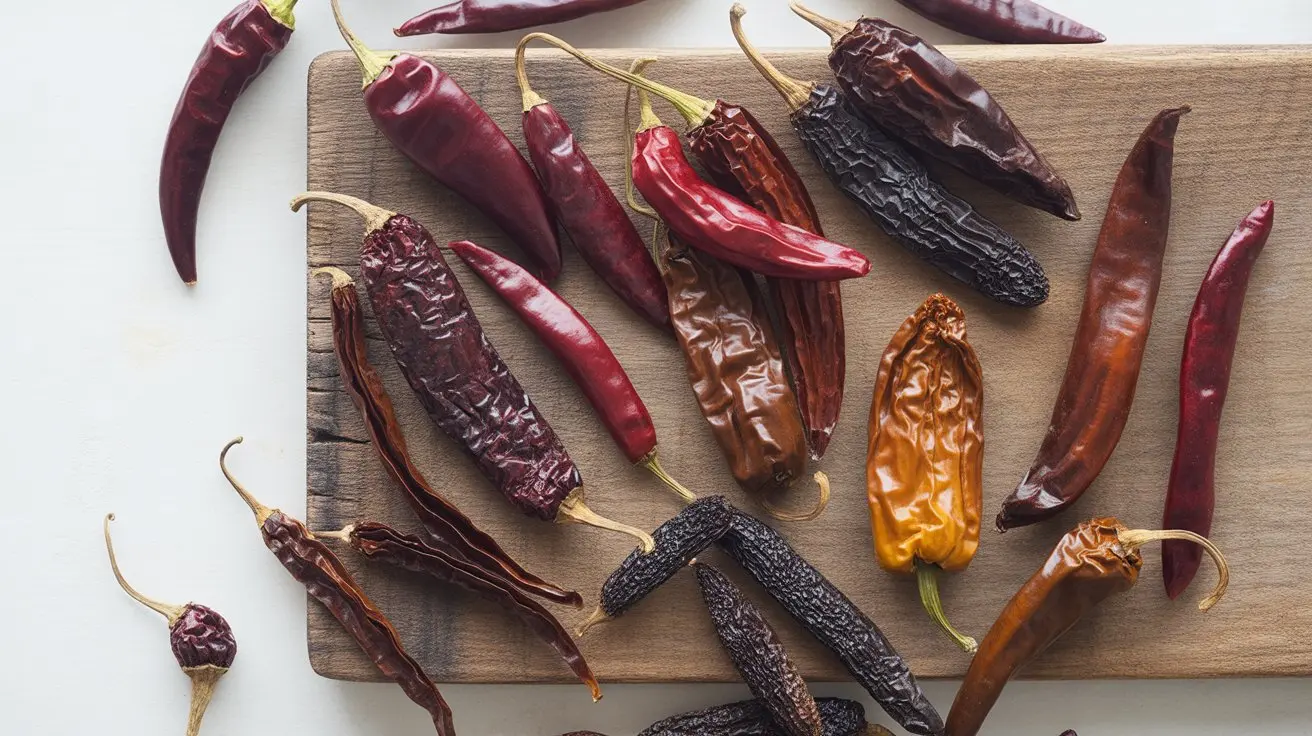
Good chipotles usually feel leathery-dry, wrinkled, and light for their size. They should break or tear with pressure, not bend like fresh fruit.
They should also smell alive.
If the bag gives you almost no aroma when opened, the powder is already starting from behind.
Before grinding, remove any stems and shake out any loose debris. Seeds are optional.
Keeping them raises total yield and preserves a little more heat, but it can also give you a slightly rougher powder texture.
If you want a smoother, more even powder for rubs and sauces, pull out the densest seed clusters first.
Best pre-grind test: tear one pod open and smell it before you process the batch. If the smoke and dried-fruit note are weak at pod level, the finished powder will stay weak too.
The judgment here is simple: if the pod itself tastes balanced, the powder step is worth doing. If the pod tastes stale, flat, or dusty, save your grinder and start with better chipotles.
How do you grind chipotles into powder?
The easiest way to make bad chipotle powder is to overload the grinder and let it run too long. Dried peppers break down fast, and friction heat comes in faster than people expect.
A short pulse gives you a more aromatic powder than a long hot run that cooks the spice inside the grinder cup.
Work in small batches. Break large pods into pieces first so the grinder does not spend its first few seconds just fighting structure.
Then pulse, stop, shake the grinder, and pulse again until you reach the texture you want.
This is one of those cases where a minute of patience protects more flavor than brute force does.
UC ANR's drying guidance notes that dried peppers can be crumbled or turned into a powder to use as a seasoning. That sounds basic, but it points to the real decision: not every batch needs to become an ultra-fine powder.
Some uses benefit from a slightly coarse grind that behaves more like a smoky chile flake.
- Use a finer grind for sauces, mayo mixes, and smooth spice blends.
- Use a medium grind for dry rubs and taco seasoning where a little texture helps.
- Use a coarser grind if you want chipotle flavor that stays visible in beans, stews, or roasted vegetables.
If you need an exact comparison point, the texture question sits closer to chipotle powder vs smoked paprika than to ordinary cayenne or paprika. Chipotle carries both smoke and jalapeno sweetness, so a too-fine stale grind can erase the thing that makes it distinct.
Is chipotle powder the same as smoked paprika?
This is where kitchen drift happens. A lot of cooks treat any red powder as interchangeable once it lands in a jar.
Chipotle powder is not there to replace every chili powder, and it is not just a hotter smoked paprika.
The base pepper is different, the smoke character is different, and the heat reads differently. Paprika pepper identity aims at color and mild sweetness first. Chipotle powder starts from smoked jalapenos, so it arrives darker, earthier, and more assertive even when the heat level is still moderate by Scoville scale measurement terms.
That is why chipotle powder works so well in dishes that need both smoke and a little rounded heat: chili, adobo-style sauces, rubs, roasted vegetables, bean dishes, and creamy sauces that would taste one-dimensional with plain heat alone. If the real job is just red color, paprika is usually cleaner.
If the real job is neutral heat, another chile powder may be a better fit.
That boundary matters because it tells you whether your batch succeeded. If the finished powder mostly tastes like generic dusty heat, you either started with weak chipotles or ground away the aromatic edge.
Good chipotle powder should still smell unmistakably like smoked peppers the moment you open the jar.
How should you store chipotle powder?
Oregon State Extension recommends storing dried peppers in moisture-resistant packaging in a cool, dry, dark place. That same logic applies once the peppers become powder, and the need becomes even more obvious because ground spices lose aroma faster than whole dried pods.
Glass jars with tight lids work well if you are using the powder regularly. For longer storage, small jars beat one large jar because you expose less of the batch to air each time you cook.
Light, warmth, and humidity flatten smoke notes quickly, which is exactly the flavor loss you are trying to avoid.
If you make a large batch, one of the smartest moves is not grinding all of it. Leave some chipotles whole and only powder what you expect to use soon.
That mirrors the same small-batch logic behind making paprika at home: whole dried peppers usually hold their character longer than pre-ground spice.
Good storage rule: if the jar no longer gives a clear smoke smell when opened, the powder may still be safe, but it is no longer doing the full chipotle job.
That is the practical difference between shelf life and useful life. The powder can last longer than its best flavor window, but once the smoke fades, you are no longer getting the payoff that justified making chipotle powder in the first place.
Why does the powder taste flat, harsh, or weak?
Most chipotle-powder problems trace back to one of four things: weak starting peppers, incomplete drying, over-grinding, or poor storage.
| If your powder does this | The likely cause | Best correction layer |
|---|---|---|
| Tastes flat and barely smoky | Old chipotles or too much air/light exposure | Start with fresher dried pods and store in smaller sealed jars |
| Clumps in the jar | Pods were not dry enough or humidity got in | Dry the peppers further before grinding and keep storage fully moisture resistant |
| Tastes harsh or dusty | Overheated grind or too much seed and membrane bitterness | Pulse in smaller cooler batches and adjust how many seeds you keep |
| Does not taste like chipotle | Wrong starting pepper | Use true smoked dried jalapenos, not a random smoked chile |
The key fix is upstream. If the problem began with stale chipotles, no trick at the grinder stage will rescue the batch.
If the problem began with moisture, the solution is drying and storage discipline, not adding more spice to hide it.
And if you end up short on powder mid-recipe, that is the right moment for chipotle powder substitute options, not a reason to pretend every smoked red powder behaves the same. The whole value of this page is learning where that equivalence stops.