Chipotle Powder or Smoked Paprika? Choose by the Job
Choose chipotle powder when a dish needs smoke plus noticeable chile heat. Choose smoked paprika when it needs a clear red color, pepper sweetness, and gentler smoke. For a swap, start chipotle at one quarter of the smoked paprika amount, or use smoked paprika 1:1 and correct missing heat separately.

Chipotle Powder
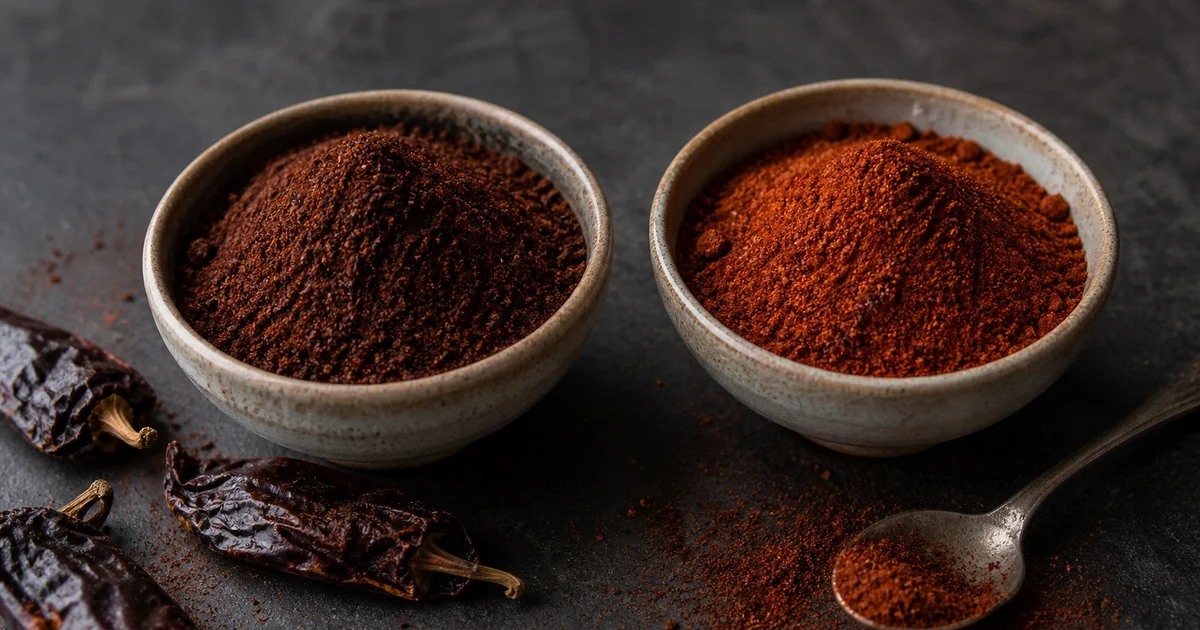
Smoked jalapeno powderSmoked Paprika
Smoked paprika powder- Pepper base: Ripe red jalapeno that is smoke-dried vs Ripe red paprika peppers that are smoke-dried
- Label clue: Chipotle, morita, meco, or smoked jalapeno vs Sweet, bittersweet, or hot smoked paprika
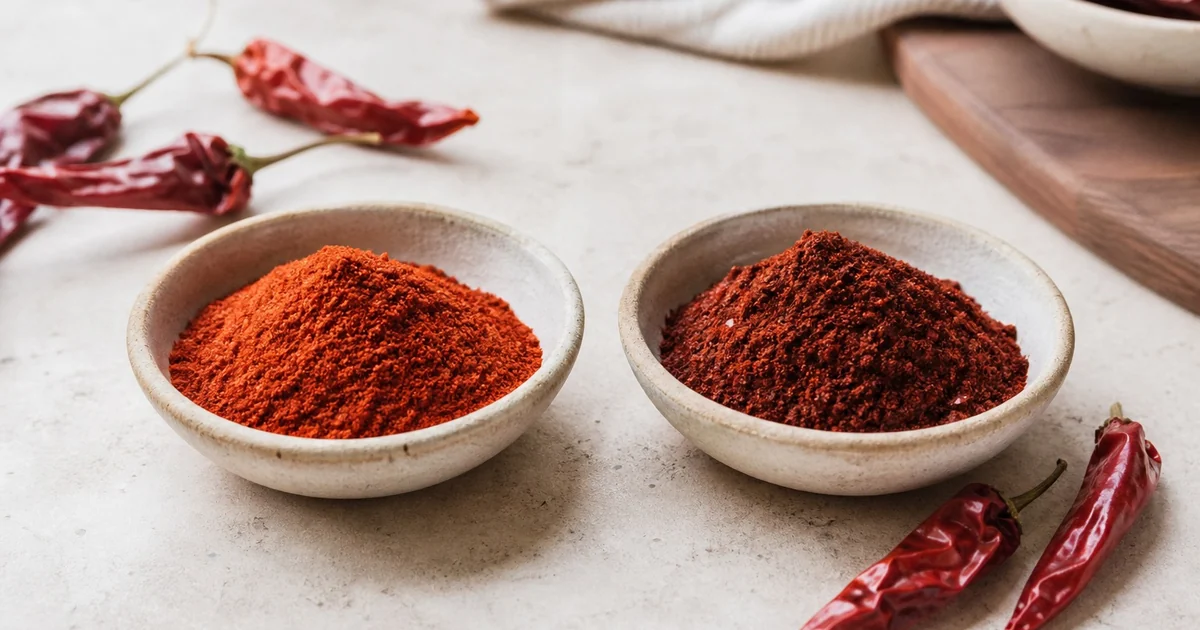
- Color in food: Brown-red and deeper in dark sauces vs Clear deep red in oil, potatoes, eggs, and cream
Chipotle Powder vs Smoked Paprika at a glance
| Attribute | Chipotle Powder | Smoked Paprika |
|---|---|---|
| Best first choice | Smoke plus noticeable chile heat | Smoke, red color, and little heat |
| Pepper base | Ripe red jalapeno that is smoke-dried | Ripe red paprika peppers that are smoke-dried |
| Label clue | Chipotle, morita, meco, or smoked jalapeno | Sweet, bittersweet, or hot smoked paprika |
| Color in food | Brown-red and deeper in dark sauces | Clear deep red in oil, potatoes, eggs, and cream |
| First swap move | Use 1/4 as much when replacing smoked paprika | Use 1:1 for smoke and color, then correct heat separately |
Chipotle Powder and Smoked Paprika side by side
Use when chile heat must arrive with the smoke.
Use when smoke and color matter more than chile heat.
Which Should You Use, Chipotle Powder or Smoked Paprika?
Choose chipotle powder when smoke must arrive with chile heat, while smoked paprika fits a red base, gentle sweetness, and smoke that does not control every bite.
Fast decision: chipotle leads in chili, beans, barbecue sauce, and smoky mayonnaise. Smoked paprika fits potatoes, eggs, chicken, fish, rice, and pale sauces when color matters as much as aroma.
The United States Department of Agriculture National Organic Standards Board petition defines chipotle as a smoke-dried red jalapeno with a smoky, slightly sweet character. That jalapeno base is why even a small spoonful can change both flavor and heat.
McCormick describes its smoked paprika as paprika that contributes rich color with smoke, and its ingredient line lists paprika rather than a hot-chile blend. This makes smoked paprika the safer first choice when several people need to share the same dish.
Read The Ingredient Line Before Comparing
The ingredient line settles whether the two jars are comparable. A pure chipotle powder should identify chipotle, morita, meco, or smoked jalapeno, while a jar containing cumin, oregano, garlic, or salt is a seasoning blend with a different job.
The European Union specification for Pimenton de la Vera names fully ripe red Jaranda, Jariza, Jeromin, and Bola peppers dried with oak, holm oak, or cork oak smoke. It also separates the finished spice into sweet, bittersweet, and hot categories.
That category word matters more than the front-label color. Sweet smoked paprika and hot smoked paprika can look equally red, yet one mainly changes aroma and the other can contribute a clear pepper bite.
Compare a jar labeled chili powder separately because American chili powder commonly combines ground chile with seasonings instead of supplying one pure smoky pepper.
Is Chipotle Powder Hotter Than Smoked Paprika?
Chipotle powder is normally the hotter choice, although jalapeno ripeness, chipotle form, milled tissue, and paprika category make a universal heat ratio misleading.
The USDA petition ties chipotle to ripe red jalapenos, so the powder carries the heat of that chile as well as smoke. The European Union specification explicitly allows hot Pimenton de la Vera, which means smoked paprika cannot be assumed mild without reading the category.
For a shared meal, measure the first chipotle addition at 1/8 teaspoon and stir it through the full batch before judging. For smoked paprika, begin with the recipe amount unless the label says hot, then treat it as a heat-bearing ingredient.
Fat and starch change how the heat feels without removing capsaicin. Beans, mayonnaise, yogurt, potatoes, and braised meat distribute a small chipotle dose more evenly than a dry garnish on eggs or hummus.
Which Is Better for Pale Sauces and Red Color?
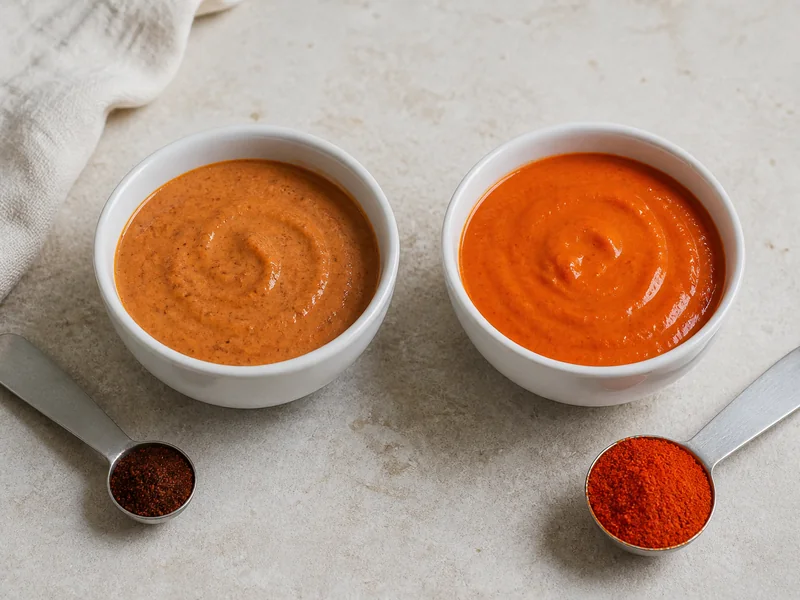
A pale sauce exposes the visual cost of chipotle first. Its brown-red powder can make cream, queso, or aioli look dull before the smoke level is high enough, while smoked paprika builds a clearer red-orange color.
The European Union specification calls Pimenton de la Vera deep red, shiny, and strongly coloring, especially for the Ocales group. That documented color strength explains why a small paprika addition can change the appearance of oil, rice, or potatoes without requiring chipotle-level heat.
Use smoked paprika as a red, mild finishing dust, while chipotle belongs inside a dark sauce, bean pot, or braise where its brown tone fits and its heat can disperse.
If the recipe needs bright color and a hot finish, assign those jobs separately. Build the red base with smoked paprika, then add chipotle in a measured fraction rather than asking one powder to supply both effects.
Bloom The Powder After The Pan Has Moisture
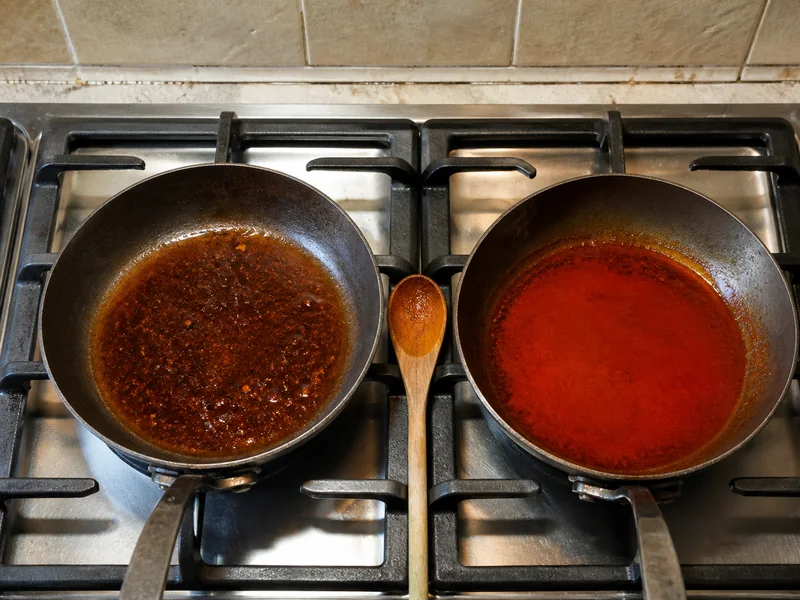
In a pan, smoked paprika releases red color quickly in fat, while chipotle darkens the mixture and makes its heat easier to distribute.
- Cook the onion, garlic, tomato, or other wet base first.
- Lower the heat and clear a small space in the pan.
- Add the powder with one teaspoon of oil and stir for 10 seconds.
- Add broth, tomato, or another liquid as soon as the aroma opens.
Stop if the powder turns nearly black or smells acrid. More sugar, salt, or smoke cannot remove a scorched flavor, so discarding that teaspoon-sized test is cheaper than carrying bitterness through the whole dish.
Dry rubs use a different safeguard. Mix each teaspoon of smoky powder through at least 2 tablespoons of the other rub ingredients before coating the food, which prevents one patch from holding most of the smoke and heat.
Match The Powder To What Carries It
Broth, starch, fat, and surface area decide whether smoke feels integrated or abrupt. Choose from the food that carries the powder rather than from the word smoky alone.
| Dish structure | Better first choice | Why | First adjustment |
|---|---|---|---|
| Chili, black beans, or braised beef | Chipotle powder | Dark sauce and long cooking distribute heat | Start with 1/4 teaspoon per 4 servings |
| Potatoes, rice, eggs, chicken, or fish | Smoked paprika | Red color and smoke remain visible without forcing heat | Start with 1 teaspoon per 4 servings |
| Mayonnaise, crema, or yogurt | Smoked paprika plus a little chipotle | Fat carries aroma and makes a measured hot edge easy to spread | Use a 4:1 paprika-to-chipotle blend |
| Barbecue sauce or a beef rub | Chipotle powder | The sauce or meat can carry assertive smoke and heat | Mix it through the full rub before coating |
| Hummus, deviled eggs, or a pale garnish | Smoked paprika | The clean red finish matters and a hot patch is undesirable | Dust lightly after plating |
The cuisine can narrow the choice further. The European Union specification connects Pimenton de la Vera to the La Vera production area and its oak-smoke method, making it the direct fit for Spanish applications where paprika color and aroma are expected.
Chipotle belongs naturally in adobo, smoky beans, barbacoa-style braises, and Mexican-influenced salsas because the smoked jalapeno itself supplies the chile character. Serious Eats likewise treats chipotle as a smoke-dried chile rather than a neutral smoke seasoning.
Can You Substitute Chipotle Powder for Smoked Paprika?
A clean substitution starts by naming what the missing powder supplied. Smoke, heat, red color, and sweetness do not move together, so a one-spoon-for-one-spoon exchange often corrects one axis and breaks another.
When chipotle replaces smoked paprika, begin with one quarter of the stated amount. Add plain sweet paprika for missing red color, then increase chipotle in 1/8 teaspoon steps only after it has been stirred through the whole dish.
When smoked paprika replaces chipotle, use the same measured amount to restore smoke and color. Add cayenne separately in a pinch-sized amount only when the dish still lacks heat, because the paprika should not be increased until the smoke becomes heavy.
| Missing ingredient | Start with | Evaluate | Correct next |
|---|---|---|---|
| 1 teaspoon smoked paprika | 1/4 teaspoon chipotle powder | Heat after two bites and color in the finished sauce | Add sweet paprika for color or another 1/8 teaspoon chipotle for heat |
| 1 teaspoon chipotle powder | 1 teaspoon smoked paprika | Smoke and red color after simmering | Add a small pinch of cayenne only for missing heat |
| Hot smoked paprika | 3/4 teaspoon sweet smoked paprika | Smoke and color first | Add chipotle 1/8 teaspoon at a time for heat |
Adobo-style sauce is an exception because powder alone cannot rebuild the chile flesh, acidity, and body handled by a dedicated chipotle-in-adobo method.
Can You Use Chipotle Powder and Smoked Paprika Together?
Some dishes need both jars, with smoked paprika giving potatoes, chicken, creamy dips, and barbecue rubs a stable red foundation before chipotle adds a smaller hot edge.
Start with 4 parts smoked paprika to 1 part chipotle powder. For a small batch, that means 1 teaspoon smoked paprika plus 1/4 teaspoon chipotle, mixed before either powder touches the food.
Judge the blend only after it is distributed through the carrier. Add paprika when the dish needs more red color or gentle smoke, and add chipotle in 1/8 teaspoon steps when the smoke is present but the chile finish is missing.
Keep the blend out of the garnish shaker. A premixed jar hides which powder is driving a later correction, while separately labeled jars let the cook adjust color and heat independently.
How Can You Tell Whether Each Powder Is Still Fresh?
Aroma usually weakens before a dry spice becomes unsafe. Open the jar and look for a clear smoke note within a few seconds, then check whether the color still matches the powder named on the label.
Fresh chipotle powder should smell smoky with a distinct dried-chile edge, consistent with the USDA petition's description of smoke-dried red jalapeno. Smoked paprika should smell smoky and pepper-sweet, while the McCormick product example shows why the ingredient line still needs checking for anti-caking agents or added seasonings.
Replace a dusty, weak, or hard-clumped jar, and discard any powder with visible mold, insect activity, or a damp musty odor.
Store both jars tightly closed in a cool, dark cabinet away from the stove. Buy the smallest size that fits normal use, because repeated heat, light, air, and steam exposure weaken the aroma that makes either powder worth choosing.
Chipotle Powder vs Smoked Paprika
Reach for Chipotle Powder when you want Smoke plus noticeable chile heat.
Reach for Smoked Paprika when you want Smoke, red color, and little heat.