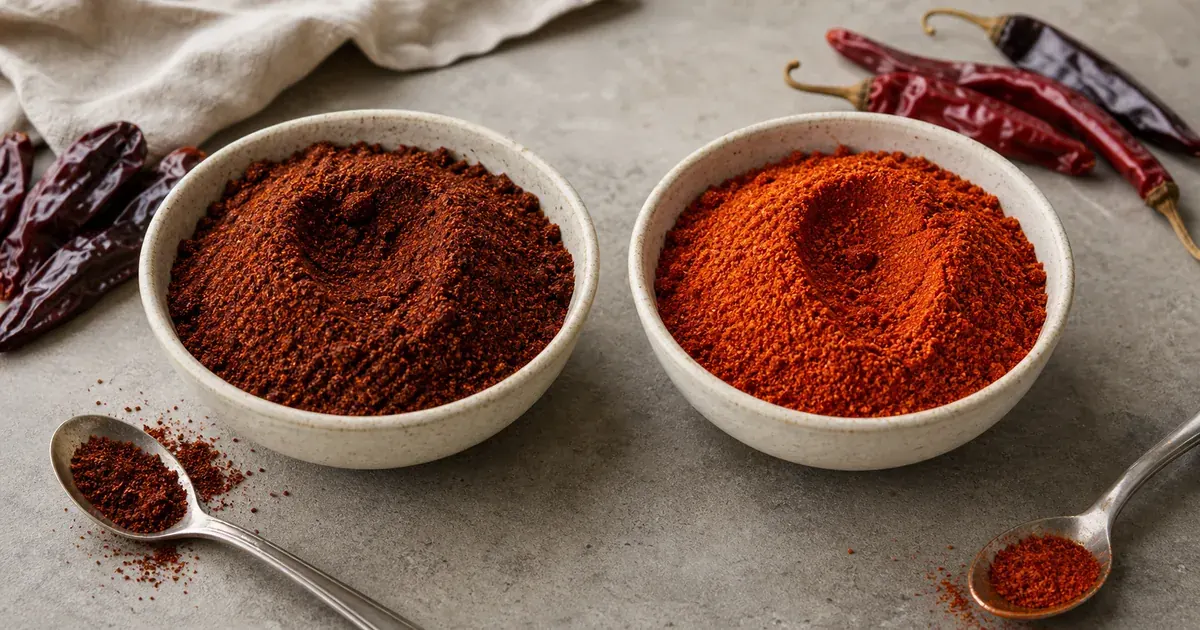
Chipotle Powder or Chili Powder? Read the Label First
Chipotle powder is usually one ground smoke-dried jalapeno, while many U.S.-style chili powders combine ground chile with spices, garlic, and sometimes salt. Choose chipotle for a distinct smoke layer and chili powder for a complete seasoning base, then read the ingredient panel before using any substitution ratio.

Chipotle Powder
One smoked chileChili Powder
Seasoning blend- Ingredient pattern: One ground smoked chile, sometimes anti-caking agent vs Ground chile plus spices, often garlic and salt
- Lead flavor: Wood smoke and ripe jalapeno vs Earthy chile with a rounded spice base
- Heat control: More concentrated and easier to overshoot vs Varies by formula and is often diluted by blend ingredients
Chipotle Powder vs Chili Powder at a glance
| Attribute | Chipotle Powder | Chili Powder |
|---|---|---|
| Front-label clue | Names chipotle or smoked jalapeno | Usually says chili powder or seasoning blend |
| Ingredient pattern | One ground smoked chile, sometimes anti-caking agent | Ground chile plus spices, often garlic and salt |
| Lead flavor | Wood smoke and ripe jalapeno | Earthy chile with a rounded spice base |
| Heat control | More concentrated and easier to overshoot | Varies by formula and is often diluted by blend ingredients |
| Best first choice | Beans, barbecue, mayo, corn, chocolate | Chili, taco filling, enchiladas, skillet meals |
| Forward swap | Start with 1/4 tsp per 1 tsp chili powder | Rebuild cumin, garlic, oregano, paprika, and salt |
| Reverse swap | Use chili powder in hearty foods | Hold duplicate spices, then restore smoke if needed |
| Freshness test | Smoke should rise immediately | Chile, garlic, and warm spices should remain distinct |
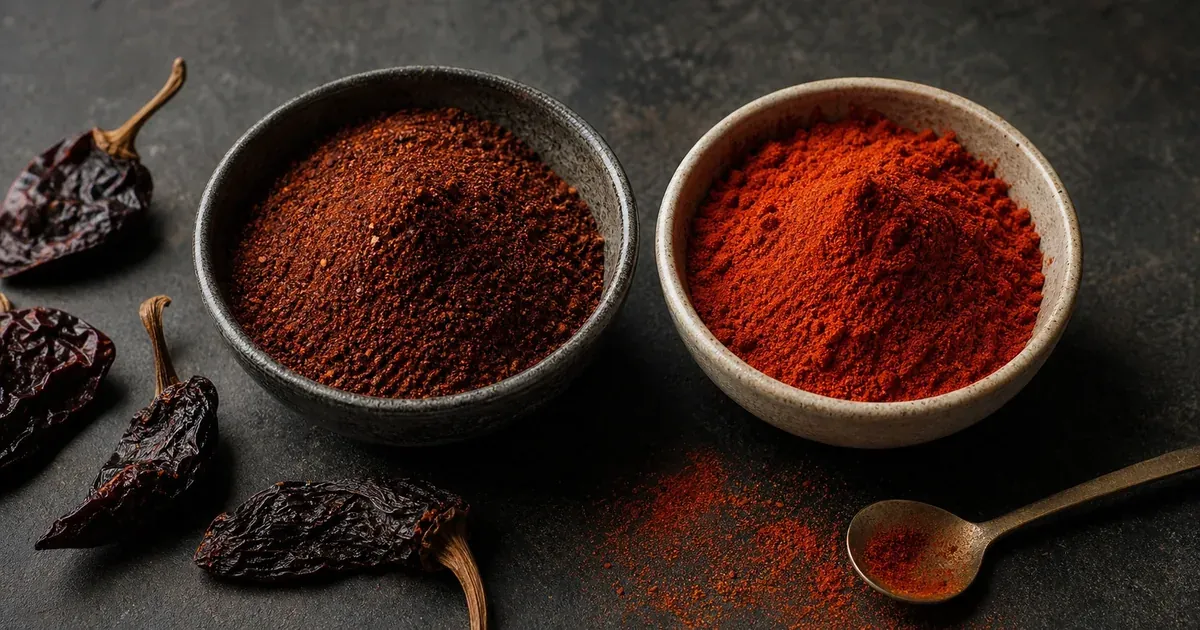
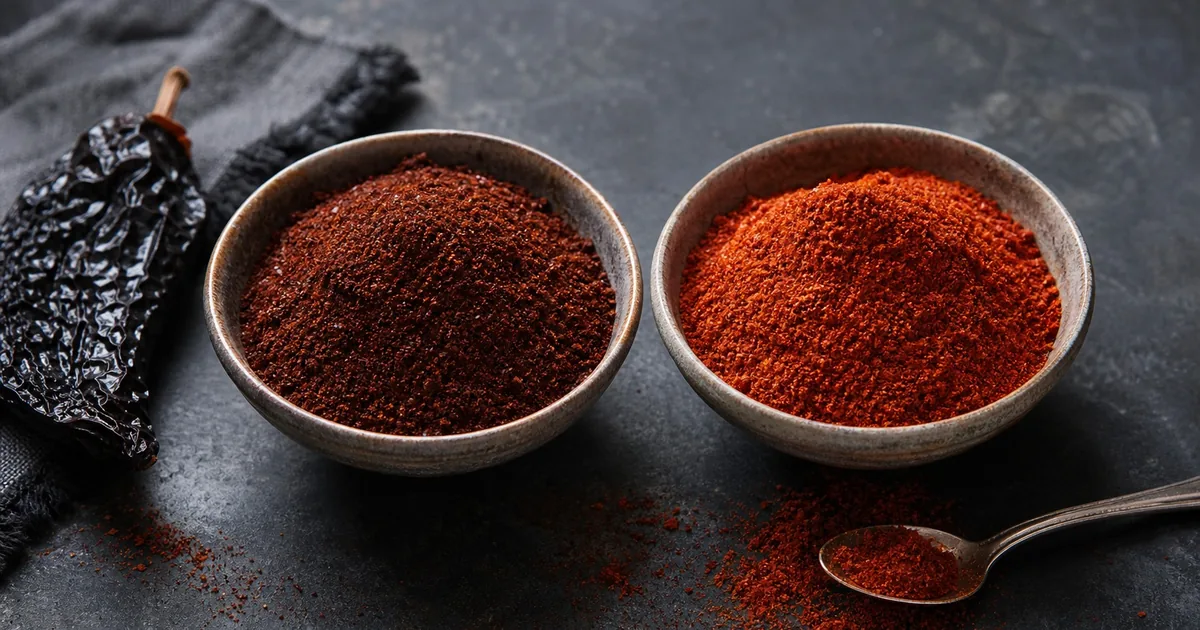
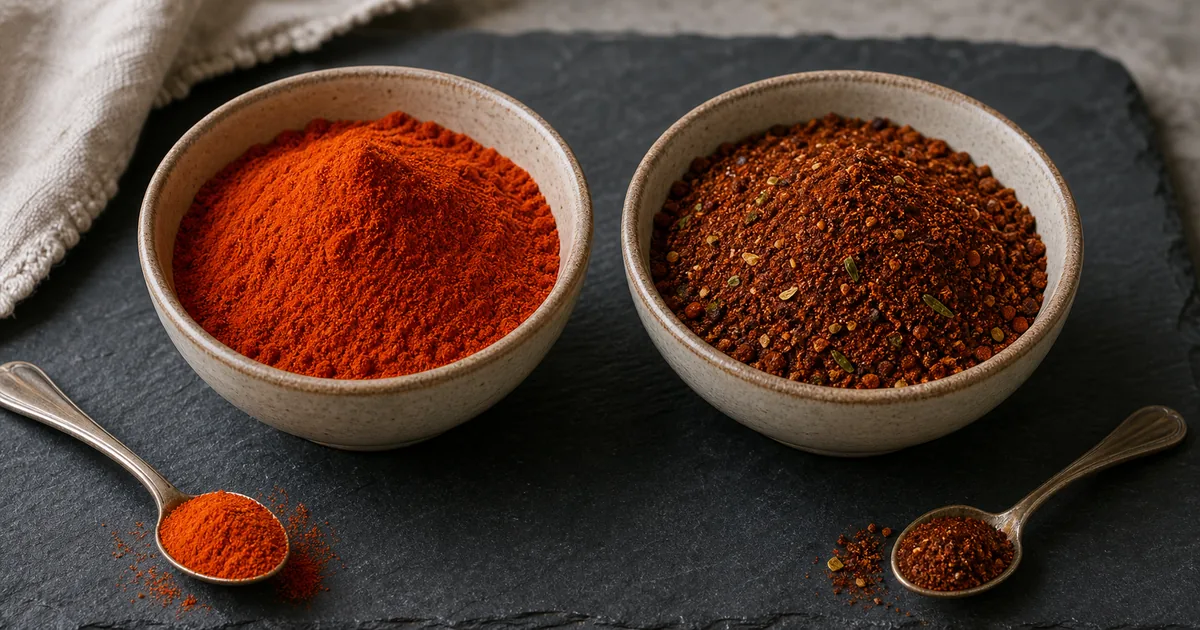
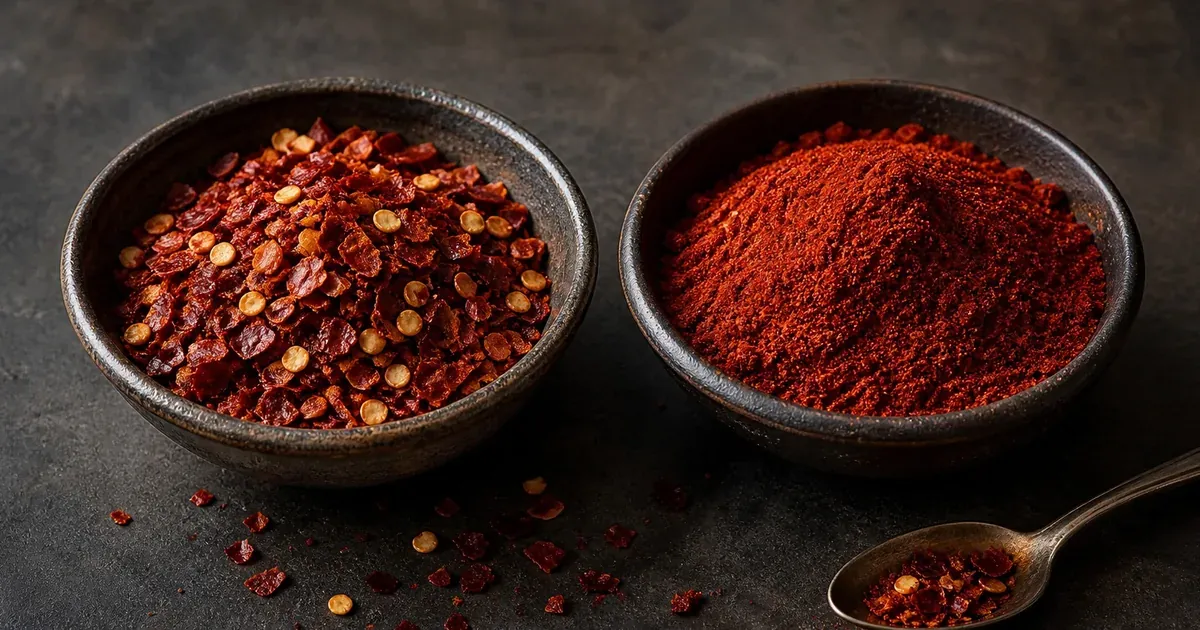
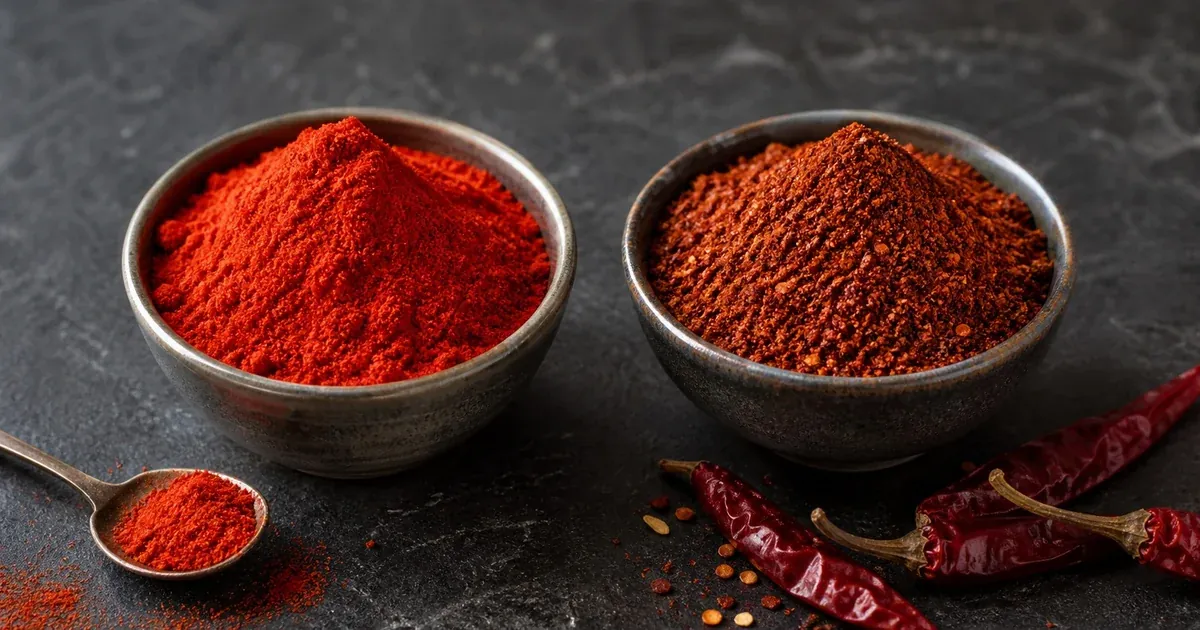
Chipotle Powder and Chili Powder side by side
Best when a seasoned base needs a distinct smoked-jalapeno layer.
Best when one spoon should provide broad chile, spice, and savory support.
What Is the Difference Between Chipotle Powder and Chili Powder?
Choose chipotle powder for smoke from one ground chile and chili powder for a ready-made base of ground chile plus supporting spices.
Since both jars can look rusty red or brown, the ingredient panel gives a more useful answer than the front color.
McCormick currently lists its Chipotle Chili Pepper as chili pepper plus silicon dioxide for flow, while its Chili Powder lists chili pepper, spices, salt, silicon dioxide, and garlic. That one-brand comparison demonstrates the category difference without proving that every company uses the same formula.
When a label says only “chile powder,” read its ingredients before applying a ratio because it may name a single chile such as ancho, guajillo, or chipotle.
What Is Chipotle Powder Made From?
Chipotle powder starts with ripe jalapenos that are smoke-dried and ground, which McCormick describes as smoky with moderate heat and El Guapo identifies as red-ripe jalapeno.
That origin matters because smoke is part of the chile rather than a separate flavoring added to a spice mix. Ground chipotle also brings ripe-pepper sweetness and jalapeno heat, but the smoke usually reaches the palate first.
Morita and meco can both become chipotle powder, with morita tending toward darker fruit and softer smoke while meco is more fully dried and smoke-forward.
The label may not name the chipotle style, which makes aroma the practical tie-breaker. Choose a fruitier jar for sauces and mayo, or a drier and heavier smoke for rubs, beans, and long cooking.
Since “spices” may hide a proprietary blend, note whether salt, garlic, cumin, oregano, onion, or paprika already appears before adding those ingredients elsewhere.
What Smoke Does To A Dish
Chipotle powder creates a distinct smoked-jalapeno line through the food, while chili powder spreads several quieter signals across the base. The first is an accent with heat, and the second is a compact seasoning system.
Fat carries chipotle smoke efficiently through mayonnaise, butter, oil, ground meat, and chocolate, so a modest dry spoon can define the whole mixture.
Water-heavy foods behave differently because beans, soup, and tomato sauce distribute the powder across a larger volume. Add chipotle early for integrated smoke or near the end when the aroma should remain more obvious.
Chili powder suits a dish that needs cumin, garlic, oregano, salt, and chile together, but it can double those flavors when the recipe already contains them.
Neither jar is automatically more complex. Chipotle supplies one deep, identifiable note, while a well-balanced chili powder can provide breadth without one spice announcing itself.
Which Dishes Need Chipotle Powder or Chili Powder?
The flavor gap decides the jar because taco filling may need a complete base while a finished taco sauce needs only a smoky correction.
Chipotle powder
Lead with smoke
Black beans, barbecue sauce, grilled corn butter, spicy mayonnaise, burger mix, roasted tomato salsa, chocolate, and a smoke-forward rub.
Chili powder
Build the base
Beef or bean chili, taco filling, enchiladas, skillet dinners, tomato sauces, rice, and a broad all-purpose rub.
Use both when the dish needs breadth and a clear smoke note. Chili powder can establish the base first, then chipotle can be added in small increments after the cumin, garlic, and salt are already visible.
Begin with a pinch in vinaigrettes, seafood, light soups, and fresh vegetables because either concentrated smoke or a full blend can cover the main ingredient.
For a creamy dip, chipotle is usually the cleaner choice when the base already contains salt and garlic. Chili powder may be better when plain yogurt or sour cream needs an entire savory seasoning profile.
Can You Substitute Chipotle Powder for Chili Powder?
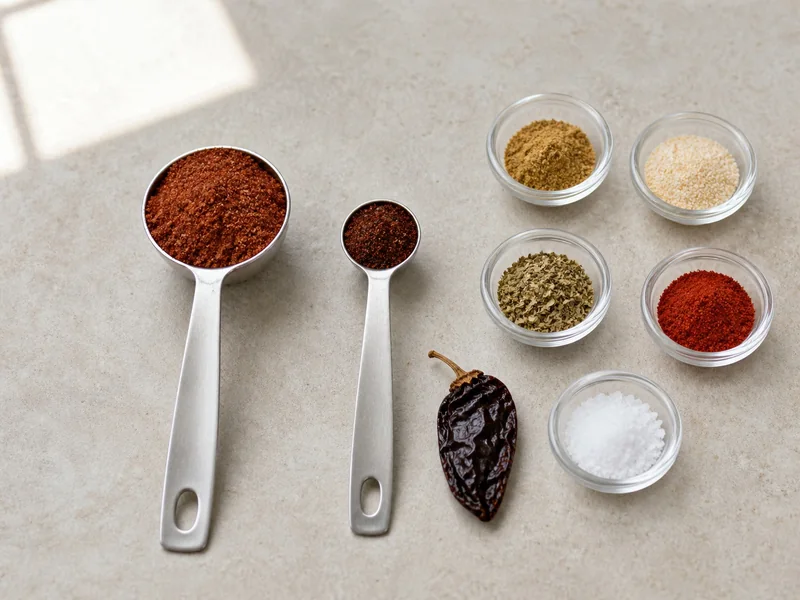
Replacing chili powder with chipotle removes more than volume because the blend may also supply garlic, cumin, oregano, paprika, and salt. Start with 1/4 teaspoon chipotle for every 1 teaspoon chili powder.
Raise chipotle to 1/2 teaspoon in a hearty pot only after tasting, then rebuild missing spices separately so smoke is not the only flavor increased.
The reverse swap risks the opposite problem. Begin with up to 1 teaspoon chili powder for 1 teaspoon chipotle in chili, beans, or ground meat, but hold any salt, garlic, cumin, or oregano already scheduled until the blend has been tasted.
After balancing the base, restore smoke with smoked paprika for less heat or adobo sauce for smoke, acidity, tomato, and salt together.
| Recipe asks for | You have | Starting move | Then check |
|---|---|---|---|
| 1 tsp chili powder | Chipotle powder | 1/4 tsp chipotle | Cumin, garlic, oregano, paprika, salt |
| 1 tsp chili powder in hearty food | Chipotle powder | Up to 1/2 tsp after tasting | Smoke before heat |
| 1 tsp chipotle powder | Chili powder | Up to 1 tsp chili powder | Duplicate salt and spices |
| A pinch in a delicate dish | Either powder | 1/8 tsp or less | Main ingredient still visible |
These controlled starting points still require a taste after each change because brand formulas, chile batches, and dish volume vary.
Is Chipotle Powder Hotter Than Chili Powder?
Chipotle powder often feels hotter because ground smoked jalapeno is not diluted by garlic, salt, and other spices. Smoke can also make the burn seem darker and more persistent even when the underlying chile remains in the jalapeno range.
Chili powder has no universal heat because ground chile and blend ratios vary, and McCormick describes its product by flavor rather than one category-wide Scoville value.
Check where salt appears in the ingredient list before increasing the dose. A blend can make a dish too salty before it reaches the smoke or heat of the requested chipotle.
For an unfamiliar jar, rest 1/8 teaspoon in 1 tablespoon warm neutral oil for one minute to expose smoke, heat, salt, and garlic without tasting irritating dry dust.
Never inhale over an open jar or shake it near the face because fine capsaicin-bearing particles can irritate eyes and airways.
Can You Use Chipotle Powder and Chili Powder Together?
Some recipes need chili powder and chipotle at separate moments. Add the blend early so its ground chile and spices bloom in fat, then reserve chipotle for the point when the cook can judge whether smoke is actually missing.
In black beans, chili powder can build the cumin-garlic background while a later quarter teaspoon of chipotle creates smoke without another full spoon of blend.
Barbecue rubs use the same layering logic in dry form. Chili powder spreads an earthy base, and chipotle can be increased independently when the meat or cooking fuel will support more smoke.
Chocolate, mayonnaise, and butter already have structure, so chipotle can stand alone while a complete blend may introduce unwanted garlic or cumin.
Layering is also the safest rescue when a chili tastes broad but anonymous. Add chipotle by the eighth-teaspoon, stir through the whole pot, and wait before deciding whether the smoke still disappears.
Building A Rub
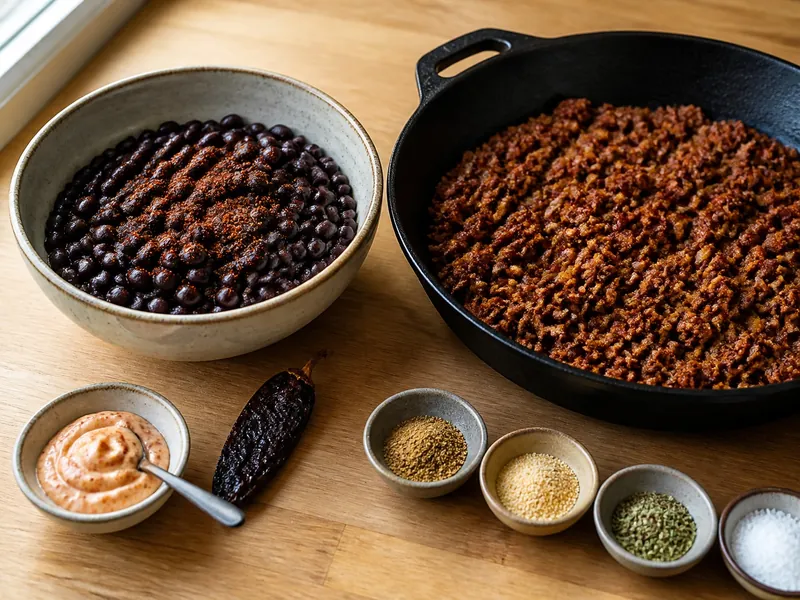
A useful rub gives each powder a separate lever instead of making one replace the other. Start with 2 tablespoons chili powder and 1/2 teaspoon chipotle powder for a broad, smoke-supported base.
Read the chili-powder label before adding salt, then choose brown sugar, paprika, black pepper, or garlic for the meat and cooking method.
For chicken or vegetables, keep chipotle at the half-teaspoon start so smoke does not bury the food. Beef, pork shoulder, and mushrooms can usually carry a stronger second addition after a pinch of the raw rub is evaluated in oil.
Use a thinner rub over very hot grates or gentler indirect heat because direct heat can scorch sugar and fine chile powder.
Storage And Making Your Own
Store both powders tightly closed in a cool, dark, dry cabinet away from steam above the stove. Moisture causes clumping, while heat and repeated air exposure flatten the aromas that distinguish the jars.
Use the Best By date as a quality reference and still smell the powder after opening because date coding cannot promise that an open jar remains vivid.
Fresh chipotle should release smoke immediately, followed by ripe chile and heat. Replace it when the jar smells mostly dusty and several measured additions still fail to create a clear smoked note.
Replace chili powder when its chile, warm spice, and garlic merge into flat red dust that adds mainly color or salt.
Do not pour either jar over a steaming pot because condensation can enter the container. Measure with a dry spoon away from the steam, close the lid, then add the powder to the food.
Keep making chipotle powder and comparing ancho powder separate so a missing jar does not turn into an unrelated process.
Chipotle Powder vs Chili Powder
Reach for Chipotle Powder when you want Beans, barbecue, mayo, corn, chocolate.
Reach for Chili Powder when you want Chili, taco filling, enchiladas, skillet meals.