
Dark vs Light Chili Powder: Read the Jar Before Choosing
Dark and light chili powder are maker-defined blend styles. Compare the ingredient list, salt, named chiles, heat wording, and aroma before choosing, because color alone does not set flavor, heat, or cook time.

Dark
Dark product styleLight Chili Powder
Light product style- What the label cannot tell you: A universal chile recipe or fixed heat vs A universal chile recipe or fixed heat
- McCormick Culinary wording: Earthy, slightly sweet, moderate heat vs Earthy, mild heat
- Best shopping check: Ingredients, salt, named chiles, aroma vs Ingredients, salt, named chiles, aroma
Dark vs Light Chili Powder at a glance
| Attribute | Dark | Light Chili Powder |
|---|---|---|
| What the label can tell you | A darker commercial blend from that maker | A lighter commercial blend from that maker |
| What the label cannot tell you | A universal chile recipe or fixed heat | A universal chile recipe or fixed heat |
| McCormick Culinary wording | Earthy, slightly sweet, moderate heat | Earthy, mild heat |
| Best shopping check | Ingredients, salt, named chiles, aroma | Ingredients, salt, named chiles, aroma |
| Safe swap start | Equal measured amount, then taste | Equal measured amount, then taste |
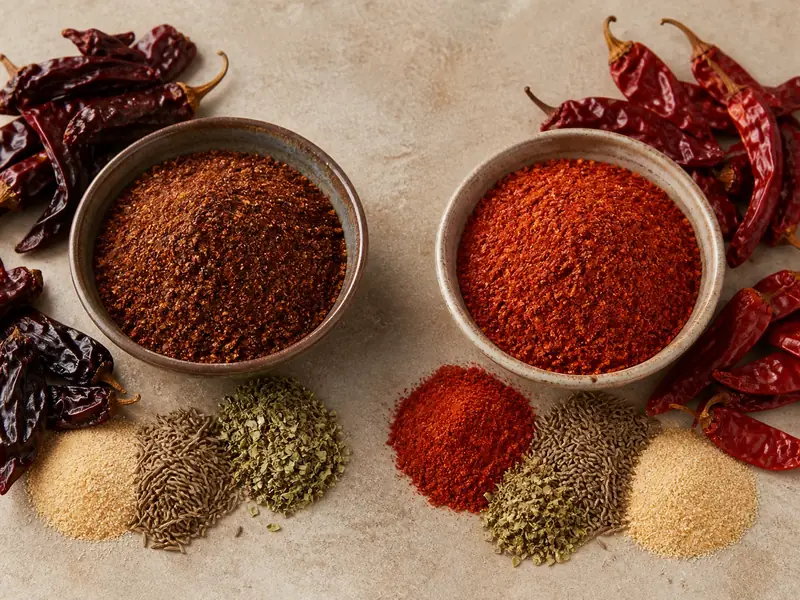
Dark and Light Chili Powder side by side
Use the ingredients and maker description to judge the actual jar.
Use the ingredients and maker description to judge the actual jar.
What Is the Difference Between Dark and Light Chili Powder?
Dark and light chili powder are product styles, not two recipes that every spice company follows, and McCormick Culinary sells both with ingredient statements that begin with chili pepper and also include spices, salt, and garlic.
That overlap changes the buying decision. Compare two jars from the same maker first, then read their ingredient lists before assuming that a dark jar will behave like every other dark jar.
US recipes also use chili powder for a seasoning blend, while pure ground chile is often labeled for its pepper, such as ancho or cayenne. McCormick describes its standard blend as fire-roasted chile pepper with garlic, cumin, oregano, and salt, and Penzeys lists ancho, cayenne, paprika, cumin, garlic, and Mexican oregano in its Medium Hot Chili Powder.
If the recipe asks for a tablespoon of chili powder, confirm that the jar is a blend before replacing it with a tablespoon of pure cayenne. McCormick specifically warns that cayenne is a much hotter single-pepper powder and is not a one-to-one replacement for its seasoning blend.
| Jar clue | What it establishes | What it does not establish |
|---|---|---|
| Single named chile | The powder is ground from that named pepper | The same seasoning balance as chili powder blend |
| Chili pepper, spices, salt, garlic | The jar is a seasoning blend | The exact chile variety or spice proportion |
| Dark or light | The maker distinguishes two product styles | A universal heat level or recipe |
| Named heat range | That product has a stated target | The heat of another brand with the same color word |
What Makes Dark Chili Powder Dark?
A darker color can come from darker or more heavily roasted chile material, but Frontier Co-op and McCormick Culinary product details show that the front label does not reveal the chile proportion or whole formula.
The same ingredient list can still produce different color and flavor when the supplier changes chile varieties, roasting, or proportions. OFI describes one commercial dark specification as a blend designed for caramelized color and flavor, which supports the roasted association for that product without making it a rule for every jar.
Age and light exposure can also flatten color. McCormick uses deep red color and a savory aroma as freshness cues, so a faded brown powder may be old rather than intentionally dark.
Color is a clue inside one brand line, not a cross-brand standard, so treat the label color as one piece of evidence beside two ingredient panels.
Is Dark Chili Powder Hotter Than Light?
Dark chili powder is not automatically hotter because McCormick's moderate Dark and mild Light ratings compare those two products rather than every dark and light powder.
Other makers demonstrate why the distinction matters. Mild Bill's publishes 1,000 to 2,000 SHU for a dark blend made with guajillo and ancho, a range far below pure cayenne even though the powder looks dark.
Heat follows the chiles and their proportions. Penzeys raises heat in its Medium Hot blend with cayenne while keeping ancho, paprika, cumin, garlic, and oregano in the formula, so a brighter blend can outpace a dark mild blend.
Read the maker's heat wording or published range when heat matters. If neither appears, begin below the recipe amount and increase after the powder has dispersed through the food.
How Do Dark and Light Chili Powder Taste Different?
The most useful flavor comparison happens at the jar because McCormick calls its dark product earthy and slightly sweet, while Frontier names smoky and roasted notes for its own dark blend.
Those descriptions support a likely direction for those products, but they do not prove that every dark blend tastes like cocoa or every light blend tastes fruity. The ingredient list gives stronger clues when it names ancho, cayenne, paprika, cumin, oregano, garlic, or salt.
Ancho points toward dried-fruit and earthy chile character, while cayenne usually signals a sharper heat contribution. Cumin, oregano, garlic, and salt can dominate the finished seasoning even when the chile color looks vivid.
Smell the powder before committing a full dose. A clear chile and spice aroma gives you usable information, while dustiness or little aroma suggests that storage has erased the difference you hoped to buy.
Does Dark Chili Powder Need Longer Cooking?
Both colors can work in chili, tacos, beans, meat, and dips, as shown by the substantial overlap between McCormick's dish recommendations for its dark and light products.
That overlap disproves a strict rule that dark powder needs hours and light powder belongs only in quick cooking. The better question is whether the jar's salt, cumin, garlic, oregano, chile flavor, and heat fit the other ingredients.
A roasted, earthy blend can reinforce browned beef, black beans, or a dark chile sauce. A milder blend can keep chicken, corn, queso, or a tomato-forward taco filling from gaining more roast than the cook wants.
Cooking time still affects correction. A long-simmered pot gives you several tasting points, while a quick skillet gives you fewer chances, so add either unfamiliar powder in stages when the recipe leaves little time.
Use it where browned meat, beans, or a dark sauce benefits from the specific roasted notes named by the maker.
Use it where chicken, corn, queso, or tomato should remain prominent and the maker describes restrained heat.
Add it in measured stages and judge salt, chile heat, cumin, garlic, and oregano after the powder disperses.
Can You Substitute Dark Chili Powder for Light?
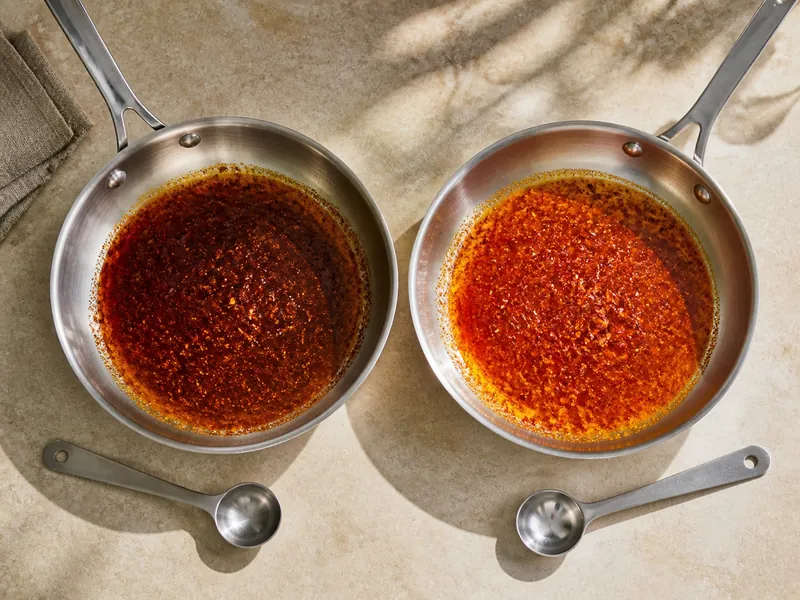
A one-to-one measured start is reasonable for modest amounts of two chili-powder blends, and The Spice House documents the approach by replacing a two-tablespoon light portion with its dark equivalent.
That recipe note proves the swap can work, but it does not make the two products identical. After the powder hydrates, check the salt level and the balance between chile heat and supporting spices.
When the replacement tastes too earthy or cumin-heavy, dilute that direction with more of the unsalted recipe base rather than adding sugar by habit. When it tastes weak, add the same blend in small measured increments so salt and garlic rise predictably with the chile.
Do not use this ratio when one package says pure cayenne, ground ancho, or another single chile. A pure chile powder needs a different comparison because it does not carry the same cumin, oregano, garlic, or salt package.
How To Read Two Jars In Under A Minute
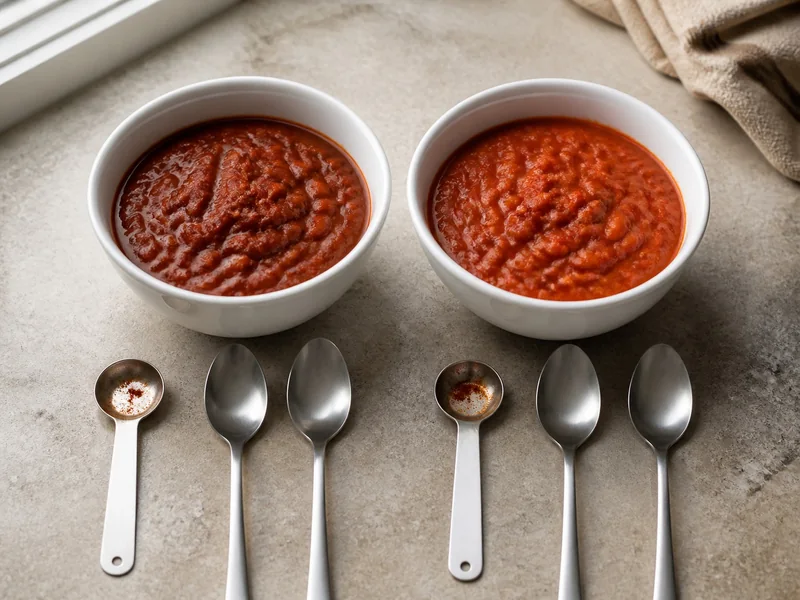
First confirm that both packages are seasoning blends, then compare ingredient order because an early salt listing or a named hot chile can matter more than the shade of red.
Next, look for a maker's heat description and any named chile varieties. McCormick provides mild and moderate wording for that pair, while Penzeys publishes the specific pepper mix in its Medium Hot product.
Finally, compare aroma and package condition. A tightly closed jar with a recognizable chile-spice aroma is a better candidate than a faded jar that has sat near heat or sunlight.
This check also prevents duplicate pantry purchases. Two jars with different color names but nearly identical ingredient order and heat wording may not create a meaningful difference in the dishes you cook.
Five checks before the jar goes in the cart
- Confirm blend versus single named chile.
- Compare ingredient order and any named chiles.
- Read the maker heat wording or published range.
- Check package condition and smell after opening.
- Buy a second jar only for a repeatable cooking job.
Do You Need Both Dark and Light Chili Powder?
Most kitchens can begin with one fresh blend whose ingredient balance suits their usual chili, tacos, beans, rubs, or dips, then learn its strength by measuring each addition.
A second jar earns space when it performs a repeatable job that the first does not. The Spice House uses both styles in one chili for layering, which is useful evidence for cooks who make that kind of recipe often.
Buying two jars only for the color names can leave both aging before they are finished. Buy smaller packages when the second blend is an occasional tool, and mark the purchase date if the container lacks an easy-to-read freshness code.
The decision is practical rather than doctrinal. Keep one jar when the ingredient panels and heat descriptions are close, and keep two jars when repeated dishes show a clear flavor difference.
How Long Does Chili Powder Keep Its Aroma?
McCormick Culinary lists a 720-day shelf life for both commercial products, but that controlled manufacturer window does not guarantee that an opened home jar will keep a vivid aroma for the full period.
Close the lid promptly and keep the powder away from steam, stove heat, and direct light. Moisture encourages clumping, and heat or light makes aroma and color less useful for comparison.
Evaluate the jar before a large batch. McCormick says fresh fresh chili powder should show a deep red color and savory scent, so weak aroma is a better replacement signal than the calendar alone.
If dark and light powders both smell flat, neither one can deliver the contrast described on the label. Replace the stale jar instead of compensating with a larger dose that also adds more salt, cumin, garlic, and oregano.
Dark vs Light Chili Powder
Reach for Dark when you want Ingredients, salt, named chiles, aroma.
Reach for Light Chili Powder when you want Ingredients, salt, named chiles, aroma.
Dark vs Light Chili Powder FAQ
- McCormick Culinary Dark Chili Powder
- McCormick Culinary Light Chili Powder
- Frontier Co-op Organic Dark Chili Powder
- Penzeys Medium Hot Chili Powder
- The Spice House My Favorite Chili Recipe
- Mild Bill's Dark Chili Powder
- OFI El Grande Dark Chili Powder Specification
-
Sourcing note: manufacturer specifications, not a legal standard Chili powder is a blend, and no government body sets a formula for it. Each brand decides its own ratio of ground chile to cumin, garlic and salt, so the manufacturers’ own product specifications are the primary record of what is in each one. The comparisons on this page read those listings; they are not laboratory measurements.