How to Make Paprika from Mild Red Peppers Dried Until Brittle
Homemade paprika works best when you start with the right mild red peppers, dry them fully until brittle, then grind in small batches so the powder stays bright instead of tasting flat or dusty. The biggest mistakes are using the wrong pepper type, grinding before the pods are fully dry, and confusing plain sweet paprika with smoked paprika or hotter chile powder.
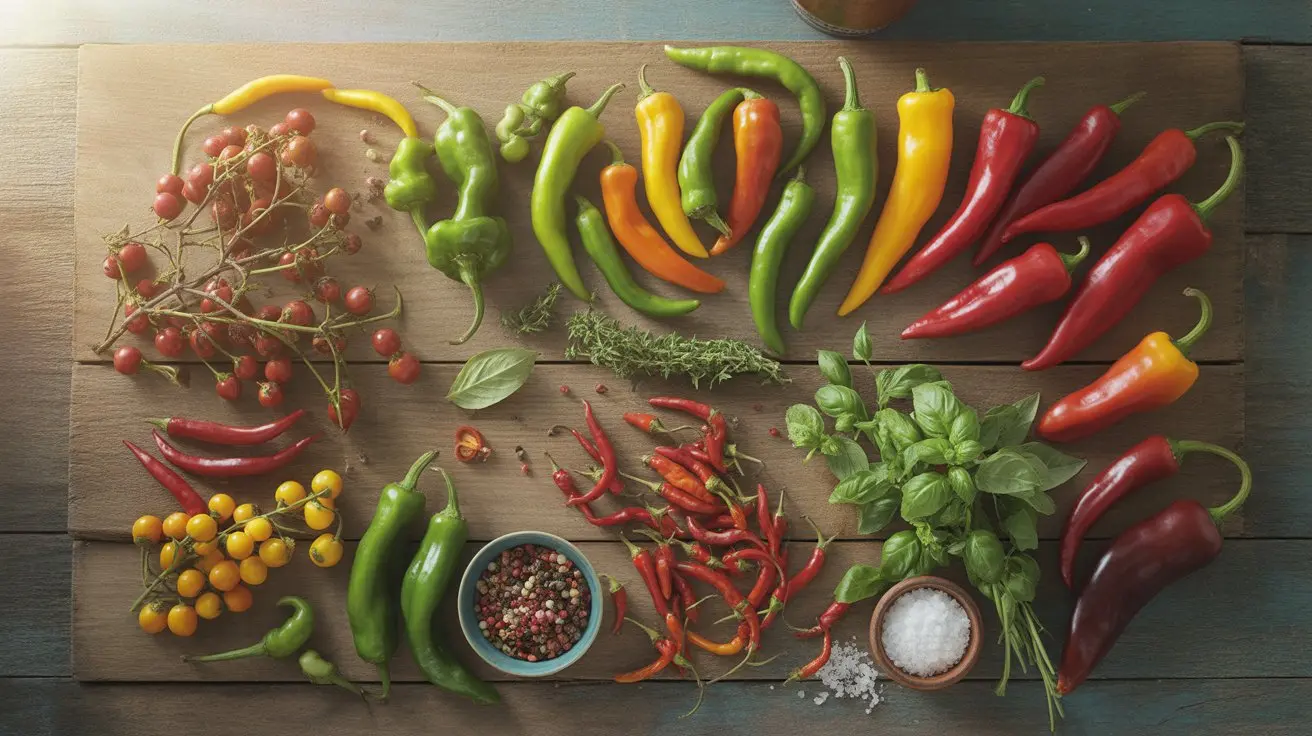
Which peppers make the best homemade paprika?
Paprika is not just "ground red pepper." The best homemade paprika starts with mild, fully ripe red peppers that bring color first and heat second.
That is why a true paprika project sits closer to the Paprika Pepper and related sweet red cultivars than to random hot chiles from the garden.
USDA material describing paprika as a color additive defines it as the ground dried pod of mild Capsicum annuum. That is the core identity.
You can make a chile powder from hotter peppers, but if the pepper choice pushes the batch into obvious cayenne-style heat, you are no longer making the kind of sweet or mild paprika most cooks expect.
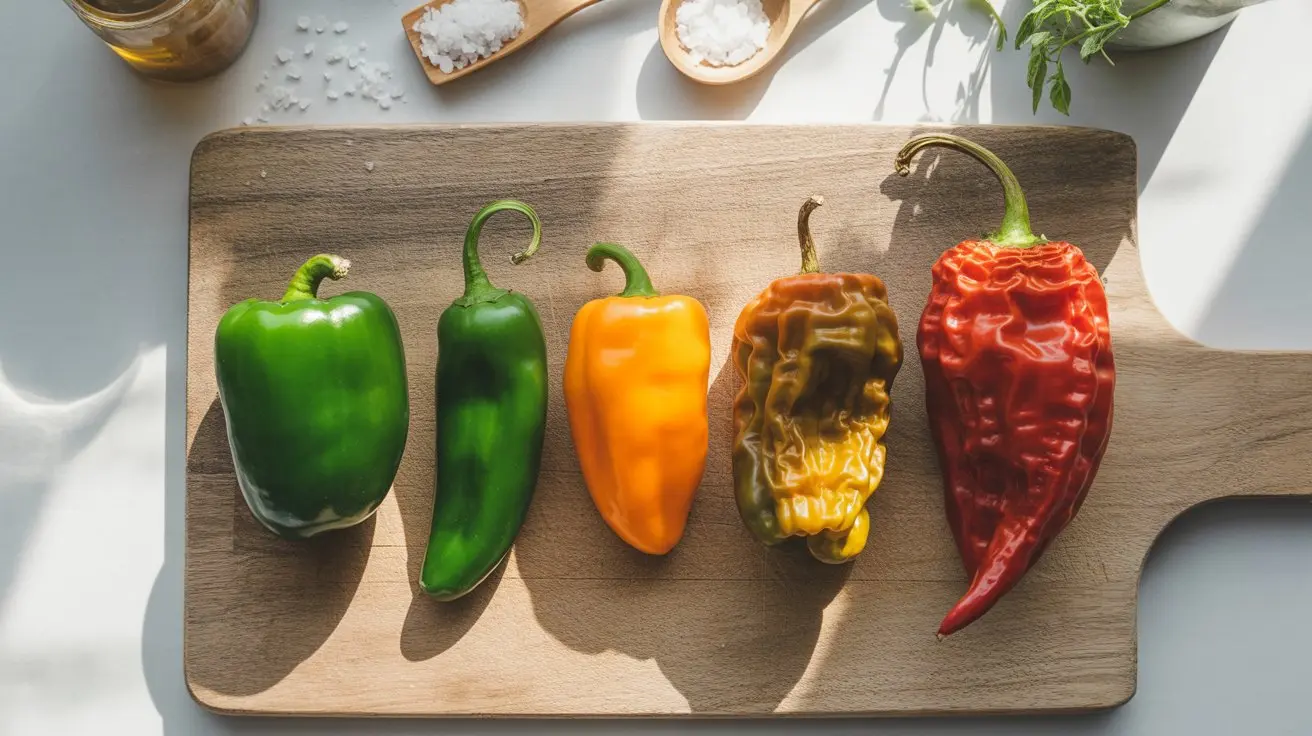
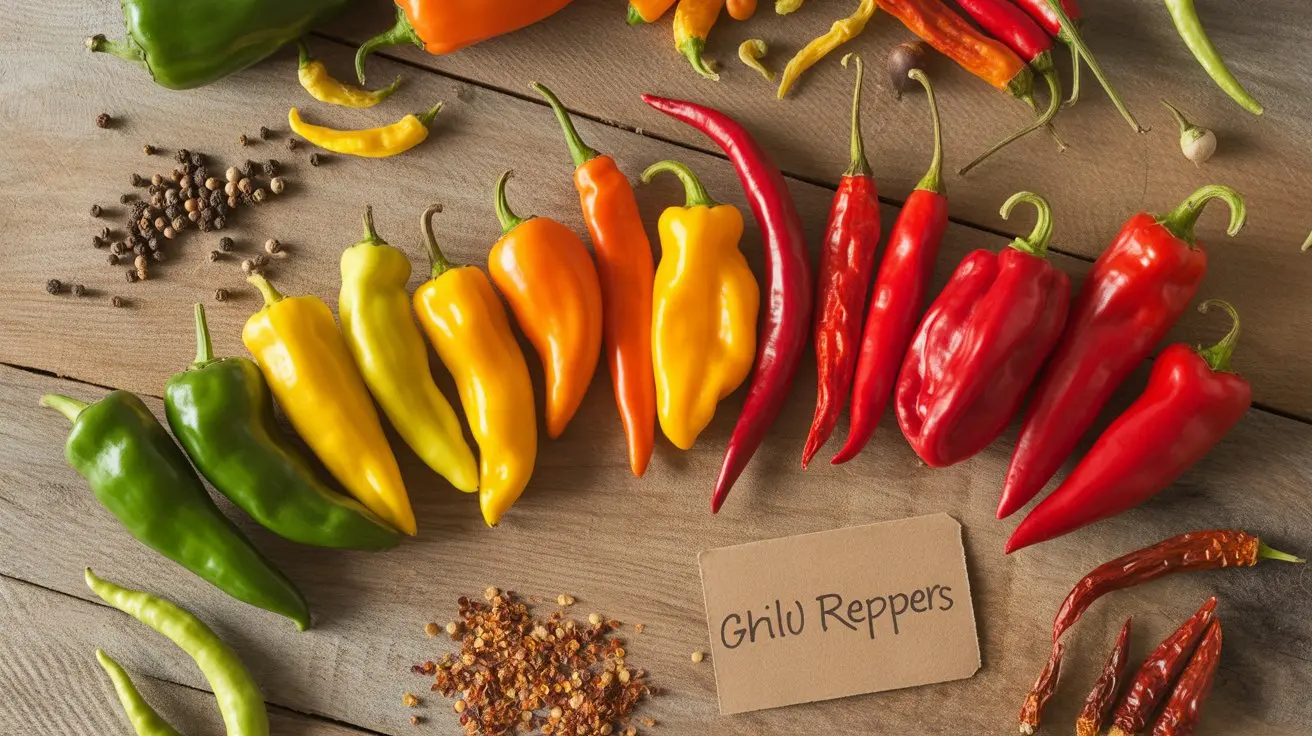
The cleanest candidates are thick-walled sweet red peppers bred for drying and grinding, including paprika peppers and some mild roasting peppers. If you use bell peppers, the powder can turn vegetal and dull unless you dry them extremely well.
If you use hotter peppers, you may get a tasty spice, but the result will drift away from the sweet red profile people mean when they say paprika.
| Pepper choice | Works for paprika? | Main result |
|---|---|---|
| Paprika peppers | Best | Bright red color, mild heat, classic profile |
| Alma paprika | Very good | Sweet, fruity, rounded powder |
| Mild red annuum roasting peppers | Good | Usable but less classic |
| Bell peppers | Sometimes | Low heat, but can taste watery or grassy |
| Hot chiles | Not true sweet paprika | Moves toward chile powder |
The practical decision is simple: if your main goal is classic sweet paprika, choose mild red peppers bred for that job. If your real goal is simply "a homemade red spice," then you can experiment more broadly, but you should stop calling every batch paprika just because it is red and ground.
How dry should paprika peppers be before grinding?
The drying stage decides whether the final powder tastes clean or muddy. Oregon State Extension notes that peppers can be dried at home and should be dried until crisp.
That brittleness matters because partially leathery peppers do not grind into a stable powder.
They smear, clump, and trap moisture that shortens shelf life.
The most reliable home method is a dehydrator set around the standard low vegetable-drying range rather than a hot oven blast. Montana State Extension notes that 140°F is the optimum drying temperature for vegetables because hotter temperatures start cooking instead of drying.
That is exactly the line you want to avoid with paprika, where cooked sweetness can quickly turn stale or brown-tasting.
Slice thick peppers into strips or rings so they dry evenly. Remove stems and most seeds first, especially if the peppers are large.
Then dry until the pieces snap cleanly instead of bending.
If they flex, they are not done. This is the same logic behind how long dried peppers last and how to store dried peppers: the drier the starting material, the better the spice keeps.
Air drying can work in the right climate, and UC ANR notes peppers can be air dried, sun dried, oven dried, or dehydrated.
But for paprika, consistency matters more than rustic charm. A dehydrator usually gives the cleanest, most repeatable result because it dries the pepper through instead of leaving soft pockets that ruin the grind.
Grind in small batches and cool the grinder between runs
Once the peppers are fully dry, grinding is straightforward, but heat control still matters.
Small spice grinders, coffee grinders reserved for spices, or high-speed mini processors all work. The mistake is running long hot cycles that warm the powder, release aroma too fast, and make the paprika taste tired before it ever reaches the jar.
Work in short bursts.
Shake the grinder, pulse again, then stop once the powder reaches the texture you want. A finer powder feels more like store paprika, while a slightly coarser grind can work better if the peppers were especially fruity or if you want a more rustic finishing spice.
This is also the moment to decide how pure you want the batch.
If you left in seeds and membranes, the result can be paler, rougher, and slightly more bitter. If you removed too much flesh before drying, the powder can be weak and dusty.
The best midpoint is usually clean dried pod flesh with only small residual seed fragments.
That keeps the color strong without turning the paprika harsh.
- Grind in short pulses, not one long hot cycle.
- Let the grinder cool between batches.
- Sift only if you want a finer table-style powder.
- Label the batch with pepper type and date.
If the powder smells flat right after grinding, the problem usually started upstream at pepper choice or drying, not at the grinder itself. Good paprika should smell sweet, warm, and peppery rather than dusty or burnt.
Sweet, hot, or smoked: which paprika are you making?
Homemade paprika often gets blurry because people treat all red powders as one family. They are not.
Sweet paprika is built from mild red peppers and dried cleanly.
Hot paprika uses a hotter pepper base or hotter parts of the pod. Smoked paprika, or pimentón, adds smoke as part of the identity, not as an afterthought.
That means you do not make smoked paprika just by charring peppers a little before drying.
Real smoked paprika needs a deliberate smoke stage and a pepper choice that can still taste good after smoke exposure. If your end goal is that deeper Spanish-style profile, the route sits much closer to the Smoked Paprika (Pimentón) and eventually to paprika vs smoked paprika than to a plain sweet paprika jar.
The same distinction matters on heat.
If your powder comes out noticeably hot, that does not make it wrong, but it does make it a different tool. At that point it starts overlapping with paprika vs chili powder and hotter red spice roles instead of the sweet all-purpose paprika people use for eggs, potatoes, chicken, and stews.
So before you dry the first pepper, decide which family you are making. That one choice affects pepper selection, drying setup, and how you judge the finished spice.
How should you store homemade paprika?
Fresh homemade paprika can taste fantastic for a while, but it is not immortal.
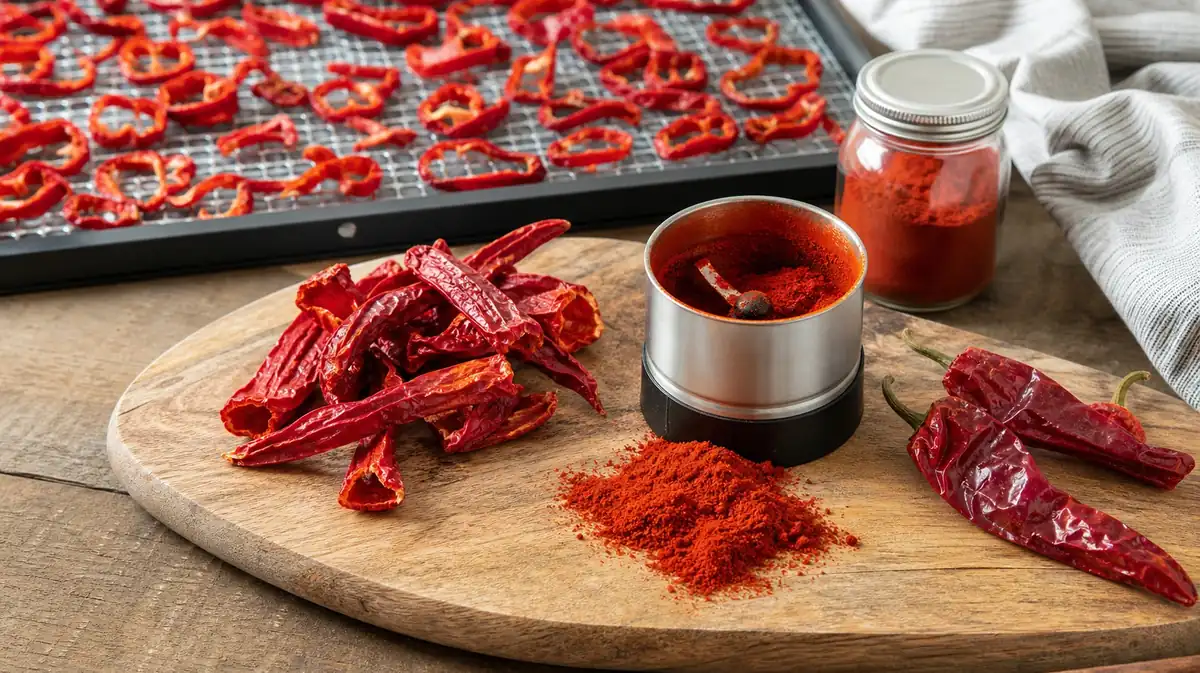
Light, heat, and air all steal color and aroma. Store it in a small airtight jar, away from the stove and out of direct sun.
If the jar sits on a bright counter for months, the powder may still be safe, but it will not taste like your best batch anymore.
This is one place where homemade paprika behaves like other dried pepper products. The more surface area you create by grinding, the faster aroma loss can happen.
Whole dried pods hold flavor longer than powder.
Once you grind them, the clock speeds up. That is why it makes sense to grind modest amounts instead of turning every dried pod into powder at once.
A good working habit is to keep most of the dried peppers whole, then grind smaller refill batches as needed.
That preserves freshness better and gives you a cleaner comparison point if one batch tastes duller than the last. The dried pepper storage guide and the dried pepper shelf-life both support the same logic.
If your paprika turns brown quickly, smells dusty, or loses almost all aroma when rubbed between your fingers, it is past its useful prime even if it is technically still edible.
The short version of the homemade paprika method
If you want the short version, use mild fully red paprika-type peppers, dry them at low steady heat until they snap, grind in small cool batches, and store the powder airtight in the dark. That workflow gets you much closer to real homemade paprika than shortcut methods built from random fresh peppers and a hot oven blast.
The three biggest wins are pepper selection, complete drying, and honest naming.
Use the right peppers. Do not grind early.
And if the batch is smoked or significantly hot, label it that way instead of pretending every red powder is standard paprika.
That is what keeps the process clear and the cooking results predictable.
- Best base: mild red paprika-type peppers.
- Best drying path: low, steady dehydrator-style drying.
- Best grind habit: short pulses in small batches.
- Best storage: airtight jar in a cool dark cabinet.
Do that, and homemade paprika stops being a novelty project and becomes a spice you can actually use with confidence.