Container Size for Pepper Plants by Root Room and Crop Load
Use five gallons for one pepper plant as a forgiving baseline. Compact peppers can use three gallons with faster dry-down, while large-fruited or long-season plants often earn seven to ten gallons for stability and moisture reserve.
Why reputable container minimums do not match
Use five gallons for one pepper plant as a forgiving baseline because it buys more moisture reserve than the smallest published minimum without making every pot difficult to move.
Extension guidance answers different versions of the size question. Iowa State Extension lists two gallons for one pepper, University of Maryland Extension gives five gallons as a minimum, and Penn State Extension says peppers can thrive in a 14-inch pot.
| Published baseline | What it proves | What it does not promise |
|---|---|---|
| Iowa State 2 gallons | One pepper can grow in a compact container | A long watering margin or full-size canopy |
| Maryland 5 gallons | A practical minimum for home peppers | The same result for every cultivar and exposure |
| Penn State 14 inches wide | Diameter can be a usable buying check | A standard gallon volume across tapered pots |
A two-or-three-gallon pot can carry a compact plant when floor space matters more than watering margin, but move to five gallons when heat, wind, missed watering, or a larger crop makes quick dry-down the constraint.
Measure inside width and depth before trusting the label
Compare the inside rim diameter, usable depth, and taper rather than relying on the molded gallon label alone. Decorative containers lose root volume to thick walls, rounded bottoms, and narrow bases, while nursery trade sizes do not always equal liquid gallons.
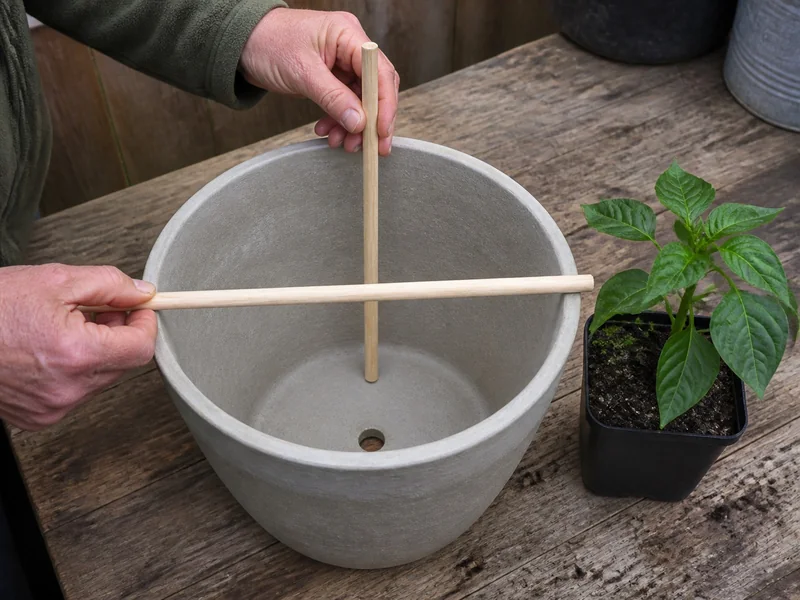
Penn State recommends a vegetable container at least as tall as it is wide. For peppers, that proportion protects usable depth without choosing a narrow, top-heavy shape that becomes unstable as fruit develops.
- Measure the inside diameter across the rim.
- Measure from the soil line to the interior bottom rather than the outside height.
- Check how sharply the pot narrows toward its base.
- Subtract any reservoir or false bottom from the root-zone depth.
- Confirm that open drainage holes sit at the true low points.
If two pots carry the same label, choose the broader lower half and unobstructed depth because that geometry preserves usable mix where roots and stored water sit.
Which pepper plants need a bigger pot?
Plant habit changes the useful size more than heat rating. Minnesota Extension notes that smaller-fruited peppers tolerate temperature stress better than large bells, while a heavy canopy and fruit load increase both water demand and the chance of tipping.
| Plant job | Starting size | Reason to move larger |
|---|---|---|
| Compact ornamental or small Thai type | 3 to 5 gallons | Use five when wind and heat speed drying |
| Jalapeño, Fresno, serrano, or cayenne | 5 gallons | Use seven for a tall plant or longer harvest window |
| Bell, poblano, or other large-fruited plant | 7 to 10 gallons | Fruit load and broad canopy need stability and moisture reserve |
| Long-season chinense plant | 7 to 10 gallons | Size by mature habit, season length, and local drying pressure |
These sizes are editorial applications of the extension baselines, not yield guarantees. A well-drained five-gallon pot can outperform a waterlogged ten-gallon pot, and a compact cultivar may not use the extra floor space before the season ends.
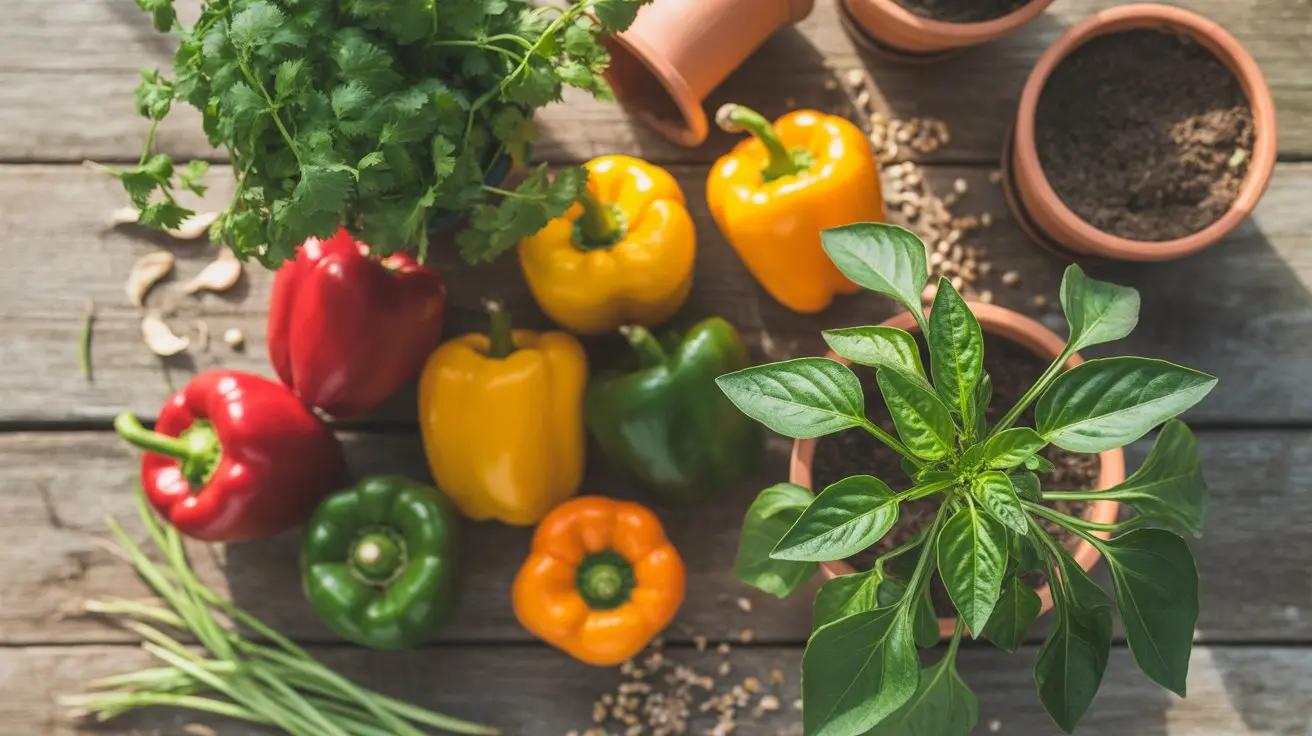
A jalapeño plant and a bell pepper plant show how fruit weight and canopy change stability. The separate pepper choices for small containers help match cultivars after floor space and water reserve are fixed.
How do you convert pot inches to gallons?
Use interior measurements when a seller gives only diameter and height. For a straight-sided round pot, approximate cubic inches with 3.14 × radius × radius × depth, then divide by 231 to estimate US gallons.
A pot measuring 14 inches across and 12 inches deep has a seven-inch radius. The straight-cylinder estimate is about 8 gallons, but a tapered base, rounded bottom, and unfilled headspace reduce the mix the roots can actually use.
Two containers with the same rim behave differently because a broad lower wall preserves root volume and moisture reserve while a sharply narrowed pot puts apparent size above a small base.
Do not fill to the rim to recover the missing volume. Leave enough headspace to water slowly without washing mix over the edge, then judge the container by its usable soil line.
Can a pot be too big for a pepper plant?
Extra volume is useful when active roots can reach it during the growing season. A tiny transplant placed directly into a much larger pot leaves a broad ring of mix that can remain wet after the central root ball has taken what it needs.
That extra volume carries a handling cost when the pot cannot be rotated away from reflected heat, moved before frost, or lifted for drainage inspection.
Choose the larger option when it solves a named problem such as fast dry-down, top-heavy fruit load, long season, or missed watering. Keep the smaller option when the cultivar stays compact, the season is short, and daily access makes its narrower reserve manageable.
The best container is a matched system where root room, water reserve, physical support, and safe handling all improve together when you size up.
Does pot material change how fast the mix dries?
Container material changes drying speed, wall temperature, and stability, but it does not create extra root volume. Penn State notes that plastic retains moisture longer than porous terracotta, while cement or stone adds weight that can keep a tall plant from blowing over.
Fabric allows air through the wall and can dry quickly in wind. Choose the larger end of the size range when a fabric bag sits on a sunny deck, then check moisture in the root zone rather than watering simply because the side feels dry.
Dark plastic on concrete creates a hotter root boundary than a light pot on wood, and although more volume buffers that exposure, moving or shading the wall is often the better correction.
- Hot, windy balcony: favor more mix and a stable base.
- Humid, sheltered patio: favor reliable drainage before extra volume.
- Frequent travel: favor a wider moisture reserve or self-watering design.
- Seasonal moving: keep the filled weight within a safe lifting plan.
Reject any size that cannot drain or be supported safely
A larger container is useful only when excess water can leave the lowest part of the root zone. Penn State requires drainage holes because waterlogged medium restricts root oxygen, so a single plugged opening can defeat the advantage of added volume.
Set the empty pot in its final position and pour in water before adding mix. Water should leave every low area, and a protective saucer must be emptied or elevated so it does not seal the holes after irrigation.
Filled weight can cancel container mobility because Maryland Extension notes that a moist 20-inch pot can weigh about 100 pounds, affecting balcony loading, caddies, steps, and frost moves.
Choose the largest pot you can water and support safely, not the largest one that fits the patio. A stable seven-gallon container with accessible drainage is a better decision than a ten-gallon pot that cannot be lifted, emptied, or moved out of a heat sink.
Is a three-gallon pot big enough for peppers?
Three gallons can work for a compact pepper, but it trades root-zone reserve for floor space and portability. The plant will reach the dry edge faster, so the setup suits a gardener who can check it during hot weather and who accepts a smaller canopy.
Do not use three gallons merely because the transplant looks small in spring, since mature habit, season length, sun exposure, and material determine whether frequent watering is an acceptable cost.
One plant per pot keeps that trade-off visible. Crowding two peppers into the same small volume creates competing roots and a combined canopy, so the container label no longer describes the reserve available to either plant.
When should you move a pepper to a bigger pot?
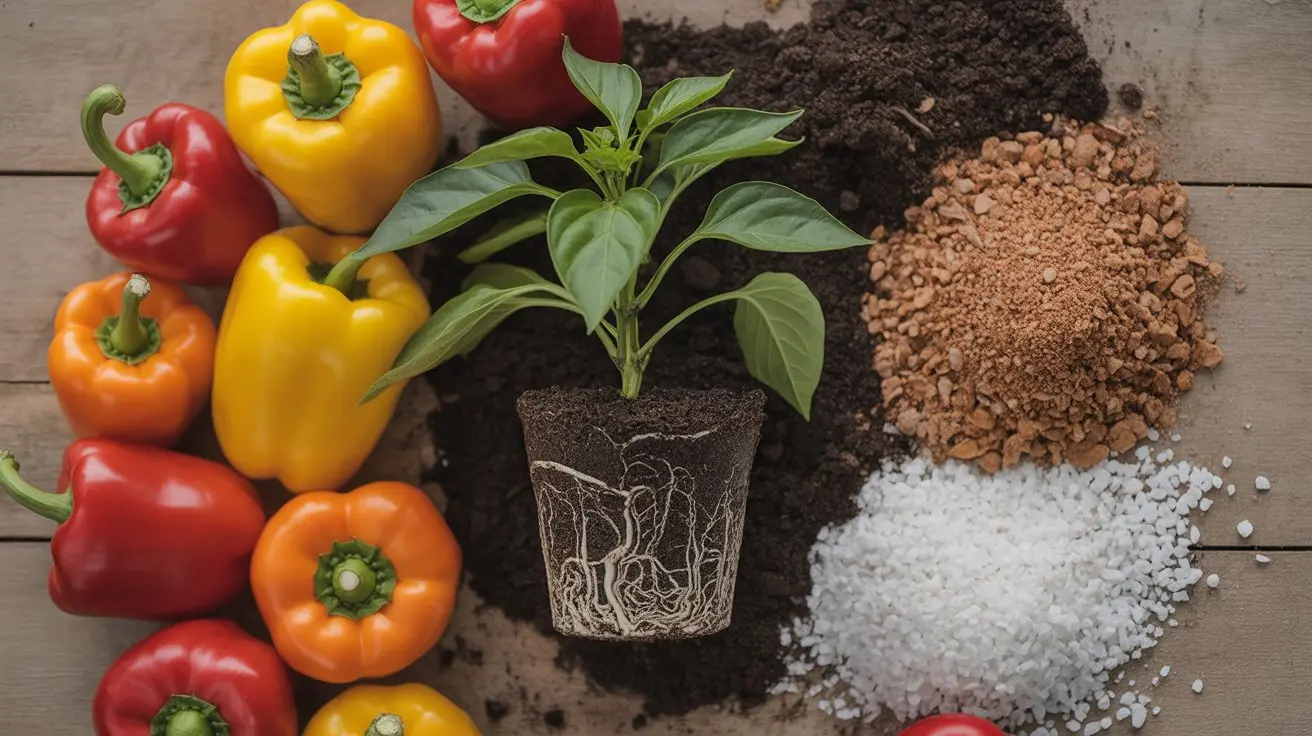
Repot when the root ball and drying pattern point to a space limit, not after one hot-afternoon wilt. Strong evidence includes roots circling the outside, roots filling drainage holes, mix that dries soon after a full watering, and a plant whose original nursery-pot shape stays intact when removed.
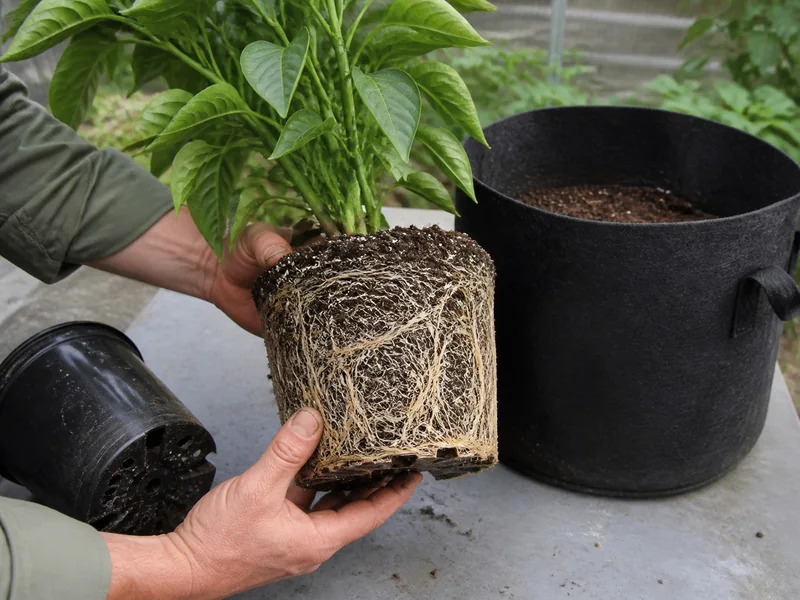
Move one practical step at a time because an abrupt jump leaves more mix outside the active roots, which dries slowly and makes the old watering schedule unreliable.
Repot before branches carry a heavy crop when possible. Support the root ball, keep the stem at its original depth, water the new mix evenly, and give the plant brief protection from the harshest afternoon sun while disturbed roots reestablish.
A top-heavy plant may need a stake even when roots are not restricted, so separate structural support from pot volume before treating wind as a repotting signal.
What changes after you switch pot size?
Once the repot threshold is clear, this page ends with the container, material, and drainage decision. The broader pepper container setup owns the soilless mix, sunlight, feeding, indoor fruiting, frost protection, and symptom diagnosis that follow.
Watering is the first schedule that must be reset after changing size because a deeper root zone can stay moist while the surface looks dry. The root-zone checks for pepper plants explain how to replace the old interval with a moisture-based decision.
That boundary keeps the size answer usable because care can follow the actual root reserve instead of a schedule copied from a different material, climate, or plant habit.