How Should You Preserve Chili Peppers? Freeze Thick Pods, Dry Thin Ones
Choose the method by wall thickness, condition, and the next use. Freeze thick pods, dry thin ones until brittle, refrigerate quick pickles, and verify a submerged ferment reaches pH 4.60 or below.
Preserving chili peppers starts with the next use, whether you want a fresh-tasting cooked ingredient, brittle flakes, an acidic pickle, or a fermented sauce base. Wall thickness, ripeness, condition, and heat then decide which pods belong in each batch.
A mixed harvest does not need one treatment.
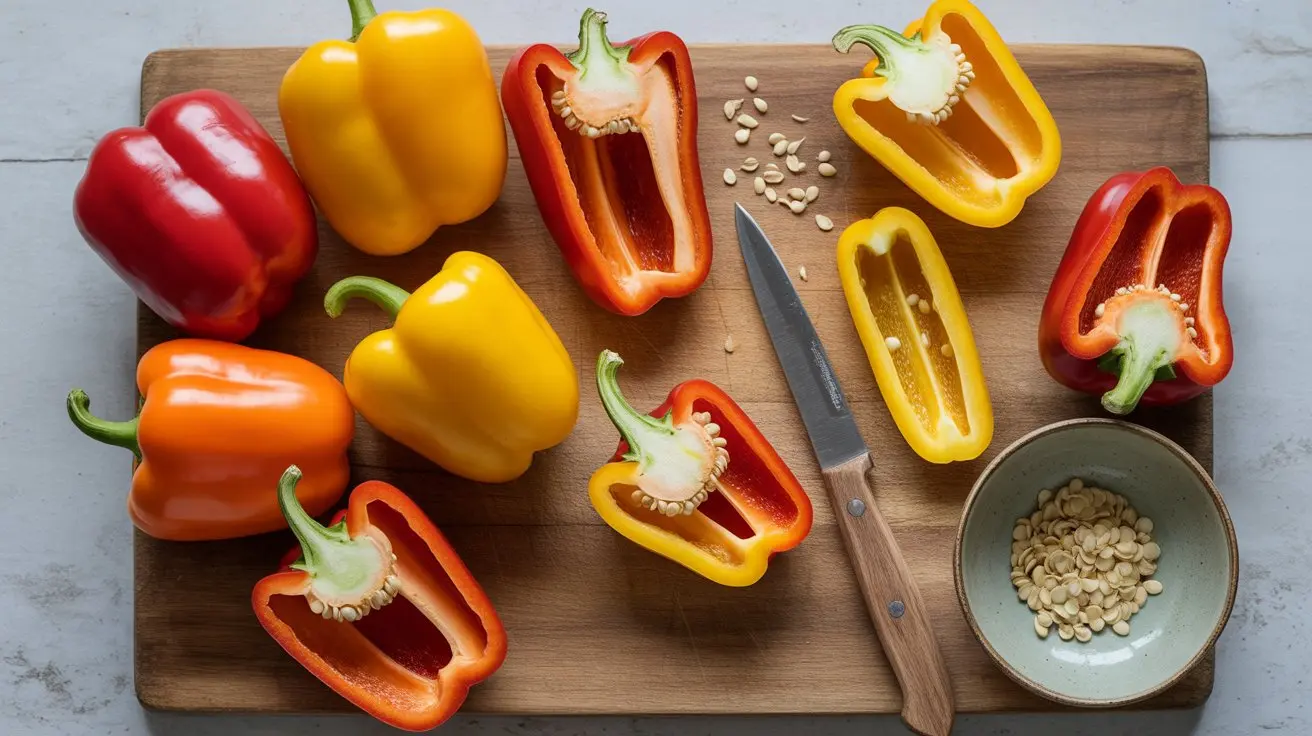
Split it before cutting so thick pods can freeze, thin pods can dry, clean firm slices can pickle, and ripe hot peppers can ferment under measured controls.
Which preservation method fits each pepper?
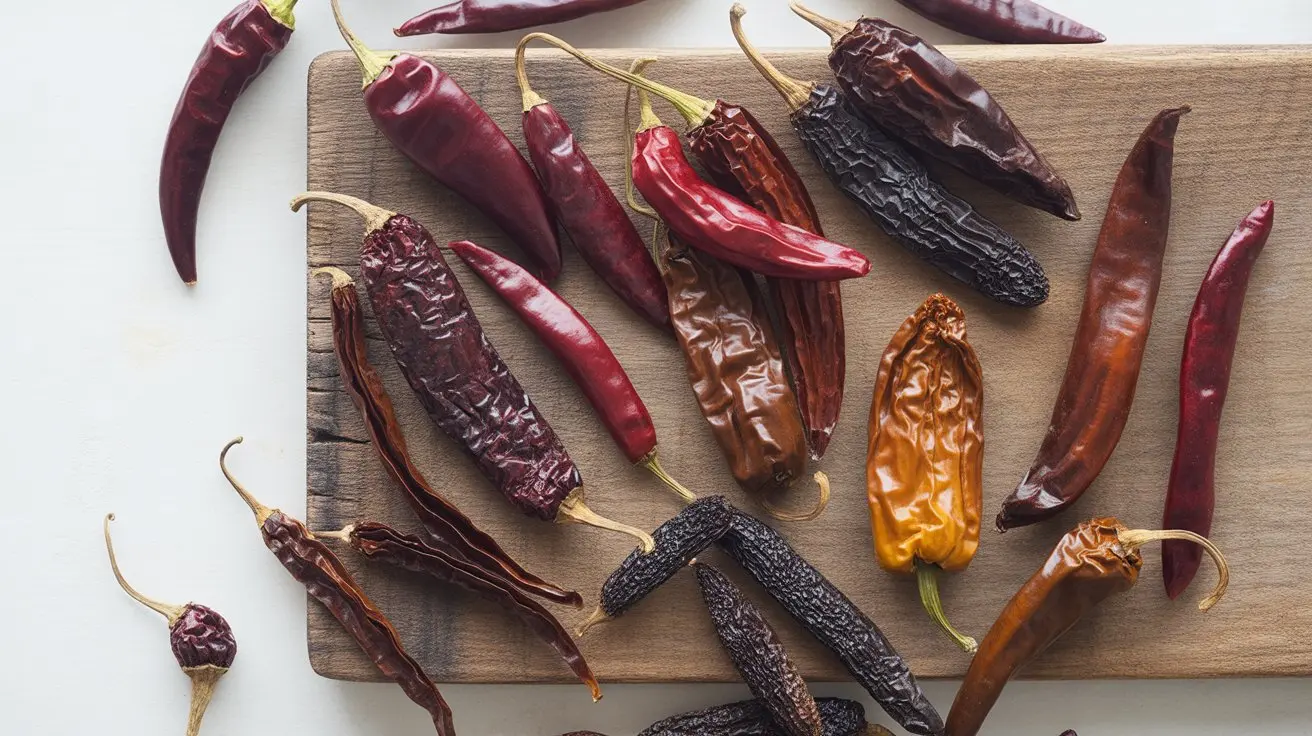
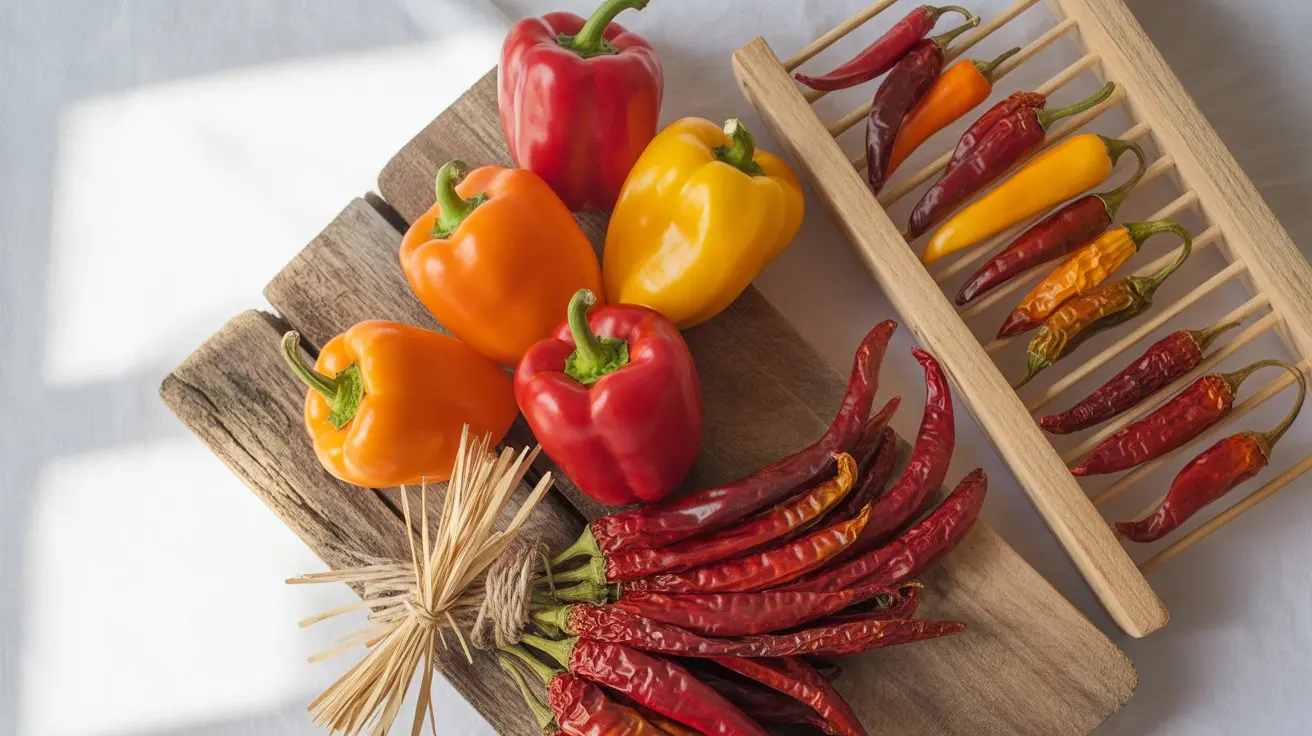
Choose the method by the next use, then check wall thickness, condition, ripeness, and heat. Thin-walled Thai chiles, cayenne, and many small hot peppers dry efficiently for flakes or powder.
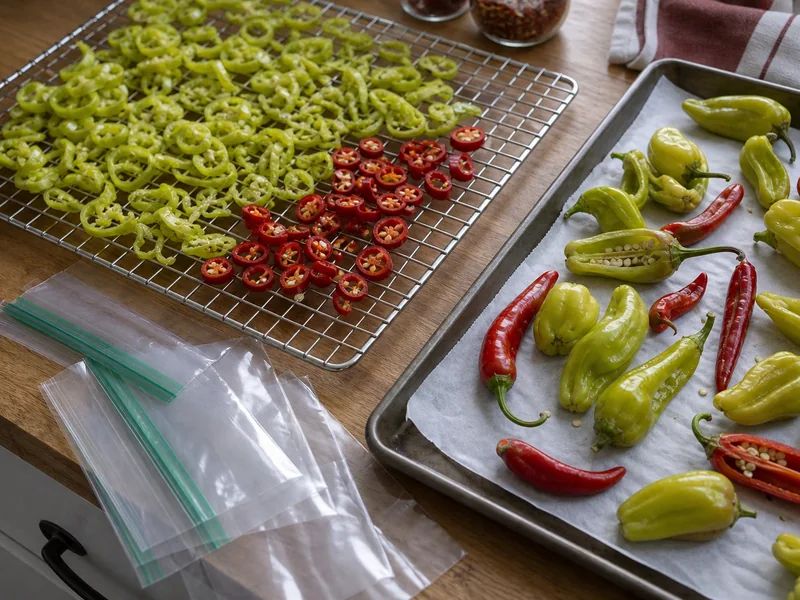
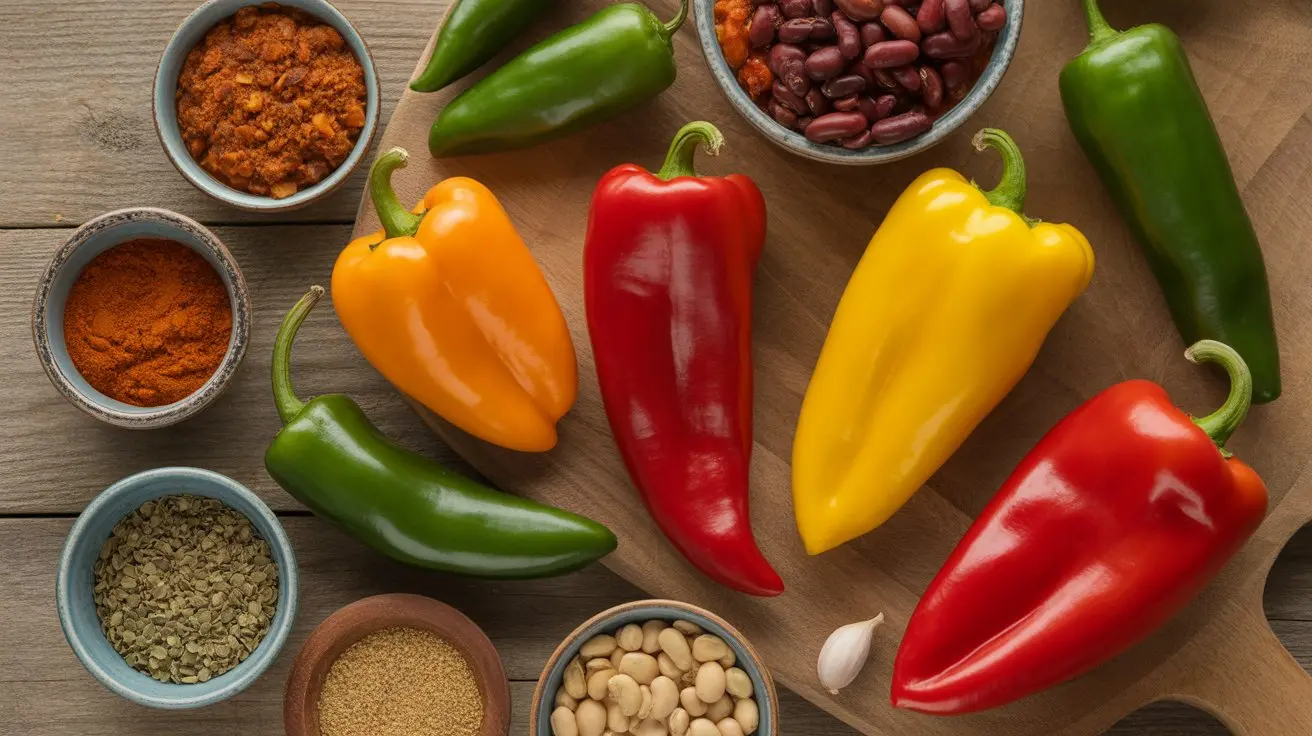
Thick-walled peppers are useful freezer candidates because a softer thawed texture still works in cooked food. Bell peppers, poblanos, jalapeños, and ripe Fresno-style pods can go straight from a portioned bag into soups, fillings, eggs, or sauce.
Use pickling when you want crunch, acidity, and a ready condiment.
Use fermentation when you want depth for hot sauce and do not mind waiting days or weeks for flavor to change.
Start every method with firm peppers free of disease and insect damage. Penn State Extension advises washing produce under cold running water without soaking it, then working on clean counters with clean utensils.
| Goal | Best method | Best pepper fit |
|---|---|---|
| Fast cooked meals | Freeze | Thick fresh pods, diced or sliced |
| Powder or flakes | Dry | Thin-walled hot chiles |
| Sandwiches and nachos | Refrigerator pickle | Crisp rings and firm mild-hot pods |
| Hot sauce base | Ferment | Ripe hot peppers with clean skins |
| Long pantry storage | Tested canning recipe | Only recipes with measured acid and process time |
Can you freeze peppers without losing usefulness?
Freezing is the fastest way to hold a large sound harvest. Penn State Extension directs home preservers to wash and stem hot peppers before packing, while sweet pepper halves, strips, or rings may be frozen raw or blanched according to the intended texture.
The texture changes after thawing.
Frozen peppers lose crisp bite, so use them in sauces, soups, sautés, chili, eggs, and cooked fillings instead of fresh salads.
Spread pieces on a tray first if you want loose portions in the bag. Once frozen, move them into freezer packaging, press out extra air, and label the variety, heat level, cut, and date.
How dry must peppers be before storage?
Drying is best when the pepper wall is thin and the pod can lose moisture evenly. The finished pepper should feel brittle, not leathery or damp.
Slice thicker pods before drying.
Whole thick peppers can look dry outside while moisture stays trapped near the seeds and ribs.
The National Center for Home Food Preservation directs drying vegetables until they are brittle or crisp. Check only after the peppers cool because a warm pod can feel softer and can release moisture after it enters a closed jar.
Use dried peppers whole, crushed, or ground, but grind only a small amount when aroma matters. More exposed surface area makes powder convenient while also giving air and light faster access to its color and volatile compounds.
| Pepper shape | Prep before drying | Best final use |
|---|---|---|
| Thin whole chiles | Dry whole or split if large | Whole pods, flakes, chili oil |
| Thick jalapeños | Slice into rings or strips | Flakes, powder, cooked dishes |
| Ripe cayenne | Dry whole or split | Cayenne pepper powder |
| Smoked ripe jalapeños | Smoke, then dry fully | Chipotle powder or sauce |
Are quick-pickled peppers shelf-stable?
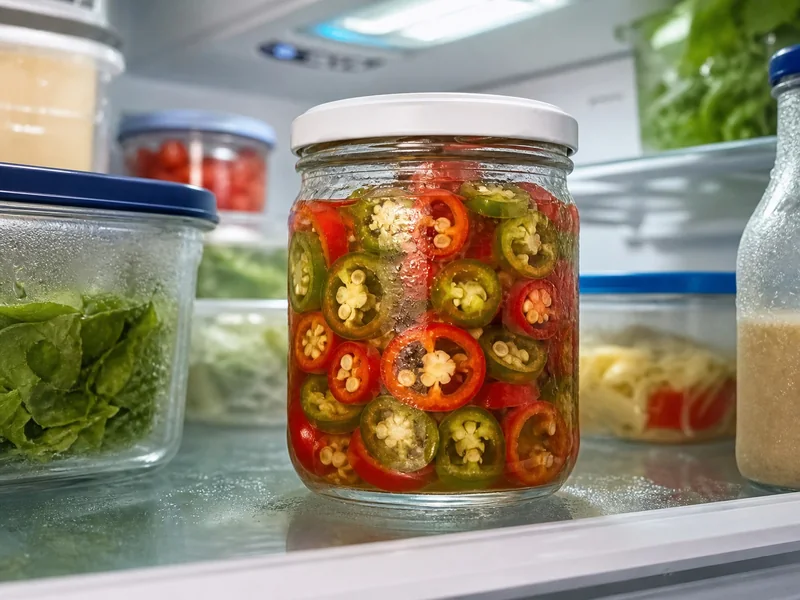
Quick-pickled peppers gain acidity and crunch, but they remain a refrigerated food when the filled jar receives no canning heat treatment.
Refrigerator-only boundary
University of Minnesota Extension says a shelf-stable pickle needs a research-based recipe, its specified jar and process, and enough acidification to reach pH 4.60 or below. An unprocessed quick pickle stays cold.
Cut peppers into even rings so the brine reaches them at the same pace. Wear gloves for hot varieties, and keep your hands away from your eyes until cleanup is done.
Never reuse brine that already held vegetables for a new canning batch. Minnesota Extension explains that vegetables absorb acid and make the used liquid less acidic, so every new batch needs fresh brine from its tested recipe.
How do you ferment peppers safely?
Fermentation is a flavor project.
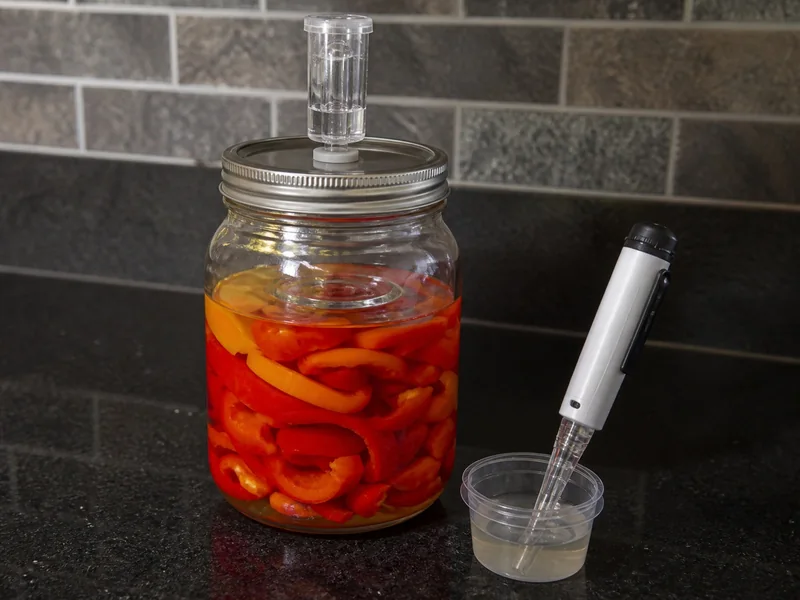
Salt-tolerant lactic acid bacteria lower pH over time and create a fuller sauce base than raw vinegar alone.
Use clean ripe peppers, the salt amount in a reliable process, and a setup that keeps all solids submerged. Minnesota Extension recommends a low-oxygen container and an airlock for mason-style jars because exposed pieces and repeated oxygen entry work against a controlled ferment.
Hold the ferment near 68 to 72°F and monitor acidity instead of judging by bubbles alone. Minnesota Extension says the process is complete only when bubbling has stopped and measured pH is 4.60 or lower.
Fermentation does not remove the pepper's capsaicin. It changes aroma and acidity while heat remains in the solids, so keep mild and hot batches separate and refrigerate the finished ferment after the verified endpoint.
- Use clean ripe peppers and the salt amount from a reliable process.
- Keep every solid below the brine in a low-oxygen vessel.
- Hold the batch near 68 to 72°F and watch for pieces that rise.
- After bubbling stops, verify pH 4.60 or lower and refrigerate the finished ferment.
Which preservation shortcuts are unsafe?
Pantry storage leaves no room for an improvised acid ratio, heat process, oil treatment, or drying endpoint.
Use a tested process
If the instruction did not come from a research-based preservation source for that exact product and jar, keep the food refrigerated or frozen instead of guessing.
Fresh peppers in oil
Do not leave them at room temperature. Low-acid vegetables in oil need an explicitly tested acidification and storage process.
Improvised pantry pickle
Do not add more pepper or reuse vegetable brine. Follow the tested acid ratio, jar size, and process.
Plain peppers in a water bath
Non-pickled peppers are low-acid food and require the exact researched pressure-canner process.
Partly dried pods
Cool and test the thickest pieces. A soft or leathery chile can release moisture and mold after sealing.
What should you prepare before cutting?
A controlled preservation day starts before the first cut.
Set out the freezer packaging, dehydrator trays, clean jars, labels, gloves, and dedicated utensils needed for the methods you will actually complete.
- Set freezer bags beside thick pods and dehydrator trays beside thin chiles.
- Reserve clean jars for crisp pickle rings or ripe ferment fruit.
- Process mild pods before hot pods, then change gloves and wash the knife, board, and work surface.
- Label every batch with pepper identity, heat, method, storage class, and date.
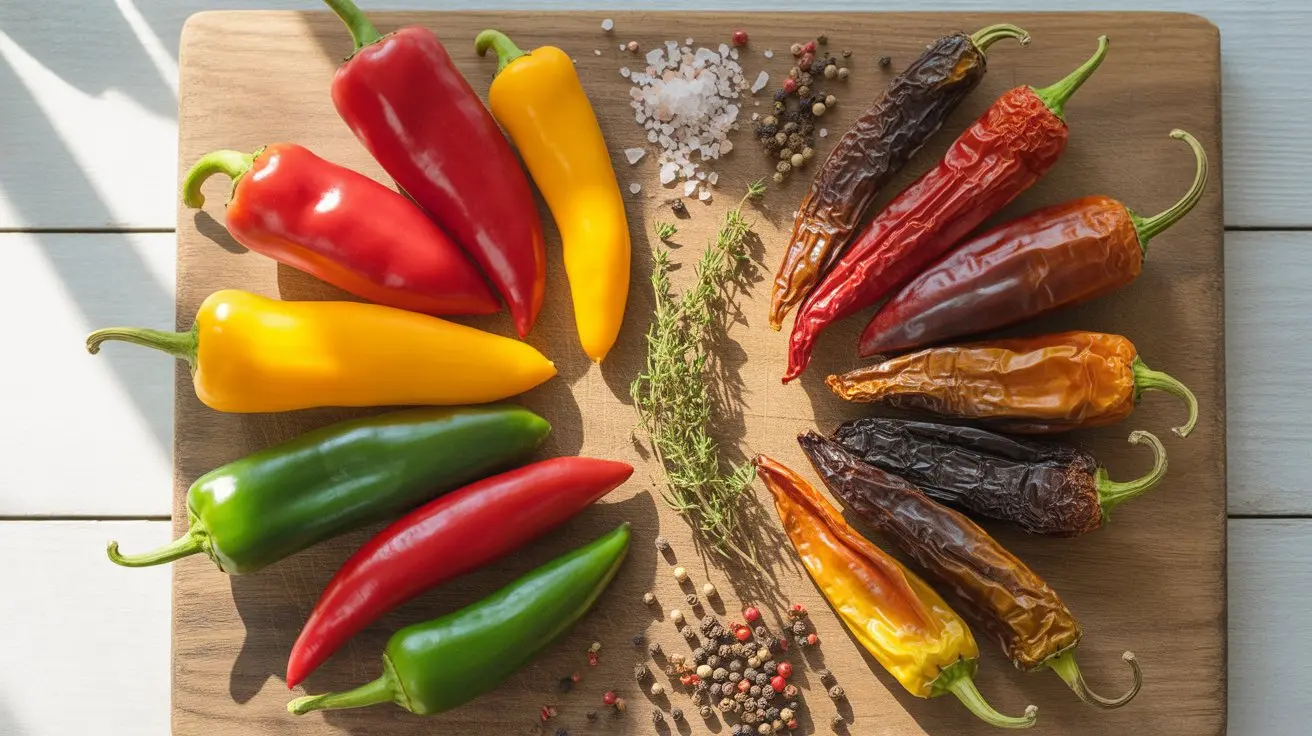
A mixed harvest can work even better. Dry the thin red chiles, freeze the thick green ones, pickle the crisp medium peppers, and ferment the hottest ripe pods so each pepper keeps its best trait.
Where should each preserved pepper be stored?
The storage container should match the preservation method. Freezer bags, dry jars, refrigerator jars, and ferment jars solve different problems.
Frozen peppers need air pressed out before storage. Air causes freezer burn, and freezer burn makes peppers taste flat before they are unsafe.
Dried peppers need full dryness and a cool dark place. A jar is fine only after the pods have cooled and passed the snap test.
Warm dried peppers can release moisture inside a closed jar.
Pickled peppers need a clear storage label. Write whether the jar is refrigerator-only or was processed from a named tested canning recipe, so a cold quick pickle cannot drift into pantry storage.
Refrigerate a finished ferment after its endpoint is verified. Discard a batch with fuzzy growth, a dried jar that has regained dampness, or any sealed product whose recipe and processing history cannot be confirmed.
Freezing and drying do not sterilize peppers. Minnesota Extension notes that bacteria can become active again after frozen food thaws or dried food is rehydrated, so clean preparation and safe handling still matter.
| Preserved form | Storage spot | Quality clue |
|---|---|---|
| Frozen slices | Freezer bag or sealed container | Loose pieces with little ice buildup |
| Dried whole pods | Cool dark cabinet | Brittle pods with no soft spots |
| Refrigerator pickles | Refrigerator | Clear brine and firm slices |
| Fermented mash | Fermenting jar, then fridge or sauce bottle | Clean sour smell, no fuzzy growth |
How should you split a mixed pepper harvest?
Start by sorting the basket on a towel. Pull out damaged pods first.
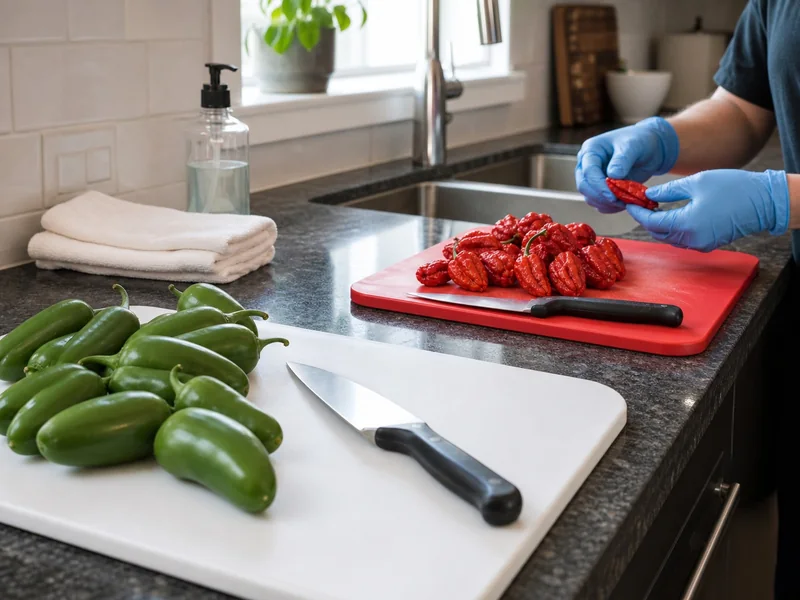
A bruised pepper can still go into cooked sauce if you trim it right away, but it should not go into a long jar or drying batch.
Next sort by wall thickness. Thin red chiles head toward the drying rack, while thick green pods head toward the freezer or pickle jar.
Mixed ripe hot peppers can become a ferment if the skins are clean and firm.
Then sort by heat. Keep superhots out of mild freezer bags unless you want every soup and egg scramble to taste hot.
A separate bag or jar gives you control later.
Last, match the batch size to your real habits. A small household may use one tray of dried flakes and two freezer bags faster than eight jars of pickles.
The goal is food you will use, not a shelf that looks busy.
- Trim damaged peppers the same day.
- Dry thin pods before they wrinkle in the fridge.
- Freeze chopped thick pods in meal-size portions.
- Pickle only the crispest slices.
- Ferment ripe hot peppers when you want sauce, not crunch.
Which peppers should you preserve first?
Preserve the peppers that lose quality fastest first. Thin hot chiles can wrinkle quickly, and ripe pods with soft spots should be processed the same day or trimmed for cooked sauce.
Firm green jalapeños and poblanos usually give you a little more time in the refrigerator. Keep them dry in a loose bag, then freeze, pickle, or roast them before the skins start to pit.
Superhots deserve their own workflow.
Use gloves, keep the cutting board separate, and decide before you start whether they become dried powder, fermented sauce, or a tiny frozen stash for cooking.
If a basket has both mild and hot pods, process mild peppers first. That keeps stray capsaicin from riding on the knife into sweet or low-heat batches.
Time-saving fallback
If time runs short, freeze clean sound peppers first. They can still become cooked sauce, soup, or stew, while peppers left soft on the counter lose options every hour.
How Should You Preserve Chili Peppers? Freeze Thick Pods, Dry Thin Ones FAQ
- National Center for Home Food Preservation - Drying vegetables
- National Center for Home Food Preservation - Pickled hot peppers
- Penn State Extension - Let's Preserve: Peppers
- University of Minnesota Extension - Preserving food at home: Fermentation
- University of Minnesota Extension - Pickling produce