Which Thai Peppers Work Fresh, Roasted, or Dried, and How Hot Is Each?
Thai cooking uses peppers as structural flavor, not just garnish. Prik kee noo brings sharp fresh heat, prik chee fah adds color and moderate burn, prik num is milder and roasted, and dried chiles build curry paste depth.
Why Is Thai Food So Hot?
Thai cooking is built on contrast, sweet against sour, salty against bitter, and always, always heat against everything else. Peppers are not a garnish or an afterthought in this tradition.
They are structural ingredients that define the flavor architecture of dishes from pad krapow to massaman curry.
Thailand recognizes more than 79 distinct pepper varieties in active cooking use, ranging from the barely-there warmth of roasted prik num to the face-melting intensity of fresh prik kee noo. Understanding which pepper does what, and why, changes how you cook Thai food entirely.
Prik Kee Noo, the Default Thai Chili
Prik kee noo (literally "mouse-dropping chili" for its small, pointed shape) is the workhorse of Thai kitchens. These tiny fresh chilies land between 50,000 and 100,000 SHU, putting them firmly in the hot-pepper range that serious cooks rely on for stir-fries, nam prik dipping sauces, and curry pastes.
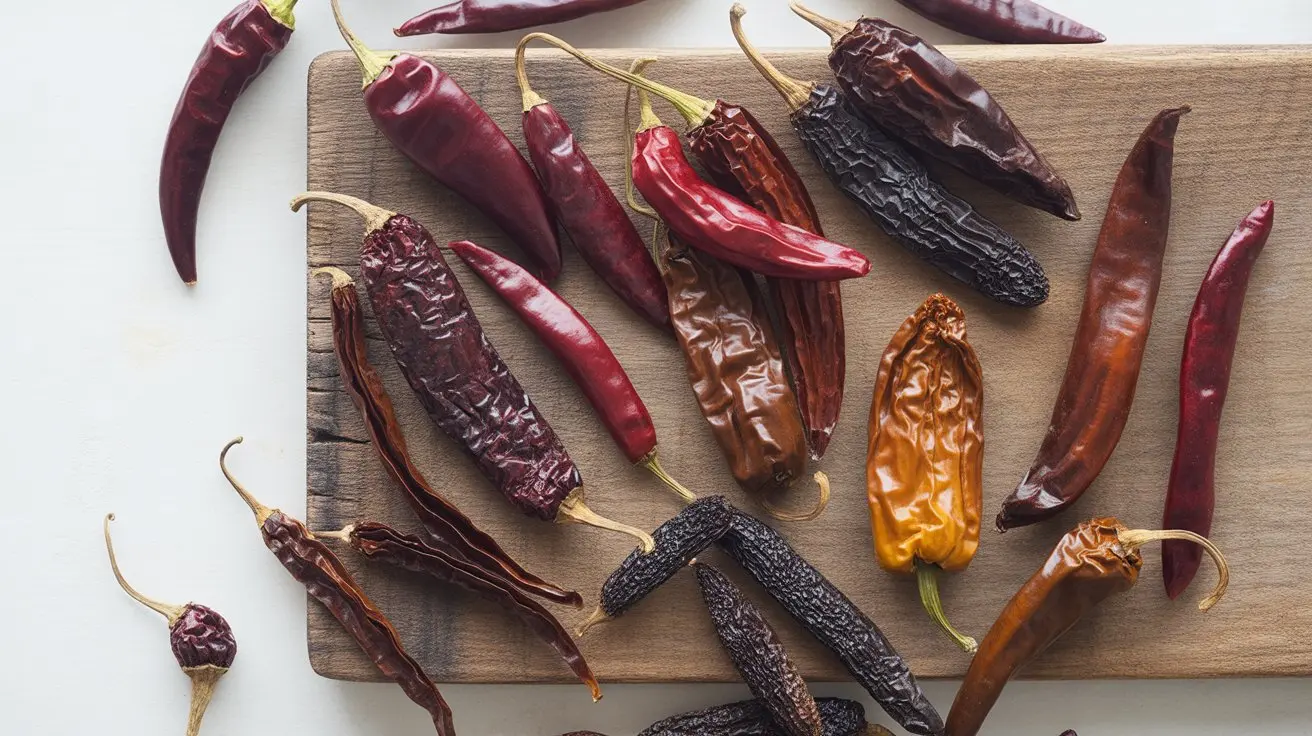
Fresh prik kee noo delivers immediate, sharp heat that hits the front of the mouth quickly. Dried versions concentrate that intensity and add a subtle earthiness, Thai cooks use both forms deliberately, not interchangeably.
The full picture of Thai pepper cultivation and regional variation shows just how regionally specific these choices get.
Against something familiar, prik kee noo runs roughly 3 to 5 times hotter than a serrano pepper at its upper range. That's significant heat, but Thai cuisine uses it with precision rather than abandon.
When Should You Reach for Prik Jinda Instead?
If prik kee noo is the specialist, prik jinda's bright-red moderate heat is the generalist that shows up in nearly every Thai kitchen. These finger-length chilies sit in the 30,000 to 50,000 SHU range, hot enough to matter, controlled enough to use liberally.
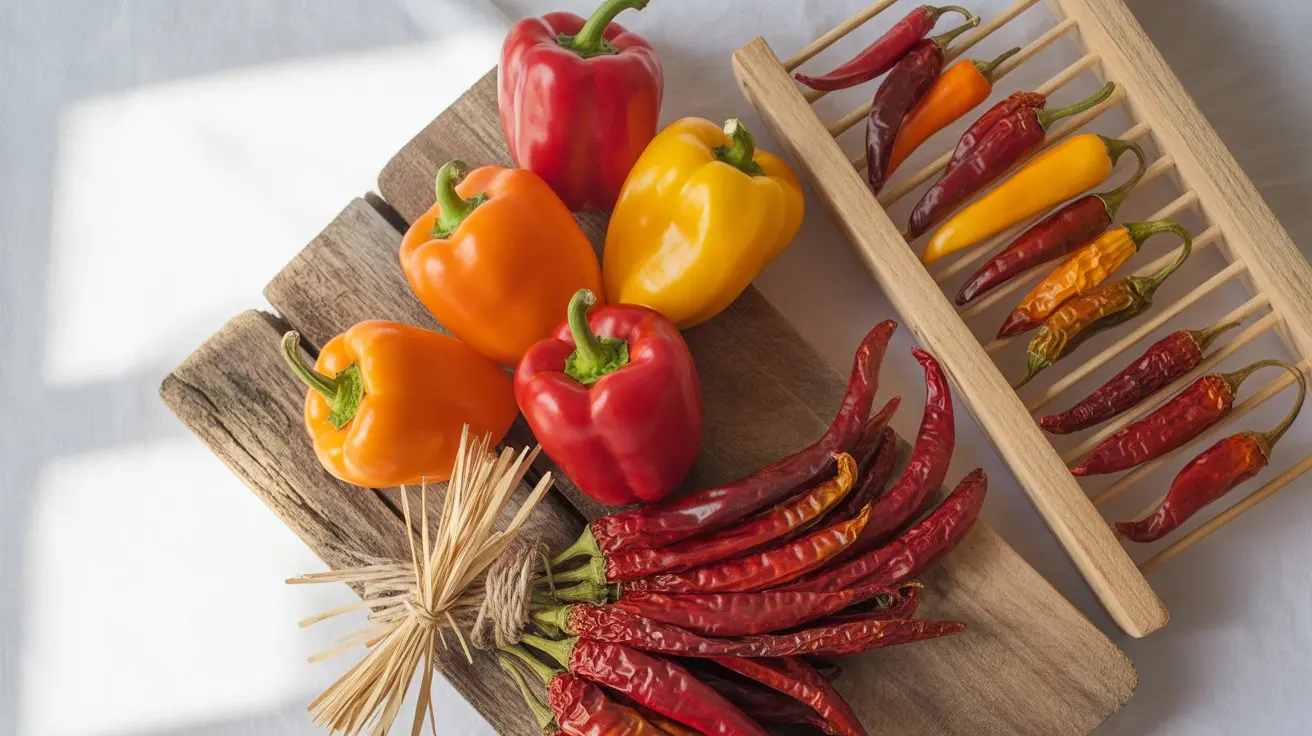
Prik jinda is almost always used dried and ground in Thailand, forming the red powder that seasons larb, colors curry pastes, and provides the background heat in many regional dishes. Fresh, it appears in pickled preparations and relishes where a clean, slightly fruity note comes through before the burn arrives.
The pepper belongs to Capsicum annuum in species terms, the same species as cayenne and paprika, which explains its relatively approachable heat curve compared to the chinense-family chilies that dominate super-hot cooking.
Which Thai Chili Works If You Cannot Take Heat?
Not every Thai dish is an endurance test. Prik num, the long, pale green pepper common in Northern Thai cooking, sits at 1,000 to 5,000 SHU, well within the mild heat classification range that most diners handle comfortably.
Roasted over flame until blistered and charred, prik num develops a smoky sweetness that forms the base of nam prik noom, the Northern Thai green chili dip served with sticky rice and pork rinds. The roasting process is non-negotiable, raw prik num lacks the depth that makes this dip so compelling.
Prik num also shows something important about how Thai cooks think.
Heat level is not the only variable, and texture, aroma and preparation method carry equal weight.
A mild pepper roasted correctly contributes more complexity than a hot pepper used carelessly.
Which Chilies Go Into Thai Curry Paste?
The most technically demanding use of peppers in Thai cooking is paste-making. Red curry paste (nam prik gaeng daeng) typically combines dried red chilies, often a mix of prik kee noo and larger dried varieties, with lemongrass, galangal, shrimp paste, and aromatics pounded together in a granite mortar.
Green curry paste uses fresh green prik kee noo and prik jinda, which is why green curry is often hotter than red despite the color suggesting otherwise. The fresh chilies retain volatile compounds that dried chilies lose during processing.
The ratio of chilies to aromatics determines the final heat level, and Thai cooks adjust this ratio based on the dish, the season, and who is eating. This is not imprecision, it is a sophisticated understanding of ingredient variables that no fixed recipe can fully capture.
Anyone interested in growing these paste chilies at home will find the seed-starting and cultivation fundamentals for tropical varieties particularly relevant.
How Hot Are Thai Peppers, Really?
Putting Thai peppers on the Scoville heat index reveals a spectrum that runs from near-zero to genuinely extreme. Prik num sits around 1,000-5,000 SHU.
Prik jinda lands at 30,000-50,000. Prik kee noo reaches 50,000-100,000.
And then there are the outliers.
Some northern Thai border regions use chilies that approach the extra-hot SHU tier above 100,000, particularly in dishes meant for local consumption rather than tourist menus. These are not novelty peppers, they are everyday ingredients for people whose capsaicin tolerance has built up over a lifetime.
The practical implication for home cooks: Thai recipes calibrated for authentic heat often require adjustment when using commercially grown chilies in Western markets, which tend to be milder due to growing conditions and harvest timing.
| Chili | Scoville range | Where it shows up |
|---|---|---|
| Prik num | 1,000 to 5,000 SHU | Northern roasted dishes and relishes |
| Prik jinda | 30,000 to 50,000 SHU | Everyday stir-fries and curries |
| Prik kee noo | 50,000 to 100,000 SHU | Nam prik, salads, finishing heat |
| Border-region chilies | Above 100,000 SHU | Local cooking rather than tourist menus |
How Does Chili Use Differ Between Northern and Southern Thailand?
Northern Thai cuisine (Lanna tradition) uses dried chilies more heavily than fresh, favors prik num in roasted preparations, and tends toward earthier, less coconut-forward dishes. The heat is present but integrated into complex paste structures rather than delivered raw.
Southern Thai cooking is a different experience entirely. Influenced by Malay cuisine and the abundant fresh produce of the peninsula, southern dishes use fresh prik kee noo aggressively.
Gaeng tai pla (fermented fish curry) and massaman variations from the south carry heat levels that genuinely challenge even experienced eaters.
Central Thai cooking, what most of the world knows as "Thai food", sits between these extremes, using both fresh and dried chilies in proportions calibrated for broader palatability. Bangkok restaurant cooking has further moderated these heat levels for international audiences, which is why authentic regional Thai food often surprises visitors who think they know what Thai heat means.
Where Do You Buy Thai Chilies, and How Long Do They Keep?
Fresh prik kee noo and prik jinda follow seasonal availability in most Western markets, with peak supply in late summer when Southeast Asian growers have their main harvest. Asian grocery stores in major cities typically carry fresh stock year-round through greenhouse cultivation, but quality and heat intensity vary by season.
Dried Thai chilies are more consistently available and store well. Whole dried prik kee noo keeps its potency for up to 12 months in an airtight container away from light.
Ground dried Thai chili loses significant flavor and heat within 3-4 months, which is why Thai cooks typically grind fresh as needed rather than buying pre-ground.
Frozen fresh Thai chilies work surprisingly well for cooked applications like curry pastes and stir-fries. The texture suffers but the heat and flavor compounds survive freezing intact.
Freeze on a sheet pan first, then transfer to bags, this prevents them from clumping into an unusable block.
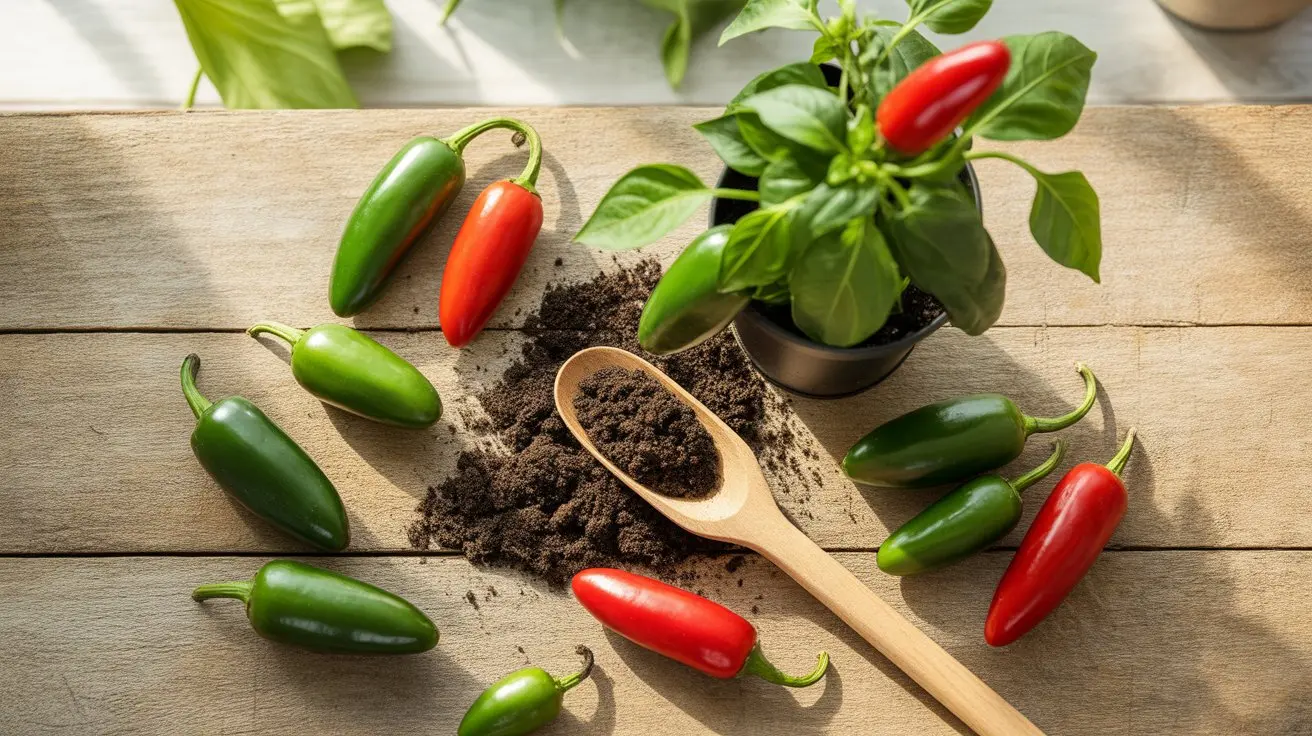
For growing your own, prik kee noo and prik jinda both perform well in containers in USDA zones 9-11, or as annuals in cooler climates. They need full sun and consistent moisture during fruit development.
The Thai pepper growing region is tropical, so replicating warm nights matters more than most growers expect.
One label confusion is worth knowing before you shop. Cabe rawit, the small upright chili used across Indonesian and Malaysian cooking, lands in the same 50,000 to 100,000 SHU band as prik kee noo.
Markets that carry Southeast Asian produce often sell the two interchangeably, and for most cooking they swap with no adjustment. The difference is botanical and geographic rather than about cooking, so a bag labelled either way will do the job.
Western supermarket Thai chilies often run milder than the ones a recipe was calibrated against, because of growing conditions and harvest timing.
Taste one before you commit to the quantity a recipe gives. Adjusting up is easy and adjusting down means starting the sauce again.
How Do You Cut the Heat Without Losing the Flavor?
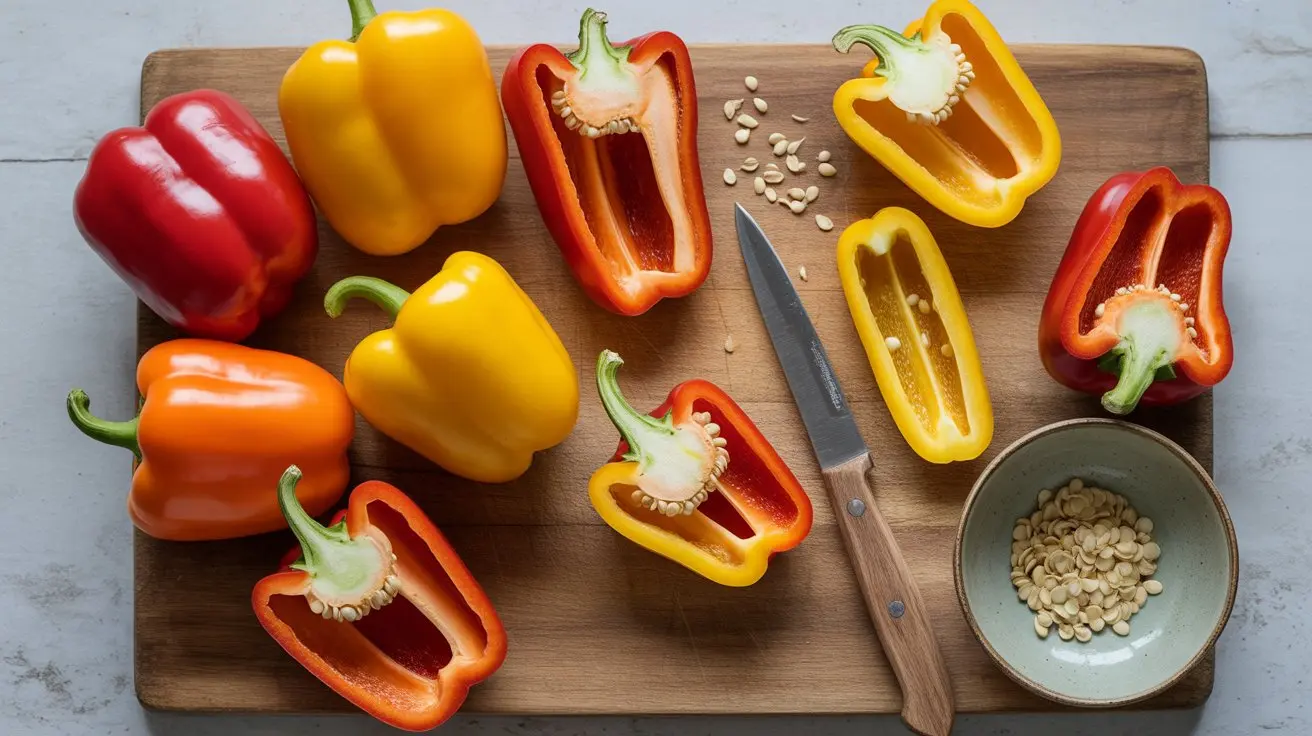
Removing seeds and membranes from Thai chilies reduces heat by roughly 40-50% without eliminating the pepper's flavor contribution, a useful technique when cooking for mixed heat tolerance groups. Slicing rather than mincing also moderates intensity, since less cell wall damage means less capsaicin release into the dish.
Coconut milk is not just a flavor component in Thai curries, its fat content physically binds capsaicin molecules, which is why coconut-based curries feel less harsh than water-based preparations at equivalent chili quantities. This is the same principle that makes dairy effective for cooling pepper burn, applied proactively during cooking rather than reactively after eating.
For anyone working through the hot-tier SHU bracket for the first time, Thai cooking provides an ideal curriculum. The cuisine's built-in balance of fat, acid, and sweetness makes high-heat dishes more approachable than equivalent heat in simpler preparations.
- Pull the seeds and membranes to drop the heat by roughly 40 to 50% while keeping the pepper's flavor.
- Slice rather than mince, because less cell wall damage releases less capsaicin into the dish.
- Build on coconut milk when you want the heat softened, since its fat binds capsaicin instead of just diluting it.
- Add chilies late if you want a sharper, brighter burn, and early if you want it married into the sauce.
Which Thai Peppers Work Fresh, Roasted, or Dried, and How Hot Is Each? FAQ
- Capsicum - USDA GRIN Taxonomy
- USDA Agricultural Research Service
- Peppers - UC Small and Organic Farm Advisor, UC ANR
- Food and Agriculture Organization of the United Nations
- Thailand Department of Agriculture