Does Cooking Peppers Make Them Hotter? What Actually Changes
Cooking does not create new capsaicin. It can concentrate a bite, spread heat through oil or sauce, move some compounds into discarded water, or reduce capsaicinoids during sufficiently intense heating.
Cooking Changes Delivery, Not the Starting Capsaicin
Cooking does not make a pepper produce new capsaicin. The capsaicinoids in a jalapeno, cayenne, or habanero were already present before the pepper reached the pan.
Food Chemistry researchers led by José de Jesús Ornelas-Paz measured raw peppers and peppers boiled at 96°C or grilled at 210°C. Their results changed by pepper and method, which rules out a single law that all cooked peppers become hotter.
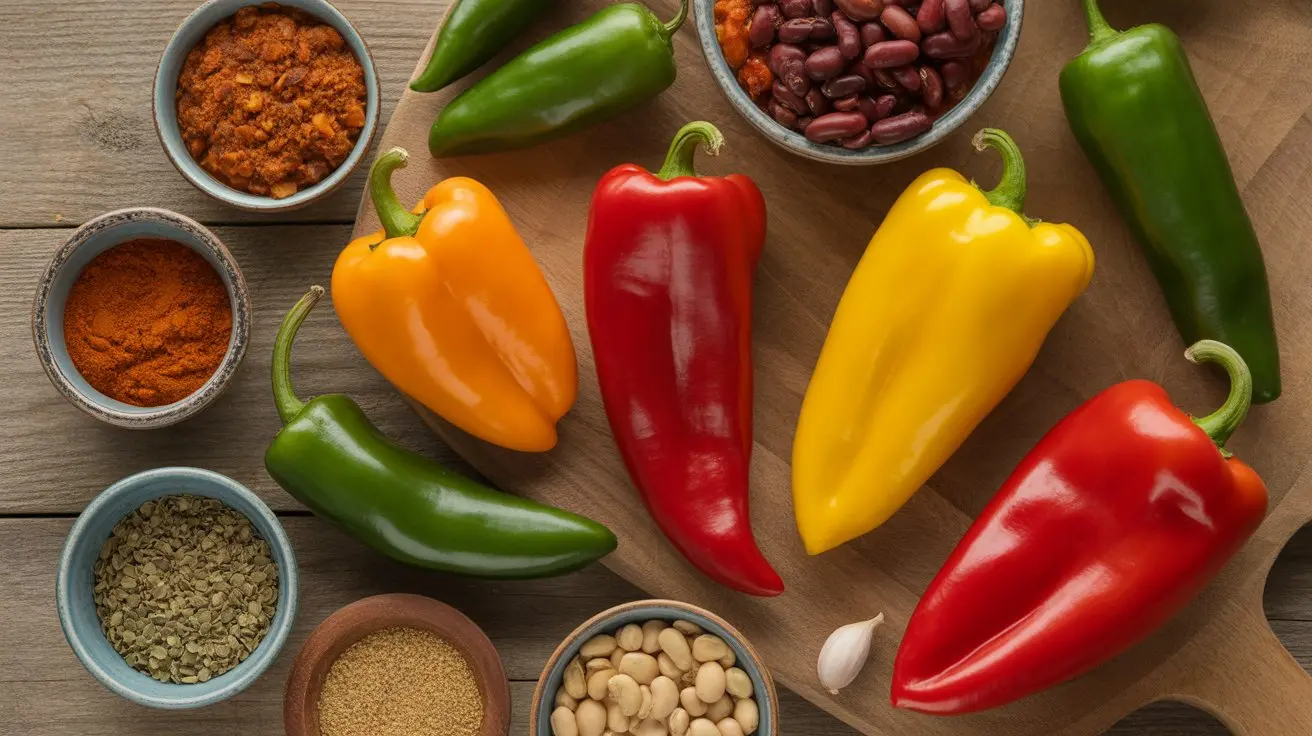
What changes reliably is delivery. Heat softens tissue, water can evaporate or carry compounds away, and cutting exposes the hot placental tissue to more of the dish.
A cooked pepper can taste hotter, milder, or more even. The method changes concentration and distribution, while measured capsaicinoids may also decline during sufficiently intense heating.
Why the Same Pepper Can Feel Hotter After Cooking
Raw pepper pieces do not deliver heat evenly because one bite may contain more inner placental tissue than the next. Chopping and softening that tissue spreads the existing capsaicin through the food.
Water loss can also reduce the size of the bite carrying that capsaicin. A blistered pepper with less moisture can feel more concentrated even if laboratory analysis would not show an increase in total capsaicinoids.
A sauce creates a different effect. Simmering distributes the pepper through more spoonfuls, so the burn may feel less spiky but appear in every bite.
Does Roasting Make Peppers Hotter?
Roasting removes moisture, softens the walls, and develops browned flavor. Those changes can make a roasted pepper taste denser and hotter than a watery raw slice.
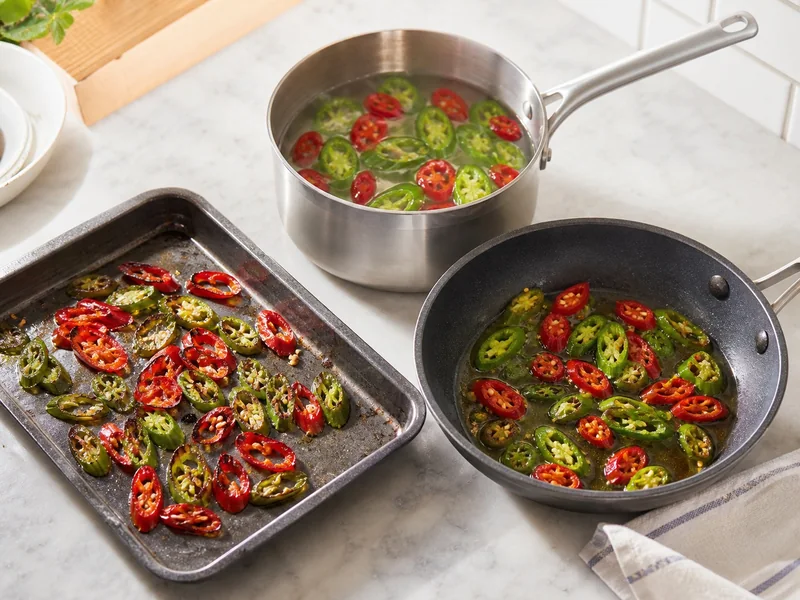
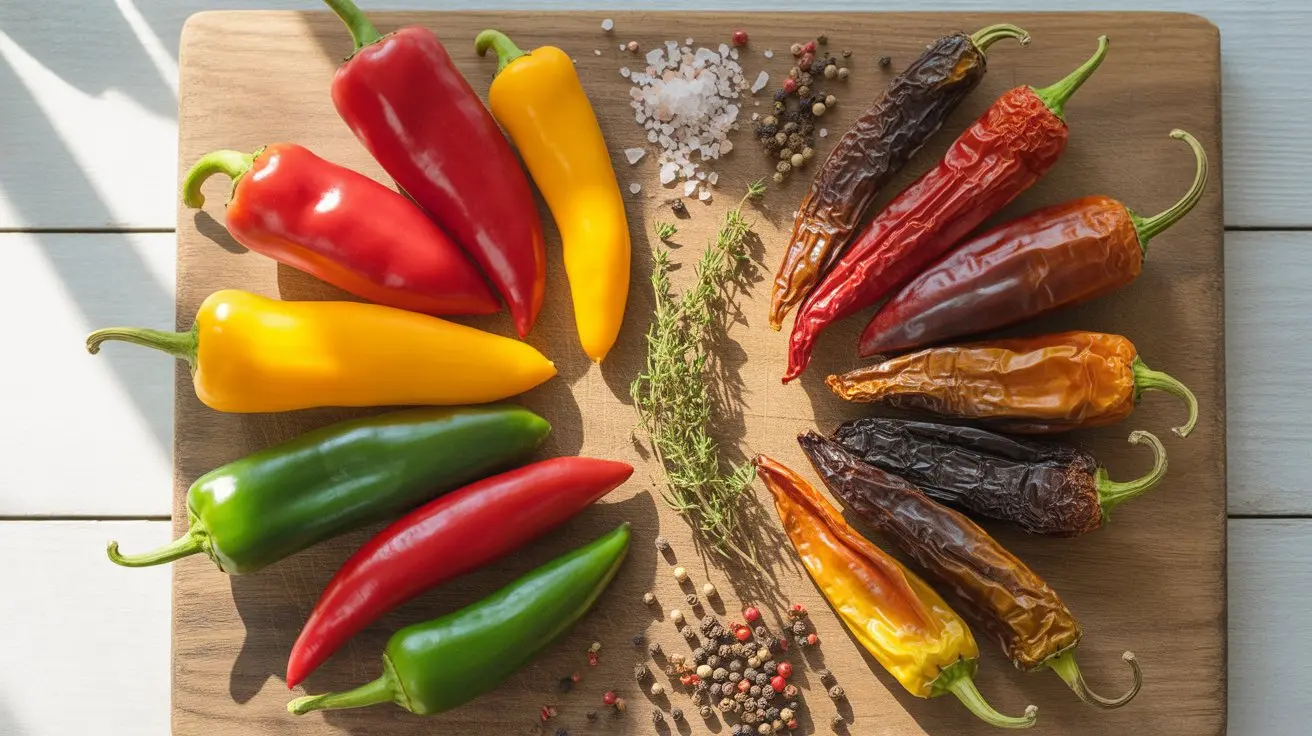
The Ornelas-Paz study prevents a broader claim. Its boiled and grilled poblano, chilaca, Caribe, jalapeno, serrano, habanero, and manzano samples showed that capsaicinoid retention depended on both the pepper and the cooking treatment.
Use roasting when you want concentrated pepper flavor and even distribution after chopping or blending. Do not use roasting as a dependable way to raise a pepper's Scoville rating.
For salsa or sauce, compare the roasted batch only after the pepper has been blended into the full volume. Sweetness and browned aroma can change the perceived balance before the capsaicin itself has changed much.
Why Does Oil Spread Pepper Heat Through a Dish?
Capsaicin is strongly hydrophobic, and food-emulsion research describes its poor water solubility and compatibility with lipid delivery systems. When chile enters cooking oil, the oil can carry pungency away from the original pepper piece.
This is why a few slices fried in oil can season an entire skillet. The dish has not gained new capsaicin, but more bites now contain some of the infused fat.
Bloom ground chile over moderate heat, stir briefly, and add the next wet ingredient before the powder scorches. A darkened, bitter powder is a flavor failure rather than proof that the dish gained useful heat.
Use chili oil when broad, lingering distribution is the goal. Strain the solids out once the fat carries enough heat, because the pieces keep releasing into the oil while it sits.
Does Boiling Peppers Make Them Milder?
Boiling softens the pepper and moves flavor compounds into the surrounding liquid. Discarding that liquid can leave the pepper pieces milder, while keeping it in soup or sauce keeps the dispersed heat in the meal.
Bustamante, Armendariz Guajardo, and Cahill found that pepper samples cooked in water had longer capsaicin half-lives than dry pepper powder. Water therefore did not simply destroy capsaicin on contact.
Blanching can still be a useful control step when the water is drained. For a braise, stew, or soup where the liquid stays, expect redistribution rather than removal.
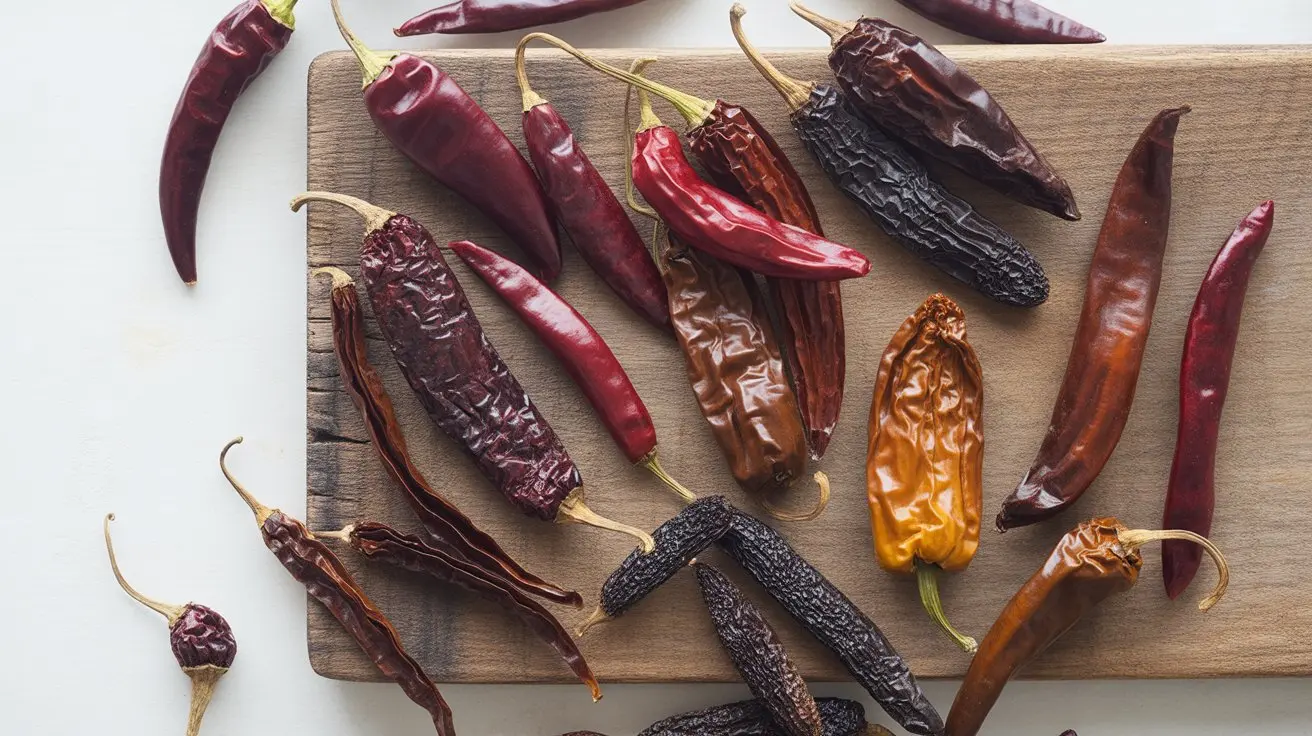
The same choice applies when you rehydrate dried peppers. Taste the soaking liquid before deciding whether its bitterness and heat belong in the finished sauce.
Pepper Prep Often Changes the Result More Than the Pan
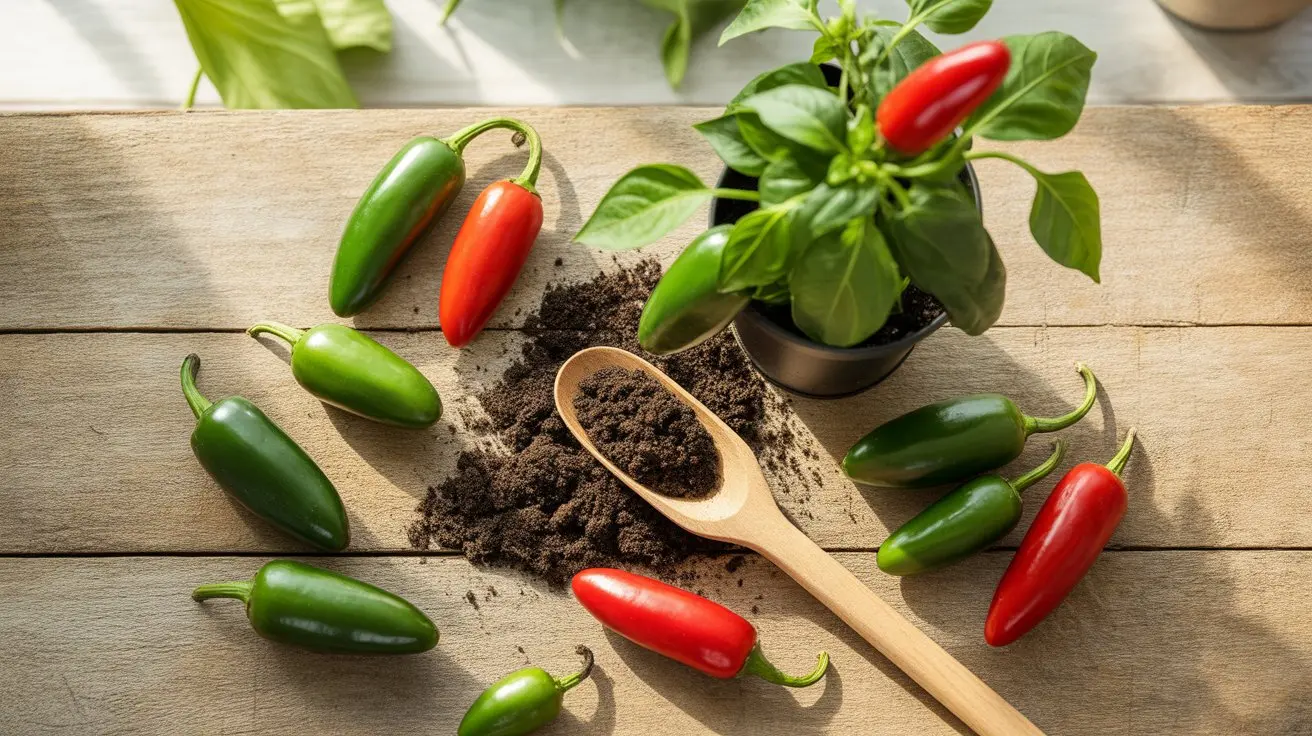
The National Pesticide Information Center identifies capsaicin as the compound responsible for pepper pungency, while pepper anatomy places the greatest concentration in the inner placental tissue. Seeds can carry capsaicin after touching that tissue, but they are not the main production site.
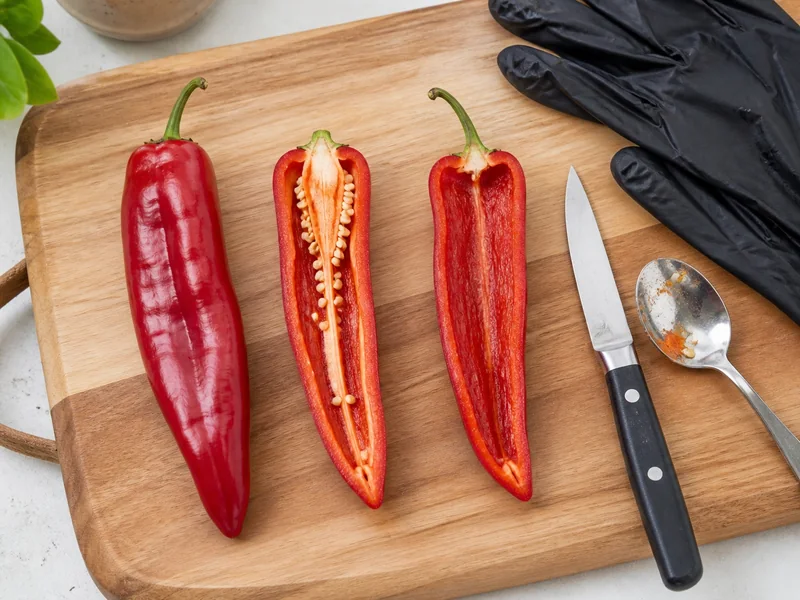
Remove the pale ribs and placenta before cooking when you need a milder result. Keeping them and mincing the pepper creates more exposed surface and spreads heat faster.
Cut orientation decides whether the ribs can be reached at all. Cutting a jalapeno lengthwise opens the pod so that pale tissue can be scraped out, while cross-cut rings leave it embedded in every slice.
Can You Cook the Heat Out?
Bustamante and colleagues measured capsaicin and dihydrocapsaicin degradation between 100°C and 210°C. They reported first-order behavior and faster degradation at higher temperatures.
That result does not turn longer cooking into a practical rescue method. A sauce can lose water, spread capsaicin, and concentrate other flavors while some capsaicinoids are degrading.
Cooking a too-hot pot for another hour may therefore leave it just as difficult to eat. Treat extra time on the stove as a flavor decision, not as a way to lower the burn.
Dry powder also behaves differently from pepper pieces in water. The study's longer half-lives for water-cooked samples show why one time and temperature cannot predict every pan.
Choose the Method by Where You Want the Heat
Choose by where the heat should end up: in one concentrated bite, in every spoonful, or out with the drained water. Each method below changes one of those three, and the last column is what you adjust when it lands wrong.
| Method | Main change | Best control |
|---|---|---|
| Roast or grill | Water loss and softened tissue concentrate each bite | Blend into the full dish before judging |
| Bloom in oil | Capsaicin spreads through the cooking fat | Use a measured dose and moderate heat |
| Simmer in sauce | Heat becomes more evenly distributed | Add in stages and taste after dispersal |
| Boil and drain | Some flavor and heat leave with the liquid | Discard the water only when the recipe allows |
| Cook whole | Less inner tissue reaches the dish | Remove the pod when the heat is sufficient |
The table describes kitchen behavior, not a guaranteed Scoville change. Pepper variety, starting capsaicinoid content, cut size, cooking time, and retained liquid still control the outcome.
Four questions before the pepper enters the pan
- Will the cooking liquid stay in the dish?
- Will oil carry the heat into every serving?
- Can the pepper remain whole and be removed?
- Will evaporation concentrate the finished portion?
How Can You Tone Down Pepper Heat During Cooking?
Cooking the pod whole is the one heat decision you can reverse. Lift it out when the broth tastes right, while the same pod minced into the pot has already dispersed its hot tissue beyond recovery.
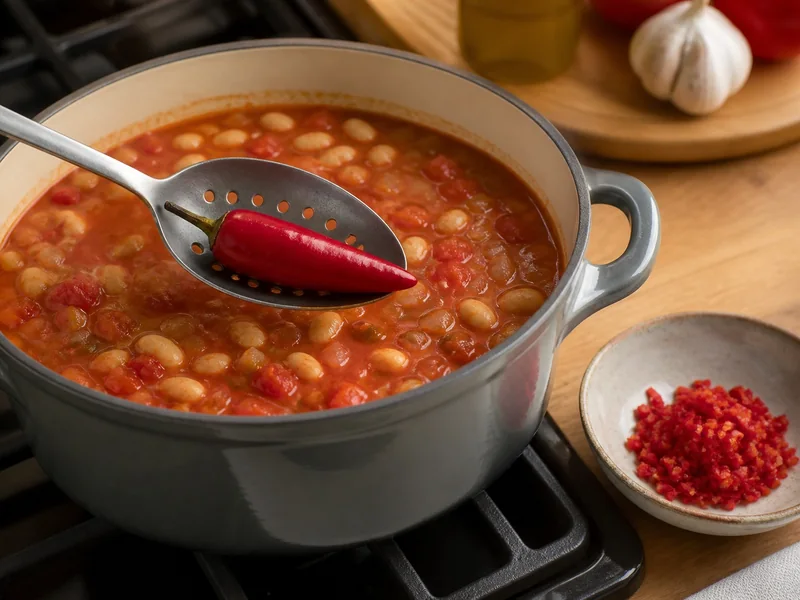
Sugar cannot remove capsaicin, because sweetness changes the balance the tongue reads rather than the irritant itself.
Dilution is the correction with a predictable size. Adding more of the unsalted base the recipe already uses, such as beans, tomato, stock, dairy, or coconut milk, lowers the capsaicin each serving carries.
Add that base in measured stages, because it dilutes the salt and acid along with the heat. Taste a cooled spoonful after each stage, since steam and serving temperature push the first impression hotter than the plate will be.
Keep Hot Pepper Vapors and Skin Contact Under Control
NPIC classifies capsaicin as an irritant to eyes, skin, and the respiratory system. Very hot peppers and fine powders deserve ventilation, intact gloves, and careful hand washing.
Avoid dropping powder into smoking oil or charring superhot peppers in a dry pan. Lower heat and prompt addition of liquid reduce the chance of filling the kitchen with irritating particles.
Keep children and pets away from the prep area, and do not touch contact lenses while handling cut peppers. Wash tools and boards with detergent before they return to general use.
Water alone spreads capsaicin rather than removing it.
Detergent or a fatty dairy wash lifts the oil off skin instead, which is why stopping a pepper burn starts with a solvent and not with a rinse.
Cooking changes where and how strongly existing heat reaches the eater, while intense time and temperature may reduce capsaicinoids rather than create them.