
Hot Peppers
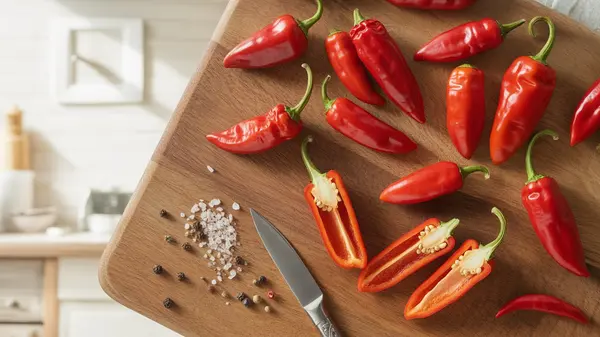
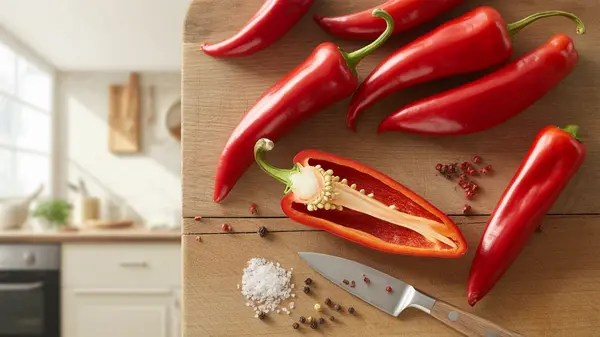
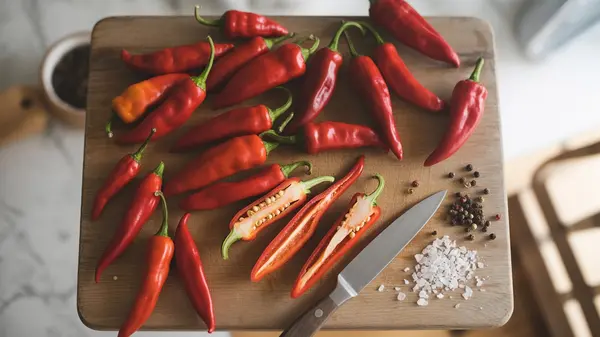
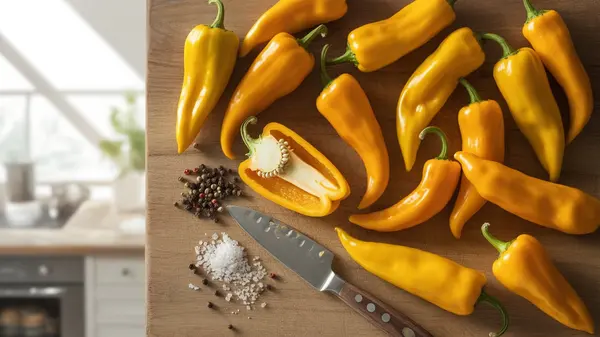
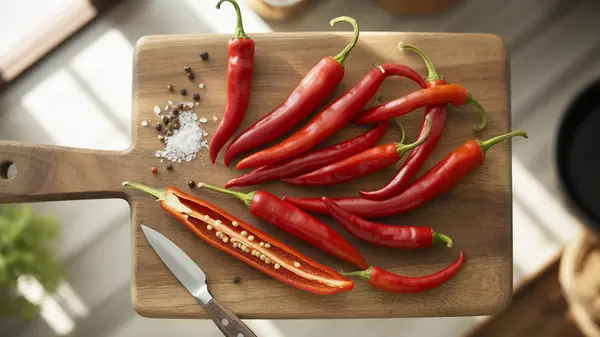
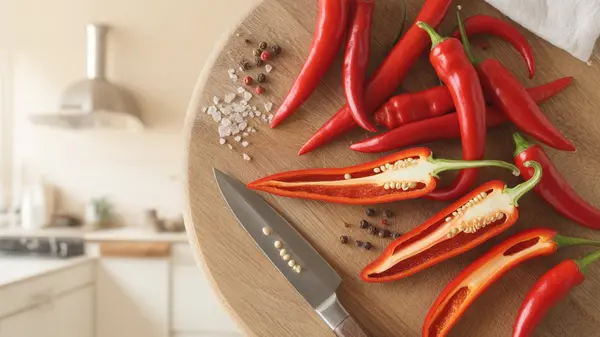
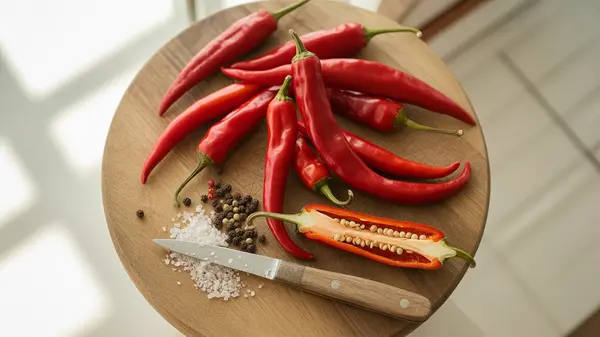
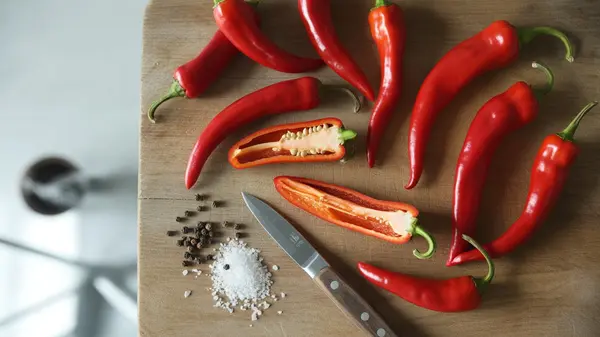
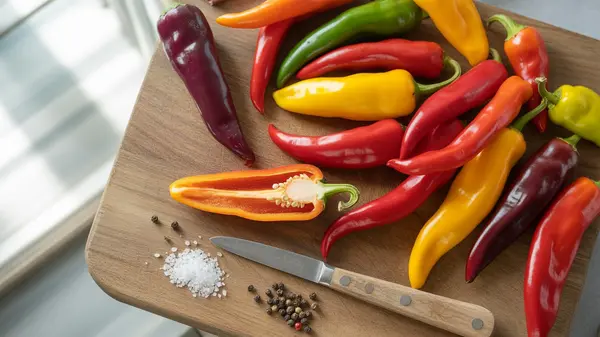
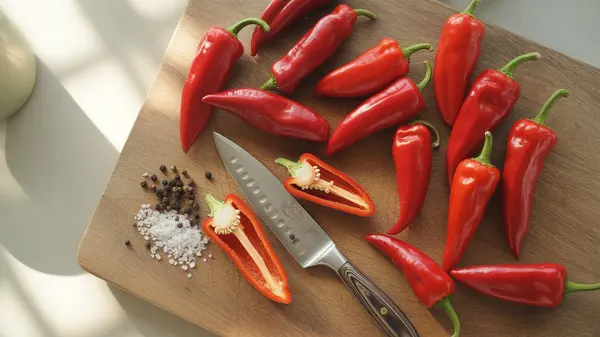
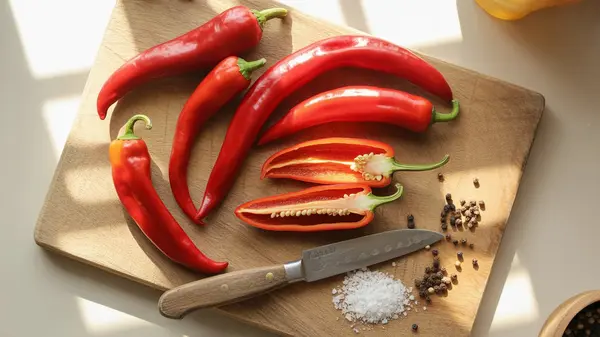
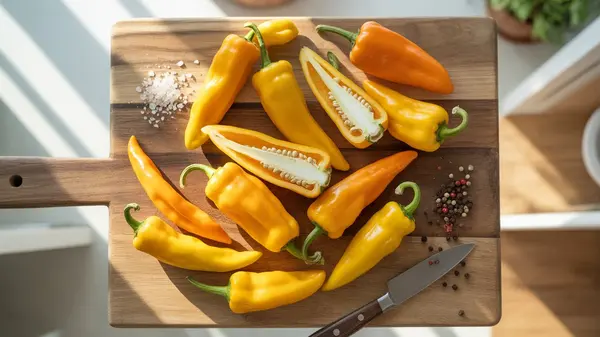
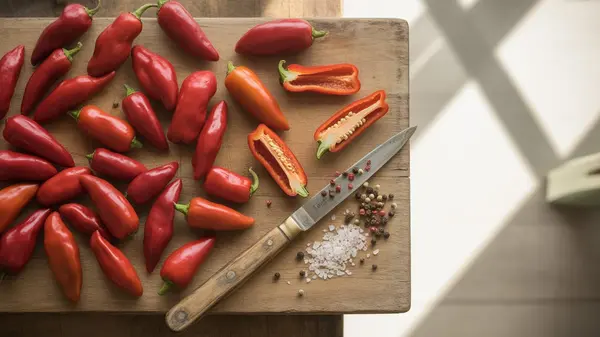
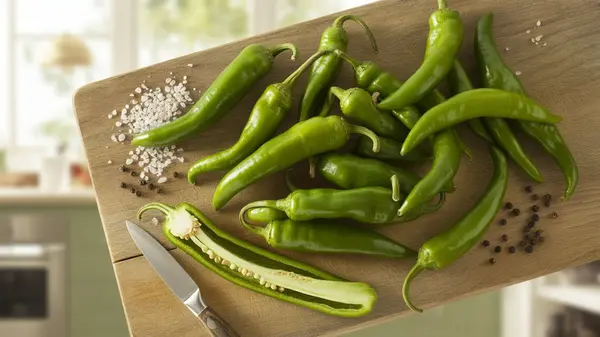
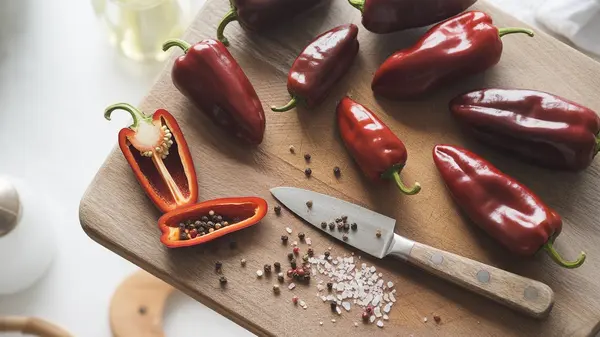
Hot peppers range from 10,000–99,999 SHU. This is the workhorse tier of global cuisine – serrano, cayenne, Thai chili, and dozens of regional varieties used daily in kitchens worldwide.
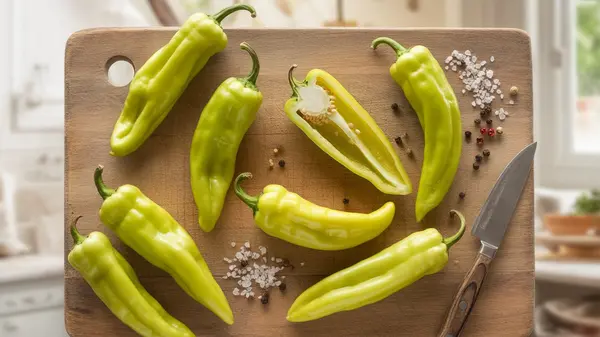
Quick Facts: Hot Peppers
All Hot Peppers
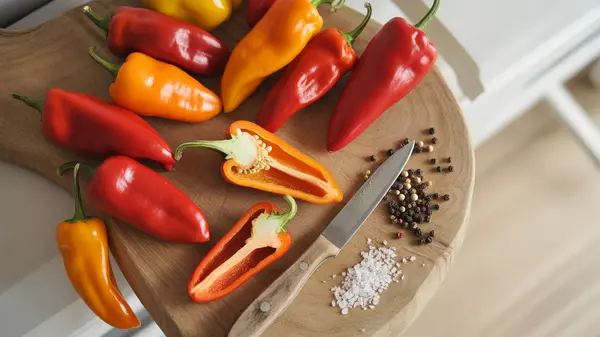
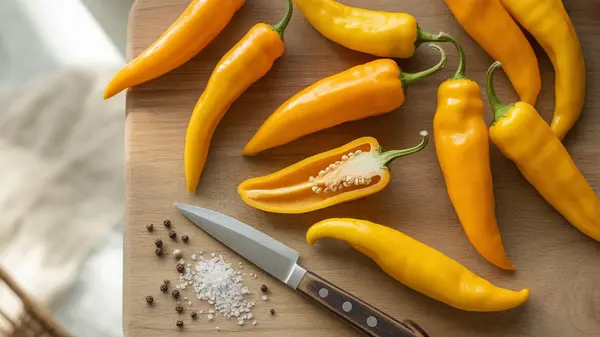
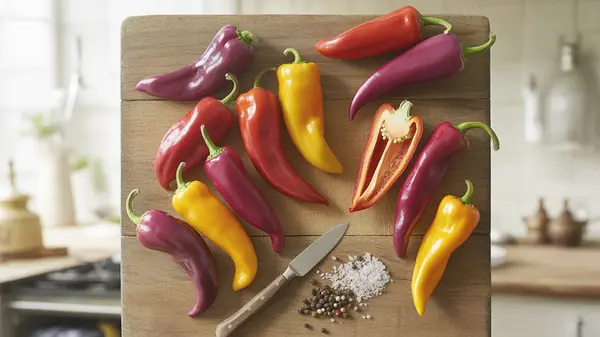
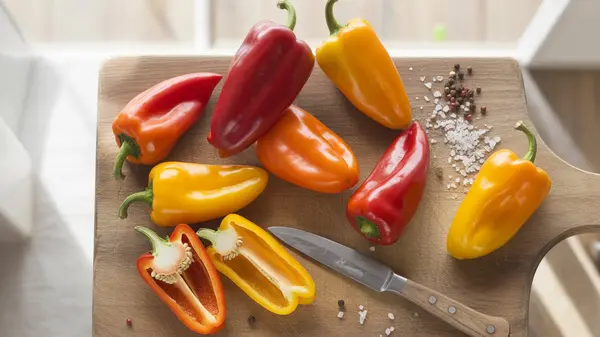
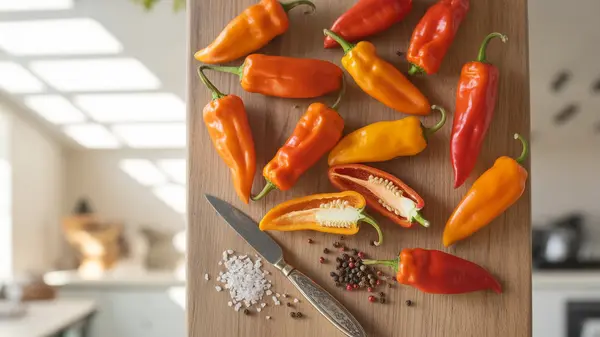
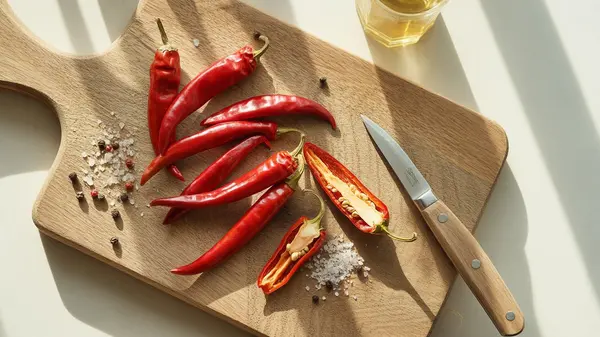
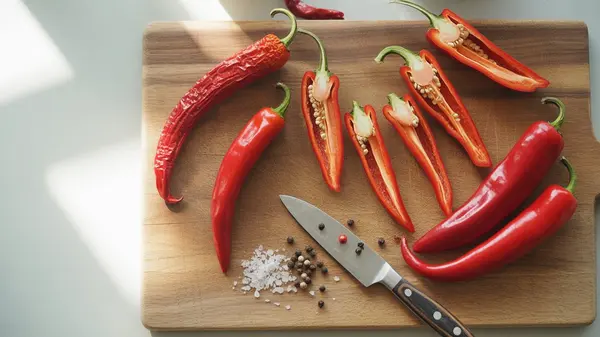
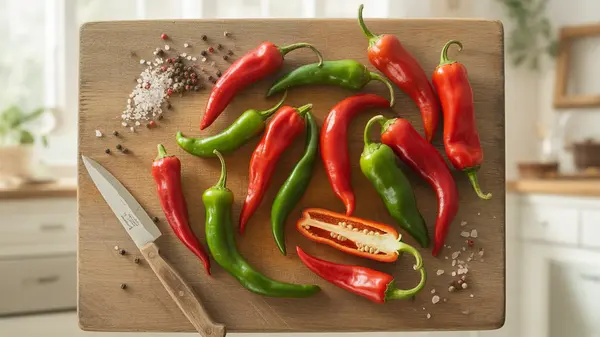
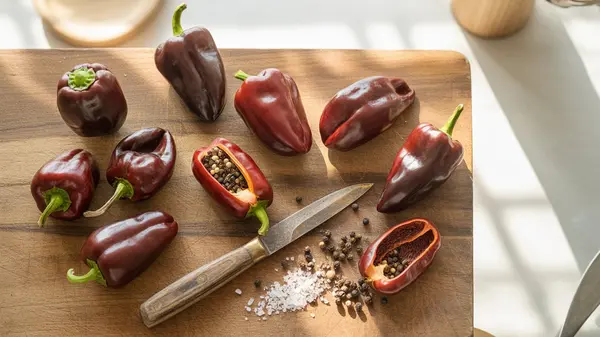
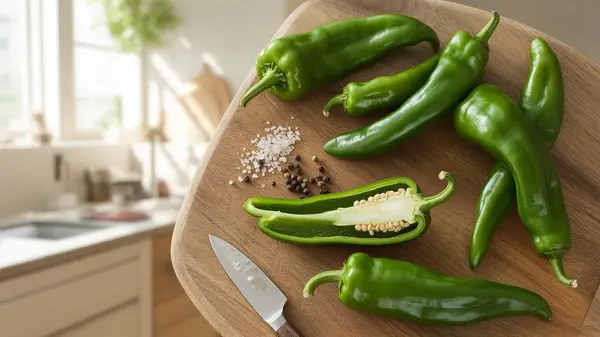
Every hot pepper in our database, sorted by maximum Scoville rating. Click any card for the full profile with flavor notes, growing tips, and substitutes.
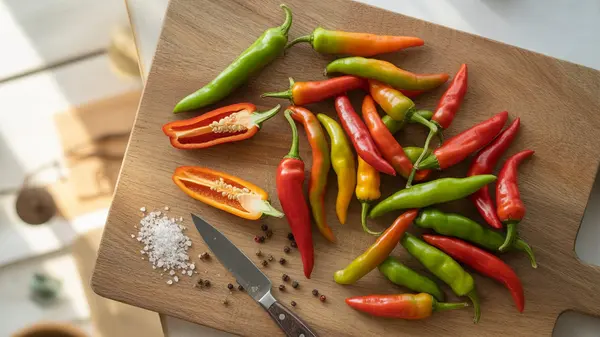
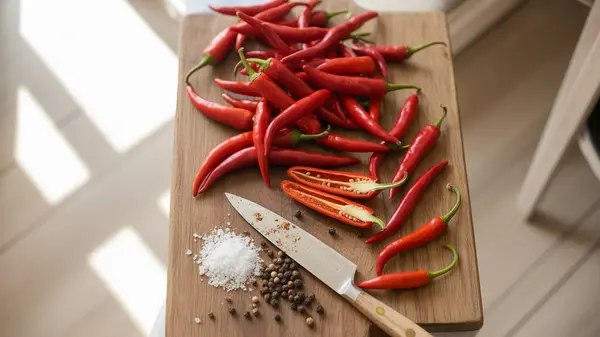
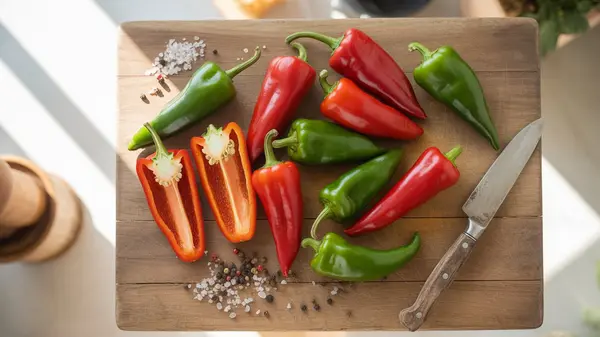
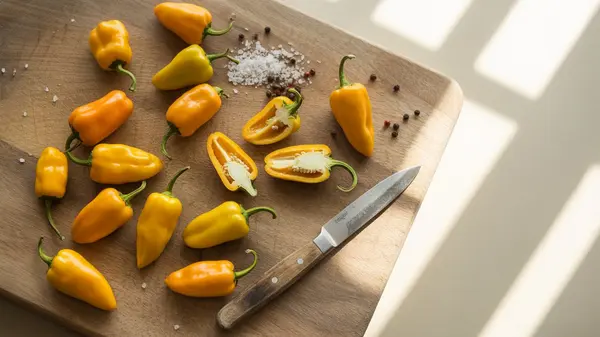
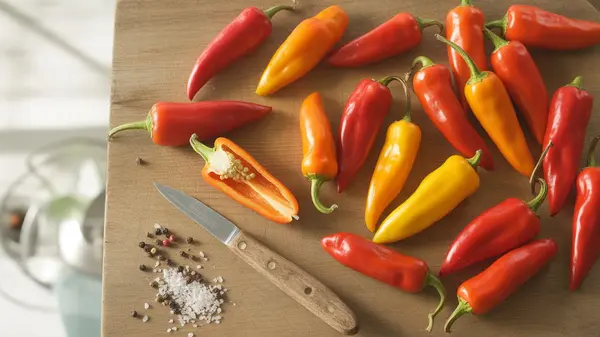
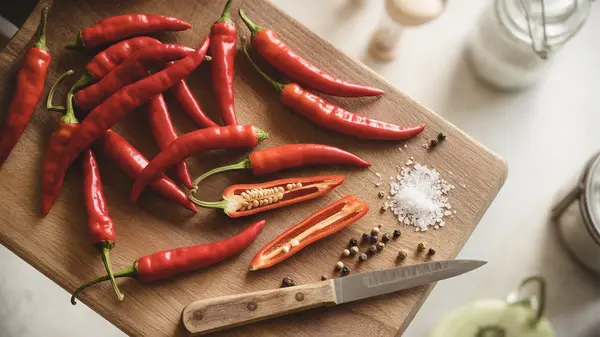
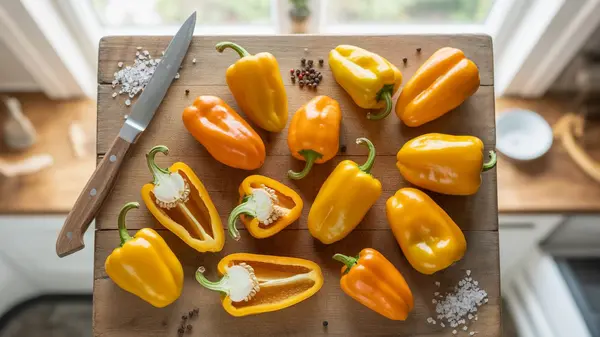
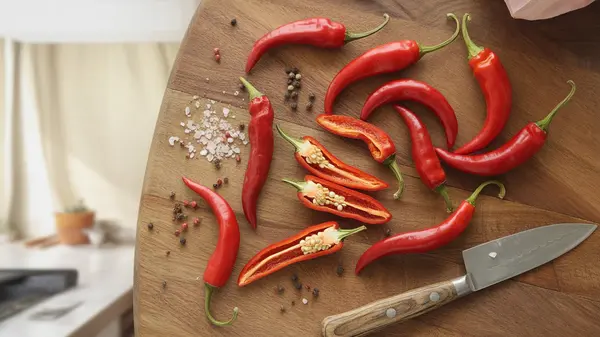
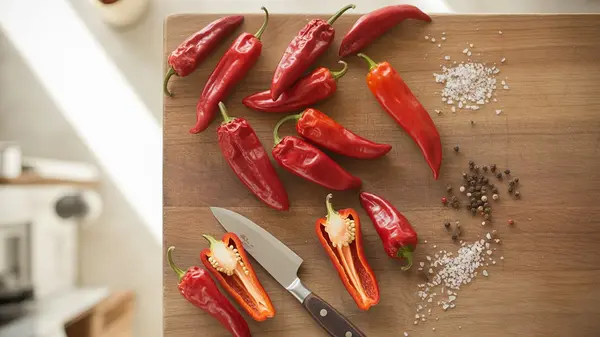
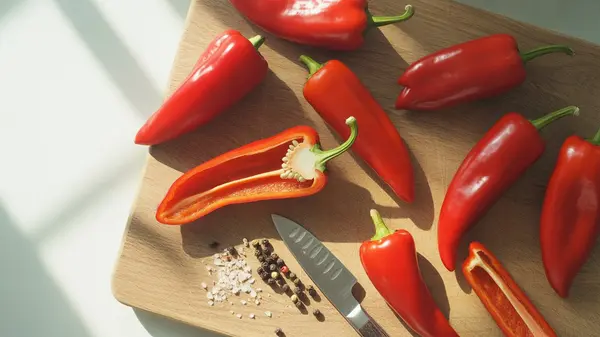
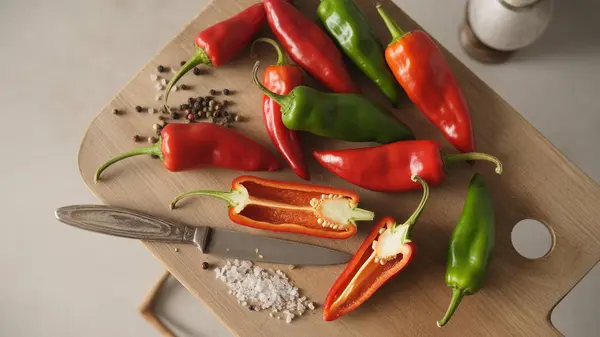
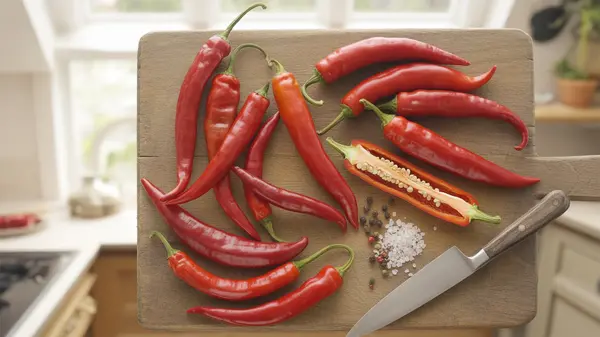
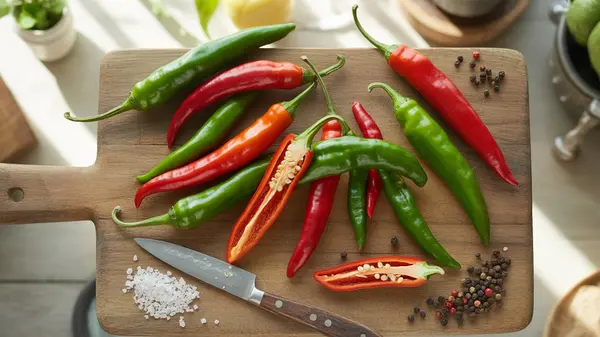
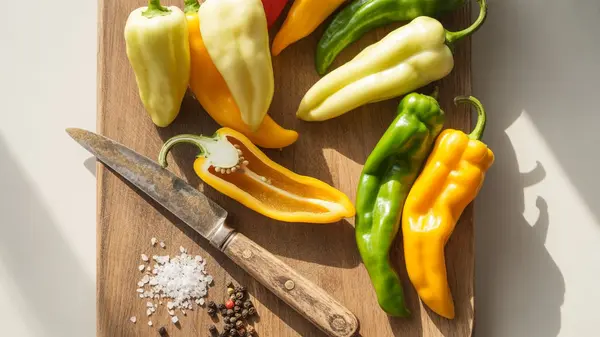
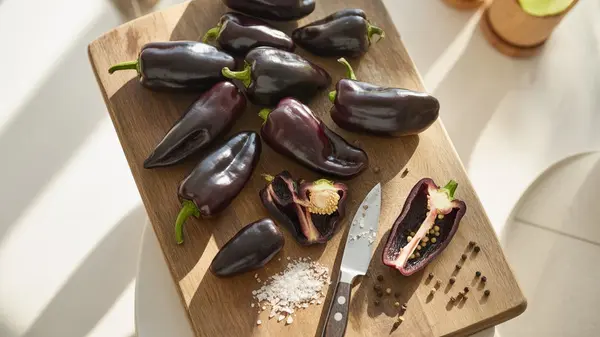
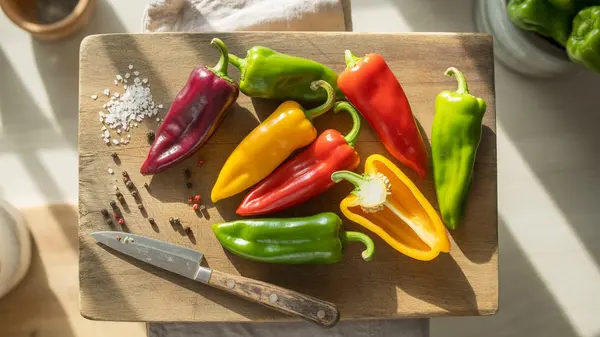
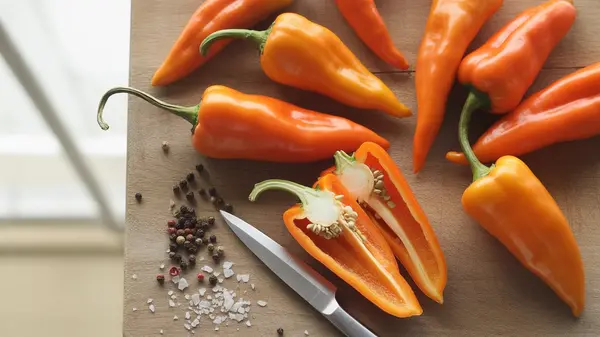
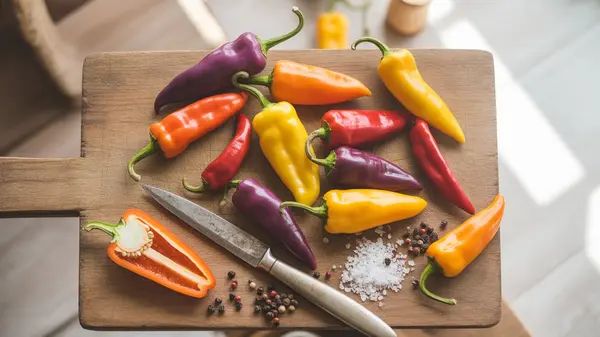
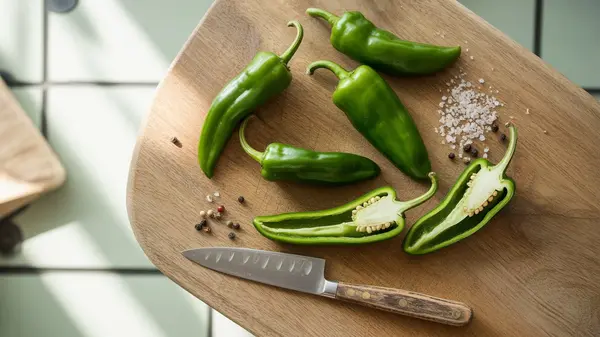
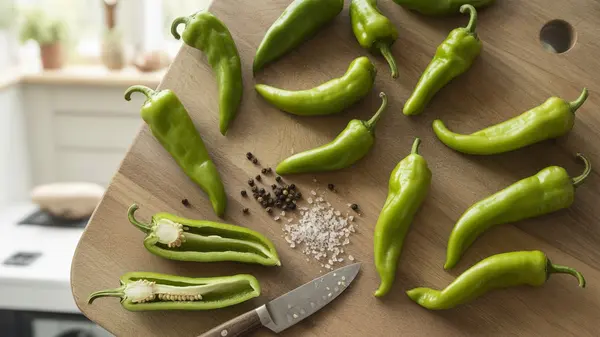
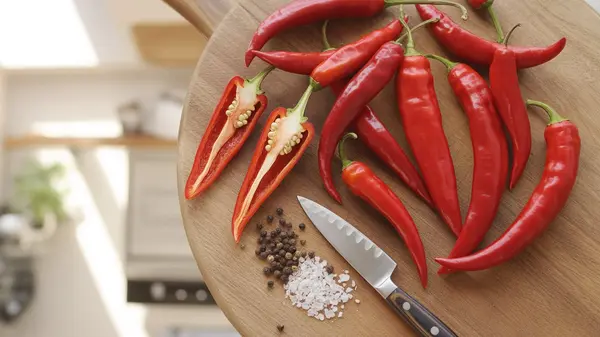
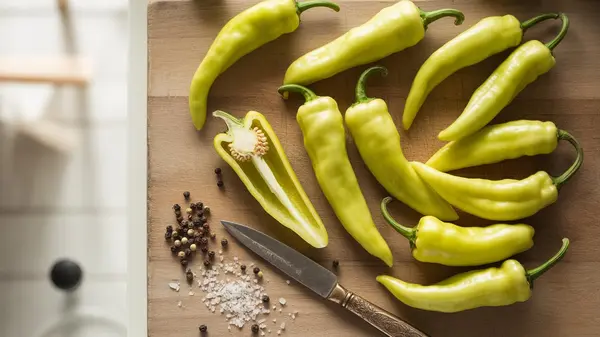
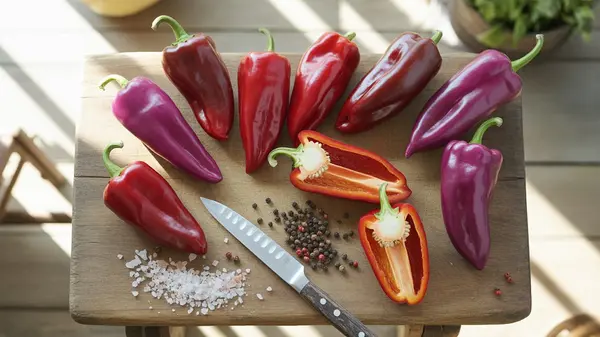
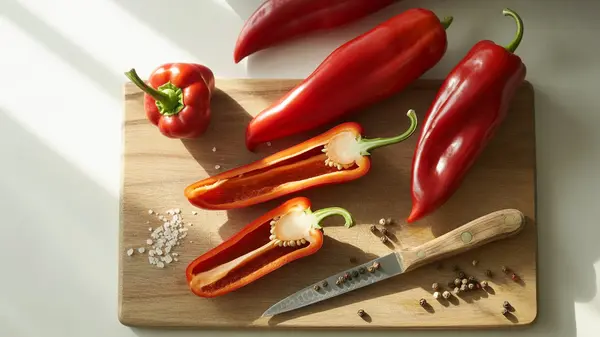
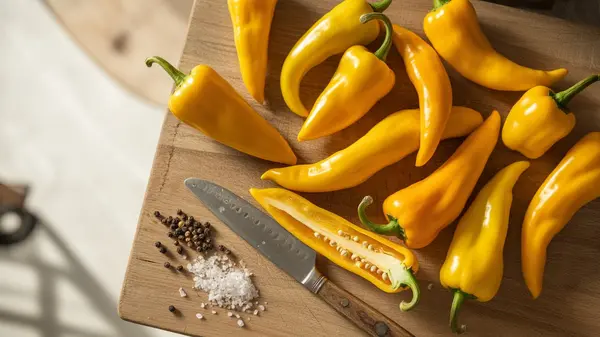
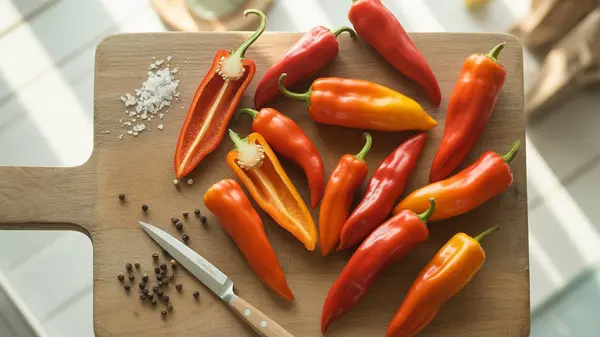
How Hot Peppers Compare
Visual breakdown within the 10K–100K SHU range
The Science of Hot Heat
Capsaicin at Hot Level
Capsaicin content between 700–6,000 ppm. Most adults with any chili experience can eat these comfortably. The heat adds presence without overwhelming other ingredients.
Capsaicin activates TRPV1 pain receptors. The sensation is real pain, but causes no physical damage.
Species in This Tier
Dominated by C. annuum, the most widely cultivated Capsicum species. Annuum peppers are typically faster to grow, more tolerant of temperature swings, and produce higher yields than chinense varieties.
Cooking with Hot
Everyday cooking peppers. Cayenne is the default heat source for spice racks worldwide. Serranos are Mexico's second-most-popular fresh pepper. Thai chilis anchor Southeast Asian cuisine.
Roasting deepens sweetness. Raw preserves brighter notes. See our fresh vs dried guide.
Safety & Handling
Standard kitchen hygiene is sufficient. Wash hands after cutting. If you get capsaicin in your eyes, flush with milk or a baking soda solution – not water.
Full remedies in our capsaicin burn relief guide. TL;DR: dairy, sugar, or dish soap.
Hot Pepper Comparisons
Side-by-side breakdowns of heat, flavor, and culinary uses for hot-tier peppers.
De Arbol vs Tien Tsin: What's the Difference?
Facing Heaven Pepper vs Tien Tsin: Key Differences Explained
Dundicut Pepper vs Kashmiri Chili: What's the Difference?
Chiltepin vs Piquin Pepper: Which Pepper Should You Use?
Cayenne Pepper vs Habanero: Taste, Heat & When to Use Each
Cayenne Pepper vs Jalapeño: Side-by-Side Pepper Comparison
Related Guides
Frequently Asked Questions
Other Heat Levels
The Scoville scale spans from 0 SHU to over 3 million. Each tier serves a different culinary purpose.