
Mild Peppers
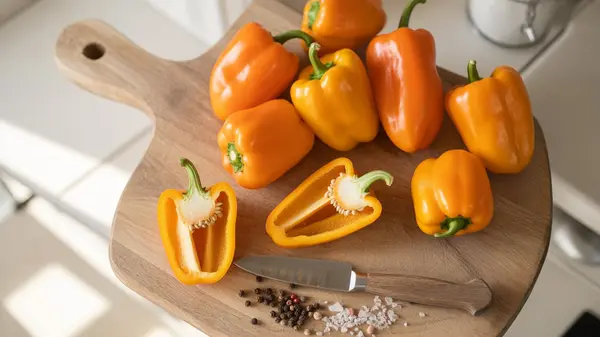
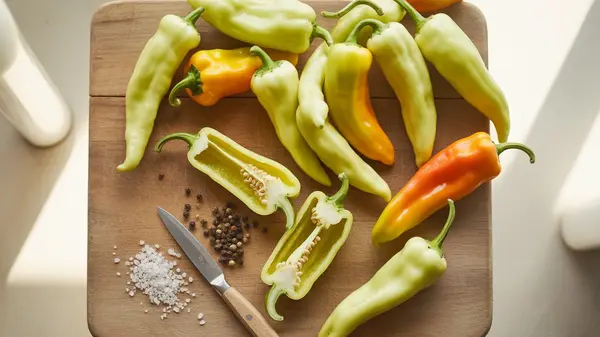
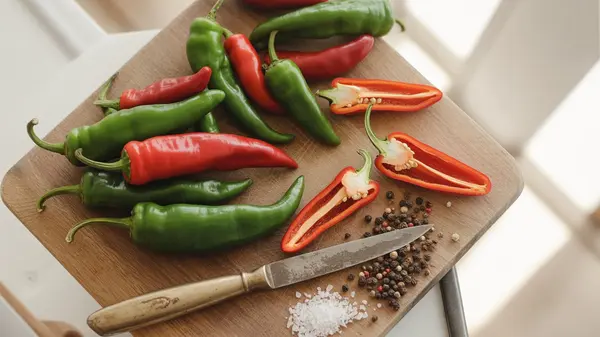
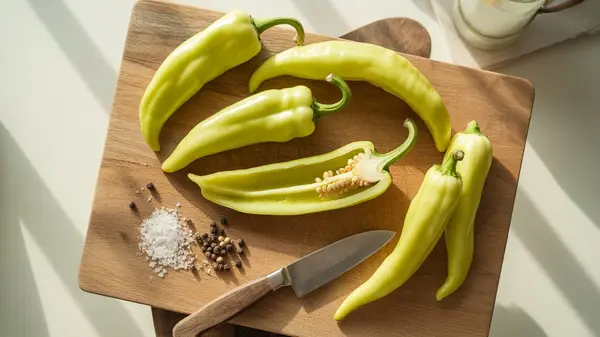
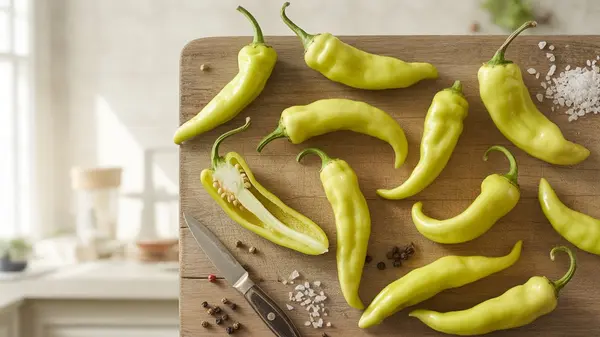
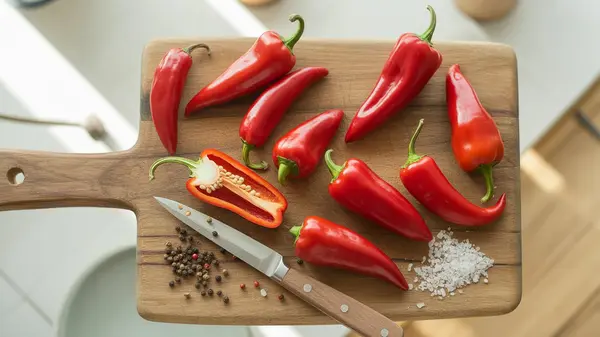
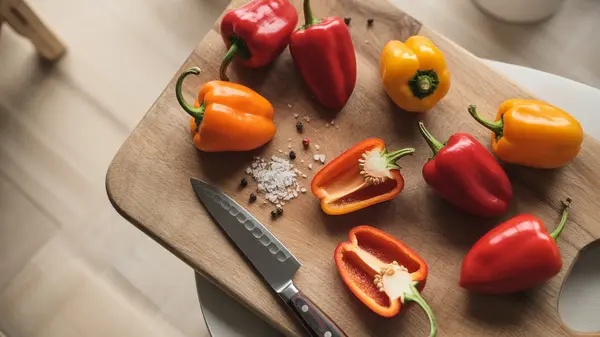
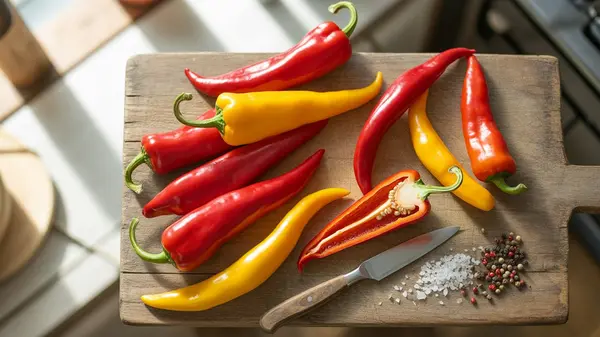
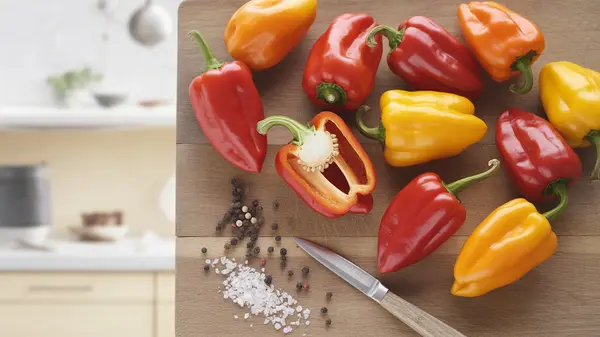
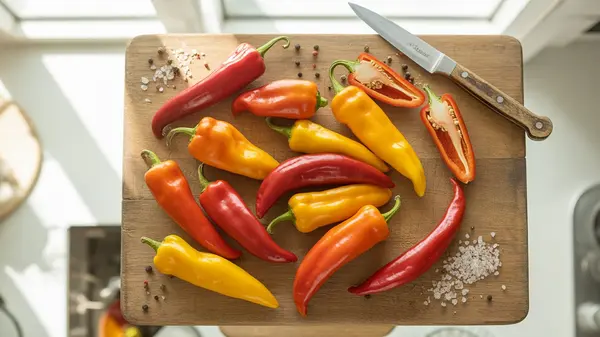
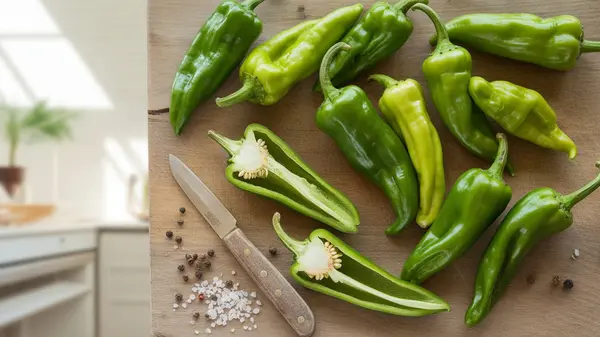
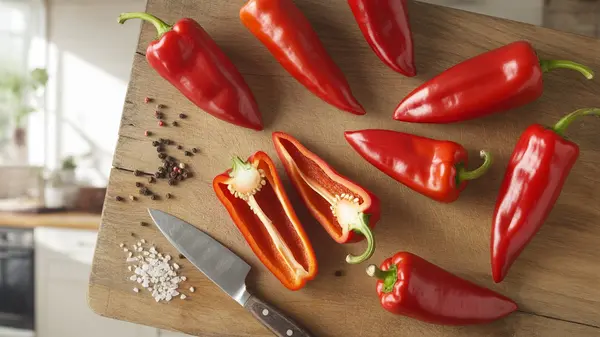
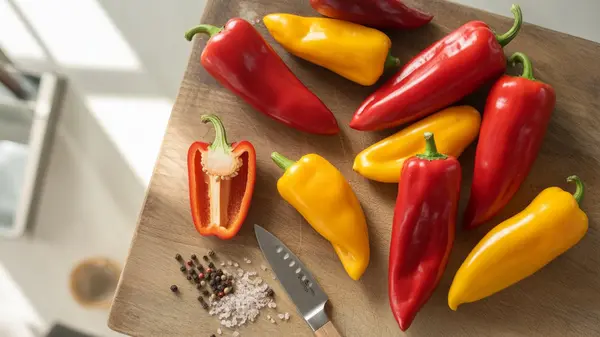
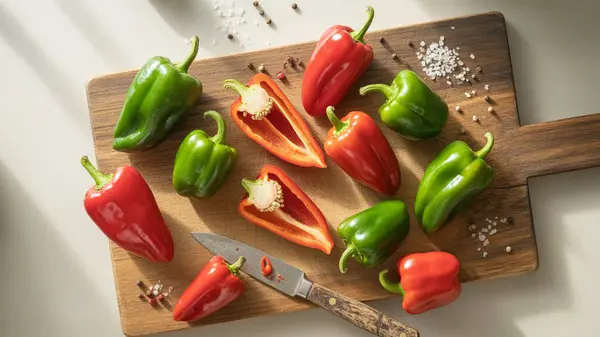
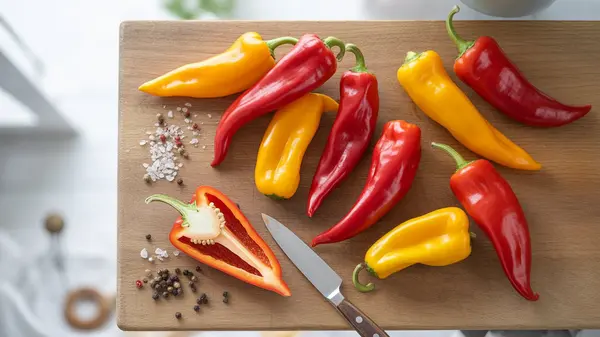
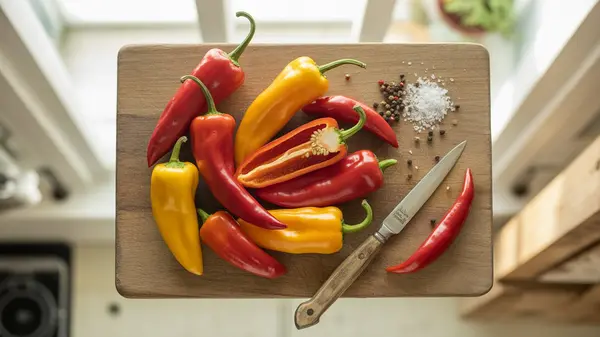
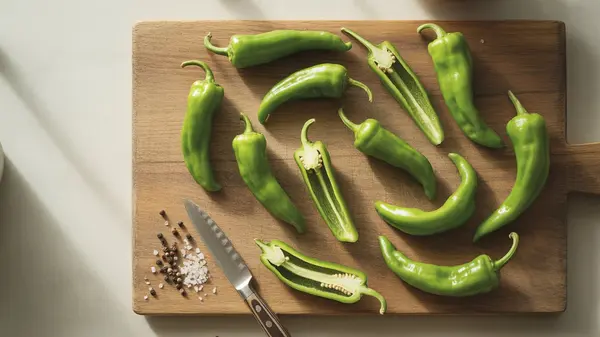
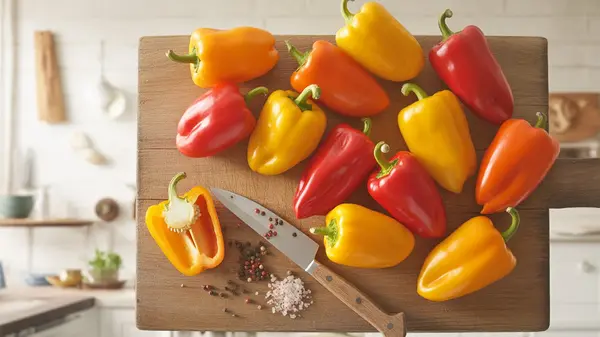
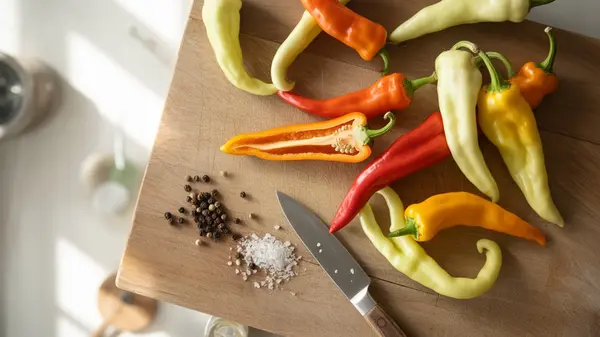
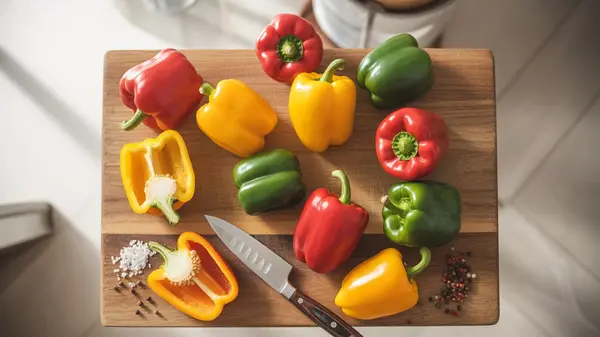
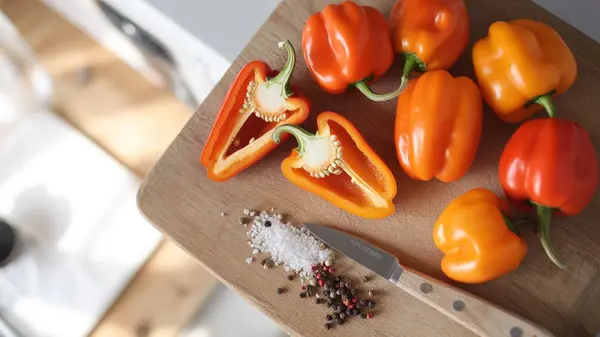
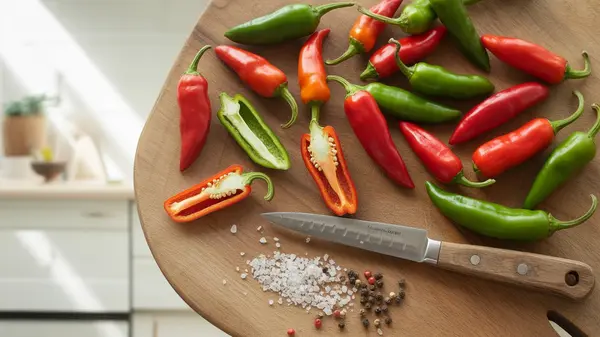
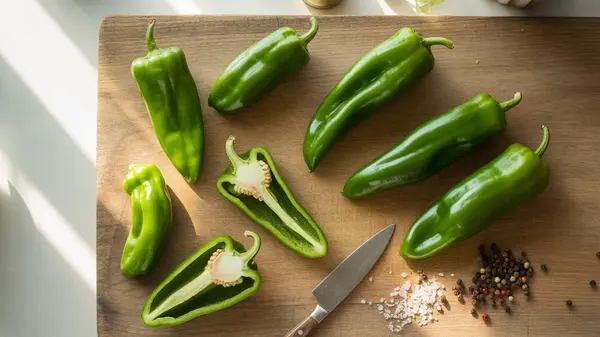
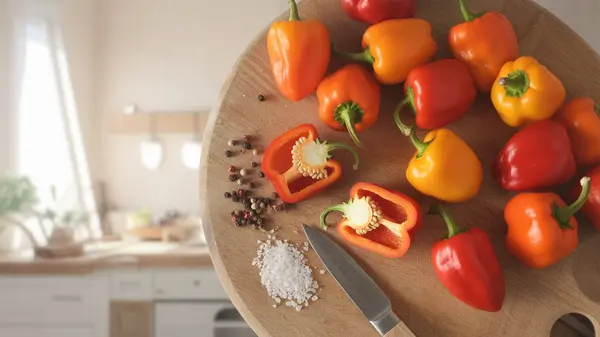
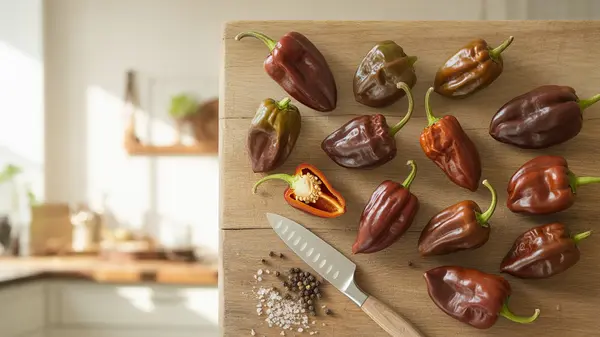
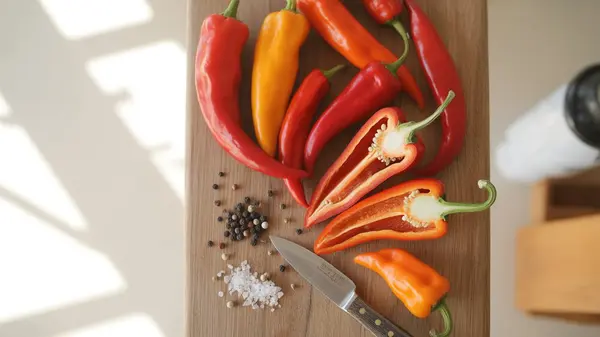
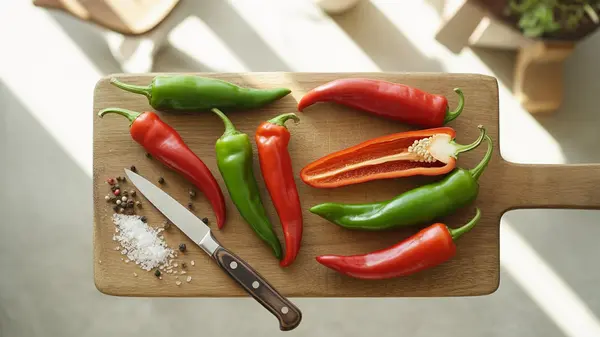
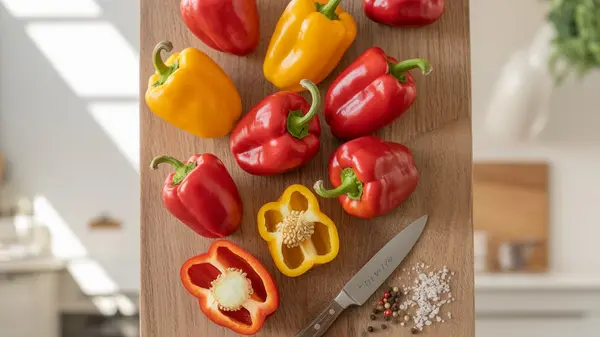
Mild peppers range from 0–999 SHU. This tier includes bell peppers (0 SHU), banana peppers, pimientos, and shishito peppers. Heat is absent or barely perceptible – flavor and texture are the primary attributes.
Quick Facts: Mild Peppers
All Mild Peppers
Every mild pepper in our database, sorted by maximum Scoville rating. Click any card for the full profile with flavor notes, growing tips, and substitutes.
How Mild Peppers Compare
Visual breakdown within the 0–999 SHU range
The Science of Mild Heat
Capsaicin at Mild Level
Capsaicin content below 70 ppm. Bell peppers produce zero capsaicin due to a recessive gene that blocks the biosynthetic pathway. Other mild peppers produce trace amounts detectable by instruments but not by most people.
Capsaicin activates TRPV1 pain receptors. The sensation is real pain, but causes no physical damage.
Species in This Tier
Primarily C. annuum. Bell peppers are the most economically significant Capsicum crop globally, with worldwide production exceeding 36 million metric tons annually.
Cooking with Mild
Valued for texture, sweetness, and color rather than heat. Bell peppers are the third-most-consumed vegetable in the United States. Roasting brings out natural sugars. Stuffing is the most popular cooking method for large-cavity varieties.
Roasting deepens sweetness. Raw preserves brighter notes. See our fresh vs dried guide.
Safety & Handling
No heat precautions needed. Mild peppers are used in baby food and are safe for young children.
Full remedies in our capsaicin burn relief guide. TL;DR: dairy, sugar, or dish soap.
Mild Pepper Comparisons
Side-by-side breakdowns of heat, flavor, and culinary uses for mild-tier peppers.
Banana Pepper vs Jalapeño Showdown: Heat, Flavor & Uses
Banana Pepper vs Pepperoncini: What's the Difference?
Banana Pepper vs Hungarian Wax: Key Differences Explained
Banana Pepper vs Cubanelle Pepper – Heat & Flavor Compared
Banana Pepper vs Long Hot Italian: Key Differences Explained
Friggitello vs Pepperoncini: What's the Difference?
Related Guides
Frequently Asked Questions
Other Heat Levels
The Scoville scale spans from 0 SHU to over 3 million. Each tier serves a different culinary purpose.