

Piri Piri Substitute: Fresh Heat, Sauce, or Powder
For fresh piri piri sauce or marinade, use bird's eye chili first, Thai chili when access matters, and malagueta when you want a closer small C. frutescens sauce pepper. For dried powder, use cayenne with lemon zest or vinegar to bring back brightness. Piri piri is a hot, citrus-friendly pepper, so a mild chile needs extra acid and a hotter chile needs a much smaller dose.
Heat at a glance
What Can You Use Instead of Piri Piri Pepper?
Bird's eye chili for fresh sauce
Closest MatchFresh piri piri sauce needs a small pepper with fast heat. Bird's eye chili gives that sharp burn in marinades, grilled chicken, table sauce, chile oil, and garlic-lemon blends.
Bird's eye is often sold as a broad market name, so pods can vary. Taste a tiny piece before blending a full batch because some bags run close to Thai chili heat.
This swap keeps the small-pod behavior. It does not copy every African or Portuguese piri piri source, but it works in the same sauce method.
Thai chili for grocery access
Runner-UpUse Thai chili when access matters more than perfect naming. Thai chili keeps the small size, bright bite, and quick heat release that piri piri recipes need in marinades and hot sauce.
Thai chili works well in blender sauces, chopped relish, grilled shrimp, and chicken marinade. Add citrus, garlic, and a little oil to move the flavor toward piri piri instead of Thai dipping sauce.
If Thai chili becomes your main swap, the Thai chili substitute guide gives backup options without turning the recipe mild.
Malagueta for vinegar heat
Also GreatPortuguese and Brazilian-style sauces often need a pepper that likes vinegar. Malagueta and the Brazilian malagueta profile both point to a small, hot C. frutescens pepper used in sauces, pickles, and grilled food.
This swap changes the regional story less than a Mexican or Thai pepper would. It is especially useful for grilled chicken, seafood, rice, and bottled hot sauce.
Fresh malagueta can be harder to find than Thai chili. If you only have a vinegar-packed jar, reduce other vinegar in the recipe first.
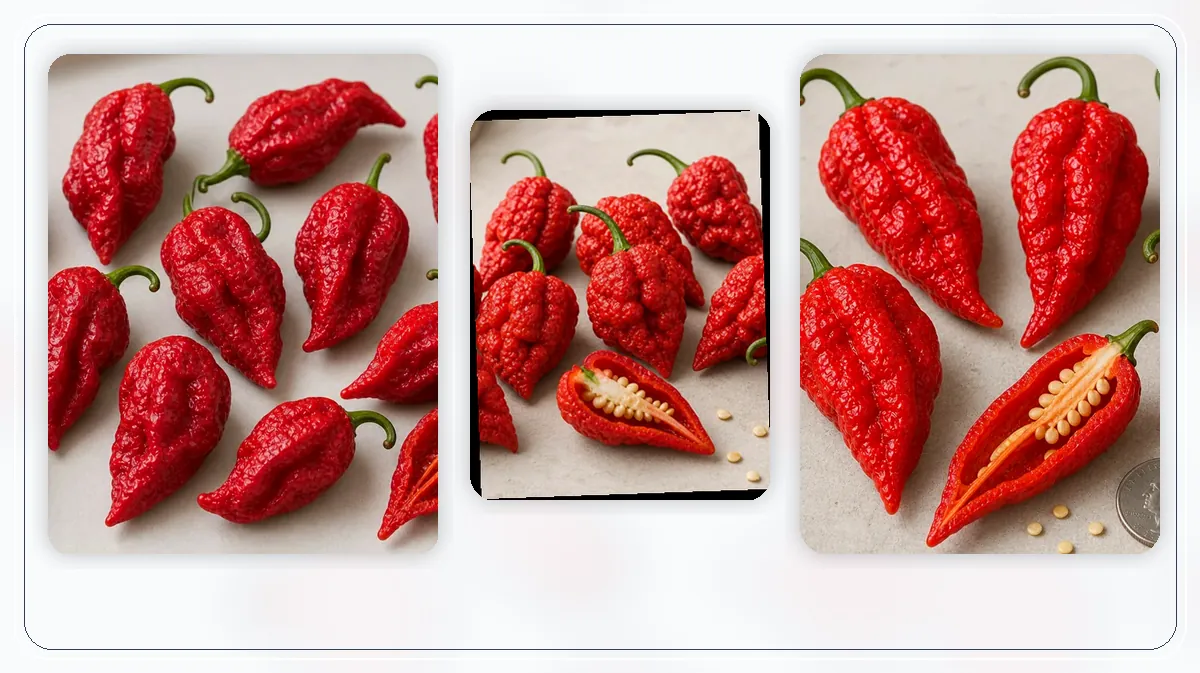
Cayenne with lemon for powder
Powdered rubs need heat that spreads evenly. Cayenne gives clean powder heat, but it lacks the citrus lift that makes piri piri sauce taste bright.
This works in dry rubs, roasted potatoes, grilled meat, and cooked sauces. It is less convincing in raw table sauce because cayenne powder can taste flat before it hydrates.
The piri piri vs cayenne comparison is useful when the question is heat delivery, not fresh pepper texture.
Serrano plus citrus for mild fresh sauce
For a milder table sauce, start with serrano when hotter small chiles are missing. Serrano is easier to find, but it carries less heat and more crisp green flavor.
This works for family-style sauces, relishes, and marinades where piri piri heat would be too aggressive. It will not satisfy a recipe that needs real hot sauce strength.
Serrano changes the pepper role. Use it as a practical grocery workaround, not as a close match.
Thai chili plus paprika
Red marinade sometimes needs color as much as heat. Thai chili brings the burn, while paprika fills in red pepper body without adding much extra heat.
Blend with garlic, lemon, vinegar, oil, and salt.
This mix helps piri piri chicken, roasted vegetables, and quick table sauce look and taste fuller. It also prevents the sauce from becoming only sharp heat.
Use smoked paprika only if the recipe already welcomes smoke. Many piri piri sauces are bright and acidic, not smoky.
Habanero in tiny amounts
Tiny amounts of habanero can save heat when no small hot chile is available. It brings fruity C. chinense aroma, so it changes the sauce more than bird's eye or Thai chili.
Remove seeds and ribs if you need the fruit note without as much burn.
Habanero works in tropical marinades and fruit-forward hot sauces. It is too loud for a simple lemon-garlic piri piri sauce if used 1:1.
The safest move is to blend the sauce without habanero first, then add tiny pieces until the heat lands right.
Peri peri sauce for condiment use
If the recipe calls for bottled piri piri as a condiment, a ready peri peri sauce can replace the finished sauce better than any raw pepper. The spelling often shifts by brand, region, and label.
Bottled sauce already carries those flavors.
Use this for dipping, brushing grilled chicken, finishing eggs, and quick marinades. Do not use it as a direct pepper replacement in a recipe that needs fresh chopped chile texture.
For form differences, bird's eye chili vs peri peri helps separate pepper pods from finished sauce behavior.
Red pepper flakes plus vinegar
Cooked emergency swaps can use red pepper flakes when the dish simmers long enough for flakes to soften. Vinegar supplies the missing bright edge.
This is not a raw sauce swap. It works because heat and acid spread through the dish while texture becomes less important.
Mistakes to Avoid When Replacing Piri Piri
Do not treat peri peri as a different pepper if the recipe is already using the name piri piri for the same sauce family. Check whether the recipe means fresh pods, powder, or bottled sauce first.
Do not replace fresh piri piri with a mild pepper 1:1 and expect the sauce to stay hot. Mild peppers need extra heat and acid support.
Do not use habanero 1:1. It can overpower the sauce with both heat and fruit before garlic, lemon, and vinegar have a chance to balance it.
Substitution tip: When substituting Piri Piri Pepper, start with less of a hotter substitute and add more to taste. For milder substitutes, increase the quantity.
Our swap ratio calculator gives precise conversion amounts, and the heat unit converter translates between Scoville and other scales.
Piri Piri Pepper Substitute FAQ
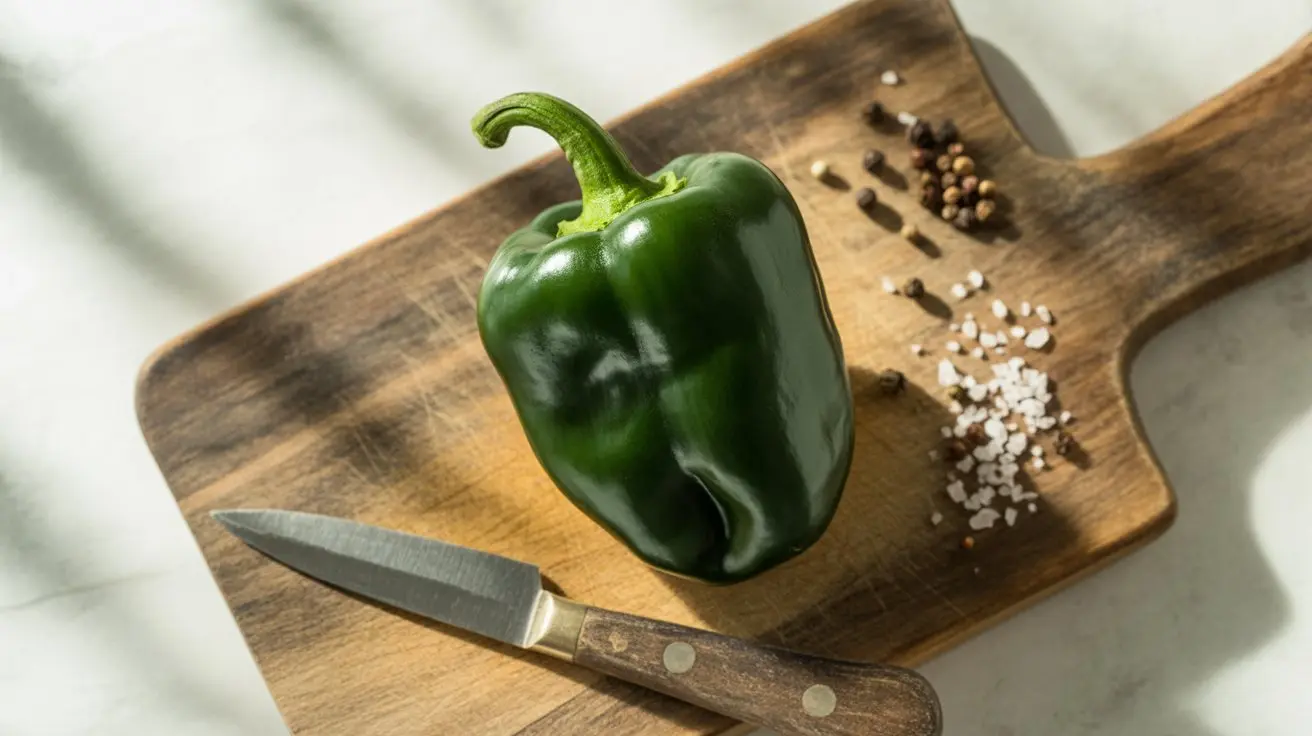
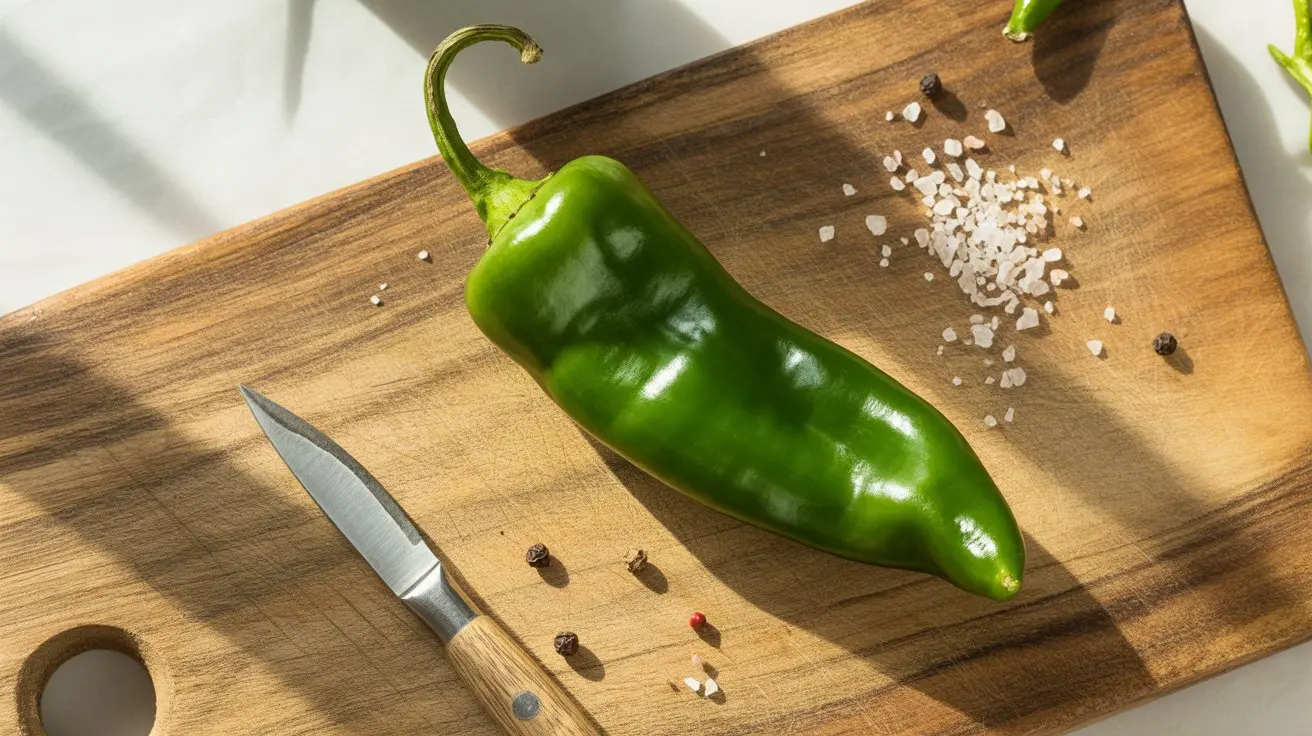
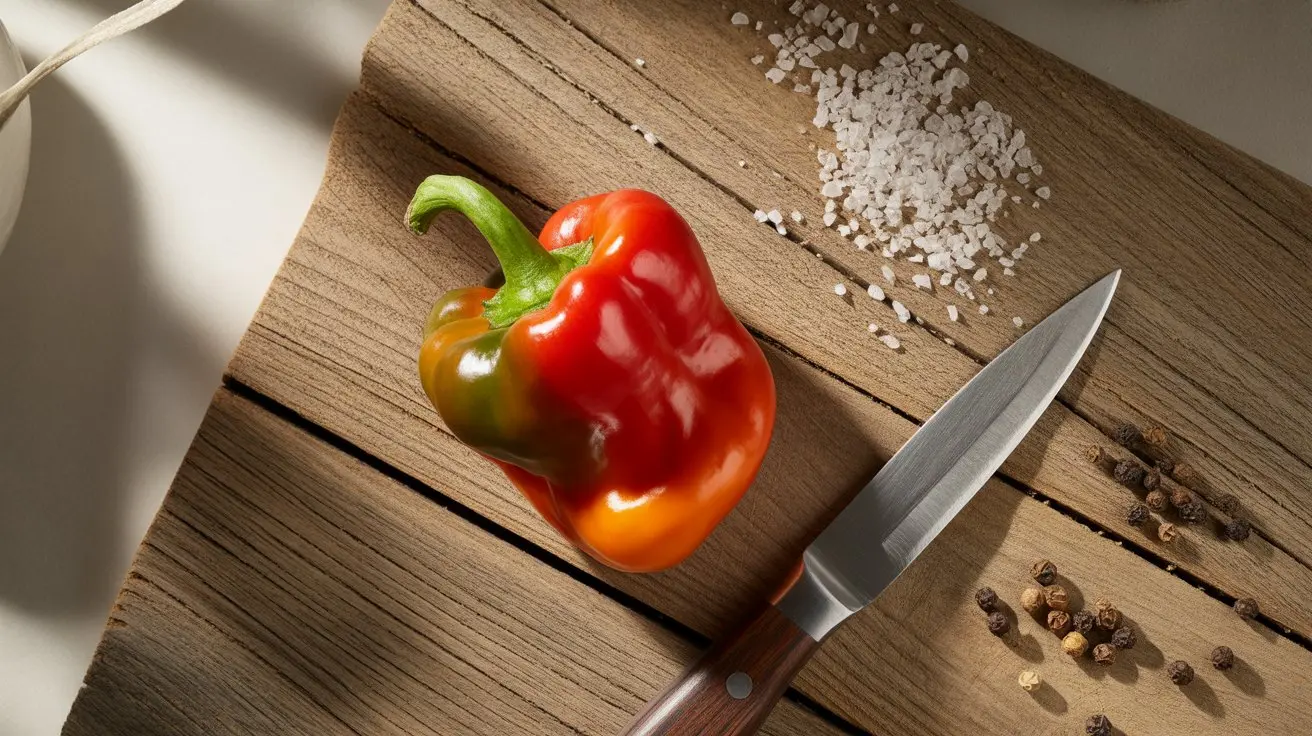
- Heat - Chile Pepper Institute, NMSU
- USDA FoodData Central - Peppers and spices
- University of California Agriculture and Natural Resources