

Thai Chili Stand-In for Raw Heat: Bird's Eye Chili, Swapped 1:1
If a recipe asks for Thai chili, first decide whether the chile is raw, pounded, fried, or blended. Bird's eye chili is the cleanest 1:1 swap for raw heat. Prik kee noo keeps the Thai market identity. Serrano helps when you need fresh pepper pieces but less heat. Cayenne or red pepper flakes work only when the dish can lose the fresh pod texture.
Heat at a glance
What Can You Use Instead of Thai Chili?
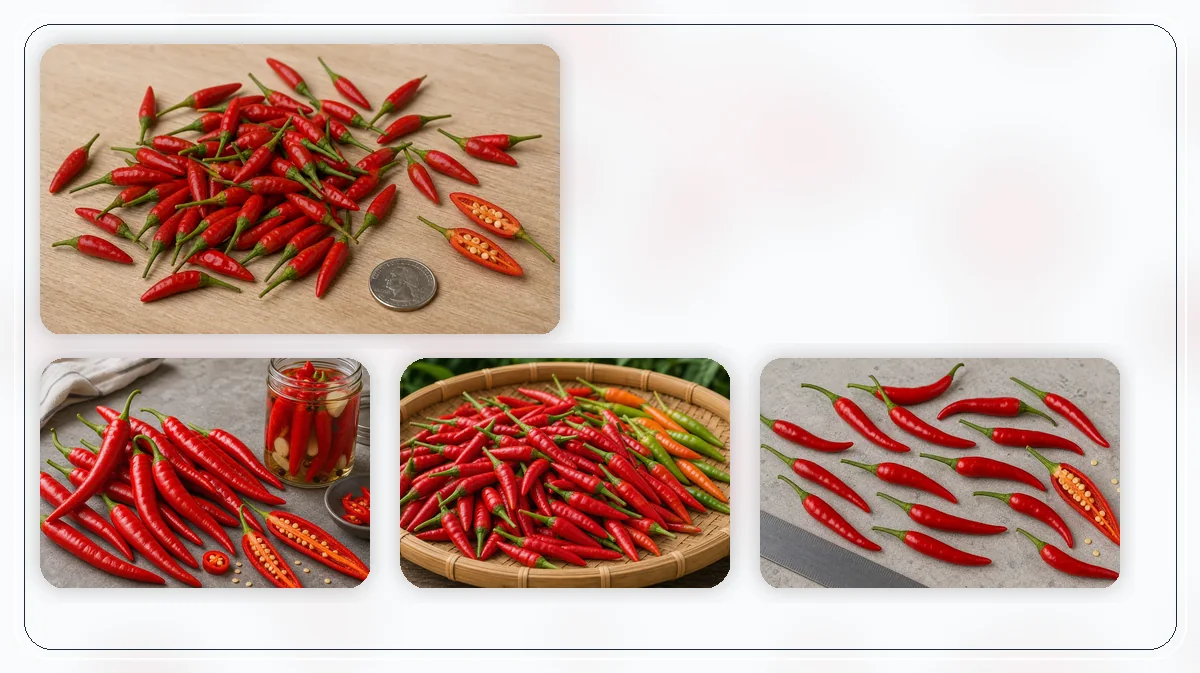
Bird's eye chili
Closest MatchBird's eye chili belongs in prik nam pla, nam prik, curry paste, larb, and stir-fry. It gives the same quick burn and small chopped pieces, so the dish still feels Thai instead of becoming a generic hot sauce dish.
Use 1:1 by count when the pods look similar. If they are much smaller, use weight.
Add them early in curry paste so the heat spreads, but add sliced pieces late in stir-fry so they stay bright.
Prik kee noo
Runner-UpPrik kee noo is the best name-match when an Asian market labels the chiles more specifically. It is built for the same Thai sauces, raw condiments, and high-heat cooking.
Use it 1:1. This is the safest substitute when the recipe comes from Thai cooking and the pepper is more than decoration.
It keeps the heat small, sharp, and easy to pound.
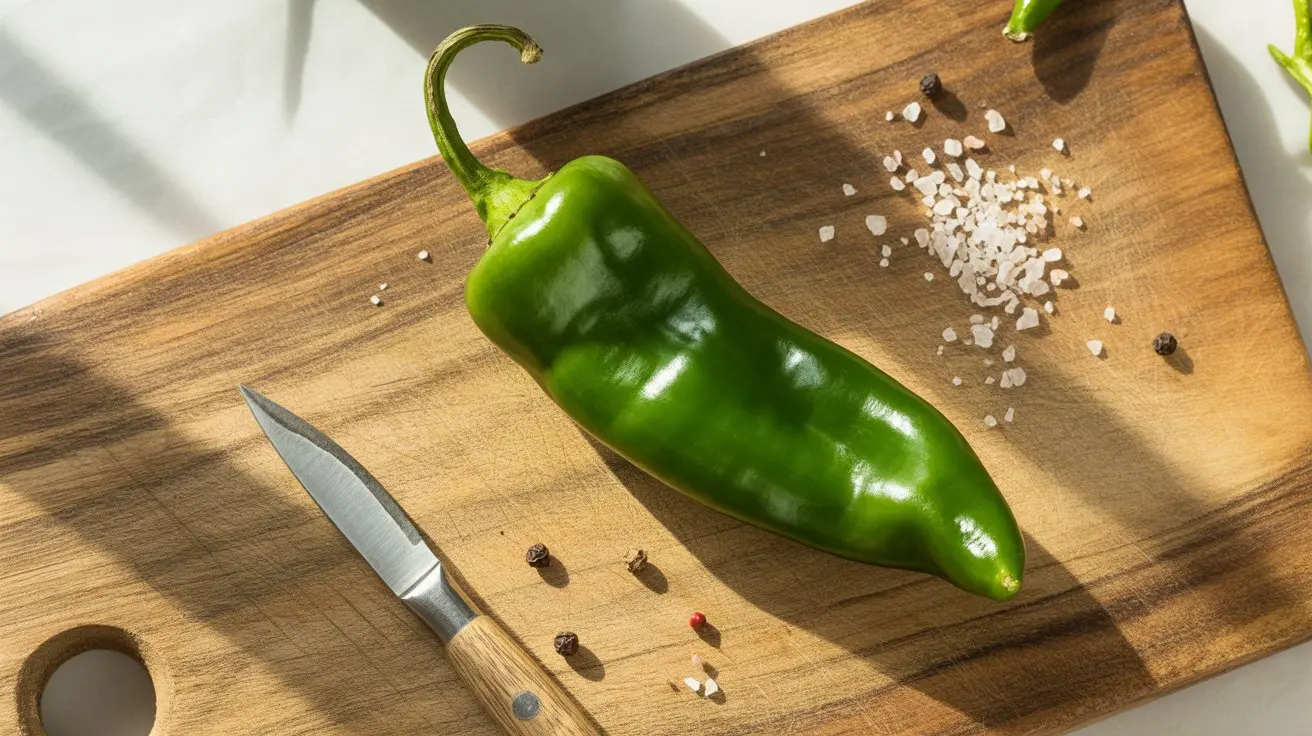
Serrano
Also GreatSerrano replacement option is the fresh green chile you can usually find at a standard grocery store. It gives crisp pepper flavor and visible slices, but it is much milder and fleshier than Thai chili.
Use two serranos for every one Thai chili when heat matters, or one serrano when you only want a gentle bite. Mince it fine for curry paste so the larger walls do not leave chunky green pieces.
Cayenne
Cayenne substitute is useful in cooked sauce, soup, hot oil, and marinades. It replaces the heat signal without adding much flavor, which can be better than using a fruity chile in Thai food.
For powder, start with 1/8 teaspoon per Thai chili. For fresh cayenne, use 1:1 by weight in cooked dishes.
Do not use powder as a garnish where sliced Thai chile should be visible.
Tabasco pepper
Use Tabasco pepper when Thai chili is going into vinegar sauce, fresh salsa, or a cooked hot sauce. It has clean heat and a thin wall, but it brings a sharper sauce-pepper feel.
Use 1:1 by weight, then taste for acidity. It is not the first choice for green curry paste, but it works well when the recipe already has vinegar, lime, or fish sauce.
Fresno plus cayenne
Fresno with cayenne gives red color, fresh pepper body, and adjustable heat. This helps sambal-style sauces and casual stir-fries when small Thai chiles are not in the store.
Use one small Fresno plus a pinch of cayenne for every two Thai chiles. The result tastes sweeter and less piercing, so keep sugar low until after you taste the finished sauce.
Red pepper flakes
Use red pepper flakes when Thai chili is only there to heat oil, broth, or a noodle sauce. Flakes bring heat fast, but they add seed texture and lack fresh chile aroma.
Start with 1/4 teaspoon for one Thai chili in a cooked dish. Crush the flakes before adding them to sauce.
Skip this option for raw condiments where fresh sliced chile is the point.
Which Peppers Make Poor Thai Chili Substitutes?
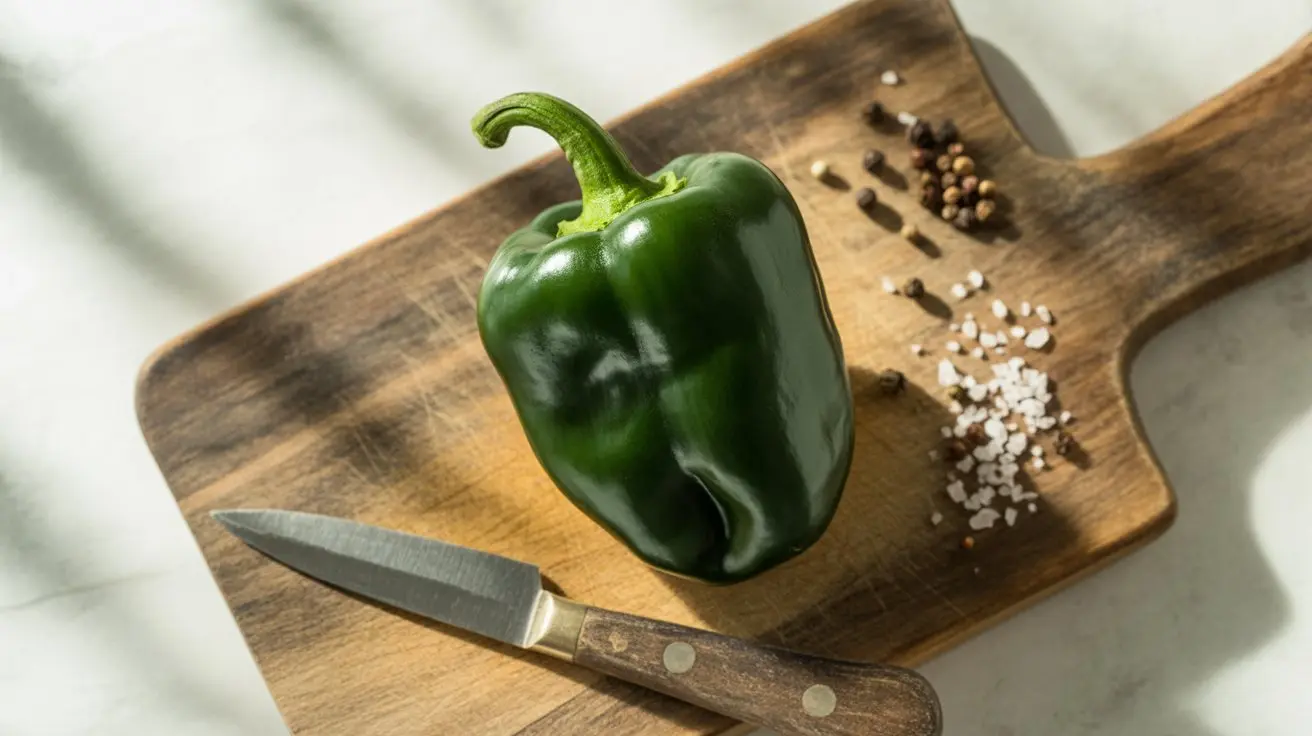
Avoid habanero as a direct Thai chili substitute unless the dish can take tropical fruit flavor. Avoid guajillo, ancho, or other mild dried chiles when the recipe needs sharp heat.
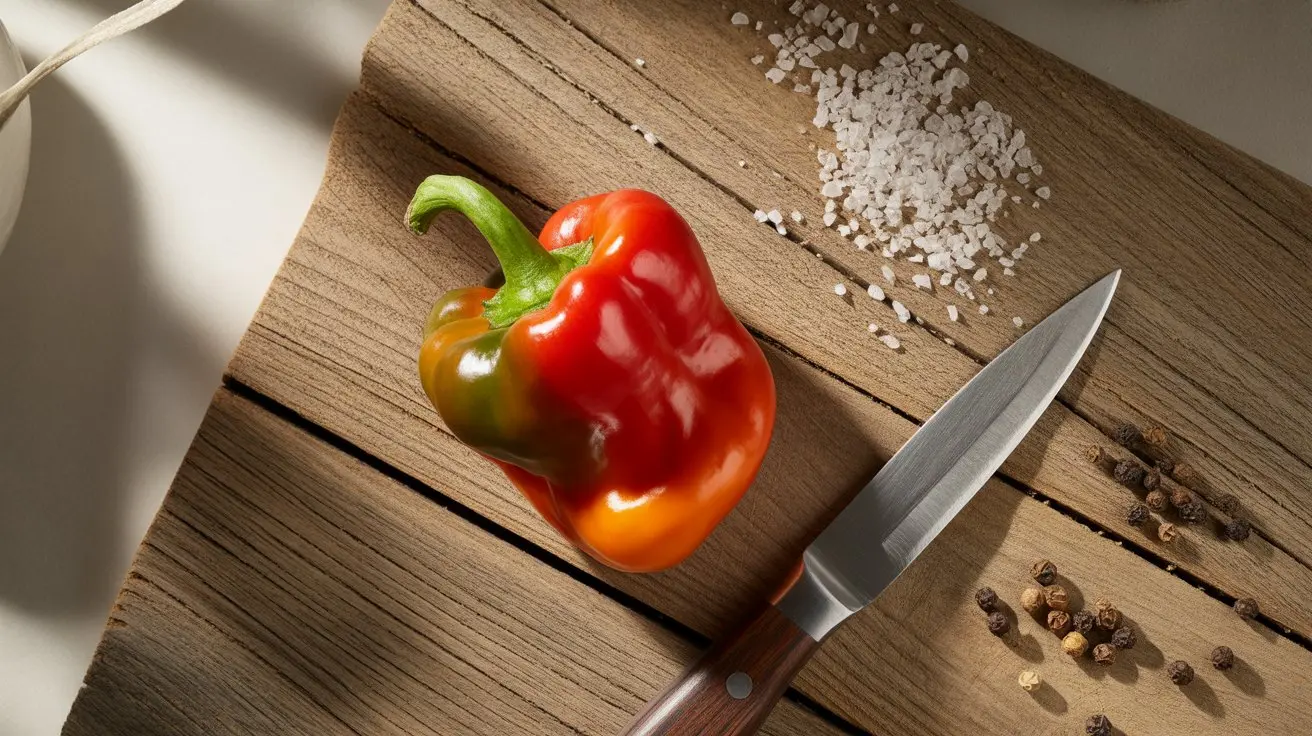
A large sweet pepper plus hot sauce changes moisture, sugar, and vinegar at once, so it is not a clean fix for curry paste or stir-fry.
Substitution tip: When substituting Thai Chili, start with less of a hotter substitute and add more to taste. For milder substitutes, increase the quantity.
Our swap ratio calculator gives precise conversion amounts, and the heat unit converter translates between Scoville and other scales.
Thai Chili Substitute FAQ
- Heat - Chile Pepper Institute, NMSU
- University of California Agriculture and Natural Resources
- Capsicum - USDA GRIN Taxonomy
- Peppers - Cornell Vegetable Program, Cornell Cooperative Extension
- Royal Botanic Gardens Kew - Capsicum annuum