What Is the Best Jalapeno Substitute for Each Recipe?
Choose a jalapeno substitute by the job it must preserve. Fresno keeps fresh crunch, serrano raises green heat, poblano creates a broad stuffing cavity, Anaheim gives you long roastable flesh, and chipotle belongs only where smoke makes sense.
What Is the Best Jalapeno Substitute for Your Recipe?
Fresno is the closest all-purpose fresh substitute, but it is not the best choice for every recipe.
Start by deciding whether the jalapeno supplied crisp flesh, green heat, a popper-sized cavity, roastable strips, smoke, or pickled tang. A heat match can still fail when it removes several ounces of pepper or changes the ingredient from fresh to dry.
Treat pepper body and pepper heat as two separate controls whenever one replacement cannot supply both.
| The jalapeno's job | First choice | Change to expect |
|---|---|---|
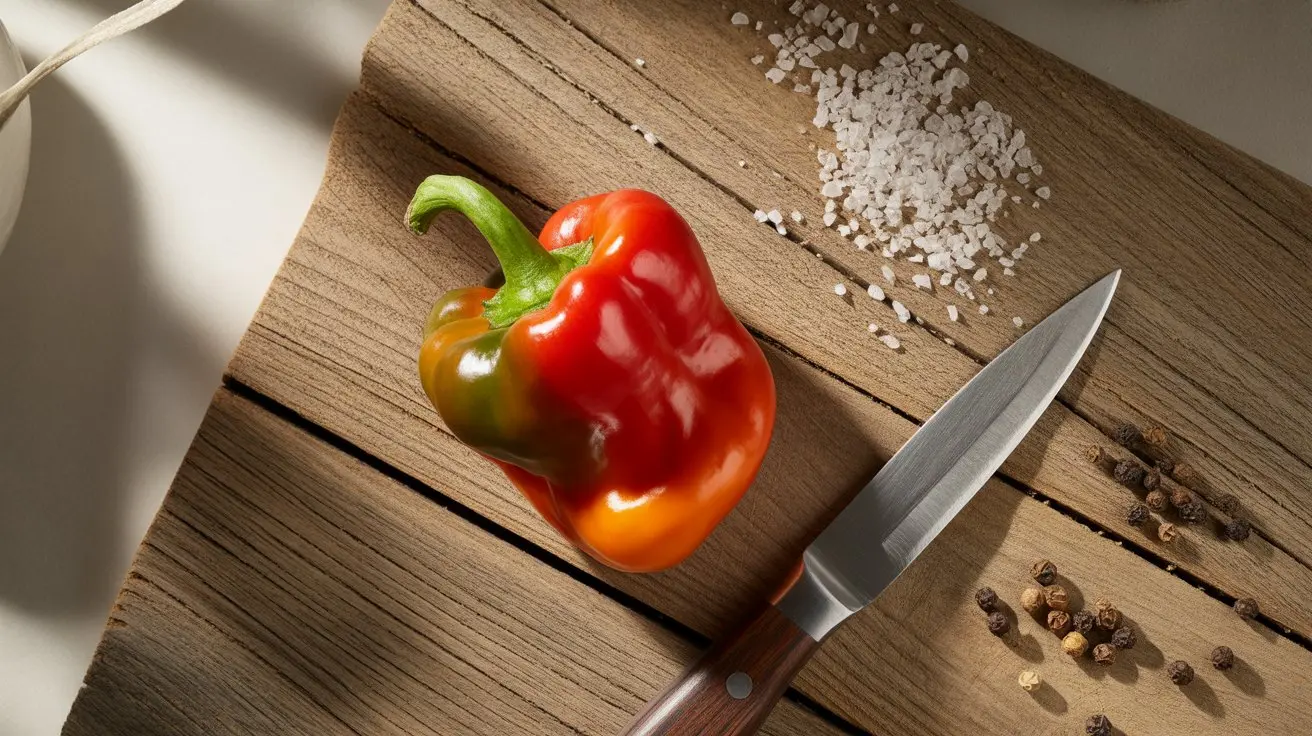
| Fresh crunch in pico or guacamole | Fresno | Riper fruit brings red color and a fruitier note |
| Sharper green heat in salsa | Serrano | More heat from a smaller amount of flesh |
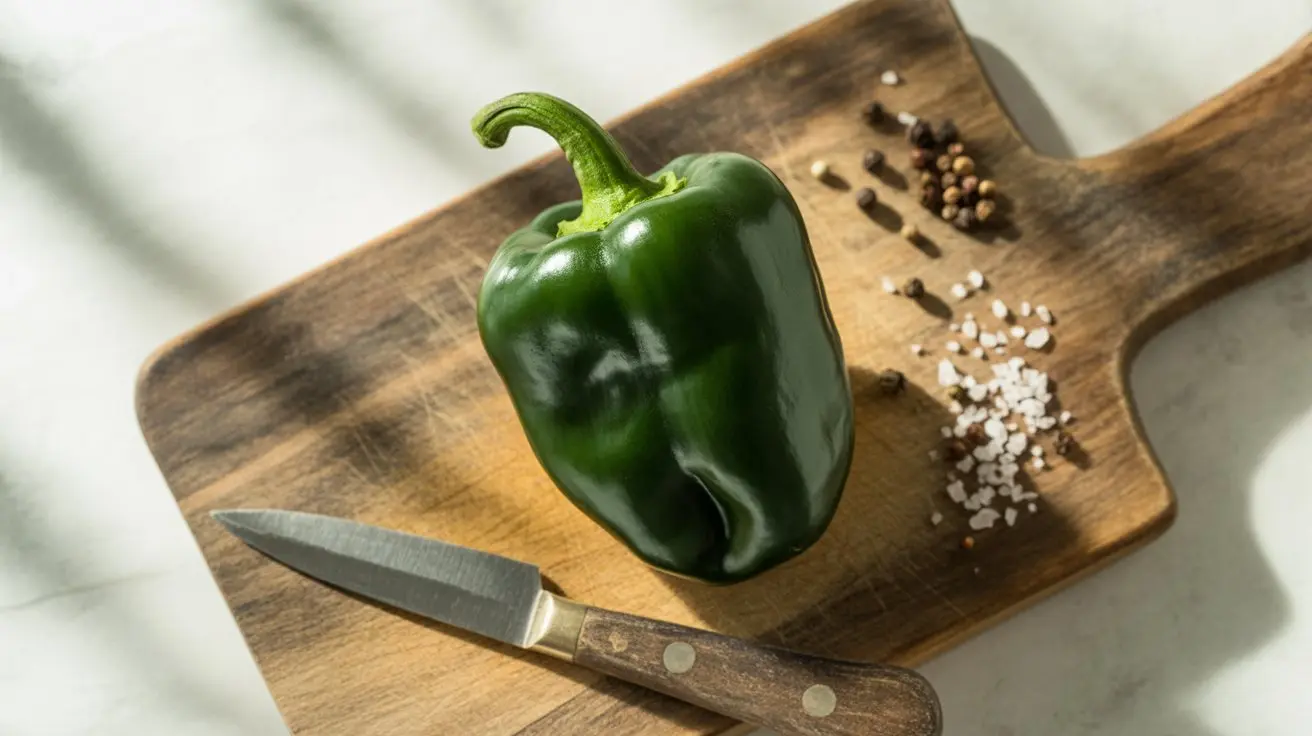
| A cavity for cheese or meat | Poblano | A larger serving with a broader, earthier pepper |
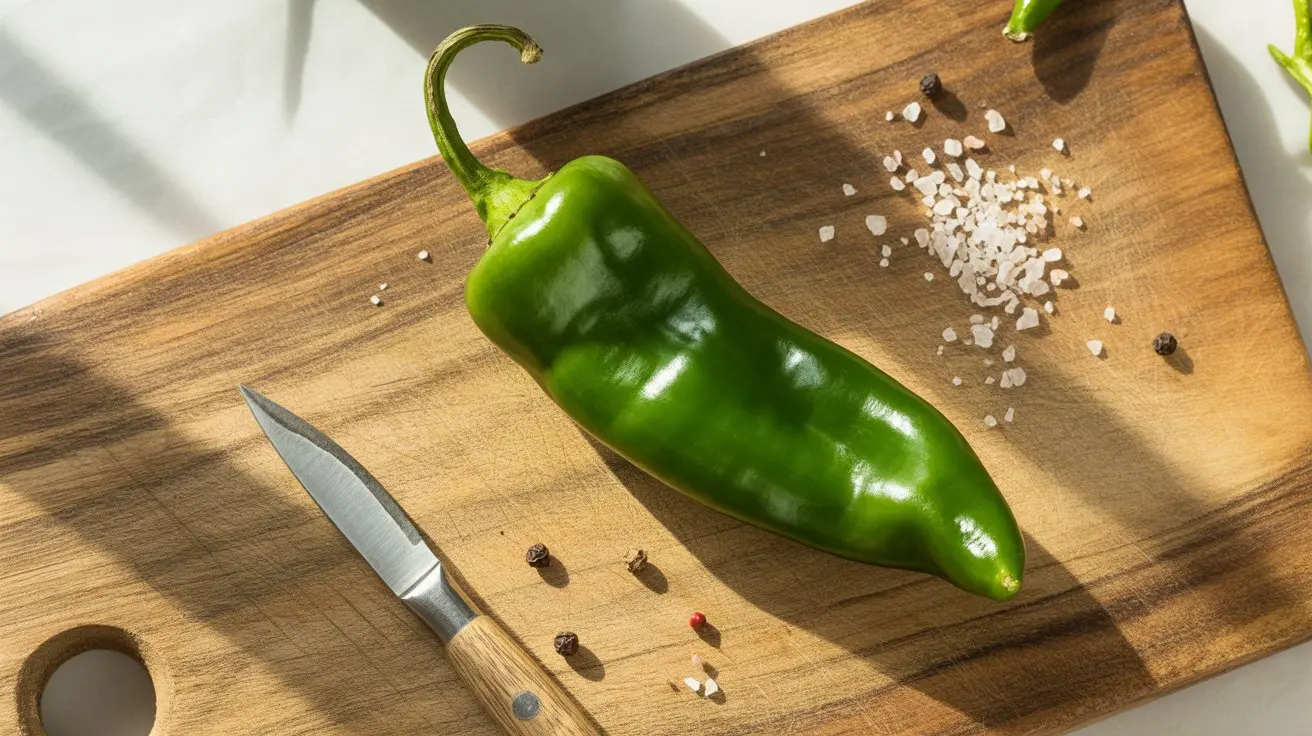
| Roasted strips or chopped green chile | Anaheim | Milder heat and more soft cooked flesh |
| Smoke in beans, sauce, or chili | Chipotle | No fresh crunch and a strong smoked flavor |
| Tangy sandwich or nacho rings | Pickled banana pepper | Much less heat plus vinegar and salt |

Which Fresh Pepper Works Best in Salsa and Guacamole?
For fresh flesh and moderate heat, choose Fresno.
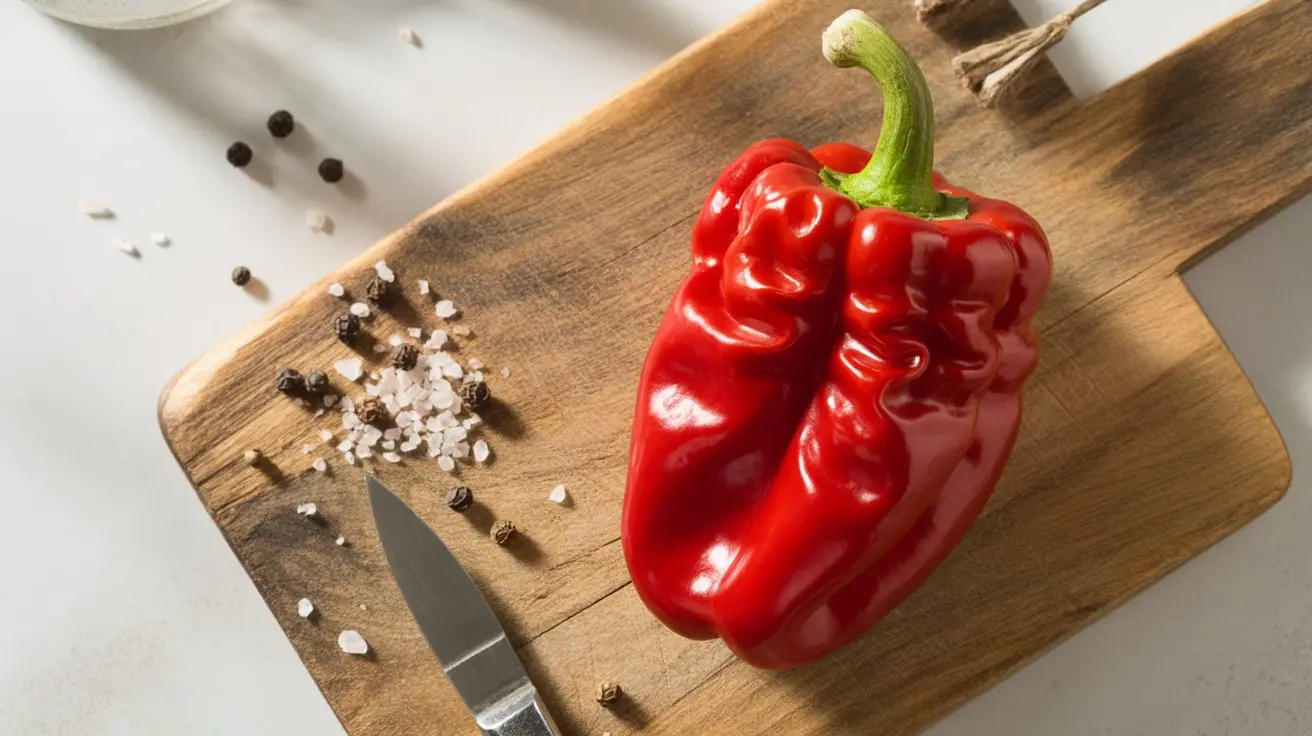
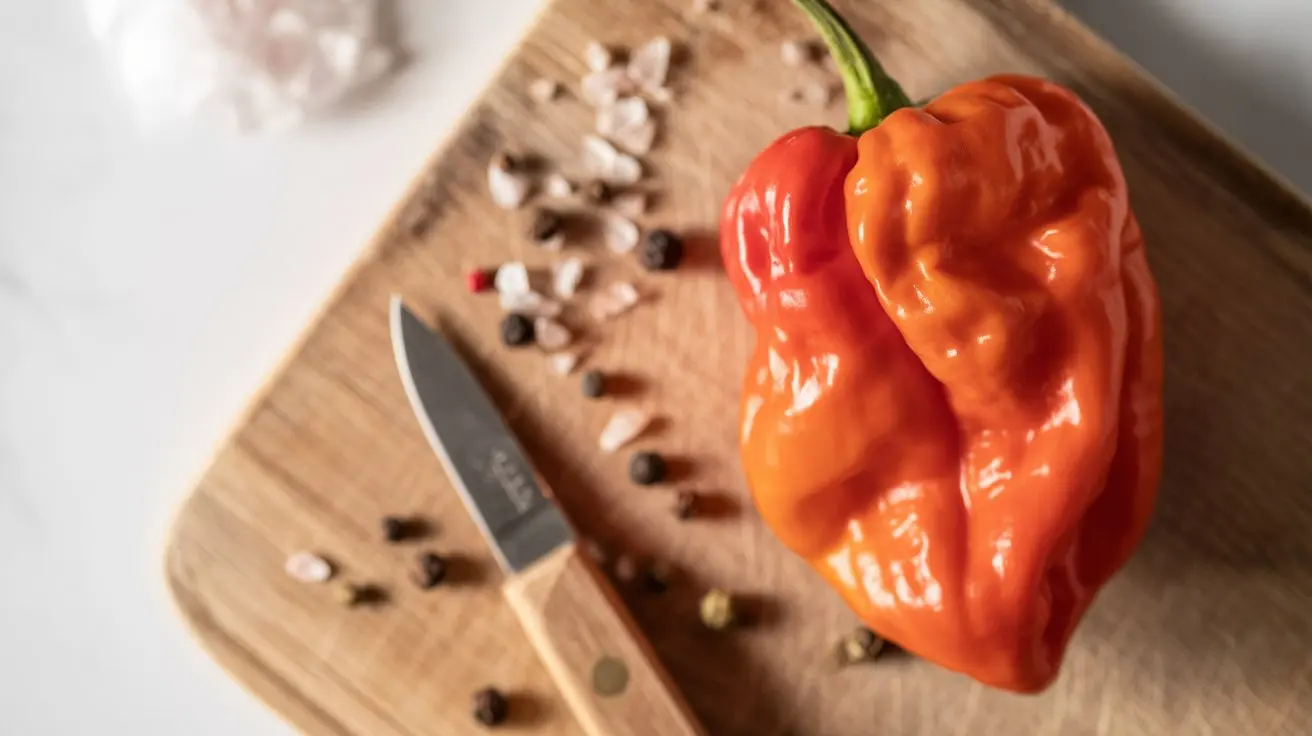
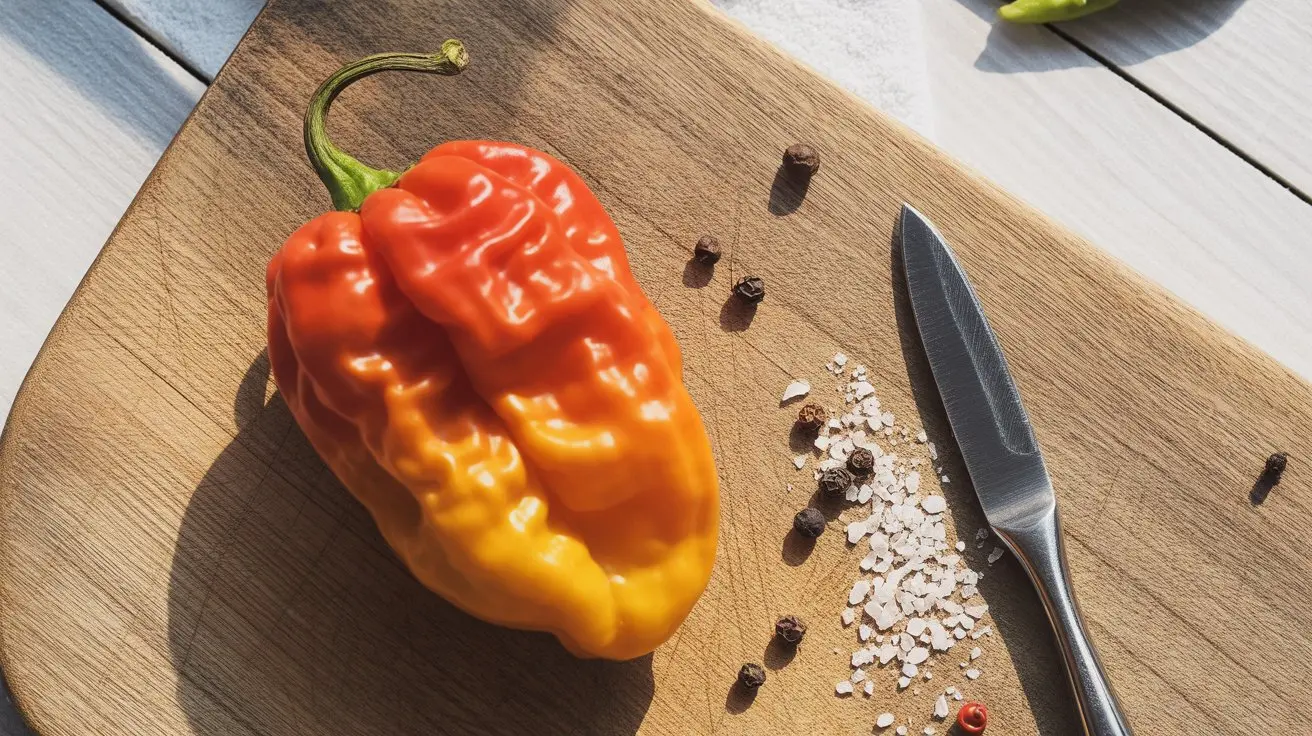
New Mexico State University's Chile Pepper Institute describes Fresno fruit as jalapeno-like in size, with green fruit ripening red and mature fruit becoming thinner-walled and fruitier. That makes a red Fresno pepper a good fit for pico, corn salsa, guacamole, and fresh garnish when red color is acceptable.
Compare equal chopped spoonfuls first because whole-pod size is not a stable kitchen unit.
For a cleaner jump in green heat, choose serrano.
Iowa State University Extension places jalapeno at 2,500 to 10,000 SHU and serrano at 10,000 to 25,000 SHU. The ranges meet at the boundary but do not support a universal two-for-one rule.
Serrano also gives you less flesh per pod. Keep onion, tomato, tomatillo, or another mild ingredient from the recipe at full volume, then treat serrano as the heat adjustment rather than the entire pepper replacement.
- Make the salsa base without the substitute. Keep a small portion unseasoned as a control.
- Add one measured spoonful of chopped pepper to a tasting portion. Record the prepared amount, not the number of pods.
- Rest fresh salsa for several minutes. Salt and moisture spread heat beyond the first bite.
- Scale only the tested change. Add more in a second pass if the full bowl still needs it.
Which Jalapeno Substitute Fits the Cooking Job?
Fresno for fresh crunch and moderate heat
Closest MatchFresno is the strongest single fresh choice for pico, guacamole, corn salsa, fresh relish, and raw garnish.
Its jalapeno-like size keeps recognizable pepper pieces in the bowl. A mature red Fresno is fruitier and thinner-walled, so it changes both color and flavor.
Start with equal chopped volume, taste the finished mixture, and add more only if that actual batch needs it.
Serrano for hotter green salsa
Runner-UpSerrano keeps a green fresh-pepper character while moving the dish into a hotter extension reference band. It works in salsa verde, raw chile-lime sauce, guacamole, and minced garnish when jalapeno would be too gentle.
Its smaller fruit supplies less crisp body. Preserve the recipe's vegetable volume, then add serrano to a tasting portion instead of replacing every jalapeno by count.
Poblano for a broad stuffing cavity
Also GreatPoblano solves the vessel problem in baked stuffed peppers, chile relleno-style preparations, and large cheese-filled servings.
A broad cavity is easier to fill and support than several small jalapeno halves. The dish becomes milder, larger, and earthier.
Resize the filling from one opened test pod, then add any missing heat to the filling or sauce where it can spread evenly.
Anaheim for roasted strips and cooked green chile
Anaheim provides more mild flesh for roasting, peeling, chopping, or cutting into long strips. It suits eggs, burgers, casseroles, soup, and green-chile mixtures where crisp raw bite is not the goal.
Measure the roasted and drained flesh rather than the number of pods. Add heat after the Anaheim has established the amount and texture the recipe needs.
Chipotle for smoky cooked food
Chipotle is a deliberate flavor change, not a neutral swap.
It can connect a cooked recipe back to ripe jalapeno while bringing smoke to beans, chili, barbecue sauce, marinades, and braised meat. It cannot provide fresh green aroma, moisture, crunch, or a stuffing cavity.
Add the available chipotle form in a measured tasting portion and correct salt or liquid only after its sauce, mash, or powder is fully mixed.
What Can Replace Jalapenos for Poppers and Roasting?
When filling needs a broad, stable cavity, use poblano.
A poblano pepper turns a jalapeno popper into a larger stuffed pepper, so one serving may hold far more cheese, meat, beans, or grains. Its 1,000 to 2,500 SHU extension reference range is milder than jalapeno, and its flavor is earthier.
Put any missing heat in the filling or sauce, where it can be dispersed and tasted before every pepper is assembled.
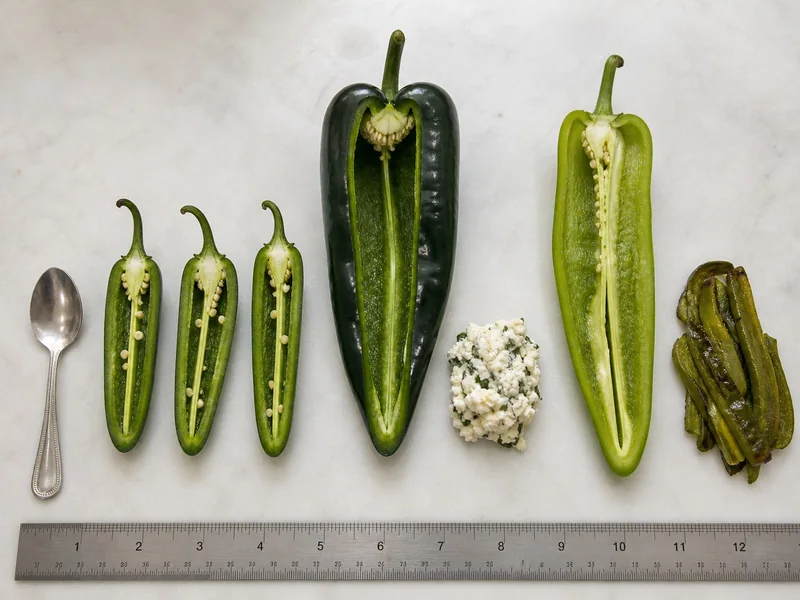
When a dish needs long roasted flesh or strips, use Anaheim.
The Anaheim pepper is milder and longer, so it suits roasted toppings, eggs, casseroles, burgers, and chopped green-chile mixtures better than a classic two-bite popper. Iowa State groups Anaheim with poblano in the 1,000 to 2,500 SHU band.
Its longer cavity may hold a similar amount of filling only when the individual fruit is large, which is why prepared capacity beats a printed pod ratio.
| Available pepper | Best structural use | How to resize the recipe |
|---|---|---|
| Jalapeno | Small poppers and compact stuffed halves | Use the original cavity as the reference |
| Poblano | Full stuffed-pepper servings | Fill one opened pod, then multiply by actual cavities |
| Anaheim | Long stuffed chile or roasted strips | Measure one cavity or use equal trimmed weight after roasting |
- Open one representative pepper. Pods from the same bin can still differ in width.
- Fill that cavity before mixing more. This reveals the real amount of cheese or meat per serving.
- Roast only until the wall becomes flexible. A fully softened pepper can tear while it is moved or filled.
- Adjust heat in the filling. Dispersed heat is easier to correct than a surprise hot pod.
Can Chipotle, Flakes, or Pickled Peppers Replace Fresh Jalapeno?
Each preserved form replaces only part of a fresh jalapeno.
Drying removes water, pickling adds brine, and smoking creates an aroma that can dominate a dish even when the heat feels familiar. Decide whether the original pepper was supposed to remain visible and crisp.
If the answer is yes, a powder, mash, sauce, or jarred ring is a different ingredient, not a smaller version of the fresh pod.
New Mexico State University defines chipotle as a smoke-dried red jalapeno. Use it in beans, chili, barbecue sauce, marinades, and slow-cooked tomato sauce where smoke is welcome.
Flakes add dispersed dry heat but no green aroma, moisture, or crisp flesh. They fit soup or cooked sauce only after another ingredient covers the missing pepper body.
Pickled jalapeno or banana pepper rings can cover a tangy topping job. Drain them when excess brine would thin a dip or filling, and expect added vinegar and salt.
How Do You Adjust Heat Without a Fixed Pod Ratio?
Match prepared pepper body first, then tune heat separately.
Chopped volume works for pico and guacamole because texture is visible, while trimmed weight is more reliable in soup, sauce, casserole, or a large batch of filling. Whole-pod count fails when a slender serrano, broad poblano, and long Anaheim are treated as equal units.
The jalapeno versus serrano comparison is useful for the two fresh green peppers, but the actual batch still owns the final heat.
- Choose the prepared unit that controls the dish. Use chopped volume for raw texture, trimmed weight for cooked body, or actual cavities for stuffing.
- Build the mild volume before adding a hot pepper. This protects sauce body, salsa yield, and filling capacity.
- Season a small portion with a measured amount. Taste the pepper in the food rather than biting an isolated hot piece.
- Wait for the relevant change. Cold salsa needs time to distribute heat, while a reducing sauce can become hotter as water leaves.
- Scale the tested amount and write it down. The record applies to that batch and ingredient form, not every future pod.
A practical substitution may therefore use two ingredients. Mild roasted Anaheim can supply several ounces of flesh while a small measured amount of serrano restores heat, or poblano can carry popper filling while the sauce supplies the sharper green note.
Which Jalapeno Substitutes Usually Fail?
- Cayenne powder for fresh salsa: it adds dry heat but leaves a visible gap where crisp green pepper should be.
- Habanero as a casual one-for-one swap: its much hotter, fruit-forward character can take over a dish that expected moderate green heat.
- Pickled rings for fresh poppers: brine, softened texture, and sliced form cannot recreate an intact stuffing vessel.
- Green bell pepper when green heat is central: it supplies useful crunch and volume, but the dish still needs a separately controlled heat source.
Substitution tip: When substituting Jalapeño, start with less of a hotter substitute and add more to taste. For milder substitutes, increase the quantity.
Our swap ratio calculator gives precise conversion amounts, and the heat unit converter translates between Scoville and other scales.